Have you ever wondered how long you could survive without any clothes on, especially when the temperature drops? Your body relies on clothing to keep warm, but what if you had nothing to protect you?
Knowing the average temperature humans can survive without clothing isn’t just interesting—it could be crucial in unexpected situations. You’ll discover the surprising limits of your body’s endurance and learn what really happens when the cold sets in. Keep reading to find out how your survival depends on more than just the numbers on a thermometer.
Human Body Temperature Basics
Understanding your body’s temperature is key to knowing how long you can survive without clothing in different environments. Your body works hard to keep its internal temperature stable, usually around 98.6°F (37°C). This balance lets your organs function well and keeps you feeling comfortable.
How Your Body Regulates Temperature
Your body has a built-in thermostat controlled by the brain. When you get too hot, you sweat to cool down. When you’re cold, your body shivers to generate heat.
Blood vessels also change size to control heat loss:
- Vasodilation:Blood vessels widen to release heat.
- Vasoconstriction:Blood vessels narrow to keep heat inside.
Why Maintaining Core Temperature Matters
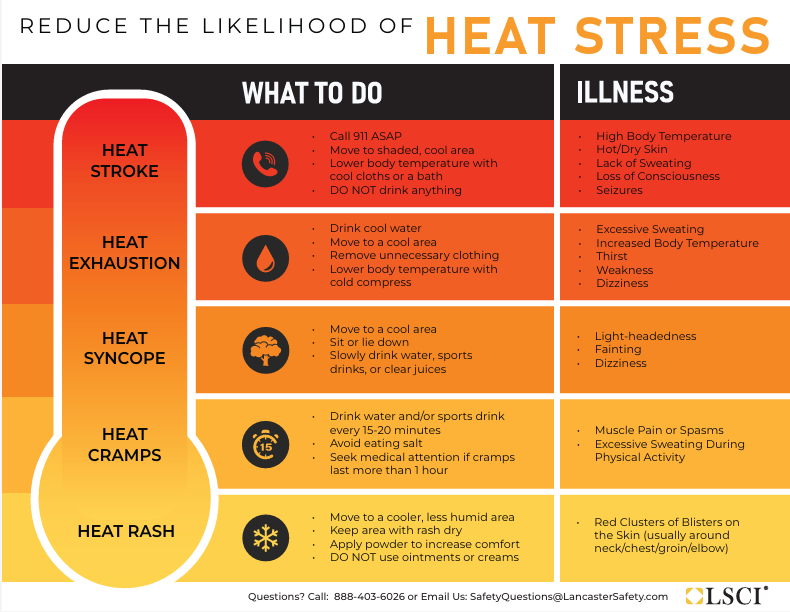
Your core temperature is crucial for survival. Even a small drop below 95°F (35°C) causes hypothermia, which slows your body functions. On the other hand, overheating above 104°F (40°C) can lead to heat stroke, which is life-threatening.
Have you ever noticed how quickly your fingers get numb in cold water? That’s your body prioritizing core warmth over extremities.
Factors Affecting Your Temperature Control
Several things influence how well your body manages heat without clothing:
- Age:Older adults lose temperature regulation efficiency.
- Body Fat:More fat means better insulation.
- Hydration:Dehydration hampers sweating and cooling.
- Health:Illness can disrupt normal temperature control.
Knowing these factors can help you prepare better if you ever find yourself without clothes in cold or hot conditions.
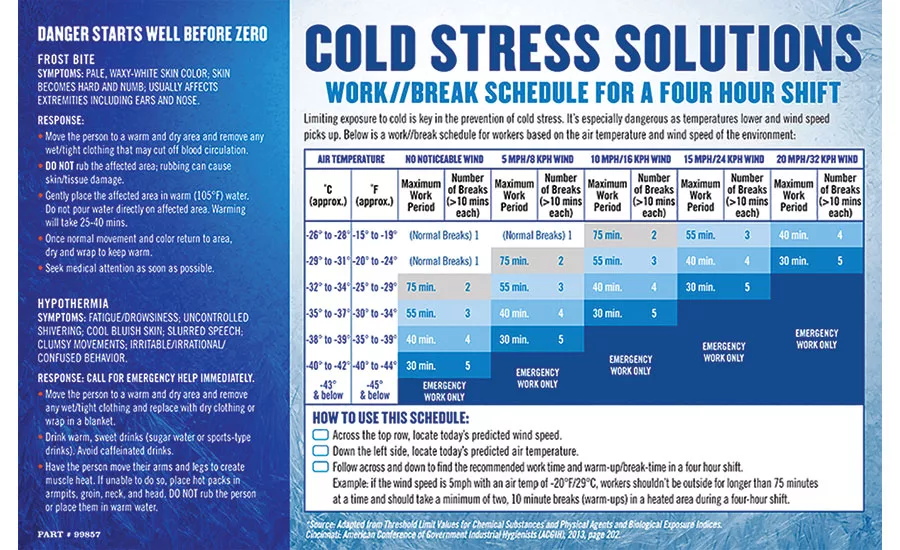
Credit: www.ishn.com
Factors Influencing Survival Temperature
Surviving without clothing in cold temperatures depends on more than just the air temperature around you. Several internal and external factors influence how well your body can maintain warmth and prevent hypothermia. Understanding these factors can help you assess risks and prepare better for cold exposure.
Body Mass And Fat Distribution
Your body mass plays a crucial role in how long you can endure cold conditions without clothing. People with higher body fat tend to retain heat better because fat acts as natural insulation. Even distribution matters—fat around your core protects vital organs, helping you survive lower temperatures.
Think about how a friend with a lean build shivers faster than you on a chilly day. It’s not just about weight but where that weight is stored. Do you notice how some people seem less bothered by cold winds? Their body composition is likely giving them an edge.
Metabolic Rate
Your metabolism generates the heat your body needs to stay warm. A higher metabolic rate means your body burns energy faster, producing more heat. This can help you survive longer in cold environments without clothing.
Have you ever felt warmer after physical activity? That’s your metabolism kicking in. When you’re at rest, a slower metabolism might leave you more vulnerable to the cold. How often do you rely on movement to stay warm?
Age And Health
Age significantly affects your ability to handle cold without protection. Older adults generally have reduced circulation and slower metabolism, making them more prone to hypothermia. Children, with their smaller body size and less fat, also face higher risks.
Your overall health matters too. Conditions like diabetes or cardiovascular issues can impair your body’s temperature regulation. Are you aware of how your health status influences your cold tolerance? Paying attention to these details can be lifesaving.
Role Of Environment In Temperature Tolerance
The environment plays a key role in how humans tolerate temperature without clothing. Body heat loss or gain depends on several factors beyond just air temperature. These elements can either protect the body or cause faster heat loss, affecting survival time.
Understanding these environmental influences helps explain why people can survive in some cold places but not others. The body reacts differently depending on humidity, wind, altitude, and more. These factors shape the limits of human temperature tolerance.
Humidity And Wind Chill
Humidity affects how the body cools or stays warm. High humidity slows sweat evaporation, making it harder to cool down. Low humidity allows sweat to evaporate quickly, which can cause faster heat loss in cold conditions.
Wind chill is the cooling effect of wind on exposed skin. Wind removes the thin layer of warm air around the body. This makes the skin feel colder than the actual air temperature. Strong winds can lower skin temperature rapidly, increasing the risk of hypothermia without clothing.
Altitude And Atmospheric Pressure
Higher altitudes have lower temperatures and less oxygen. The thin air reduces the body’s ability to warm itself. Lower atmospheric pressure means less heat is retained close to the skin.
Cold and low pressure at high altitudes make it harder to survive without clothes. The body loses heat faster and must work harder to maintain warmth. These conditions reduce the average temperature humans can tolerate naked.
Cultural Adaptations To Cold Climates
Surviving cold climates without clothing pushes the human body to its limits. Yet, many cultures have developed unique ways to thrive in freezing temperatures. These cultural adaptations go beyond just physical endurance—they include smart habits and lifestyle choices that help maintain warmth and energy.
Traditional Practices
Many cold-climate communities rely on time-tested methods to stay warm. For example, the Inuit use snow shelters called igloos, which trap body heat efficiently despite freezing outside temperatures.
In Siberia, some groups practice controlled breathing and movement patterns to generate internal heat. These practices are not just about staying warm; they also build mental resilience against cold stress.
Have you ever tried deep breathing exercises or quick physical movements to warm yourself when you’re cold? These traditional techniques show how simple actions can make a big difference.
Dietary Adjustments
Your diet plays a crucial role in surviving cold without clothing. High-fat foods are common in Arctic diets because fats provide more energy and help the body produce heat.
The Sami people of northern Europe eat reindeer meat and fish rich in omega-3 fatty acids, which support metabolism and improve circulation. This helps maintain body warmth even in extreme cold.
Could adjusting your diet help you manage cold better? Including nutrient-dense, energy-rich foods can fuel your body’s natural heat production, especially when clothing is minimal.
Scientific Experiments And Case Studies
Scientific experiments and case studies reveal how humans survive without clothing in different temperatures. These studies help us understand the limits of human endurance. They examine how the body reacts to cold or heat without fabric protection. Observing these reactions gives clues about average survival temperatures. Both old and new research adds valuable insights to this topic.
Historical Experiments
Early scientists tested human tolerance to cold by exposing volunteers to low temperatures. One famous study involved subjects sitting in cold water without clothes. Researchers measured their body temperature and survival time. These experiments showed that people could survive in temperatures near freezing for a short time. Survival depended on factors like body fat and movement.
Another historical example involved indigenous peoples living with minimal clothing in cold climates. Their survival strategies included physical activity and shelter use. These real-life cases provided practical proof of human adaptation to cold without modern clothing.
Modern Research Findings
Recent studies use advanced tools to monitor body responses to temperature changes. Researchers use thermal cameras and sensors to measure heat loss. Modern experiments often include controlled environments to test cold exposure limits. Results show humans can survive in temperatures around 10°C to 15°C without clothing for a limited period. Prolonged exposure below this range risks hypothermia.
Scientists also study factors affecting survival, such as age, health, and acclimation. Cold water immersion studies highlight faster heat loss compared to cold air. Research emphasizes the importance of movement and shelter to maintain body heat. These findings help improve safety guidelines for outdoor activities without clothing.
Survival Strategies In Extreme Conditions
Surviving without clothing in extreme temperatures demands smart strategies. The body loses heat fast without protection. Knowing how to stay warm and calm can save lives. These survival strategies focus on mental strength and practical emergency actions.
Mental Resilience
Staying calm helps control body heat better. Panic causes faster breathing and heart rate, using up energy. Focus on steady breathing to keep calm. Visualize warmth and safety to boost morale. Positive thinking supports survival in harsh cold. Avoid negative thoughts that increase stress and heat loss.
Emergency Techniques
- Find shelter to block wind and rain.
- Use natural materials like leaves or grass for insulation.
- Huddle with others to share body heat.
- Keep moving gently to create warmth but avoid sweating.
- Cover the head and neck to reduce heat loss.
- Stay dry; wet skin loses heat quickly.
Implications For Outdoor Activities
Outdoor activities often challenge the body’s ability to maintain warmth. Knowing the average temperature humans can survive without clothing helps plan safer outings. Exposure to cold can cause serious health issues quickly. Understanding these limits guides outdoor enthusiasts in preparing properly.
Safety Precautions
- Limit exposure time in cold environments without clothing.
- Stay dry to avoid rapid heat loss from wet skin.
- Seek shelter or wind protection to reduce chill factors.
- Monitor body signs like shivering or numbness immediately.
- Carry emergency blankets or heat packs for sudden cold.
- Inform someone about your outdoor plans and expected return.
Clothing Technology Innovations
Modern fabrics help keep the body warm and dry. Materials like wool and synthetic fibers trap heat efficiently. Lightweight insulated jackets offer protection without heavy bulk. Moisture-wicking layers prevent cold skin from sweat buildup. New clothing designs focus on breathability and temperature regulation. These advances extend safe outdoor time in lower temperatures.

Credit: www.newsweek.com
Credit: weather.com
Frequently Asked Questions
What Is The Minimum Temperature Humans Survive Without Clothing?
Humans can survive short periods in temperatures around 50°F (10°C) without clothing. Survival depends on body fat, activity, and shelter. Prolonged exposure below this can cause hypothermia and health risks.
How Does Body Fat Affect Cold Survival Without Clothes?
Body fat acts as insulation, helping retain heat in cold conditions. People with higher body fat survive colder temperatures longer without clothing. Fat slows heat loss and improves comfort in low temperatures.
Can Humans Survive Freezing Temperatures Without Clothing?
Survival in freezing temperatures without clothing is rare and brief. Hypothermia risks increase quickly as the body loses heat. Immediate shelter or warmth is essential to prevent severe health consequences.
What Role Does Activity Play In Cold Survival Unclothed?
Physical activity generates body heat, aiding survival in cold without clothing. Movement delays hypothermia by improving circulation. However, excessive exertion can lead to sweating, increasing heat loss and risk.
Conclusion
Humans can survive without clothes only in mild temperatures. Too cold or too hot, the body struggles to stay safe. Our skin helps, but it is not enough alone. Staying warm or cool is key for survival. Knowing these limits helps us prepare better for nature.
Always respect your body’s needs in different weather. Survival depends on more than just temperature alone. Simple care can make a big difference. Stay aware, stay safe.


