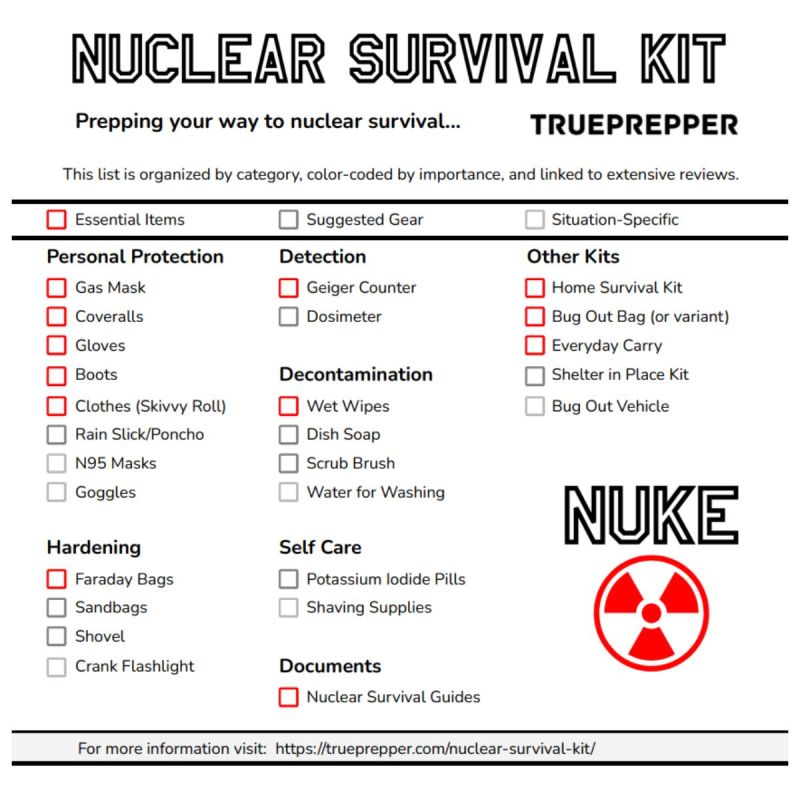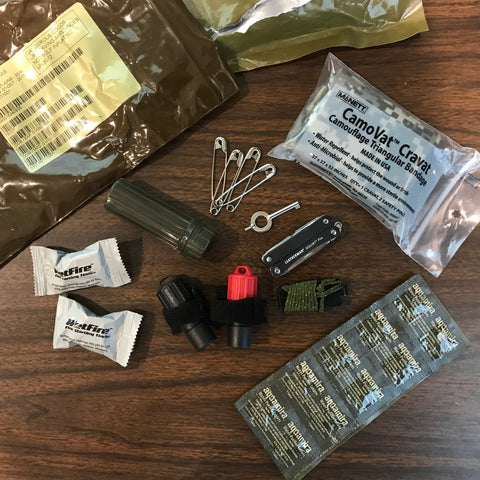
Imagine the world around you suddenly changing, with danger lurking at every corner. You need to be ready—right now.
What would you grab to keep yourself safe and alive if zombies appeared? Your survival depends on what’s inside your kit. You’ll discover exactly what to pack in a zombie survival kit to protect yourself and stay one step ahead.
Don’t wait until it’s too late—read on to make sure you have everything you need when it counts the most.
Essential Clothing
Essential clothing in a zombie survival kit goes beyond just looking ready—it’s about staying safe, comfortable, and agile. Your clothes need to protect you from the elements, rough terrain, and potential injuries. Choosing the right gear can make a huge difference in how well you handle a tough situation.
Durable Footwear
Think about the last time you wore shoes that weren’t made for walking long distances—your feet probably hurt, right? Durable footwear is a must-have for any survival kit. Opt for sturdy boots with good ankle support and slip-resistant soles. These boots help you move quickly over uneven ground and protect your feet from sharp objects or debris.
Try to find shoes made from breathable material to avoid blisters and overheating. Have you ever underestimated how much your feet carry you through a day? Don’t let poor footwear slow you down when every second counts.
Weather-appropriate Attire
Your clothing should match the environment you expect to survive in. Layering is key—you want to add or remove pieces to stay comfortable without overheating or freezing. In cold weather, thermal underwear, insulated jackets, and waterproof outer layers keep you warm and dry.
In hot climates, lightweight, moisture-wicking fabrics prevent overheating and chafing. Consider clothes with UV protection to shield your skin during long hours outside. Ask yourself: can your current clothes handle sudden weather changes without making you uncomfortable or vulnerable?
Protective Gear
Zombie encounters might not be the only threat; thorny bushes, broken glass, and other hazards can injure you. Protective gear includes gloves, knee pads, and even eye protection. Gloves guard your hands when climbing or handling rough materials, while knee pads prevent bruises during quick moves or falls.
Don’t forget a sturdy hat or helmet to protect your head from low branches or debris. Eye protection, like wraparound sunglasses or safety goggles, keeps dust and blood out of your eyes. What kind of protection would you want to rely on if you had to run through a dense, dangerous area?

Credit: allison-stewart.medium.com
Tools For Defense
Defense tools are crucial in a zombie survival kit. They protect you from threats and keep you safe. Choosing the right tools ensures you can defend yourself effectively. Focus on simple, reliable, and easy-to-use items.
Melee Weapons
Melee weapons are silent and do not need ammunition. They work well in close combat. Ideal options include:
- Baseball bats – sturdy and easy to handle
- Machetes – sharp and lightweight
- Hatchets – useful for both defense and cutting wood
- Crowbars – durable and can pry open doors
Practice using these weapons to improve your skill and confidence.
Ranged Weapons
Ranged weapons allow you to attack from a distance. They keep you safer by avoiding close contact. Common ranged weapons are:
- Bows and arrows – quiet and reusable ammunition
- Slingshots – small and easy to carry
- Crossbows – more powerful but heavier
- Firearms – effective but require ammo and training
Always carry extra ammunition and clean your weapons regularly.
Self-defense Techniques
Knowing self-defense techniques adds an extra layer of protection. Training helps you react quickly and confidently. Focus on:
- Basic strikes – punches and kicks to vital areas
- Escapes – how to break free from holds
- Using your environment – objects as weapons
- Staying calm – controlling fear and stress
Regular practice improves your chances of survival in tough situations.
Food And Water Supplies
Food and water are vital in any zombie survival kit. They keep energy levels high and the body strong. Proper supplies ensure you stay nourished and hydrated during long emergencies. Choose items that last long and are easy to carry. Focus on nutrition, shelf life, and ease of preparation.
Non-perishable Food Items
- Canned beans and vegetables provide protein and fiber.
- Freeze-dried fruits and meats are lightweight and durable.
- Energy bars and trail mix offer quick calories and nutrients.
- Instant noodles and rice cook fast and fill you up.
- Peanut butter jars supply fats and protein.
Water Purification Methods
Safe water is critical for survival. Store bottled water but also prepare to purify found sources.
- Water purification tablets kill harmful bacteria quickly.
- Portable water filters remove dirt and microbes.
- Boiling water kills most germs if you have a heat source.
Portable Cooking Equipment
Cooking gear helps make many foods edible and safer.
- Small camping stoves work with liquid fuel or gas canisters.
- Lightweight pots and pans are easy to carry and clean.
- Multi-use utensils save space and serve many functions.

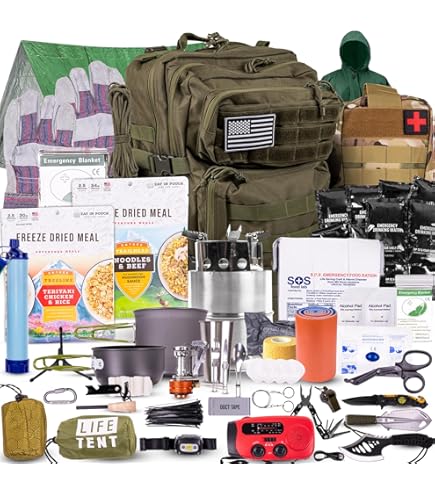
Credit: www.walmart.com
First Aid And Medical Supplies
First aid and medical supplies are the backbone of any zombie survival kit. You need to be prepared to handle injuries quickly and effectively because medical help won’t be just around the corner. Knowing exactly what to pack can make all the difference when seconds count.
Basic First Aid Kit
A solid first aid kit should cover the essentials without weighing you down. Include items like adhesive bandages in various sizes, sterile gauze pads, and medical tape. Don’t forget antiseptic wipes and antibiotic ointment to prevent infections from even minor wounds.
Adding scissors and tweezers will help you manage splinters or cut bandages. A CPR mask is also a smart addition—you never know when you might need to assist someone in respiratory distress. Have you considered how quickly a small injury could become life-threatening without basic care?
Essential Medications
Pack pain relievers such as ibuprofen or acetaminophen to manage pain and reduce inflammation. Antihistamines are crucial if allergies flare up or if you get bitten by insects. Don’t forget any personal prescription medications, as missing doses can lead to serious complications.
Including activated charcoal tablets can help in case of poisoning. Think about what medications you rely on daily and how you might get replacements if society breaks down. How will you maintain your health without access to a pharmacy?
Emergency Medical Tools
Some tools can save lives beyond basic first aid. A compact tourniquet is vital for stopping severe bleeding. A digital thermometer helps monitor infections, and a flashlight with extra batteries is essential for inspecting wounds in the dark.
Consider a needle and thread for suturing wounds if you have the skills to use them safely. Also, include disposable gloves to protect yourself from infections. What emergency tools could give you an edge when medical professionals aren’t available?
Navigation And Communication
In a zombie survival scenario, knowing where you are and how to communicate can mean the difference between life and death. Without reliable navigation and clear communication, you risk getting lost or missing crucial updates from your group. Prepare to stay connected and oriented by packing the right tools for navigation and communication.
Maps And Compasses
Always carry a detailed map of your local area. Digital devices can fail due to battery loss or damage, but a physical map never runs out of power. Pair your map with a sturdy compass to help you find your way even in dense forests or unfamiliar terrain.
Practice reading your map and using your compass before any emergency. It’s easy to overlook this skill until you’re under pressure. Imagine being disoriented at night with zombies nearby—having these basics mastered can keep you calm and on track.
Two-way Radios
Two-way radios are essential for staying in touch with your team when cell signals are down. Choose radios with a good range and clear sound quality. Rechargeable batteries are great, but always pack extra batteries or a hand-crank charger.
Keep your radio channels organized and agree on communication codes beforehand. This avoids confusion and helps maintain stealth when necessary. Could your group coordinate a safe meeting point without clear communication? Radios make it possible.
Signaling Devices
When words fail or radios break, signaling devices become invaluable. Include items like whistles, signal mirrors, and flares in your kit. These tools can catch attention quickly, whether you’re trying to alert rescuers or warn your team of danger.
Think about how you might use these signals in different environments. A whistle’s sharp sound can travel far in open fields but might be muffled in dense woods. Having multiple signaling options ensures you can adapt to your surroundings effectively.
Shelter And Warmth
Staying warm and protected is vital in a zombie survival scenario. Shelter provides safety from the elements and a place to rest. Warmth prevents hypothermia and keeps energy levels high. Packing the right gear can make all the difference.
Compact Tents
Choose tents that are light and easy to carry. They should be quick to set up. Look for tents with waterproof fabric and strong poles. Small tents save space and keep you hidden. They shield from wind, rain, and zombies alike.
Sleeping Bags
Pick sleeping bags rated for cold weather. They trap body heat and block wind. Lightweight and compressible bags are best for travel. Down or synthetic insulation works well. A good sleeping bag ensures a restful night.
Fire Starting Tools
Fire is key for warmth and cooking. Include waterproof matches or a lighter. Carry fire starters like tinder or magnesium blocks. Practice lighting fires quickly and safely. Fire provides light, heat, and a morale boost.
Multipurpose Tools
Multipurpose tools are the backbone of any efficient zombie survival kit. They save space, reduce weight, and increase your ability to handle unexpected challenges. Choosing the right tools means you’re prepared not just for defense but also for everyday survival tasks.
Survival Knives
A sharp survival knife is more than just a weapon. It can help you cut branches, prepare food, and even start a fire with the right technique. Look for a sturdy blade with a comfortable grip that won’t slip when wet.
Think about the last time you struggled to open a package or needed to carve something quickly. Your survival knife should step in to make those tasks easier and faster.
Multi-tools
Multi-tools pack several functions into one compact device. You get pliers, screwdrivers, scissors, and sometimes even a small saw or can opener. This means you won’t have to carry a toolbox on your back.
Ask yourself: how often have you needed a tool you didn’t have on hand? A quality multi-tool covers many bases and can be a real lifesaver in tight situations.
Duct Tape And Rope
Duct tape and rope might seem basic, but they are incredibly versatile. Use duct tape for quick repairs, creating splints, or even sealing wounds temporarily. Rope helps you build shelters, tie gear, or create traps.
Imagine being stranded without these simple yet powerful tools. How would you secure your shelter or carry heavy items? They’re lightweight additions that multiply your survival options.
Personal Identification And Documents
Personal identification and important documents are vital in any survival scenario. They prove who you are and help you access essential services. Without these, you might face serious problems during evacuation or aid distribution. Keep these documents safe and accessible in your zombie survival kit. Use waterproof bags or containers to protect them from damage.
Identification Papers
- Include your passport and driver’s license.
- Carry a copy of your birth certificate.
- Add any other government-issued ID cards.
- Keep copies in digital form on a secure USB drive.
Emergency Contacts
- List family members and close friends.
- Include phone numbers and addresses.
- Add contacts for local emergency services.
- Keep a physical and digital copy of this list.
Cash And Credit Cards
- Carry small bills of cash for quick purchases.
- Keep some coins for vending machines or payphones.
- Include at least one credit or debit card.
- Store cards in a secure, waterproof wallet.

Credit: limatangosurvival.com
Frequently Asked Questions
What Essential Items Go In A Zombie Survival Kit?
A zombie survival kit should include water, non-perishable food, first aid supplies, a flashlight, batteries, a multi-tool, and protective gear. These items ensure safety, sustenance, and preparedness during a zombie outbreak.
How Much Food Is Needed For A Zombie Survival Kit?
Pack at least a three-day supply of non-perishable food. Choose lightweight, high-energy items like canned goods, energy bars, and dried fruits to maintain energy and nutrition.
What Type Of Weapons Are Best For Zombie Defense?
Blunt weapons like bats or crowbars and knives are effective. Firearms can be useful but require training and ammunition. Prioritize quiet, durable, and easy-to-use weapons.
How Do I Keep Water Safe In A Survival Kit?
Include bottled water and water purification tablets or filters. Regularly replace water supplies and ensure the container is sealed to prevent contamination.
Conclusion
Packing a zombie survival kit takes careful thought and planning. Essentials like water, food, and first aid keep you safe. Tools for defense and communication help in tough times. Don’t forget clothes and shelter items to stay comfortable. Preparing now means you stay ready for emergencies.
Stay calm, stay smart, and stay alive. Your kit is your best chance in a zombie outbreak. Keep it simple, useful, and easy to carry. Survival depends on what you bring and how you use it.