Are you a secondary school art teacher juggling lesson plans, supplies, and creative chaos? You know how quickly things can get overwhelming.
What if you had a go-to survival kit designed just for you—packed with tools and tips to make your days smoother and your classroom more inspiring? Keep reading, because this guide will help you stay organized, motivated, and ready to spark creativity in every student, no matter the challenges you face.
Your art classroom deserves it, and so do you.
Essential Art Supplies
Essential art supplies form the backbone of any secondary school art class. These tools allow students to explore creativity and develop skills. A well-stocked kit ensures smooth lessons and inspires young artists. Choosing the right supplies supports various art projects and techniques. Here is a breakdown of must-have materials for drawing, painting, and sculpture.
Basic Drawing Tools
- Graphite pencils in different hardness (2B, 4B, 6B)
- Erasers, including kneaded and vinyl types
- Sharpeners for precise tips
- Charcoal sticks for bold shading
- Colored pencils for adding vibrant details
- Rulers and stencils for accuracy
- Sketchbooks with quality paper
Painting Essentials
- Acrylic paints for fast drying and bright colors
- Watercolor sets for delicate washes
- Brushes in various sizes and shapes
- Palettes for mixing colors
- Canvas boards or heavy paper
- Water jars and spray bottles
- Aprons to keep clothes clean
Sculpture Materials
- Air-dry clay for easy shaping
- Wire and aluminum foil for armatures
- Modeling tools to carve and smooth
- Plaster strips for molds
- Glue guns and craft glue
- Paints and sealants for finishing
- Protective gloves and aprons
Classroom Organization
Keeping your art classroom organized is more than just neatness—it’s about creating a space where creativity flows without chaos. You want to spend less time hunting for supplies and more time guiding your students. Thoughtful organization helps both you and your students focus on art, not on clutter or confusion.
Storage Solutions
Good storage makes your life easier every day. Use clear plastic bins so you can see contents at a glance. Stackable drawers work well for small items like brushes, pencils, and erasers.
Consider a rolling cart for frequently used supplies—move it wherever you need. Don’t forget vertical space: wall-mounted shelves or pegboards keep tools off tables but within reach. I once added labeled jars for different brushes; it saved me from constant interruptions when students needed a specific type.
Labeling Systems
Labels are your best friend for quick access and tidiness. Use large, easy-to-read fonts and waterproof labels to withstand spills. Group items by type and label containers clearly—paint, clay, paper, etc.
Color coding adds another layer of ease. Assign colors to different materials or project types; students will learn to find and put back supplies faster. Ask yourself: how can labels reduce your cleanup time at the end of class?
Seating Arrangements
Think about how you want students to interact with each other and the art materials. Arrange desks or tables in clusters to encourage collaboration on projects. Rows might work better if you need individual focus during technical lessons.
Leave enough space for movement—students should reach materials without disrupting others. Try flexible seating options like stools or cushions to keep energy up and comfort high. Have you noticed how changing seating can change the classroom vibe and student engagement?
Time Management Tips
Managing your time effectively can transform your experience as a secondary school art teacher. Balancing creativity with deadlines, student needs, and administrative demands requires smart strategies. Let’s look at some practical ways to keep your schedule under control without sacrificing the joy of teaching art.
Lesson Planning Strategies
Start by setting clear objectives for each lesson. This helps you stay focused and reduces last-minute scrambling. Break down your units into weekly goals rather than daily details to give yourself flexibility.
Use templates for your lesson plans to save time. I found that having a simple format with sections for materials, activities, and assessment keeps things organized. It also makes it easier to adjust lessons for different classes.
Try batching your planning time. Dedicate one or two sessions a week solely to creating lessons. This approach stops you from feeling overwhelmed every day and lets you spend more time with your students.
Efficient Grading Techniques
Grading art projects can be time-consuming, so develop a clear rubric before the project begins. This speeds up your evaluation and gives students transparency on what counts.
Group similar assignments together and grade them in batches. It’s faster to switch your mindset once rather than multiple times throughout the day.
Consider peer reviews for some projects. When students evaluate each other’s work, you save time and encourage critical thinking. Just make sure to provide guidance to keep feedback constructive.
Balancing Administrative Tasks
Administrative duties can eat up your time if you don’t set boundaries. Reserve specific blocks in your weekly schedule for paperwork and emails. Avoid mixing these tasks with lesson time.
Use digital tools to organize your tasks. Calendar reminders, task lists, and cloud storage reduce the chance of missing deadlines or losing important documents.
Ask yourself: Are there tasks you can delegate or streamline? Sometimes, collaborating with colleagues or using simplified forms can cut down your workload significantly.
Engaging Lesson Ideas
Keeping your secondary school art lessons fresh and engaging can be a real challenge. You want to spark creativity without overwhelming your students or yourself. The key lies in mixing up your approach and trying new ways to keep your class excited and involved.
Incorporating Technology
Technology can be a powerful tool to bring art lessons to life. Have you tried using digital drawing apps or online galleries to showcase famous artworks? These tools allow students to experiment with different techniques without worrying about materials running out.
Simple tech like tablets or interactive whiteboards can transform a dull demonstration into a hands-on experience. You might even encourage students to create digital portfolios, giving them a sense of ownership over their progress.
Collaborative Projects
Art doesn’t have to be a solo journey. Group projects can build teamwork and inspire new ideas. Imagine your class creating a large mural together, where each student contributes a piece of the story.
Group critiques also open up fresh perspectives and teach constructive feedback. How often do you let students lead discussions about each other’s work? This can boost confidence and deepen their understanding of art concepts.
Cross-curricular Connections
Linking art with other subjects can make lessons more meaningful. Why not team up with the history teacher to explore art movements alongside historical events? This helps students see the bigger picture and understand art’s role in culture.
You could also combine art with science by exploring concepts like color theory or the physics of light. These connections make your lessons richer and show students that art is everywhere, not just in the classroom.
Classroom Management
Managing a secondary school art classroom requires clear rules and a calm atmosphere. Students need guidance to stay focused and creative. Good classroom management helps students respect each other and the learning space. It also supports smooth lessons and less stress for the teacher.
Setting Expectations
Start by explaining classroom rules clearly. Use simple words and repeat important points. Show examples of good behavior. Post rules where everyone can see them. Make sure students understand the consequences of breaking rules. Keep expectations consistent every day.
Positive Reinforcement
Recognize good behavior often. Praise students for effort and creativity. Use stickers, points, or small rewards to encourage participation. Positive feedback motivates students to keep trying. Celebrate group achievements to build teamwork. A kind word can change the mood quickly.
Handling Disruptions
Stay calm and speak softly during disruptions. Use non-verbal signals like eye contact or hand gestures. Address problems quickly before they grow. Talk privately with students who act out. Offer choices to help students regain control. Keep the classroom calm for everyone’s benefit.

Credit: www.teacherspayteachers.com
Professional Development
Professional development is a key part of staying inspired and effective as a secondary school art teacher. It helps you keep your skills fresh and your teaching methods relevant. Investing time in your growth benefits your students and your own career satisfaction.
Workshops And Conferences
Workshops and conferences offer hands-on experiences that you can’t get from a textbook. Attending these events exposes you to new techniques, materials, and teaching strategies. You might discover a new medium or lesson plan that sparks creativity in your classroom.
Consider workshops that focus on current trends like digital art or sustainable materials. Conferences often feature sessions led by experienced educators who share practical advice and success stories. Have you ever left a workshop feeling energized and ready to try something different the very next day?
Networking With Peers
Building relationships with fellow art teachers creates a valuable support system. Sharing challenges and ideas with peers can lead to fresh insights and solutions. You don’t have to navigate the ups and downs alone.
Try joining local teacher groups or online communities where you can exchange lesson plans and critique each other’s work. Sometimes, a quick chat with a colleague can turn a frustrating day into a productive one. What conversations could you start today that would expand your teaching toolkit?
Online Resources
The internet is a treasure trove of art education materials. Free and paid platforms offer tutorials, lesson plans, and forums tailored to secondary art teachers. These resources let you learn at your own pace and explore topics beyond your current expertise.
- Video tutorials on new art techniques
- Downloadable project ideas and worksheets
- Webinars featuring art education experts
Bookmark websites and channels that resonate with your teaching style. You’ll find inspiration anytime you feel stuck. How often do you update your resource list to keep your lessons fresh and exciting?
Self-care For Teachers
Teaching art in secondary school can be incredibly rewarding but also demanding. You pour your energy into inspiring creativity while managing deadlines, materials, and diverse student needs. Protecting your own well-being is essential—not just for your health but to keep your passion alive.
Stress Management Techniques
Stress builds quickly when lesson plans pile up and projects overlap. Try setting small, clear goals each day instead of tackling everything at once. Even a five-minute breathing break between classes can reset your focus.
Physical activity helps too. Taking a quick walk outside during lunch can clear your mind and reduce tension more effectively than scrolling on your phone. What simple habits can you add to your routine that don’t feel like extra work?
Finding Work-life Balance
It’s easy to let work spill into evenings and weekends, especially when grading creative projects. Setting boundaries might feel uncomfortable at first, but it’s necessary. Decide specific times when you will stop checking emails or planning lessons.
Make space for hobbies unrelated to art or teaching. Whether it’s reading fiction or gardening, these activities recharge your mind in different ways. How do you currently separate your work from your personal life?
Seeking Support
You don’t have to handle everything alone. Connect with fellow art teachers to share ideas and frustrations. Sometimes just knowing someone else understands can lighten your load.
Consider talking to a counselor or joining a teacher support group if stress feels overwhelming. Asking for help shows strength, not weakness. Who in your professional circle could be your go-to person when things get tough?
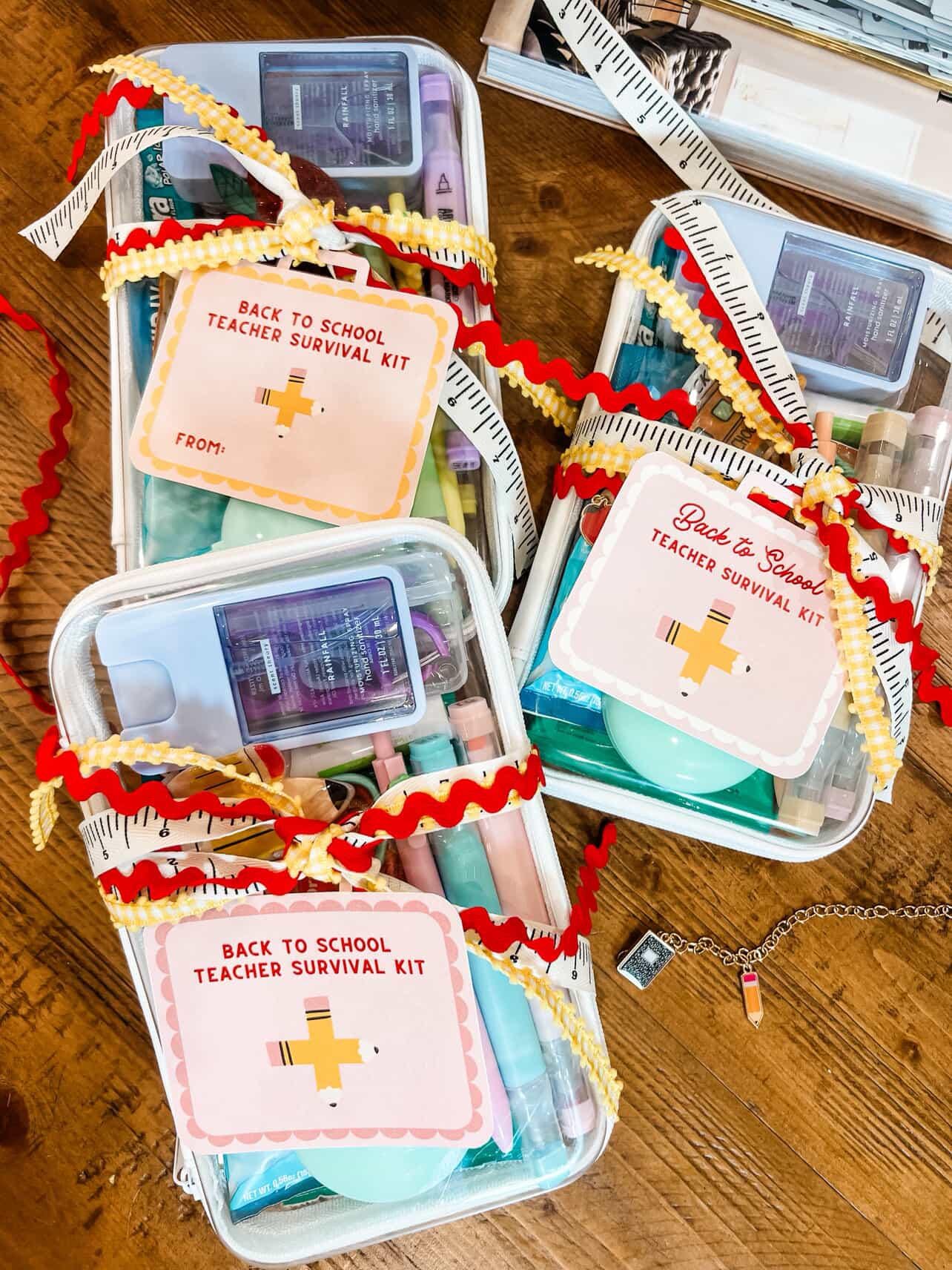
Credit: www.etsy.com

Credit: www.teacherspayteachers.com
Frequently Asked Questions
What Essential Supplies Should Secondary School Art Teachers Have?
Secondary school art teachers need quality brushes, varied paints, sketchbooks, and cutting tools. Having diverse materials supports creativity and lesson variety. Basic safety gear and storage solutions also enhance classroom management and student safety.
How Can Art Teachers Manage Classroom Disruptions Effectively?
Set clear rules, establish routines, and maintain consistent consequences. Use positive reinforcement to encourage good behavior. Engage students with interactive lessons to minimize disruptions and keep attention focused on art projects.
What Are Effective Ways To Inspire Creativity In Students?
Encourage experimentation, provide diverse materials, and showcase various art styles. Offer constructive feedback and celebrate unique ideas. Creating a supportive environment boosts confidence and fosters innovative thinking among secondary school art students.
How Can Art Teachers Integrate Technology In Lessons?
Use digital drawing apps, online galleries, and virtual museum tours. Incorporate multimedia presentations to explain techniques. Technology enriches learning and helps students explore modern art forms effectively.
Conclusion
Teaching art in secondary school can be both fun and challenging. A good survival kit helps you stay organized and calm. Keep tools ready, plan lessons clearly, and encourage creativity. Stay patient with students and celebrate small successes. Remember, your passion inspires young artists every day.
With the right mindset and resources, you can enjoy teaching art fully. Embrace each moment and keep growing as a teacher.