When it comes to survival kits, one question always stands out: What is the best food to include? You want something that lasts long, tastes good, and gives you the energy to keep going.
Choosing the right food can make all the difference when you face an emergency. You’ll discover simple, smart options that fit perfectly into your survival kit. Keep reading to find out how to stay prepared and energized when it matters most.

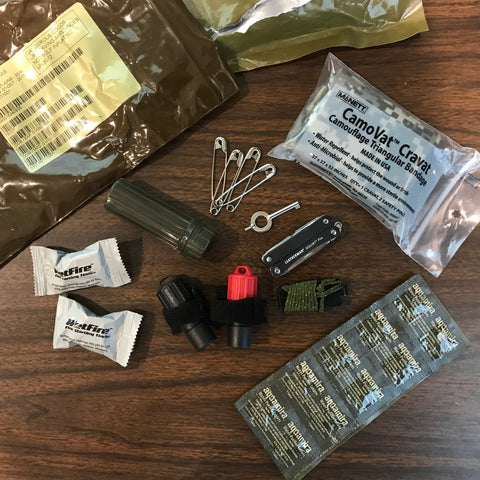
Credit: www.goodhousekeeping.com
Key Features Of Survival Food
Choosing the right food for your survival kit is more than just picking anything that won’t spoil quickly. You need to focus on specific features that ensure the food supports you effectively in tough situations. Understanding these key features helps you prepare better and stay nourished when it matters most.
Long Shelf Life
Survival food must last a long time without losing quality or safety. You don’t want to open your kit only to find expired or spoiled items. Foods like freeze-dried meals, canned beans, and dehydrated fruits often have shelf lives of several years.
Think about how often you check your supplies. Would you feel confident if your food was still good after a year or more? This longevity means you can store your kit with peace of mind.
Nutritional Value
Calories alone won’t keep you going; you need balanced nutrition. Look for foods rich in proteins, fats, and carbohydrates, plus essential vitamins and minerals. Items such as nuts, energy bars, and powdered milk offer good nutrition in small packages.
Have you ever felt drained despite eating? That’s a sign your food isn’t giving enough nutrients. Your survival food should help maintain energy, muscle strength, and overall health.
Compact And Lightweight
Space and weight are critical when packing your kit. Bulky or heavy food can slow you down or take up room needed for other essentials. Freeze-dried meals and vacuum-sealed snacks pack a lot of nutrition into little space.
Imagine carrying your kit over long distances. Would you prefer heavy cans or lightweight pouches? Compact food makes it easier to carry what you need without unnecessary burden.
Ease Of Preparation
When you’re in an emergency, simplicity counts. You might not have access to a stove or clean water. Foods that require minimal or no preparation, like ready-to-eat jerky or energy bars, are invaluable.
Have you struggled to cook in difficult conditions? Choosing food that just needs water or can be eaten straight from the package saves time and energy when you can least afford to waste it.

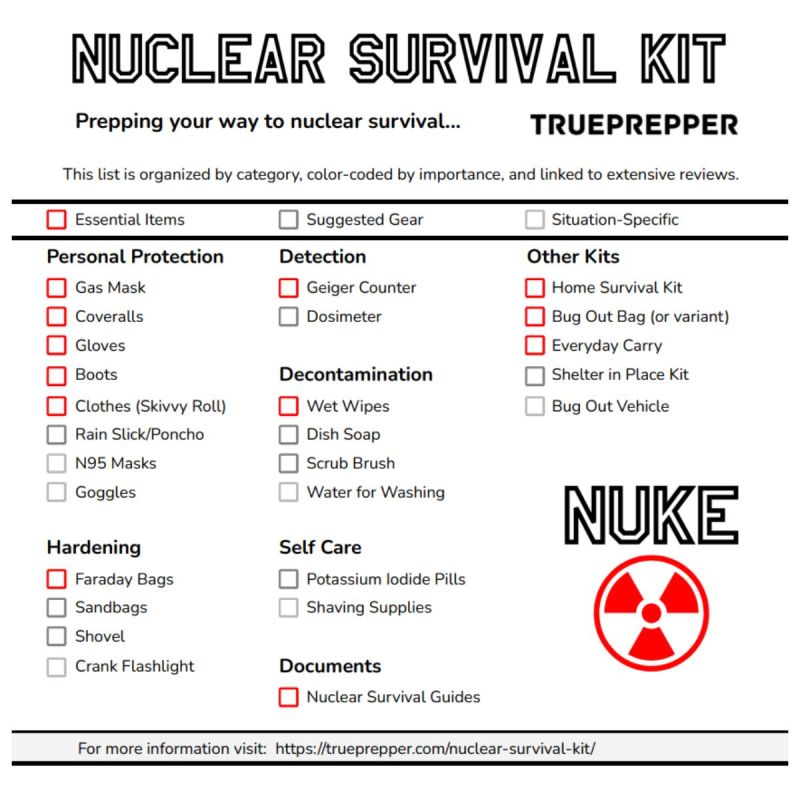
Credit: trueprepper.com
Types Of Survival Foods
Choosing the right types of survival foods can make a big difference when you’re preparing your kit. Each type offers unique benefits, whether it’s long shelf life, ease of preparation, or nutritional value. Understanding these options helps you build a balanced and reliable food supply for emergencies.
Canned Goods
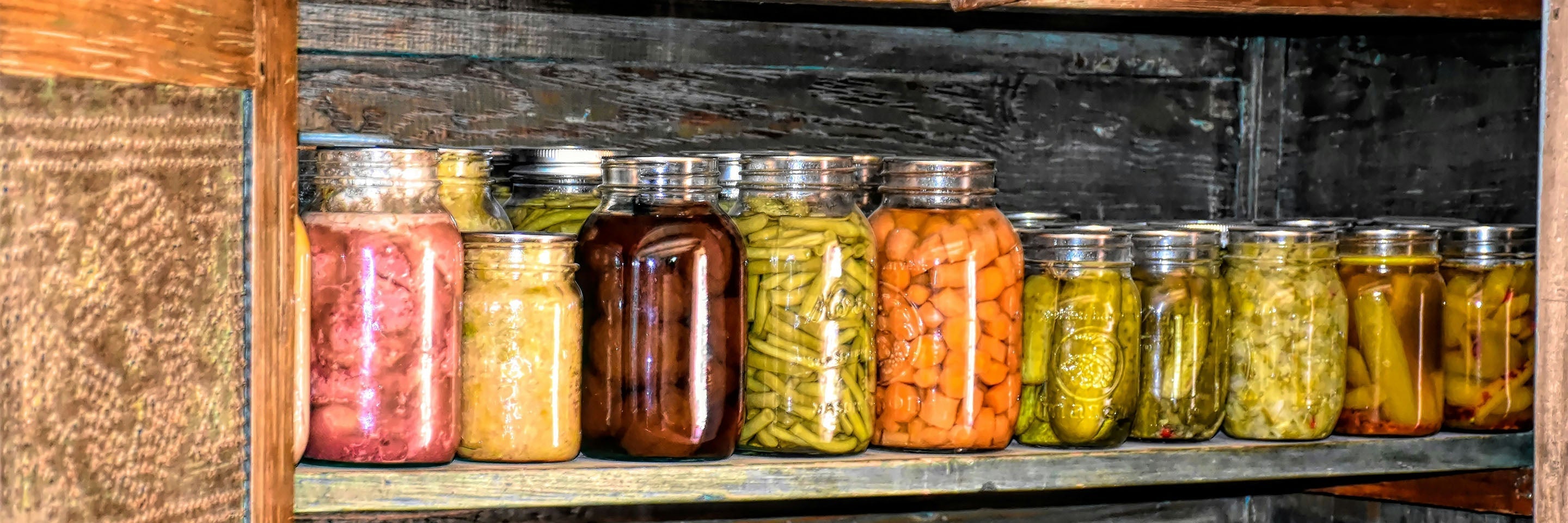
Canned foods are a staple in many survival kits because they last for years and don’t require refrigeration. They come in a wide variety, including vegetables, beans, meats, and soups. You can open and eat them immediately, but keep in mind they add weight and can be bulky to carry.
Freeze-dried Meals
Freeze-dried meals are lightweight and have an impressive shelf life, often lasting 25 years or more. They only need water to rehydrate, which makes them convenient for survival situations. Many outdoor enthusiasts rely on these for quick, nutritious meals that don’t compromise taste.
Dehydrated Foods
Dehydrated foods lose moisture to prevent spoilage but retain most nutrients and flavors. These foods require water to rehydrate but are generally lighter than canned goods. You can find dehydrated fruits, vegetables, and even complete meals that fit well in compact survival kits.
Ready-to-eat Meals
Ready-to-eat meals (MREs) are complete, pre-packaged foods designed for immediate consumption without preparation. They are popular in military and emergency scenarios for their convenience. Although sometimes high in calories and salt, they provide essential energy when you need it most.
Energy Bars And Snacks
Energy bars and snacks offer quick bursts of energy and are easy to carry. Look for options with a good balance of protein, fats, and carbohydrates to keep you fueled. They’re perfect for short-term hunger and can serve as excellent supplements to more substantial survival foods.
Top Brands For Survival Kits
Choosing the right brand for survival kit food is crucial. Quality and taste matter during emergencies. Trusted brands offer reliable, long-lasting meals. They focus on nutrition and ease of preparation. Here are some top brands known for survival kit foods.
Mountain House
Mountain House is a popular brand for survival meals. Their food is freeze-dried, lightweight, and easy to store. Meals taste good even after long storage. They offer a wide variety of options. From breakfast to dinner, choices suit many tastes.
Wise Company
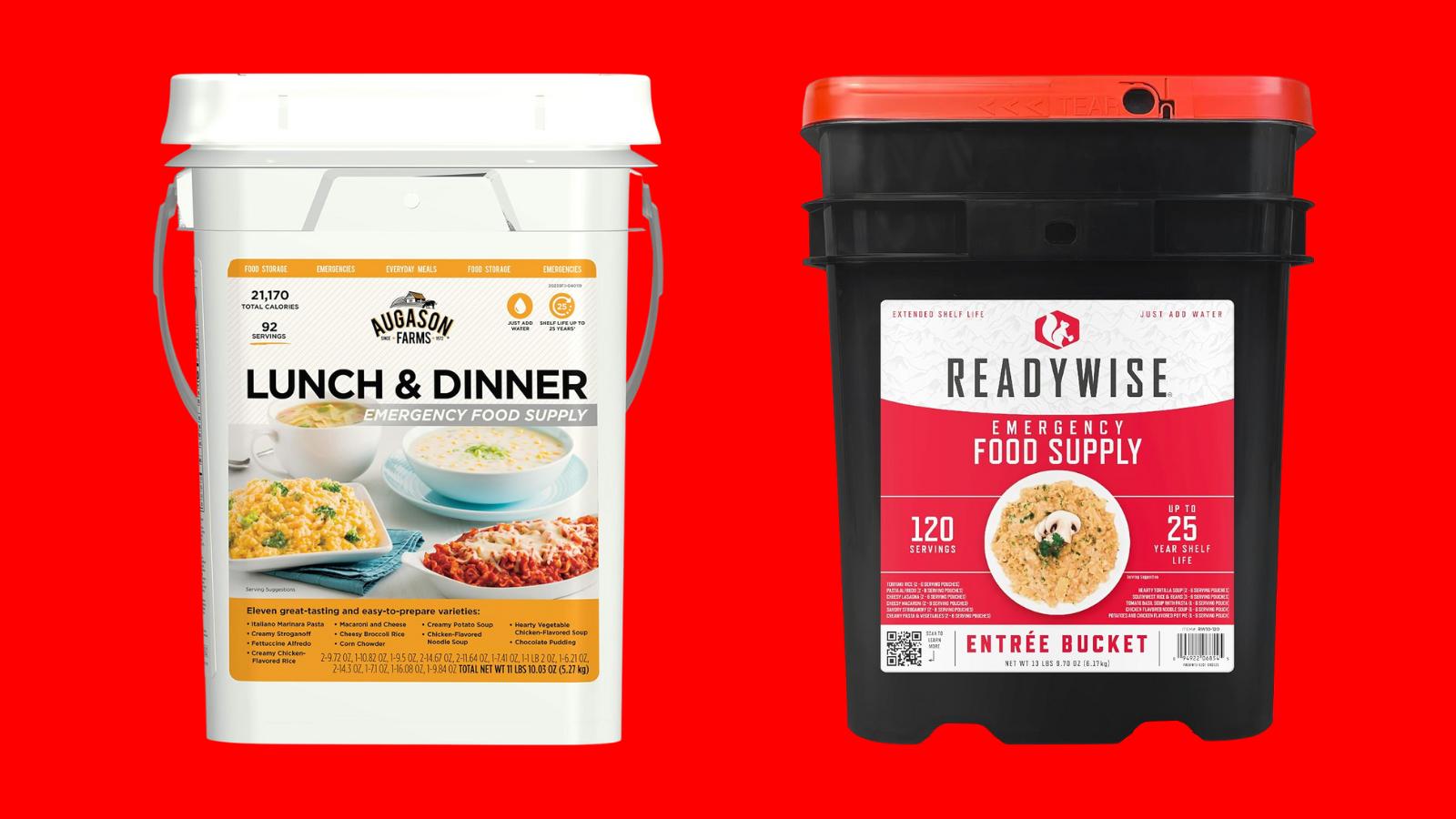
Wise Company provides affordable and nutritious emergency food. Their meals have a long shelf life. Packaging is designed for easy storage and transport. They include gluten-free and vegetarian options. Wise Company balances cost and quality well.
Augason Farms
Augason Farms specializes in bulk survival food kits. Their products include grains, fruits, and vegetables. They focus on providing balanced nutrition. Many products come in easy-to-open containers. Augason Farms is known for variety and value.
Emergency Essentials
Emergency Essentials offers a wide range of survival foods. Their meals are simple to prepare with just water. The brand focuses on taste and nutritional content. Packaging ensures long shelf life and durability. Emergency Essentials suits those who want reliable food storage.
Homemade Vs. Store-bought Options
Choosing between homemade and store-bought food for your survival kit is more than just a preference—it’s about understanding what fits your lifestyle, needs, and emergency scenarios best. Both options offer unique benefits and challenges that can impact your preparedness. Let’s break down these choices to help you decide what suits your survival strategy.
Pros And Cons Of Homemade
Making your own survival food gives you full control over ingredients and portion sizes. You can tailor meals to your dietary needs or preferences, ensuring freshness and avoiding preservatives.
However, homemade options often require more time and effort to prepare. They may lack the long shelf life of commercial products unless properly dehydrated or canned. Have you considered how much time you can realistically dedicate to preparing and rotating your kit?
- Pros:Custom ingredients, control over nutrition, no preservatives
- Cons:Time-consuming, shorter shelf life, requires knowledge of preservation techniques
Advantages Of Store-bought
Store-bought survival foods are convenient and ready to use. They are designed to last for years, which means less frequent replacement and less worry about spoilage.
These products often come in lightweight, compact packaging, making them easy to carry. On the downside, they can contain preservatives and additives, which might not suit everyone’s health needs.
- Long shelf life with minimal maintenance
- Portion-controlled packaging for easy use
- Less preparation required, ideal for quick deployment
- May include preservatives or allergens to watch out for
How To Store Survival Food
Storing survival food properly is just as important as choosing the right items for your kit. Without correct storage, even the best food can spoil or lose its nutritional value. You want your supplies to be ready and safe whenever you need them, so let’s look at how to keep your survival food in top shape.
Temperature Control
Temperature plays a huge role in food preservation. Cool, dry places work best to slow down spoilage and prevent mold growth.
Avoid storing survival food in places that get hot, like near heaters or in direct sunlight. I once kept some canned goods in a warm garage, and within months, the taste and texture changed noticeably.
Ideal storage temperatures range between 50°F and 70°F (10°C to 21°C). If you live somewhere hot, consider a climate-controlled storage box or insulated container.
Containers And Packaging
Choosing the right containers can extend your food’s shelf life. Airtight containers protect against moisture, pests, and oxygen damage.
My personal favorite is using food-grade buckets with gamma seal lids—they’re easy to open and close while keeping air out. Vacuum-sealed bags and Mylar bags with oxygen absorbers also work wonders for dried goods.
Label containers clearly with the contents and packing date. This saves time and prevents confusion during an emergency.
Rotation And Inventory
Keeping an updated inventory helps you use food before it expires. Rotate your supplies regularly by placing newer items behind older ones.
Set reminders to check your stock every few months. I keep a simple spreadsheet listing expiration dates, which helps me plan meals and replacements efficiently.
Ask yourself: What good is having survival food if you don’t know when it goes bad? Staying on top of rotation means your kit is always ready to support you.
Credit: mountainhouse.com
Special Dietary Needs
Meeting special dietary needs in your survival kit can make a big difference in emergency situations. You want to ensure that every meal supports your health and energy without causing discomfort or allergic reactions. Planning ahead means you’ll be ready no matter your dietary restrictions.
Gluten-free Options
Finding gluten-free foods that last long and taste good can be challenging, but it’s essential if you or someone you care for has celiac disease or gluten sensitivity. Pack items like rice cakes, gluten-free granola bars, and canned beans. Don’t forget gluten-free instant oatmeal or quinoa, which provide quick, nutritious meals.
Think about how many gluten-free snacks you already enjoy daily—those can often double as survival food. Have you tested these foods for shelf life and taste after storage? It’s better to know now than during an emergency.
Vegetarian And Vegan Choices
Vegetarian or vegan diets require thoughtful protein sources and energy-dense foods that don’t spoil easily. Nuts, seeds, dried fruits, and legumes are excellent staples. Look for freeze-dried vegetables and vegan protein bars designed for long shelf life.
Remember, getting enough protein and fat is vital to maintain strength. Have you tried combining different plant-based proteins to keep your meals balanced? This can help avoid fatigue when you need to stay active.
Allergy Considerations
Allergies add a layer of complexity to survival kit food planning. Always avoid common allergens like peanuts, tree nuts, dairy, or shellfish if these affect you. Instead, choose safe alternatives such as sunflower seed butter or coconut-based snacks.
Label your food clearly and keep allergy medications handy alongside your kit. Have you practiced eating your emergency food to ensure no allergic reactions? This practice can save your life when every bite counts.
Planning For Different Scenarios
Planning for different scenarios helps create a survival kit that fits your needs. Each type of emergency requires specific foods. The right choices keep you healthy and energized. Think about how long you might need to rely on your kit. Also, consider the environment you will face. This focus guides your food selection for survival.
Short-term Emergencies
Short-term emergencies last a few days or less. Foods should be easy to prepare and eat. Choose items that need no cooking or water. Examples include:
- Energy bars
- Ready-to-eat canned meats
- Dried fruits and nuts
- Crackers
These foods provide quick energy and last without refrigeration. Keep enough for at least three days.
Long-term Survival
Long-term survival requires food that stores well and offers balanced nutrition. Focus on foods with a long shelf life. Consider including:
- Rice and dried beans
- Powdered milk and eggs
- Freeze-dried vegetables
- Dehydrated soups and meals
These foods need water and some cooking. Stock up on fuel for cooking too. Rotate supplies to keep them fresh.
Natural Disasters
Natural disasters can disrupt power and water supplies. Choose foods that require minimal preparation. Good options include:
- Canned vegetables and fruits
- Peanut butter
- Granola bars
- Bottled water
Pack a manual can opener and utensils. This ensures you can eat even if utilities fail.
Frequently Asked Questions
What Foods Last Longest In Survival Kits?
Freeze-dried and dehydrated foods last the longest in survival kits. They retain nutrients and require minimal storage space. Canned goods with sealed lids also preserve well. These options provide essential calories and vitamins during emergencies.
Which Food Provides The Best Energy For Survival?
High-calorie foods like nuts, peanut butter, and energy bars offer quick, sustained energy. They are lightweight and easy to store. Complex carbs like oats also help maintain energy levels over time.
Are Canned Foods Good For Survival Kits?
Yes, canned foods are excellent for survival kits. They have a long shelf life and retain nutrients. Canned vegetables, beans, and meats provide variety and essential nutrients during emergencies.
How Important Are Vitamins In Survival Food?
Vitamins are crucial to prevent deficiencies during emergencies. Foods rich in vitamins A, C, and E boost immunity and overall health. Including dried fruits and fortified foods ensures balanced nutrition.
Conclusion
Choosing the right food for survival kits helps you stay safe and strong. Pick items that last long and give good energy. Think about foods that are easy to carry and prepare. Don’t forget water and ways to clean it.
Always check expiration dates before packing your kit. Prepare your kit with care and keep it ready. Being ready means you can face emergencies with confidence. Small steps now make a big difference later. Stay safe by choosing smart, simple survival foods.