Have you ever wondered if matches still have a place in your survival kit? When every second counts, relying on the right tools can make all the difference.
Matches seem simple, but are they outdated or still essential when you’re facing the wild? You’ll discover surprising facts about matches and whether you should keep them close or look for better alternatives. Keep reading to find out how to make your survival kit smarter and more reliable.
Credit: www.buzzfeed.com
The Role Of Fire In Survival
Fire has been a vital tool for human survival throughout history. It provides warmth, cooks food, purifies water, and offers protection from wild animals. In survival situations, the ability to create and maintain fire can be the difference between life and death.
Think about your last outdoor adventure. Did you rely on fire to stay comfortable or safe? Fire’s role extends beyond just heating; it can boost morale and signal for help when you’re lost.
The Importance Of Fire For Warmth And Cooking
Cold nights can quickly drain your energy and lower your body temperature. Fire helps you stay warm and prevents hypothermia. It also allows you to cook food, making it safer to eat and easier to digest.
Without fire, you might struggle to prepare meals or even boil water to kill harmful bacteria. Imagine being stuck with raw food or cold water in a survival scenario—your health would deteriorate fast.
Fire As A Tool For Water Purification And Safety
Water is essential, but natural sources often contain dangerous microbes. Boiling water over a fire kills these pathogens, making it safe to drink.
In emergencies, you can’t afford to get sick from contaminated water. Fire becomes your best ally to keep water clean and reduce health risks.
Signal And Protection Benefits Of Fire
Fire produces smoke and light, which can serve as signals to rescuers. If you’re lost, a fire can catch attention from a distance, increasing your chances of being found.
Moreover, fire deters wild animals, giving you a sense of security. It’s a simple but effective way to protect yourself in unfamiliar environments.
Why Matches Still Matter In Survival Kits
Even with modern fire starters, matches remain a reliable and easy option. They are lightweight, inexpensive, and familiar to most people.
Matches work well in many conditions and don’t require special skills. If your fire starter fails or runs out, having matches as a backup can save you.
Challenges And Limitations Of Using Matches
Matches can get wet or break, which makes them unreliable in some situations. Windy or rainy conditions can quickly extinguish the flame before you start a fire.
That’s why you should store matches in waterproof containers and carry multiple fire-starting options. Relying on just matches might leave you stranded when you need fire most.
Traditional Fire-making Methods
Fire has been essential for human survival, providing warmth, cooking, and protection. Traditional fire-making methods have evolved over centuries, long before matches were invented. Understanding these techniques can help you decide if matches are truly necessary in your survival kit.
History Of Matches
The first friction matches appeared in the early 19th century, changing how people made fire. Before that, humans relied on rubbing sticks, flint and steel, or burning embers to start fires.
Matches made fire-starting faster and more convenient, but they were not always reliable. Early matches could be dangerous, as they easily ignited unintentionally or failed in wet conditions.
Despite improvements, matches remain a relatively recent invention in the long story of fire-making.
Limitations Of Matches
Matches are small and easy to carry, but they have several drawbacks that can affect your survival situation. They are vulnerable to moisture, and once wet, they often become useless.
Matches also rely on a chemical reaction that may fail if the striking surface is damaged or if the match head is old. This means you could be left without a way to start a fire when you need it most.
Have you ever tried lighting a match in heavy rain or after it got damp? It can be frustrating and dangerous if you depend on them exclusively.
Traditional fire-making methods, such as using a ferrocerium rod or friction-based techniques, offer more reliability. They work even when wet and can be used repeatedly without concern for expiration dates.
Modern Fire-starting Tools
Modern fire-starting tools have changed how people prepare for survival. They offer faster and more reliable ways to create fire. These tools work well in different weather conditions. They last longer than traditional matches and are easier to carry. Fire is crucial for warmth, cooking, and safety. Choosing the right tool can improve survival chances.
Lighters And Their Advantages
Lighters are compact and easy to use. They provide a quick flame without extra effort. Most lighters work well in dry and windy conditions. They are refillable, which makes them cost-effective over time. Some models are windproof or waterproof for tough environments. Lighters require less skill than striking a match or using a ferro rod. They also ignite materials instantly, saving precious time.
Fire Starters And Ferro Rods
Fire starters and ferro rods are essential in survival kits. Ferro rods create sparks by scraping metal against them. Sparks reach high temperatures to ignite tinder easily. These tools work well even when wet. Fire starters may include wax, tinder cubes, or magnesium blocks. They help sustain a flame longer for building a fire. Ferro rods are durable and can last for thousands of strikes. They do not rely on fuel, making them a reliable backup choice.

Credit: www.youtube.com
Matches Vs. Modern Tools
Survival kits have evolved with new fire-starting tools competing against traditional matches. Both matches and modern tools serve the same basic need: starting a fire. Understanding their strengths helps in choosing the right option for survival situations.
Durability And Reliability
Matches are simple and lightweight but can break easily. They lose effectiveness if exposed to moisture or rough handling. Modern tools like ferro rods and lighters are built to last longer. They often come with protective cases to shield them from damage. Ferro rods can create sparks for thousands of strikes. Lighters provide instant flame without the risk of breaking.
Weather Conditions And Usability
Matches struggle in windy or wet weather. Damp matches won’t ignite, making them unreliable in rain or snow. Modern tools perform better in harsh conditions. Ferro rods work well even when wet, as sparks ignite dry tinder. Windproof lighters keep flame steady in breezy environments. Some tools require practice but offer consistent fire-starting power.
Essential Fire-making Skills
Mastering essential fire-making skills is crucial for anyone serious about survival. Matches might seem convenient, but relying solely on them can leave you stranded if they get wet or run out. Understanding how to build a fire under various conditions and choosing the right materials can make a real difference in your ability to stay warm, cook food, and signal for help.
Building A Fire In Wet Conditions
Wet weather can turn fire-building into a frustrating challenge. Start by collecting wood that’s sheltered from rain, such as branches tucked under dense trees or logs resting above the ground. If the wood is damp, peel back the wet outer bark to reveal drier layers underneath.
Arrange your firewood in a teepee or lean-to structure to allow airflow and protect the flame from wind and rain. Use small dry sticks or feather sticks—thin, curled shavings made from dry wood—to get the fire going. Don’t forget to create a dry base using rocks or a platform of larger sticks to keep your fire off the wet ground.
Selecting The Right Tinder
Tinder is the heart of any fire; it needs to catch a spark quickly and burn long enough to ignite your kindling. Look for natural materials like dry grass, pine needles, birch bark, or even lint from your clothes. Avoid green leaves or damp materials—they smother flames instead of feeding them.
Carrying commercial tinder products like cotton balls soaked in petroleum jelly can be a lifesaver. These burn for a long time and are easy to light even in less-than-ideal conditions. Have you ever tried burning dryer lint or shredded cardboard? These common household items can surprise you with their effectiveness.
Fire Safety In Survival Situations
Fire safety in survival situations is crucial. A small flame can quickly become a dangerous blaze if not handled properly. Knowing how to create and manage fire safely can protect you, your gear, and the environment around you.
When you rely on fire for warmth, cooking, or signaling, it’s important to control it carefully. Have you ever thought about how your fire-starting tools affect your safety? Matches may seem simple, but their use demands caution and respect for the surroundings.
Understanding Fire Risks With Matches
Matches are easy to use but can be unpredictable in windy or wet conditions. A single spark can cause wildfires if you are in a dry area. Always clear the ground around your fire site and keep water or dirt nearby to put out flames quickly.
Handling matches means planning ahead. Strike them away from your body and never drop used matches on dry grass. Your awareness and actions can prevent accidents that turn survival into disaster.
Safe Fire Starting Techniques
Using matches safely involves more than just striking a match. Prepare your fire site by gathering dry tinder, kindling, and fuel wood before lighting anything. This preparation reduces the time your fire stays uncontrolled and helps it burn efficiently.
Keep your fire small and manageable. Large fires can spread fast and are harder to extinguish. Think about how you would put out your fire before you even start it.
Alternatives To Matches And Their Safety Profiles
Some people question whether matches are obsolete because of modern fire-starting tools like lighters and ferro rods. These alternatives can be safer since they offer more control and are often reusable.
However, every tool has risks. Lighters can fail in cold weather, and ferro rods require skill to use properly. Understanding the strengths and weaknesses of each option helps you choose what fits your survival style best.
Fire Extinguishing And Cleanup
Knowing how to put out your fire completely is as important as lighting it. Pour water over the fire, stir the ashes, and pour more water until everything is cold to the touch. If water isn’t available, use dirt or sand to smother the fire.
Leaving no trace protects nature and ensures your safety if you need to return to the area. Always ask yourself: Have I done everything to ensure this fire won’t reignite?
Packing A Survival Kit
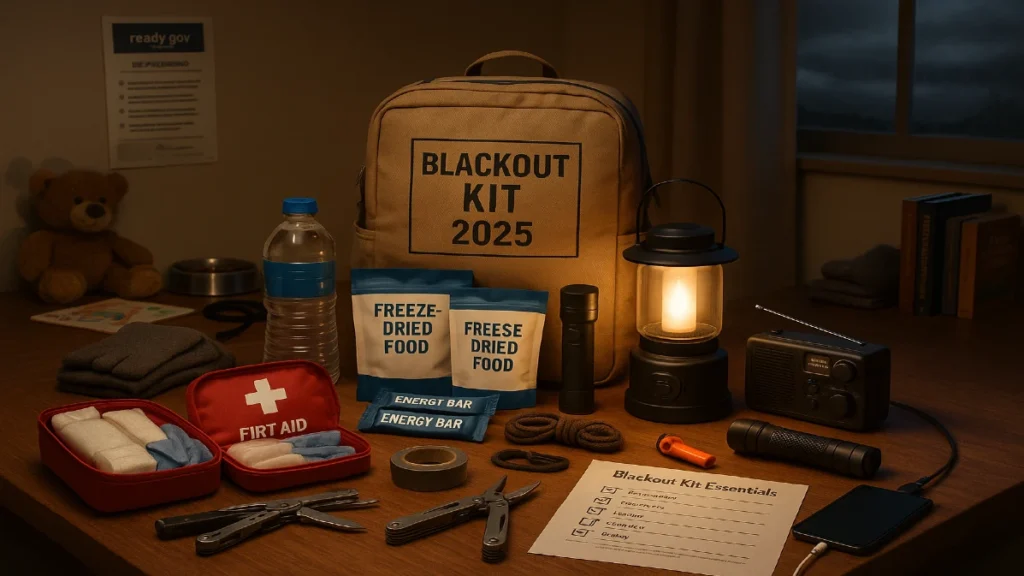
Packing a survival kit requires careful thought about tools and supplies. Every item should serve a clear purpose. Fire-making tools are essential for warmth, cooking, and signaling. Choosing the right fire starters can impact your chances in an emergency. It is important to balance traditional and modern options to prepare for different situations.
Balancing Traditional And Modern Tools
Traditional tools like matches offer simplicity and ease of use. They work well in dry conditions and are lightweight. Modern tools such as ferro rods or lighters last longer and resist moisture. Combining both types covers more scenarios. For example, carry waterproof matches alongside a ferro rod. This way, you have backups if one fails. Choose tools that suit your environment and skill level.
Must-have Items For Fire-making
- Waterproof matches for quick and easy lighting
- Ferrocerium rod for reliable sparks even when wet
- A small lighter as a compact, reusable option
- Tinder such as cotton balls or dry bark for catching sparks
- Firestarter cubes for extended burn time and ease
Each item plays a role in fire creation. Waterproof matches ignite fast. Ferro rods last thousands of strikes. Lighters offer convenience but may run out of fuel. Tinder helps catch small sparks into flames. Firestarter cubes keep the fire going longer. Carrying a mix ensures readiness for different conditions.
Credit: stormreadyhome.com
Frequently Asked Questions
Are Matches Still Useful In Survival Kits?
Matches remain useful for starting fires quickly. They are lightweight, easy to use, and reliable if kept dry. However, they can fail in wet conditions, so combining them with other fire-starting tools is wise.
What Alternatives To Matches Work In Survival Kits?
Alternatives include lighters, ferro rods, and fire steels. These tools are more durable and weather-resistant. They provide reliable fire-starting options when matches get wet or fail, enhancing overall survival preparedness.
How To Keep Matches Dry In Survival Kits?
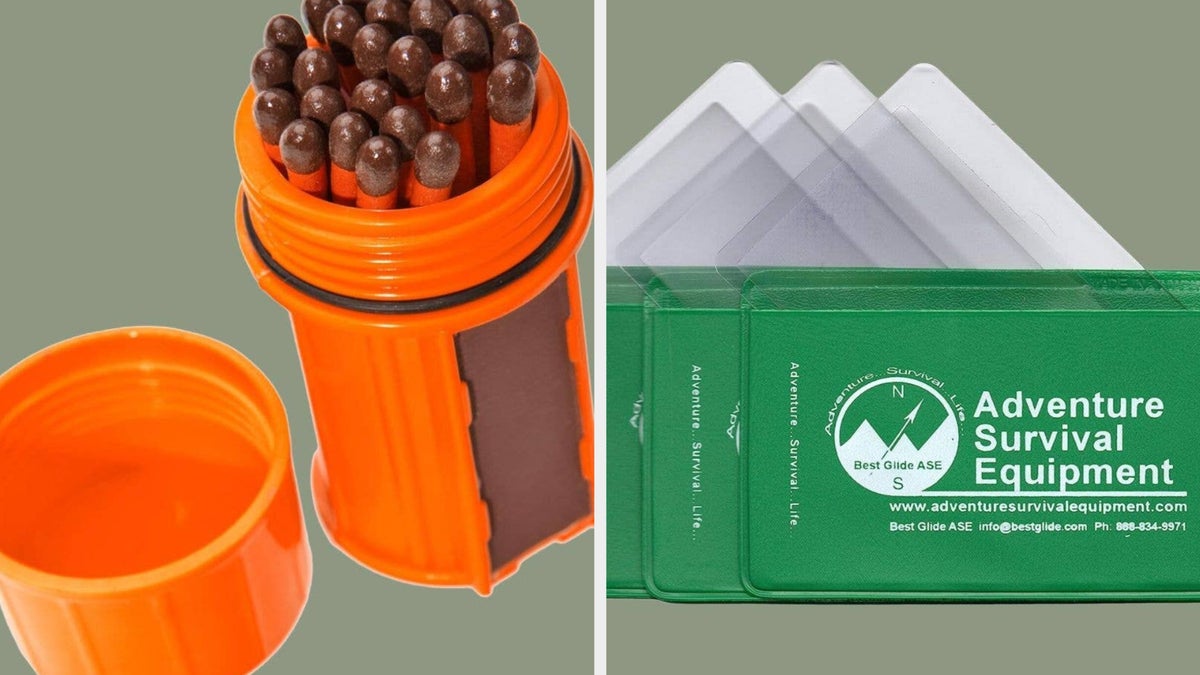
Store matches in waterproof containers or sealed plastic bags. Use waterproof matchboxes or wrap them in wax paper. Keeping them dry ensures matches ignite easily when needed, improving fire-starting success in survival situations.
Do Matches Expire Or Lose Effectiveness?
Matches can lose effectiveness over time, especially if exposed to moisture. Waterproof or stormproof matches last longer. Regularly check and replace matches in your survival kit to ensure reliability.
Conclusion
Matches still hold value in survival kits despite new fire tools. They are cheap, light, and easy to use. Wind and water can ruin matches, but careful storage helps. Carrying a few matches alongside other fire starters is wise. Fire is vital for warmth, cooking, and signaling in emergencies.
Don’t rely on one method alone. Keep matches as a simple backup in your kit. Safety and preparation come first in any survival situation.