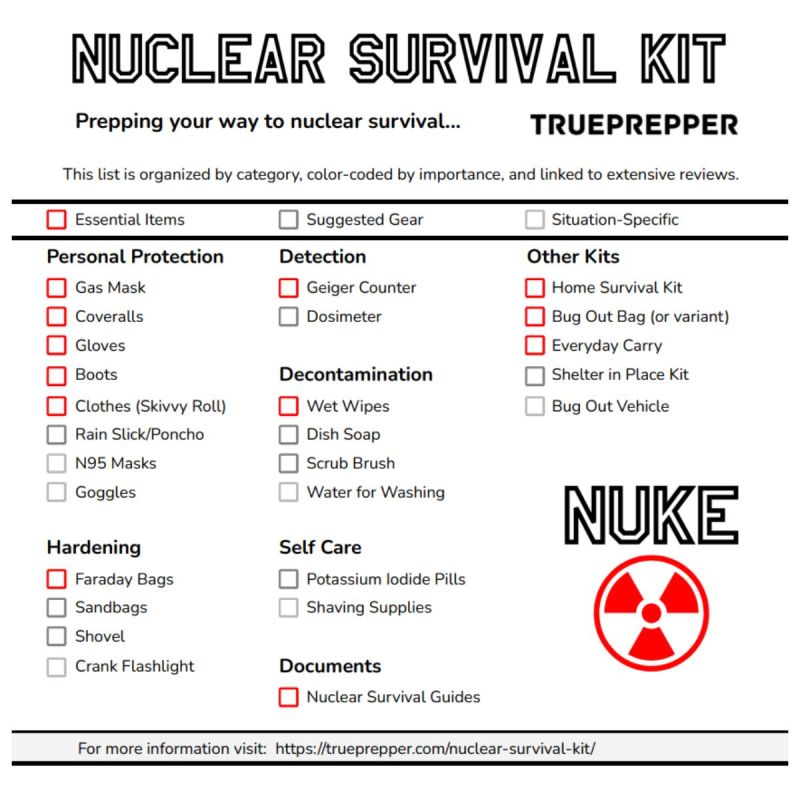
Have you ever wondered how Kite managed to survive the terrifying events of Japan Sinks? The story is full of tension, quick decisions, and moments that keep you on the edge of your seat.
If you want to know what made Kite different and how survival was even possible in such a disaster, this article will reveal all the key details. Keep reading, because your understanding of survival might just change forever.
The Origins Of Kite
The story of Kite’s survival in Japan Sinksbegins with understanding his origins. Knowing where Kite came from helps you appreciate the unique traits that made him resilient in the face of disaster. His background is not just a detail—it’s a key to unraveling how he managed to stay alive.
The Early Life Of Kite
Kite was raised in a tough environment that demanded strength and quick thinking. From a young age, he faced challenges that forced him to adapt rapidly. This early exposure shaped his survival instincts and mental toughness.
Imagine growing up in a place where every day tests your limits. This is exactly what Kite experienced, and it honed his ability to stay calm under pressure. How often do you pause to consider how your past prepares you for unexpected situations?
Family Influence And Skills Passed Down
Kite’s family played a crucial role in his survival skills. They taught him practical lessons like finding food, reading the environment, and staying alert. These skills became second nature to him.
- Learning to read weather changes early on
- Understanding natural signs for safety and danger
- Building mental resilience through family support
These teachings weren’t just stories; they were survival tools. If you think about your own family, what practical skills have you inherited that might help you in a crisis?
The Role Of Environment In Shaping Kite
The environment where Kite grew up was unpredictable and harsh. This constant challenge pushed him to develop flexibility and problem-solving skills. The natural setting was both a teacher and a test.
Being exposed to such an environment means you learn to expect the unexpected. Kite’s ability to quickly assess risks and act decisively came from living in a place where nature could change on a dime.
| Environmental Factor | Impact on Kite |
|---|---|
| Frequent natural disasters | Enhanced alertness and quick decision making |
| Varied landscapes | Improved adaptability to new situations |
| Limited resources | Developed resourcefulness and creativity |
Does your environment push you to become better, or does it hold you back? Kite’s story shows the power of facing challenges head-on to build strength.
Japan Sinks: A Brief Synopsis
The story of Japan Sinksis a gripping tale of survival amidst catastrophic disaster. It presents a vivid picture of a nation facing total collapse due to massive seismic activity. Understanding the basic plot helps you grasp how characters like Kite find ways to endure when everything falls apart.
Overview Of The Disaster
The plot centers on Japan experiencing unprecedented earthquakes and volcanic eruptions. These natural disasters cause the landmass to sink gradually into the ocean. The calamity forces people to confront the loss of their homes, communities, and future.
Main Characters And Their Roles
The story follows a few key individuals, including Kite, whose experiences highlight human resilience. Kite’s journey through chaos and uncertainty shows how determination and quick thinking can save lives. Each character represents different responses to crisis, offering you insights into survival strategies.
Key Themes Explored
- Human endurance in the face of overwhelming odds
- The fragility of civilization and nature’s power
- The importance of hope and solidarity during disaster
These themes invite you to reflect on what matters most when your world changes suddenly. How would you react if your environment became hostile overnight?
Setting And Timeline
The events unfold across multiple locations in Japan, giving a broad view of the disaster’s impact. The timeline spans from the first tremors to the eventual sinking, tracking the unfolding crisis in real-time. This pace keeps you engaged and heightens the urgency of the characters’ decisions.
Kite’s Role In The Crisis
The role of Kite during the Japan Sinks crisis was pivotal. Amid chaos and uncertainty, Kite stepped forward, influencing outcomes with calm and clear-headed actions. Understanding Kite’s role helps you grasp how leadership and strategy can change the course of disaster.
Emergence As A Leader
Kite didn’t just respond to the crisis; he became a beacon for others. His ability to stay calm under pressure gave people confidence when fear was widespread. By listening carefully and communicating clearly, Kite naturally earned respect and trust.
His leadership was not about commanding but about guiding. Kite showed that leadership is about helping others find their strengths, even in the darkest moments. Have you ever noticed how some people draw others in simply by staying composed?
Strategic Decisions
Kite’s decisions were practical and focused on survival. He prioritized resources, ensuring food and water were shared fairly. His strategies included:
- Organizing safe zones away from flooding and debris
- Setting up communication lines to keep everyone informed
- Planning evacuation routes based on real-time information
These actions weren’t random; they were based on keen observation and quick thinking. Kite’s choices show how you can turn limited options into clear plans. What small decisions could you make today to prepare better for unexpected challenges?
Credit: japan-sinks-2020.fandom.com
Survival Tactics
Surviving the catastrophic events in Japan Sinksrequired sharp survival tactics. Kite’s ability to stay alive wasn’t about luck—it was about smart decisions and calm actions. Understanding how he managed his resources and navigated through natural disasters reveals practical lessons for anyone facing unexpected crises.
Resource Management
Kite knew every item he carried could mean the difference between life and death. He prioritized essentials like water, food, and shelter materials, making sure nothing was wasted.
Instead of hoarding everything, he rationed supplies carefully. This meant eating just enough to keep going and saving water for when it was truly scarce.
He also reused and repurposed items—turning clothing into bandages or containers into storage. This kind of thinking kept his resources lasting longer than expected.
- Always assess what you have before grabbing more.
- Think twice about using anything that can be saved.
- Look around for natural resources that can supplement what you carry.
Navigating Natural Disasters
When the earth shook and waters rose, Kite stayed alert and moved carefully. He understood the dangers of aftershocks and floods, avoiding unstable ground and rushing water.
His quick decisions to seek higher ground or find sturdy shelter saved him from the worst of the chaos. He didn’t wait for help but used his knowledge of the environment to stay safe.
Have you ever thought about where you would go if a natural disaster struck your area? Planning escape routes and safe spots ahead of time can be life-saving.
- Stay calm and observe your surroundings closely.
- Move to higher ground when flooding is a risk.
- Avoid damaged buildings and unstable terrain.
Allies And Adversaries
In the story of Japan Sinks, Kite’s survival depended heavily on the people around him. Allies and adversaries shaped his journey, influencing his chances of staying alive. Understanding these relationships reveals how Kite managed to navigate a world filled with uncertainty and danger.
Building Alliances
Kite found strength by forming bonds with trustworthy people. These alliances provided support and protection. Friends shared resources and information that helped Kite stay safe. Cooperation became a key tool against the challenges of the sinking world.
- Sharing knowledge about safe zones
- Helping each other with supplies
- Working together to solve problems
- Offering emotional support during crises
These alliances were not easy to build. Trust took time but paid off by increasing Kite’s chances of survival.
Overcoming Hostilities
Not everyone welcomed Kite’s presence. Some people saw him as a threat or rival. Conflicts arose over scarce resources and safety. Kite had to face hostility with courage and smart decisions.
- Defusing conflicts through calm communication
- Standing firm without provoking violence
- Knowing when to walk away from danger
- Using clever tactics to avoid harm
Facing adversaries taught Kite valuable lessons. He learned how to protect himself while minimizing risks. These experiences shaped his resilience in a hostile world.
Cultural And Emotional Resilience
The story of Kite in Japan Sinksis not just about survival against physical odds; it’s a deep dive into cultural and emotional resilience. This resilience shapes how characters face devastation and rebuild their lives. Understanding this side offers you valuable lessons on handling adversity with strength and grace.
Coping With Loss
Losing everything can feel like losing yourself. Kite’s journey shows you that acknowledging grief is the first step to healing. Instead of pushing away pain, Kite faces it head-on, giving emotions space to breathe.
You might wonder how to balance sorrow with moving forward. Kite’s example reveals small acts that help: sharing memories, leaning on community, and finding moments of calm amid chaos. These actions prevent loss from becoming overwhelming.
Think about your own losses. What simple rituals or connections could you create to help process your feelings? Kite’s story suggests that coping doesn’t erase pain but transforms it into a source of inner strength.
Maintaining Hope
Hope isn’t just wishful thinking; it’s a deliberate choice. Kite’s resilience shines through in holding onto hope when everything seems lost. This hope fuels action and keeps despair at bay.
Notice how Kite finds hope in everyday details— a kind word, a sunrise, or a shared meal. These moments remind you that hope grows in small places, not just big dreams.
Ask yourself: what are the small sparks of hope you can nurture today? Kite teaches that sustaining hope requires attention and care, much like tending a fragile plant. This mindset helps you stay grounded and ready to rebuild no matter the odds.
The Legacy Of Kite
The legacy of Kite in Japan Sinksgoes far beyond mere survival. Kite’s experience offers a powerful story of resilience and adaptation in the face of disaster. His journey teaches us more than just endurance—it shows how we can prepare and grow stronger through adversity.
Lessons Learned
Kite’s story highlights the importance of staying calm under pressure. Panic only worsens situations, but clear thinking opens paths to safety.
He also demonstrates how valuable teamwork and communication are. No one survives alone, and sharing knowledge can save lives.
- Stay informed: Constantly update yourself on potential dangers.
- Build strong connections: Trust and rely on others.
- Adapt quickly: Be ready to change plans when needed.
Have you thought about how you’d react if faced with a sudden crisis? Kite’s example challenges you to prepare mentally and physically for the unexpected.
Impact On Future Generations
Kite’s survival story inspires new generations to value preparedness and community support. Schools and families now use his experience to teach disaster readiness.
This legacy encourages young people to build skills that matter: problem-solving, empathy, and resilience. These qualities help in any challenge, not just natural disasters.
Communities influenced by Kite’s story have created better safety networks and support systems. This shows how one person’s journey can spark widespread change.
What legacy do you want to leave behind? Kite’s tale reminds us that survival is just the start—how you live afterward shapes the future for everyone.

Credit: tvtropes.org

Credit: japan-sinks-2020.fandom.com
Frequently Asked Questions
How Did Kite Survive The Disaster In Japan Sinks?
Kite survived by staying calm and making smart decisions. He found safe shelter and avoided dangerous areas. His quick thinking and resourcefulness helped him navigate the crisis successfully.
What Actions Did Kite Take During Japan Sinks?
Kite prioritized safety by securing essentials and avoiding panic. He helped others and stayed informed about the disaster. These actions increased his chances of survival amid the chaos.
Why Is Kite’s Survival Story Important?
Kite’s story shows the value of calmness and preparedness in disasters. It teaches readers how smart choices can save lives during emergencies. His experience inspires resilience and hope.
Did Kite Use Any Tools To Survive Japan Sinks?
Yes, Kite used basic survival tools like a flashlight and first aid kit. He also relied on communication devices to stay updated. These tools were crucial for his safety.
Conclusion
Kite’s survival in Japan Sinks shows strength and hope. He faced danger but stayed calm and smart. Quick thinking saved his life many times. Kite’s story teaches us to stay brave. Even in hard times, we can find a way.
His journey reminds us that courage matters most. This tale inspires us to keep going no matter what. A powerful example of human will and spirit.