Imagine facing an unexpected emergency where every second counts. What would you reach for to keep yourself safe and comfortable?
Your survival kit could be the difference between staying calm and feeling overwhelmed. But what exactly should you pack to be truly prepared? You’ll discover the essential items that will help you handle emergencies with confidence. Keep reading, because the right choices today can protect your tomorrow.

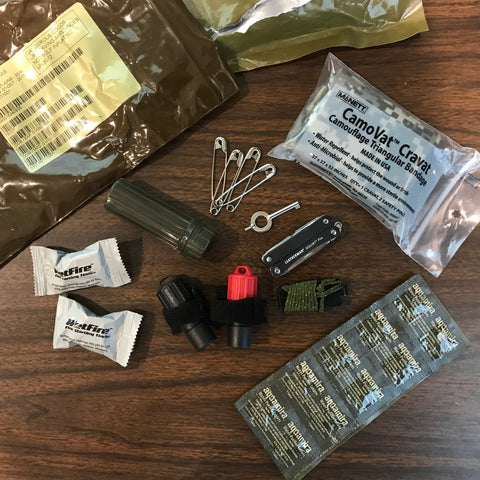
Credit: unchartedsupplyco.com
Choosing The Right Container
Choosing the right container for your survival kit is more important than you might think. It’s not just about holding your gear; it’s about protecting it, keeping it organized, and making it easy to carry when you need it most.
Think about where you’ll keep your kit and how you’ll use it. Will it be in your car, at home, or carried in your backpack? The container you pick should fit your lifestyle and the environment where you’ll rely on your kit.
Durability And Protection
Your survival kit container must be tough enough to handle rough conditions. Look for materials like hard plastic, metal tins, or waterproof cases that can withstand drops, moisture, and dirt.
I once used a flimsy bag that tore after a week on a hiking trip. Since then, I switched to a military-style ammo box. It’s waterproof, crush-resistant, and keeps everything dry and safe. What would happen if your container failed when you needed it most?
Size And Portability
Size matters for convenience and usability. A bulky container might hold more items, but it’s harder to carry. A smaller, compact container encourages you to pack only essentials and makes it easier to grab and go.
Consider a container that fits in your backpack or glove compartment without taking up too much space. You want your survival kit accessible, not a burden. How much weight are you willing to carry when every ounce counts?
Organization Features
Look for containers with compartments, dividers, or mesh pockets. Keeping your items organized saves precious time in an emergency. No one wants to dig through a jumbled mess when every second matters.
- Clear lids or see-through pockets help you spot items quickly.
- Elastic bands or Velcro straps hold smaller items in place.
- Removable trays or inserts let you customize the layout.
Think about how you access your tools and supplies. A well-organized container is a game-changer when you’re under pressure.
Water Purification Essentials
Water is vital for survival. Drinking unsafe water can cause sickness fast. Carrying water purification essentials in your survival kit is smart. It ensures access to clean water anywhere. Choose tools that are easy to use and effective. Two key items to include are portable water filters and purification tablets. These tools help remove dirt, bacteria, and harmful germs from water sources.
Portable Water Filters
Portable water filters are lightweight and easy to carry. They clean water by removing particles and bacteria. Many filters use a small pump or gravity to push water through. They work well with river, lake, or rainwater. Filters remove:
- Dirt and sediment
- Bacteria and protozoa
- Some viruses (depending on the filter type)
Choose filters with a pore size of 0.1 to 0.3 microns for best results. These filters do not use chemicals, so the water tastes natural. They last for many uses but need cleaning after filtering. A good filter can provide safe drinking water for days or weeks.
Water Purification Tablets
Water purification tablets are a compact way to kill germs. They contain chemicals like iodine or chlorine dioxide. These tablets kill bacteria, viruses, and parasites in water. To use, drop the tablet into a water container. Wait the time recommended on the package, usually 30 minutes. After that, the water is safe to drink.
Tablets are light and fit easily in any survival kit. They are useful for emergency situations or short trips. Tablets do not remove dirt or debris, so pre-filter cloudy water first. Carry extra tablets for longer trips or group use.
Food Supplies
Packing the right food supplies in your survival kit can make a huge difference when you’re in an emergency situation. You need food that lasts long, provides enough energy, and is easy to carry. Think about what you can realistically eat when resources are limited and stress is high.
Non-perishable Foods
Non-perishable foods are essential because they don’t spoil quickly and can be stored for months or even years. Canned beans, rice, dried lentils, and freeze-dried meals are excellent choices. These foods give you the calories and nutrients needed to keep your strength up without worrying about refrigeration.
Don’t forget to pack a manual can opener if you include canned goods. It’s a small item that can save you a lot of trouble. Also, consider foods that require minimal preparation, since you might not have access to cooking tools.
Energy Bars And Snacks
Energy bars and snacks are perfect for quick boosts when you need immediate fuel. Look for bars high in protein and fiber to keep you full longer. Choose ones with natural ingredients to avoid artificial additives that could upset your stomach.
Trail mix, nuts, and dried fruit are great snack options that are lightweight and nutrient-dense. Have you ever been caught hungry during a hike or unexpected situation? Having these snacks handy can prevent low energy and keep your mind sharp.
Shelter And Warmth
Keeping yourself protected from the elements is crucial in any survival situation. Shelter and warmth can prevent hypothermia, provide comfort, and boost your morale when times get tough. Knowing what to pack for these essentials can make a significant difference in how you manage unexpected outdoor challenges.
Emergency Blanket
Emergency blankets are a compact, lightweight item that you can’t afford to leave out of your survival kit. Made from reflective materials, they trap your body heat and reflect it back, helping you stay warm even in freezing conditions.
I once found myself caught in an unexpected snowstorm during a hike. Wrapping myself in an emergency blanket prevented a rapid drop in body temperature and kept me alert until help arrived. These blankets also serve multiple purposes—use them as a ground cover, a rain shield, or even a signaling device due to their shiny surface.
Compact Tent Or Tarp
A compact tent or tarp offers reliable shelter against wind, rain, and insects. Unlike bulky tents, these options are lightweight and easy to carry, making them perfect for survival kits. A tarp can be quickly set up using paracord and nearby trees, giving you instant protection from the elements.
Having a tent or tarp saved me from a cold, wet night in the wilderness once. It’s not just about comfort—it’s about creating a safe space that maintains your body temperature and keeps you dry. Think about how you could quickly assemble a shelter with minimal tools and natural resources around you.
First Aid Kit Components
Your survival kit’s first aid components can make a real difference in an emergency. Having the right supplies ready helps you act fast and effectively. It’s not just about bandages; it’s about being prepared for unexpected injuries or illnesses.
Basic Medical Supplies
Start with essentials like adhesive bandages in various sizes to cover small cuts and blisters. Sterile gauze pads and adhesive tape are crucial for dressing larger wounds and stopping bleeding. Don’t forget a pair of tweezers to remove splinters or debris safely.
A pair of scissors is handy for cutting tape or clothing if needed. Include disposable gloves to protect yourself and others from infection. Adding a CPR face shield can be lifesaving if you ever need to perform rescue breathing.
Pain Relievers And Antiseptics
Pain relievers such as ibuprofen or acetaminophen help manage headaches, muscle aches, and reduce fever. Antiseptic wipes and antibiotic ointments prevent infections in cuts and scrapes, which can become serious if ignored. You might not think about it until you need it, but these items can prevent small problems from turning into big ones.
Consider including a small bottle of hydrogen peroxide or rubbing alcohol to clean wounds thoroughly. How often do you check the expiration dates on these items? Keeping your first aid supplies fresh ensures they work when you need them most.

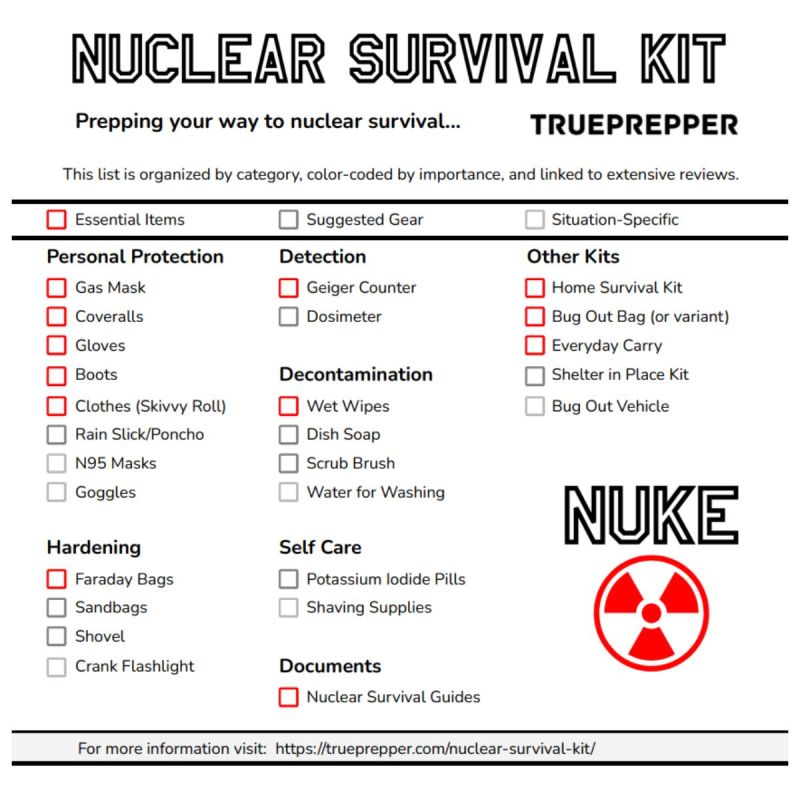
Credit: trueprepper.com
Tools And Navigation
Having the right tools and navigation gear in your survival kit can make a huge difference when you find yourself in an unexpected situation. These items not only help you manage tasks but also guide you to safety. You want to be prepared to handle different challenges efficiently and confidently.
Multi-tool Or Knife
A multi-tool or a sturdy knife is one of the most versatile items you can pack. It can cut ropes, open cans, fix gear, and even help build shelter. Choose a tool that feels comfortable in your hand and includes essential functions like a blade, pliers, and screwdrivers.
I once relied on a multi-tool to repair a broken backpack strap during a long hike. That simple fix saved me from carrying my pack uncomfortably for miles. What small fixes could your multi-tool handle when you need it most?
Compass And Maps
Even if you have a GPS device, a compass and physical maps are crucial backups. Batteries die, and signals can disappear, but a compass and map never fail. Learn how to read a topographic map and use your compass to navigate unfamiliar terrain.
Try practicing with a compass in a local park or forest before you need it in an emergency. Can you imagine how much easier it would be to find your way with these simple tools rather than relying solely on technology?
Lighting And Communication
Lighting and communication are essential in any survival kit. They help you navigate in the dark and signal for help when needed. Without these, even simple tasks can become dangerous, and getting rescued may take much longer.
Flashlight And Batteries
A reliable flashlight can be a lifesaver during power outages or nighttime emergencies. Choose one that is compact, durable, and waterproof to withstand harsh conditions. Always pack extra batteries, and test them periodically to make sure they work.
Consider LED flashlights—they use less power and last longer. A headlamp can also be useful, freeing your hands for other tasks. Have you ever struggled to fix something in the dark? A good light source changes everything.
Whistle And Signal Mirror
A whistle is a simple but powerful tool to attract attention over long distances. It’s louder than shouting and requires less energy. Make sure it produces a clear, sharp sound and attach it where you can easily reach it.
Signal mirrors can reflect sunlight to catch the eye of rescuers miles away. They are lightweight and don’t rely on batteries, making them perfect for survival situations. Practice using one before you need it—knowing how to angle the mirror can save precious time.

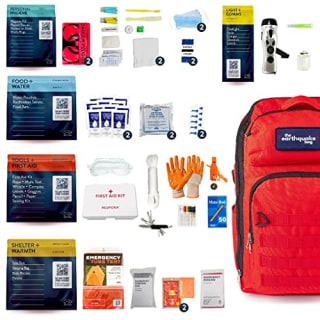
Credit: www.amazon.com
Clothing And Personal Items
Packing the right clothing and personal items in your survival kit can make a huge difference when you face unexpected situations. Your comfort, safety, and health depend on how well you prepare for the environment around you. Imagine being caught in cold rain without a proper jacket or struggling with hygiene issues in the wild—these simple items keep you ready and resilient.
Weather-appropriate Clothing
Choose clothing that fits the climate where you live and where you might need your survival kit. Layering is key—start with moisture-wicking base layers to keep sweat away from your skin. Add an insulating layer like fleece or wool to stay warm, and top it off with a waterproof, windproof outer shell.
Don’t forget essentials like a hat and gloves, even in mild weather. You might not expect cold snaps, but they happen fast and can be dangerous. Also, pack extra socks—dry feet prevent blisters and infections, which can slow you down or cause serious problems.
Think about your footwear too. A sturdy pair of boots or shoes suited for rough terrain can protect your feet and improve your mobility. Have you ever tried hiking in sneakers through mud and rocks? It’s tough and risky.
Personal Hygiene Items
Personal hygiene often gets overlooked, but it’s crucial for staying healthy in survival scenarios. Pack basics like a toothbrush, toothpaste, and biodegradable soap. These small things help prevent infections and keep your morale high.
Include items such as hand sanitizer, wet wipes, and a small towel. These are lifesavers when water is scarce or contaminated. Don’t forget feminine hygiene products if you need them—they are important for comfort and health.
Consider a compact first aid kit with antiseptic wipes, bandages, and any personal medications. Clean wounds properly to avoid complications, especially when you’re away from medical help. How prepared are you to maintain your personal care when everything else feels uncertain?
Emergency Cash And Documents
Emergency cash and important documents are essential in any survival kit. They ensure you can pay for urgent needs and prove your identity. These items help you manage emergencies smoothly. Keep them safe, dry, and accessible.
How Much Emergency Cash To Carry
Carry enough cash to cover basic expenses for a few days. Small bills are best. They are easier to use in shops or for transportation. Avoid large denominations that may be hard to break.
Which Documents To Include
- Identification cards like driver’s license or passport
- Medical information and insurance cards
- Emergency contact list
- Copies of important legal papers such as birth certificates
Keep these documents in a waterproof pouch or sealed plastic bag.
How To Protect Your Cash And Documents
Use a fireproof and waterproof container. Store it in a hidden but reachable place. Review and update documents regularly. Replace expired papers to avoid problems.
Additional Safety Gear
Adding extra safety gear to your survival kit can make a big difference when you’re in an unexpected situation. These tools are not just about survival; they help you feel more secure and ready to face challenges head-on. Think about what could keep you safe beyond basic supplies and how you might use these items if things get tough.
Fire Starter Kit
A reliable fire starter kit is a must-have for warmth, cooking, and signaling for help. Instead of relying on just matches, include a variety of fire-starting tools like waterproof matches, a magnesium striker, and cotton balls soaked in petroleum jelly. These options increase your chances of lighting a fire quickly, even in wet or windy conditions.
Imagine being caught in cold weather with damp wood and no way to start a fire easily. Having multiple fire-starting methods means you won’t waste precious time and energy trying to create sparks. Keep these tools in a waterproof container to ensure they stay dry and ready to use.
Pepper Spray Or Self-defense Tools
Safety isn’t only about natural elements—protecting yourself from potential threats is equally important. Pepper spray is compact, easy to carry, and effective for deterring attackers at a safe distance. It requires little training and can give you a critical moment to escape danger.
If pepper spray isn’t allowed or you want other options, consider small self-defense tools like a tactical pen or a personal alarm. These tools don’t just help you physically; they also boost your confidence in stressful situations. Ask yourself: how prepared are you to protect yourself if you find yourself alone in an unfamiliar environment?
Frequently Asked Questions
What Are The Essential Items For A Survival Kit?
A survival kit should include water, non-perishable food, a first aid kit, a flashlight, and a multi-tool. These basics help you handle emergencies efficiently and stay safe until help arrives.
How Much Water Should I Pack In A Survival Kit?
Pack at least one gallon of water per person per day. This ensures you stay hydrated during emergencies when water sources may be unavailable or contaminated.
Why Include A First Aid Kit In A Survival Kit?
A first aid kit treats injuries and prevents infections. It provides essential supplies like bandages, antiseptics, and pain relievers, crucial for managing minor wounds in emergencies.
Should I Include A Fire Starter In My Survival Kit?
Yes, a fire starter is vital for warmth, cooking, and signaling. It ensures you can create fire easily, even in wet or challenging conditions.
Conclusion
Packing a survival kit takes careful thought and planning. Choose items that meet your basic needs: food, water, shelter, and first aid. Keep your kit small and easy to carry. Check it often to replace old supplies. Being ready can make a big difference in an emergency.
Stay safe and prepared, no matter where you go. A well-packed kit gives peace of mind and helps you face challenges. Remember, simple items can save your life. Prepare now to protect yourself later.