Imagine facing an unexpected emergency without the right tools. How would you stay safe, comfortable, or even alive?
Your survival kit can make all the difference when every second counts. But what exactly should be in your survival kit to prepare you for any situation? This guide will reveal the essential items you need to keep close, helping you feel confident and ready no matter what happens.
Keep reading to discover how to build a survival kit that truly protects you and your loved ones.
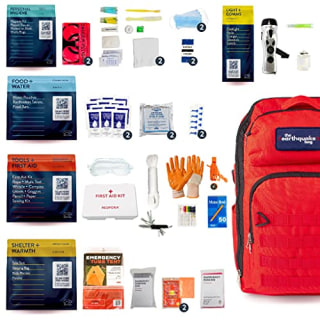
Credit: www.nbcnews.com
Basic Necessities
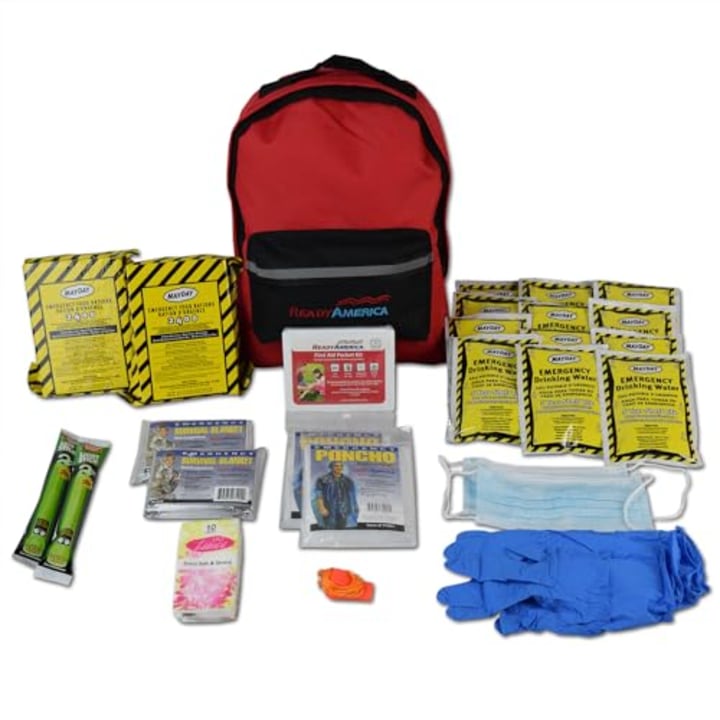
Basic necessities form the core of any survival kit. They ensure your body stays strong and protected. These essentials help you face emergencies with confidence. Without them, survival becomes much harder. Focus on items that provide food, water, health care, and shelter. Each category plays a key role in keeping you safe.
Food And Water
Food and water keep energy levels up. Pack non-perishable, high-calorie foods. Examples include:
- Energy bars
- Dried fruits
- Canned beans or meat
- Instant noodles or soups
Water is critical. Carry at least one gallon per person per day. Use water purification tablets or filters. These help make unsafe water drinkable. Store water in durable, sealed containers.
First Aid Supplies
First aid supplies treat injuries and prevent infection. Include:
- Bandages of various sizes
- Antiseptic wipes and ointments
- Pain relievers like ibuprofen or acetaminophen
- Tweezers and scissors
- Medical tape
- Disposable gloves
Keep instructions for basic first aid. This helps in stressful situations.
Shelter And Warmth
Protection from the elements is vital. Pack items that provide shelter and warmth:
- Lightweight tent or tarp
- Emergency blankets or sleeping bags
- Waterproof matches or a lighter
- Extra clothing layers
- Rain poncho
These items prevent hypothermia and exposure. They create a safe resting place.

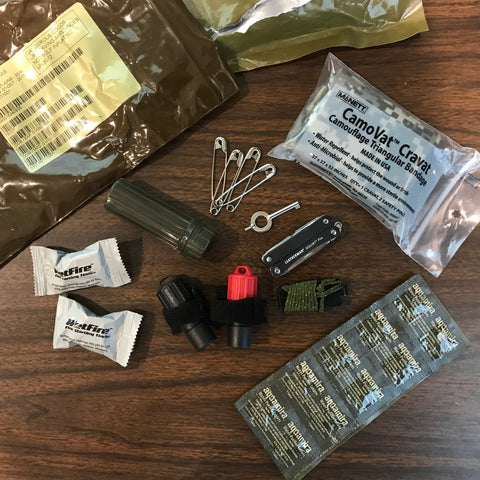
Credit: www.rvem.org
Tools And Equipment
A well-prepared survival kit includes essential tools and equipment. These items help you handle emergencies and tough situations. Having the right tools makes survival easier and safer. Focus on compact, reliable, and multi-use gear for best results.
Multi-purpose Tools
Multi-purpose tools save space and add convenience. A sturdy multi-tool combines pliers, knives, screwdrivers, and more. Choose tools with durable metal and ergonomic handles. These tools help with repairs, food prep, and first aid tasks.
- Folding knife with sharp blade
- Multi-tool with pliers and screwdrivers
- Wire cutters and can opener
- Small saw or wire saw
Lighting And Power Sources
Reliable light sources are vital in dark or low-visibility conditions. Include a flashlight with extra batteries or a rechargeable light. Headlamps free your hands for work. Solar chargers or power banks keep electronics running longer.
- Compact flashlight with spare batteries
- LED headlamp for hands-free use
- Solar-powered charger or power bank
- Glow sticks for temporary light
Navigation Aids
Navigation tools help you find your way or signal for help. A compass is simple but effective. Include detailed local maps for the area. GPS devices provide precise location but need power. Mark your route to avoid getting lost.
- Reliable compass with clear markings
- Waterproof local maps
- Handheld GPS device with extra batteries
- Whistle for signaling
Communication Devices
Communication devices are vital in any survival kit. They help you send and receive important information quickly. Staying connected increases your chances of rescue and safety. Choose devices that work in different situations and are easy to use.
Radios And Signal Devices
Radios are reliable tools for communication without cell service. Two-way radios let you talk with others nearby. Emergency radios often include weather alerts and flashing lights. Signal devices like whistles and mirrors help attract attention. Keep these devices charged or with spare batteries.
Mobile Phones And Chargers
Mobile phones are essential for calling emergency services. Carry extra power banks or solar chargers for longer use. Keep phone numbers of emergency contacts saved offline. Use simple phones that last longer on a single charge. Protect your phone with a waterproof case to avoid damage.
Personal Protection
Personal protection is a crucial part of any survival kit. It ensures you stay safe and comfortable in unpredictable situations. Your choices in clothing and self-defense items can make a significant difference in how well you manage threats and harsh environments.
Clothing And Footwear
Choose clothing that protects you from the elements and allows easy movement. Durable, moisture-wicking fabrics are essential to keep you dry and prevent chafing. Layers give you flexibility to adapt to changing weather conditions.
Footwear must be sturdy and comfortable. High-quality boots with good ankle support reduce the risk of injury when walking on rough terrain. Have extra socks to keep your feet dry—wet feet can lead to blisters and infections, which you don’t want in a survival situation.
Self-defense Items
Carrying self-defense items can boost your confidence and protect you from potential threats. A reliable multi-tool or a tactical knife serves multiple purposes, including defense. Pepper spray is lightweight and effective for deterring attackers without causing permanent harm.
Consider your local laws before choosing weapons. Practicing safe handling and knowing how to use your self-defense tools is vital. Have you thought about how you would react if faced with danger? Training can make your response faster and more effective.
Important Documents
Important documents are a crucial part of your survival kit. They provide proof of identity, medical history, and essential contact information that can save precious time in emergencies. Keeping these documents organized and accessible ensures you are prepared for unexpected situations.
Identification And Medical Records
Having copies of your identification documents is vital. Include your passport, driver’s license, and any other ID cards you carry. These papers help you prove who you are if you get separated from your belongings or need to access emergency services quickly.
Medical records are equally important. Keep a summary of your medical history, allergies, medications, and vaccination records. This information can guide first responders or doctors when you can’t communicate your needs yourself.
Store these documents in a waterproof, portable folder or digital format on a secure USB drive. Have backups stored in a different location or with a trusted person. Can you imagine the hassle if you lose all your important papers right when you need them most?
Emergency Contacts
Emergency contact information should be easy to find. Write down phone numbers for family members, close friends, and your doctor. Include alternative contacts in case your primary contacts are unreachable.
Consider adding local emergency services numbers and poison control centers. These can be lifesavers in a crisis when seconds count. A simple list can make a big difference in how quickly help arrives and who gets notified.
Make sure everyone in your household has access to this list. Update it regularly to reflect any changes. Have you ever tried to remember an important phone number in a stressful situation? Avoid that struggle by preparing ahead.
Additional Considerations
Survival kits need more than just basic supplies. Extra care helps meet unique needs and keeps the kit ready. Think about personal health and changing conditions. These details make a big difference in emergencies.
Special Needs Items
Include items for any health issues. Prescription medicines must be part of the kit. Add extra glasses or contact lenses. Consider baby formula or diapers if needed. Keep allergy medicines and EpiPens handy. Hearing aids and batteries are important too. Tailor the kit to your family’s specific needs.
Maintenance And Regular Updates
Check your survival kit often. Replace expired food and medicines right away. Update clothing for changing seasons. Test tools and gadgets regularly to ensure they work. Keep a list of items to track what needs replacing. Staying prepared means keeping your kit fresh and ready at all times.

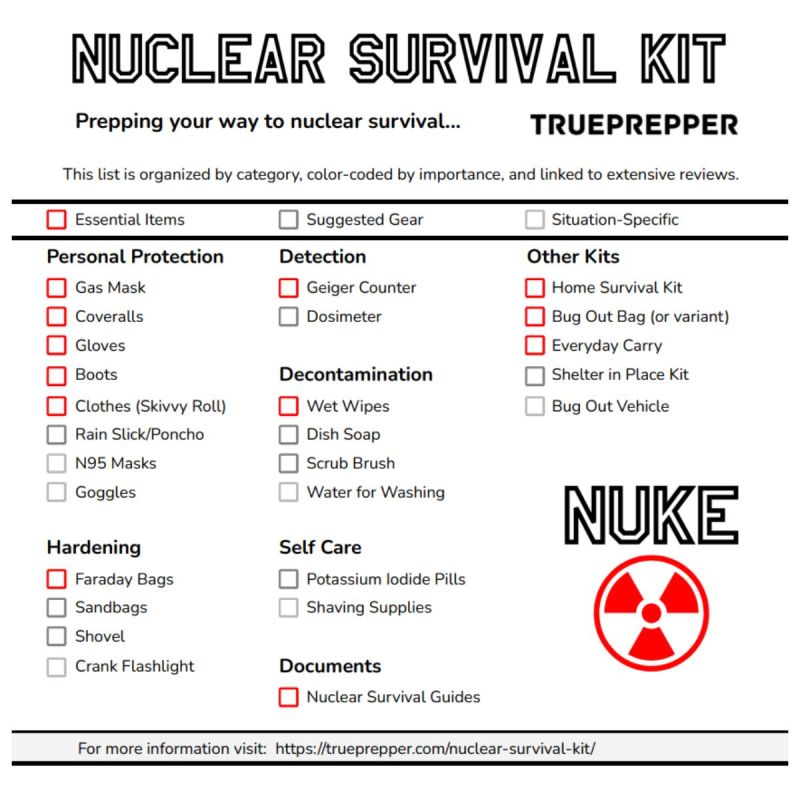
Credit: trueprepper.com
Frequently Asked Questions
What Essential Items Should A Survival Kit Contain?
A survival kit should include water, food, a first aid kit, fire starters, and a flashlight. Also pack a multi-tool, emergency blanket, and whistle for safety and utility.
How Much Water Is Needed In A Survival Kit?
Carry at least one gallon of water per person per day. Water is critical for hydration and sanitation during emergencies.
Why Is A First Aid Kit Important In Survival Kits?
A first aid kit treats injuries and prevents infections. It helps manage cuts, burns, and other medical emergencies when help is unavailable.
What Tools Are Vital In A Survival Kit?
Include a multi-tool, knife, fire starter, and whistle. These tools assist with cutting, fire-making, signaling, and other survival tasks.
Conclusion
A good survival kit keeps you safe and prepared. Include food, water, first aid, and tools. Check your kit often to replace old items. Keep it light but complete for easy carrying. Stay ready for emergencies with a proper survival kit.
Safety starts with simple, smart choices. Don’t wait—build your kit today and feel confident tomorrow.