When it comes to survival, having the right medical supplies can make all the difference between staying safe and facing serious danger. You might think a basic first aid kit is enough, but do you really know what essentials you should have on hand?
Your health and well-being could depend on quick action and the right tools. Keep reading to discover exactly what medical supplies you need to be prepared for any emergency—because when every second counts, being ready isn’t just smart, it’s lifesaving.
Basic First Aid Kit
A Basic First Aid Kit is essential for any survival situation. It equips you to handle minor injuries and prevents complications before professional help arrives. Having the right supplies close at hand can make a real difference in emergencies.
Bandages And Dressings
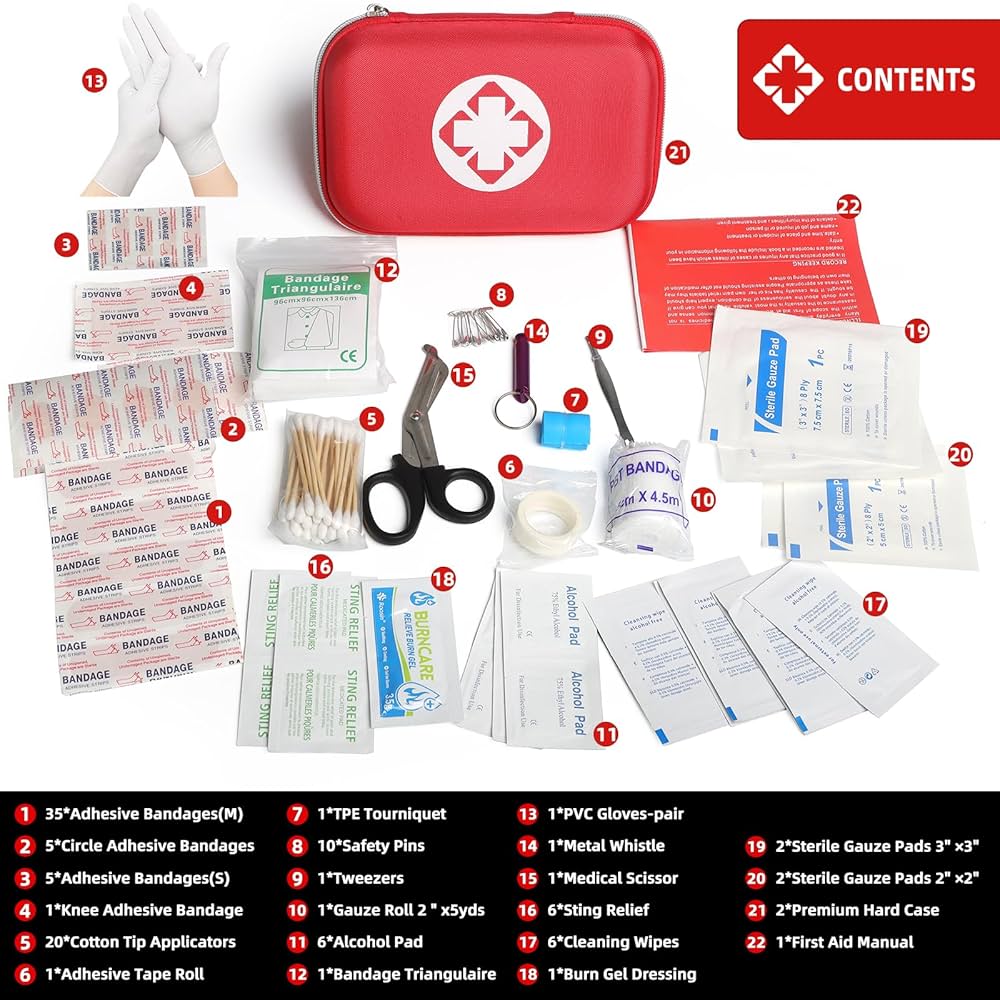
Bandages and dressings are the foundation of your first aid kit. They protect wounds from dirt and infection while helping to control bleeding.
- Include adhesive bandages in various sizes for small cuts and scrapes.
- Gauze pads and rolls work well for larger wounds or to apply pressure.
- Cohesive bandages help secure dressings without sticking to skin or hair.
Imagine dealing with a deep cut without proper bandages—would you feel confident managing the bleeding? Keeping these items organized and accessible can speed up your response when it counts most.
Antiseptics And Ointments
Cleaning wounds properly reduces infection risks dramatically. Antiseptics like alcohol wipes or iodine swabs are vital for this task.
- Include antiseptic wipes or solutions to clean the injured area.
- Antibiotic ointments help speed up healing and prevent infections.
- Consider adding burn creams if your kit might be used in scenarios with heat or fire hazards.
Have you ever ignored cleaning a small cut and later dealt with an infection? Your first aid kit should prepare you to avoid that mistake.
Pain Relievers
Pain can escalate stress and complicate an emergency. Having over-the-counter pain relievers helps you stay calm and focused.
- Include common options like acetaminophen, ibuprofen, or aspirin.
- Know the proper dosages and any allergies among your group.
- Keep medications sealed and stored in a dry, cool place inside your kit.
Do you have pain relievers ready for sudden headaches, muscle aches, or injuries? Being prepared for pain lets you think clearly and act wisely during survival situations.
Tools And Instruments
Having the right tools and instruments is crucial for survival medical supplies. These items help you handle minor injuries and monitor health effectively. They ensure safety and improve the chances of proper care in emergencies.
Tweezers And Scissors
Tweezers remove splinters, glass, or debris from wounds. Choose a pair with a pointed tip for accuracy. Scissors cut bandages, tape, or clothing safely. Opt for scissors with blunt ends to avoid accidental cuts. Both tools should be made of stainless steel for durability and easy cleaning.
Thermometer
A thermometer measures body temperature to detect fever early. Digital thermometers are fast and easy to read. Keep extra batteries or a backup thermometer in your kit. Check the temperature regularly to monitor illness progression.
Gloves And Masks
Gloves protect your hands from germs and blood. Use disposable latex or nitrile gloves for best hygiene. Masks prevent the spread of airborne infections. Include surgical masks or N95 respirators in your supplies. Always wear gloves and masks during wound care or when handling bodily fluids.
Medications To Include
Stocking the right medications is essential for survival kits. Medicines help manage health issues during emergencies. Choose medications that cover common and serious conditions. Keep supplies updated and check expiration dates often.
Allergy Medications
Allergy medicines reduce reactions from pollen, dust, or insect bites. Include antihistamines like diphenhydramine or loratadine. These medicines ease itching, swelling, and sneezing. Also, carry an epinephrine auto-injector for severe allergic reactions. Quick treatment can save lives.
Antibiotics
Antibiotics fight bacterial infections. Carry a broad-spectrum antibiotic for wounds or infections. Use only as directed to avoid resistance. Store them in a cool, dry place. Remember, antibiotics do not work on viruses.
Prescription Medications
Include any personal prescription medicines in your survival kit. Keep enough supply for several weeks. Store them in original containers with clear labels. Make a list of all medications and dosages. This helps in emergencies or if you need medical help.
Emergency Medical Devices
Emergency medical devices are essential tools that can make a critical difference during survival situations. These devices help you respond quickly to injuries and medical emergencies, potentially saving lives before professional help arrives. Having the right devices in your survival kit ensures you’re prepared to handle trauma, breathing difficulties, or immobilization effectively.
Cpr Masks
CPR masks protect both you and the victim during rescue breaths by creating a barrier that prevents the exchange of bodily fluids. They are compact, easy to carry, and often come with a one-way valve to ensure safe and effective ventilation. Carrying a CPR mask means you can confidently perform CPR without hesitation, reducing the risk of infection for yourself.
Have you ever hesitated to perform CPR because of safety concerns? A simple mask can remove that doubt and empower you to act decisively in emergencies.
Tourniquets
Tourniquets are lifesavers when it comes to severe bleeding, especially from limb injuries. Applying a tourniquet correctly can stop blood loss and stabilize the patient until professional help arrives. Modern tourniquets are designed to be quick and easy to use, even under stress.
Think about the last time you saw a serious injury in movies or real life—bleeding out can happen fast. Would you know how to stop it? Having a tourniquet in your medical supplies means you’re ready to take control of those critical moments.
Splints
Splints help immobilize broken or sprained limbs, preventing further injury and reducing pain. They come in various forms, from inflatable devices to simple rigid boards, and can be improvised if necessary. Proper splinting not only protects the injury but also aids in safe transport to medical care.
Imagine being stuck in a remote area with a suspected fracture. Without a splint, moving could worsen the injury. Carrying a reliable splint can make your survival situation much safer and more manageable.
Specialized Supplies
Essential medical supplies for survival include bandages, antiseptics, pain relievers, and basic first aid tools. These items help treat injuries and prevent infections during emergencies. Keeping a well-stocked kit ensures quick response to common medical needs.
In any survival situation, specialized medical supplies can be life-saving. These items address specific health concerns that may arise unexpectedly. With the right supplies, managing emergencies becomes easier and more effective. Here are some essential specialized supplies to consider for your survival kit.Burn Care
Burns can happen at any time. Having the right supplies helps treat them quickly. Consider packing burn dressings and gel. These can soothe pain and prevent infection. Non-stick gauze is also crucial. It protects the wound while allowing it to breathe. A pain-relief spray or ointment can offer immediate comfort. Remember, treating burns promptly prevents complications.Eye Care
Eye injuries can occur in survival situations. Dust, debris, or smoke may irritate the eyes. An eye wash solution can cleanse and soothe discomfort. Protective goggles are beneficial in risky environments. They shield your eyes from potential harm. Include eye drops in your kit too. They help reduce irritation and dryness. Clear vision is vital for survival.Diabetic Supplies
Managing diabetes in a crisis requires preparation. Pack a glucose meter and test strips. They help monitor blood sugar levels. Include a supply of insulin if needed. A cooler bag can keep insulin at the right temperature. Stock up on glucose tablets or gel for quick energy. Always have a backup plan for medication storage. Proper management ensures safety and health.
Credit: www.servpro.com
Storage And Maintenance
Proper storage and maintenance of your medical supplies can make a huge difference when you need them most. Supplies that are well-organized, regularly checked, and stored safely ensure quick access and functionality during emergencies. Neglecting these aspects might leave you unprepared, even if you have everything on paper.
Organizing Your Supplies
Start by grouping your supplies into categories like wound care, medications, and tools. Use clear containers or labeled bins so you can find what you need without digging through piles. Think about your space—keep frequently used items at eye level and less critical ones stored away but still accessible.
Have you ever wasted precious time searching for a bandage? Organizing prevents that frustration and keeps your mind clear during stressful moments.
Regular Checking And Restocking
Set a schedule to inspect your supplies every few months. Check expiration dates on medications and replace anything outdated immediately. Also, test items like flashlights or batteries to ensure they work when called upon.
Don’t wait until an emergency to discover your supplies are unusable. A simple checklist can keep you on track and save you from unpleasant surprises.
Safe Storage Tips
Store supplies in a cool, dry place away from direct sunlight to preserve their effectiveness. Avoid damp areas that can cause mold or corrosion. If you keep medications, ensure they are out of reach of children and pets to prevent accidents.
Consider waterproof containers or sealable bags for extra protection. Would you want your first aid kit damaged by water right when you need it most? Safe storage is about preserving your investment in your survival.
Preparing For Specific Scenarios
Preparing for specific survival scenarios means tailoring your medical supplies to fit the challenges you might face. Different situations demand different tools and medications. Understanding these needs keeps you ready and confident when emergencies strike.
Natural Disasters
Natural disasters like earthquakes, hurricanes, or floods often cause injuries such as cuts, fractures, and burns. Your medical kit should include:
- Sterile bandages and gauze
- Antiseptic wipes and ointments
- Pain relievers like ibuprofen or acetaminophen
- Splints for immobilizing broken bones
- Emergency blankets to prevent shock
Remember, power outages and limited access to clean water can make treating wounds tricky. Do you have enough supplies to handle infections without a doctor nearby?
Wilderness Survival
In the wilderness, injuries can range from insect bites to severe wounds far from medical help. You will need:
- Insect repellent and bite relief creams
- Water purification tablets to prevent infections
- Heavy-duty bandages and suturing kits
- A reliable thermometer to monitor for fever
- Allergy medication, especially if you are prone to reactions
Think about your last outdoor trip—did you pack enough medical supplies to treat unexpected injuries? Wilderness survival demands being self-sufficient in health care.
Pandemic Situations
Pandemics bring unique challenges like contagious diseases and strained medical resources. Your supplies should focus on prevention and symptom management:
- Face masks and gloves to reduce infection risk
- Thermometer and pulse oximeter to track vital signs
- Fever reducers and cough suppressants
- Hand sanitizers and disinfectant wipes
- Medication for underlying conditions to avoid complications
How prepared are you to care for yourself and your family if hospitals become overwhelmed? Having the right supplies can ease stress and keep everyone safer.
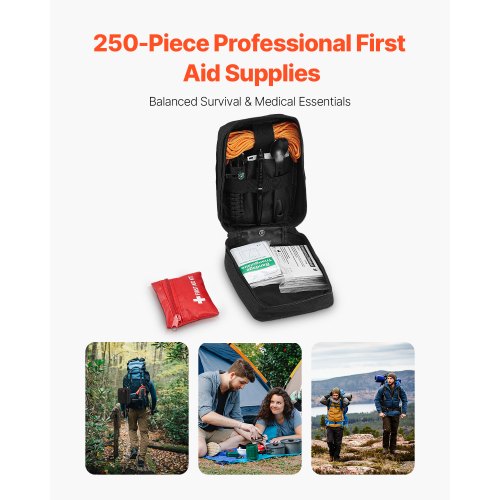
Credit: www.vevor.ca
Additional Survival Tips
Having the right medical supplies is crucial for survival, but there’s more to staying safe and healthy in tough situations than just equipment. You need skills, tools for staying connected, and ways to protect your mental health. These additional survival tips make a big difference when things get challenging.
Training And Skills
Medical supplies won’t help much if you don’t know how to use them. Learning basic first aid and CPR can save lives. Consider taking a wilderness first responder course if you spend time outdoors.
Practice bandaging wounds, splinting broken bones, and recognizing signs of infection. These skills give you confidence and reduce panic during emergencies. Can you imagine staying calm and effective when someone’s life depends on you?
Communication Tools
Survival often depends on staying in touch with others. Cell phones can fail, so add alternatives like two-way radios or satellite messengers to your kit. These tools help you call for help or coordinate with your group.
Always keep extra batteries or solar chargers handy. Think about how frustrating it would be to run out of power when you need to send an urgent message. What communication tools do you have ready right now?
Mental Health Supplies
Stress and fear can wear you down faster than physical injuries. Pack items that help keep your mind calm, like stress balls, journals, or even simple games. These small comforts can boost morale during long, tough days.
Remember, mental strength is part of survival. When you feel overwhelmed, deep breathing exercises or meditation apps can be lifesavers. Have you prepared ways to protect your mental health in a crisis?

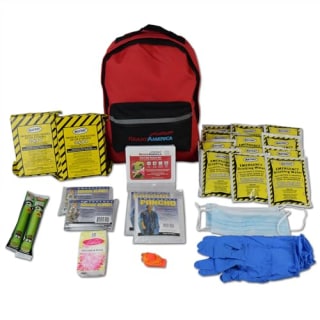
Credit: www.walmart.com
Frequently Asked Questions
What Are Essential Medical Supplies For Survival Kits?
Essential medical supplies include bandages, antiseptics, pain relievers, tweezers, and gloves. These items help treat injuries and prevent infections during emergencies.
How To Choose Medical Supplies For Long-term Survival?
Select durable, multi-use items like antibiotic ointments, sterile dressings, and pain medication. Prioritize supplies with long shelf life and easy storage for extended survival.
Why Include Antibiotics In Survival Medical Kits?
Antibiotics help fight bacterial infections that can worsen without treatment. Including them prevents complications and supports healing during medical emergencies.
What Basic Tools Are Needed In Survival Medical Supplies?
Basic tools include scissors, tweezers, thermometers, and safety pins. They assist in wound care, removing debris, and monitoring health conditions.
Conclusion
Having the right medical supplies can save lives in emergencies. Basic items like bandages, antiseptics, and pain relievers are essential. Keep your kit stocked and easy to find. Check supplies regularly and replace what expires. Knowing how to use each item boosts your confidence.
Preparedness means being ready for small and big health issues. Stay safe, stay ready. Your health depends on it.