Are you facing a sudden food emergency and wondering how many times you can get emergency food stamps? You’re not alone.
When unexpected situations hit, knowing your options can make all the difference. This guide will help you understand how emergency food stamps work, how often you can access them, and what steps you need to take. Keep reading to get the clear answers you need to support yourself and your family during tough times.

Credit: www.nyc.gov
Emergency Food Stamps Basics
Understanding the basics of emergency food stamps can help you navigate tough times more confidently. These benefits provide quick support when you face unexpected financial hardships. Knowing what they are and who qualifies can make a significant difference in how you plan your next steps.
What Are Emergency Food Stamps
Emergency food stamps are a form of temporary assistance designed to help people buy food quickly during a crisis. They are part of the Supplemental Nutrition Assistance Program (SNAP) but are issued faster than regular benefits. This quick access ensures you don’t go hungry while waiting for your full application to be processed.
These benefits typically arrive as an Electronic Benefit Transfer (EBT) card, which you can use at most grocery stores. The amount you receive depends on your household size and immediate needs. Think of it as a short-term safety net rather than a long-term solution.
Who Qualifies For Emergency Assistance
Emergency food stamps are meant for people who face sudden financial emergencies. This could include losing your job, unexpected medical expenses, or having no money left for food due to a disaster. The key is that your current situation must be urgent and temporary.
To qualify, you usually need to meet these conditions:
- Have very low income or no income at all
- Face an immediate need for food assistance
- Be eligible for regular SNAP benefits but require faster help
Are you currently in a situation where waiting weeks for regular food stamps isn’t an option? Emergency food stamps might be your fastest way to get support. Applying as soon as you notice an urgent need can speed up the process.

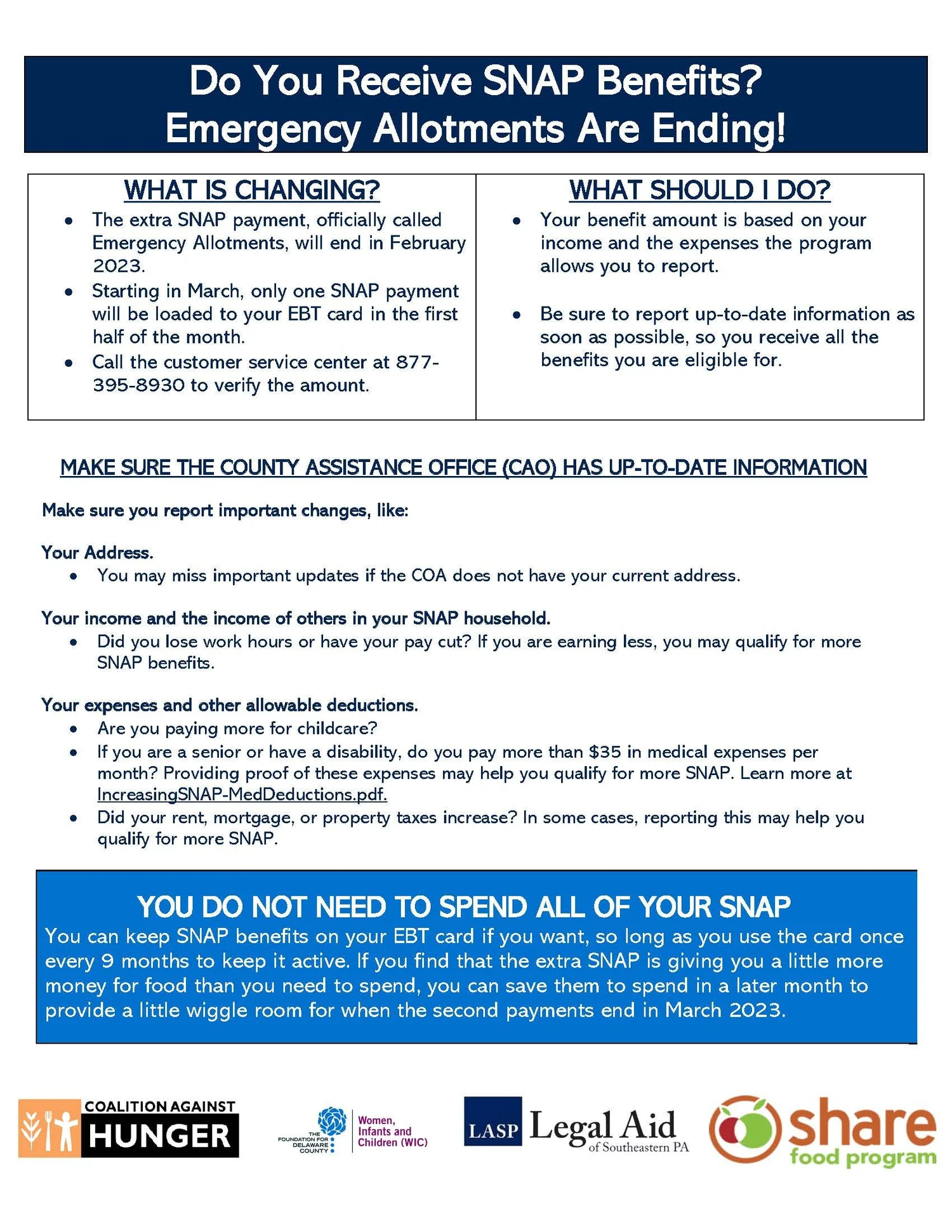
Credit: www.economist.com
Frequency Limits On Emergency Benefits
Emergency food stamps provide quick help during tough times. These benefits are meant to support families facing urgent food needs. Understanding how often you can get emergency food stamps helps plan better. There are limits on the frequency you can receive these benefits. These limits vary by state and follow federal rules. Knowing these rules avoids confusion and ensures you get help when needed.
State Variations In Renewal Policies
Each state sets its own rules for emergency food stamps renewals. Some states allow multiple emergency benefits within a year. Others limit emergency help to once or twice annually. States may require proof of continued hardship before approving more benefits. Renewal processes can include submitting updated financial information. These policies reflect local needs and resources. Check your state’s guidelines to know how often you can reapply.
Federal Guidelines On Reapplication
The federal government sets broad rules for emergency food stamps. Generally, federal rules allow one emergency benefit per household in a short period. The period usually covers 30 days to a few months. Reapplication depends on the household’s current situation and income changes. Federal law requires states to verify emergency needs carefully. These rules help prevent misuse and ensure fair access. States must follow these guidelines but can add stricter limits.
Application Process For Emergency Food Stamps
Applying for emergency food stamps can be a swift process. It’s designed for people facing a food crisis. Quick action ensures you receive help promptly. Here’s how to navigate the application.
How To Apply Quickly
Visit your local social services office. You can apply online through the official website. Some states offer phone applications. Choose the fastest method for your situation. Time is crucial in emergencies. Ensure all your details are correct.
Required Documentation
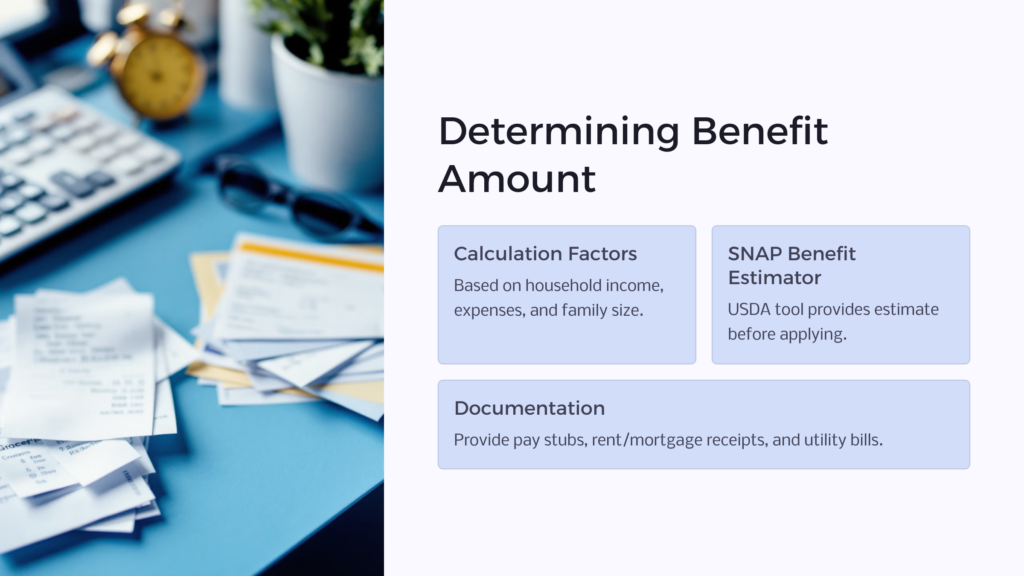
Gather necessary documents before applying. You will need identification proof. Provide proof of income and residency. Bring any medical bills if applicable. Have your social security number ready. These documents speed up the process.
Factors Affecting Approval And Reapplication
Several factors influence how often emergency food stamps can be approved or reapplied for. Understanding these factors helps applicants manage their expectations and plan accordingly. Approval depends on changes in your financial and household situation. Also, prior use of emergency benefits affects future eligibility. Each state may apply these rules differently, but key elements remain consistent.
Income And Household Changes
Changes in income directly impact emergency food stamp approval. A sudden drop in earnings may qualify you for assistance. Conversely, an increase in income might reduce or end benefits. Household size also matters. Adding or losing a family member changes your eligibility. Accurate reporting of these changes is essential for timely decisions.
Previous Emergency Benefit Usage
The history of your emergency food stamp use affects reapplication chances. Some states limit how often you can receive emergency aid. Frequent use might trigger additional review or waiting periods. Authorities check if prior benefits were used correctly. Misuse can lead to denial of future applications. Keeping records and following rules improves approval odds.
Tips To Maximize Emergency Food Assistance
Emergency food stamps provide crucial help during tough times. Making the most of this aid ensures you stretch your resources further and reduce stress. Smart planning and using support services can improve your food security and overall well-being.
Planning For Regular Benefits
Emergency food stamps are short-term aid. Planning ahead for regular benefits prevents gaps in food support. Keep track of your application dates and renewal deadlines. Submit all required documents on time to avoid delays. Understand your state’s rules for benefit limits and timing. Use a calendar or reminders to stay organized. Preparing early helps you maintain a steady food supply.
Seeking Additional Support Services
Many community programs offer extra help beyond food stamps. Food banks and pantries provide free groceries regularly. Local charities may offer meal programs or financial assistance. Health clinics and social workers can connect you with resources. Explore services for housing, utilities, and job training. Combining support options eases financial pressure. Ask about eligibility and application processes at each place.

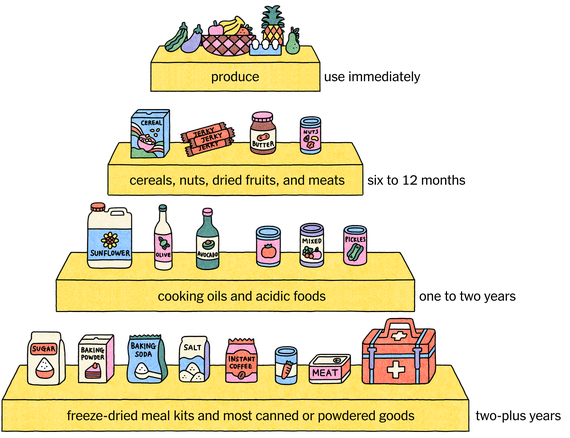
Credit: 72hours.ca
Frequently Asked Questions
How Many Times Can You Receive Emergency Food Stamps?
You can typically receive emergency food stamps once per emergency situation. Some states may allow multiple requests yearly, but frequency varies by state rules and your circumstances.
What Qualifies As An Emergency For Food Stamps?
Emergencies include natural disasters, sudden loss of income, or urgent financial crises. You must prove immediate need to qualify for emergency food stamps.
How Quickly Are Emergency Food Stamps Issued?
Emergency food stamps are usually issued within seven days of approval. Some states provide same-day issuance for urgent cases.
Can You Reapply If Emergency Food Stamps Run Out?
Yes, you can reapply if your situation worsens or another emergency arises. Approval depends on your current eligibility and state policies.
Conclusion
Emergency food stamps can help during tough times. The number of times you can get them varies by state rules. Usually, you can apply again after a short wait. It is important to check your local program’s limits. Keep track of your benefits and use them wisely.
Help is there when you need it most. Stay informed and plan ahead to avoid surprises. Remember, emergency food stamps offer support, not a long-term solution. Reach out to your local office for detailed guidance. Your community wants to help you stay safe and fed.