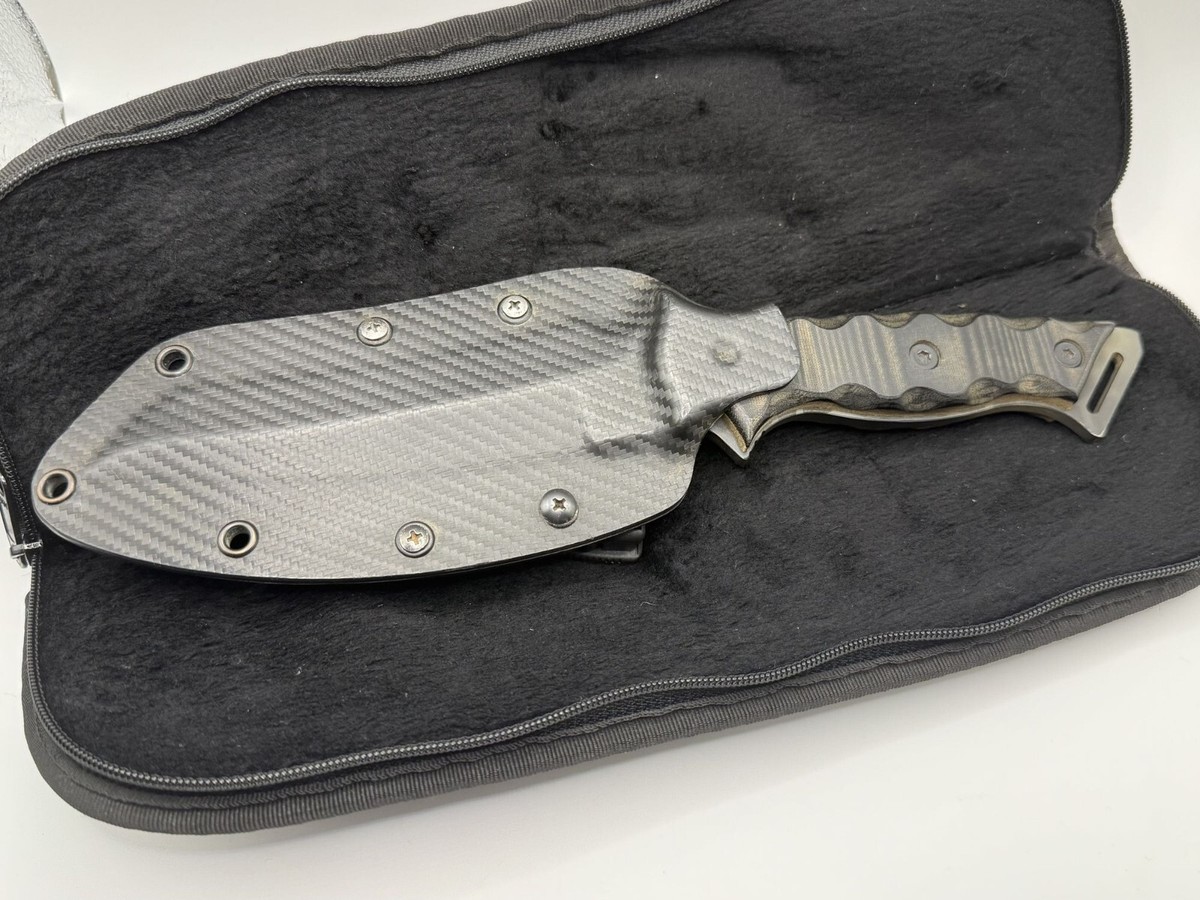
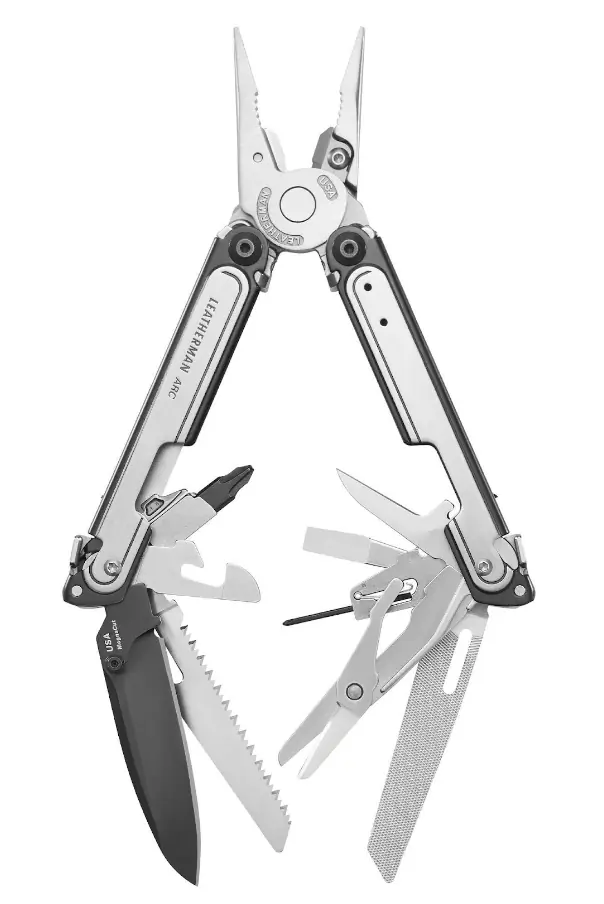
When it comes to survival, having the right tools can make all the difference. Your folding survival knife is one of the most essential items you can carry.
But with so many options out there, how do you know which one is truly the best for you? You’ll discover top folding survival knives that combine strength, reliability, and ease of use. Whether you’re preparing for an outdoor adventure or want to be ready for unexpected situations, these knives will help you stay safe and confident.
Keep reading to find the perfect knife that fits your needs and gives you peace of mind.

Credit: www.popularmechanics.com
Key Features Of Folding Survival Knives
Folding survival knives are essential tools for outdoor enthusiasts. Their design combines strength, safety, and convenience. Knowing key features helps choose the best folding survival knife for any task.
Blade Material And Sharpness
The blade material affects durability and edge retention. Common materials include stainless steel and carbon steel. Stainless steel resists rust, ideal for wet conditions. Carbon steel holds a sharper edge but needs more care. Sharpness is crucial for cutting wood, rope, or food. A high-quality blade stays sharp longer and cuts smoothly.
Handle Design And Grip
A good handle offers comfort and control. Materials like rubber, G10, or textured plastic improve grip. The shape should fit the hand well to reduce fatigue. Non-slip handles prevent accidents in wet or cold environments. Ergonomic designs make long use easier and safer.
Locking Mechanisms
Locking mechanisms keep the blade secure when open. They prevent accidental closing during use. Common types are liner locks, frame locks, and lock backs. Each type offers different strength and ease of use. A reliable lock adds safety and confidence in tough situations.
Portability And Weight
Folding knives are prized for easy carrying. Lightweight designs reduce pocket bulk and hand strain. Compact size fits well in pockets or backpacks. Balance between size and strength matters for survival tasks. Portability allows quick access without extra gear.
Top Folding Survival Knives For Durability
Choosing a folding survival knife that stands up to tough conditions is crucial. Durability ensures your knife won’t fail when you rely on it most. Whether you’re out in the wild or preparing for emergencies, the right knife combines strength, sharpness, and resilience.
High-end Premium Picks
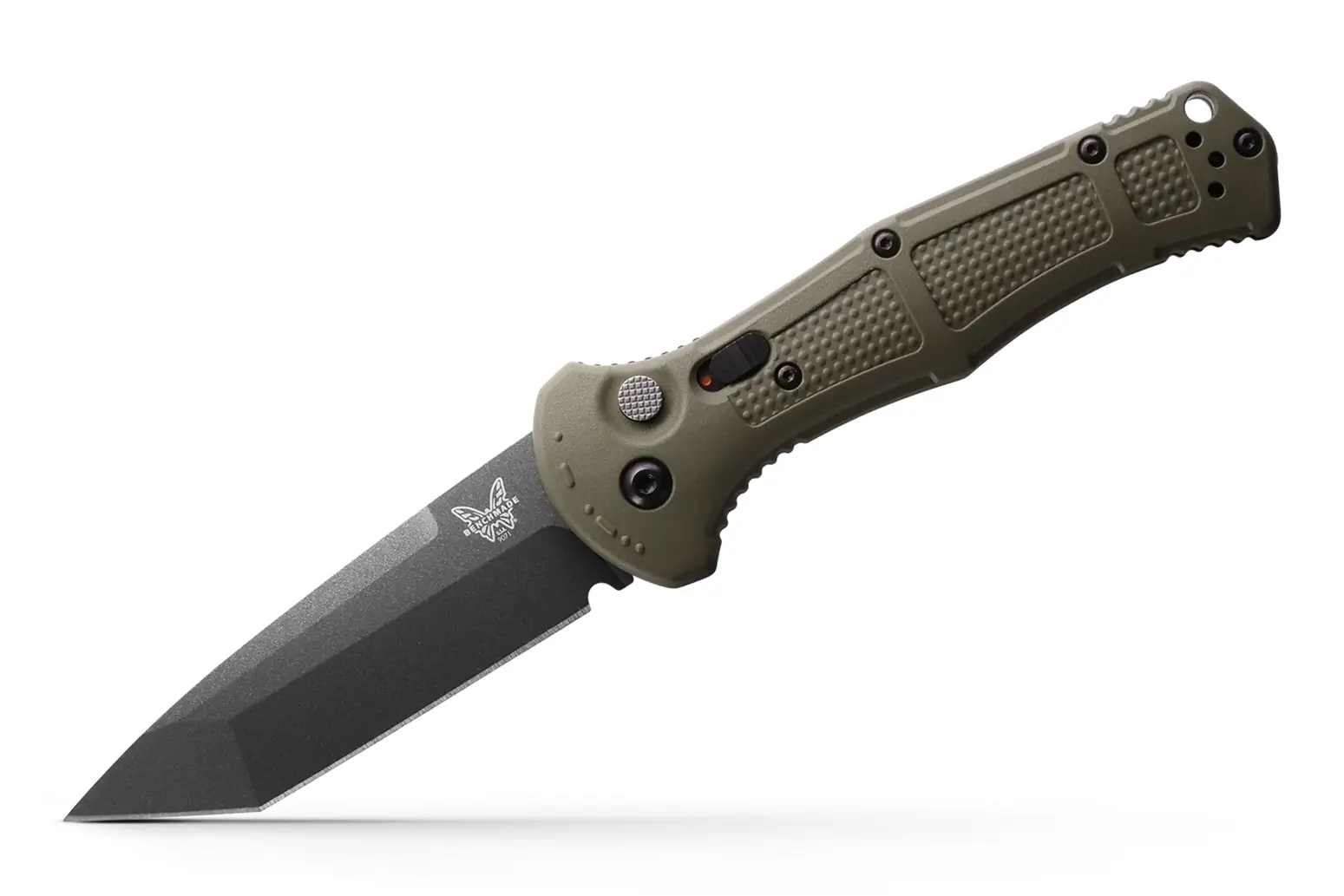
Premium folding survival knives often feature top-grade steel like S30V or M390. These materials resist rust and hold an edge longer, giving you reliable performance over time. Brands such as Benchmade and Spyderco offer models with solid locking mechanisms and ergonomic handles designed for extended use.
Think about the last time you needed a tool that didn’t let you down. A premium knife saves you frustration and adds confidence during critical moments.
Best Budget-friendly Options
Not all durable knives have to break the bank. You can find budget-friendly folding knives made from stainless steel with decent edge retention and sturdy build quality. Companies like Kershaw and CRKT provide excellent options under $50 that won’t compromise on reliability.
Ask yourself if you want to spend more on features you may never use or get a solid, no-nonsense knife that performs well daily. Sometimes, smart choices come from finding value rather than luxury.
Knives For Heavy-duty Use
Heavy-duty knives are built to handle tough tasks like chopping wood or cutting thick rope. Look for models with thicker blades, reinforced frames, and strong locking systems. The Cold Steel Recon 1 is a good example, known for its rugged design and ability to withstand abuse.
Do you need a knife that can handle extreme situations without bending or breaking? Investing in a heavy-duty model could make all the difference in survival scenarios.
Lightweight And Compact Models
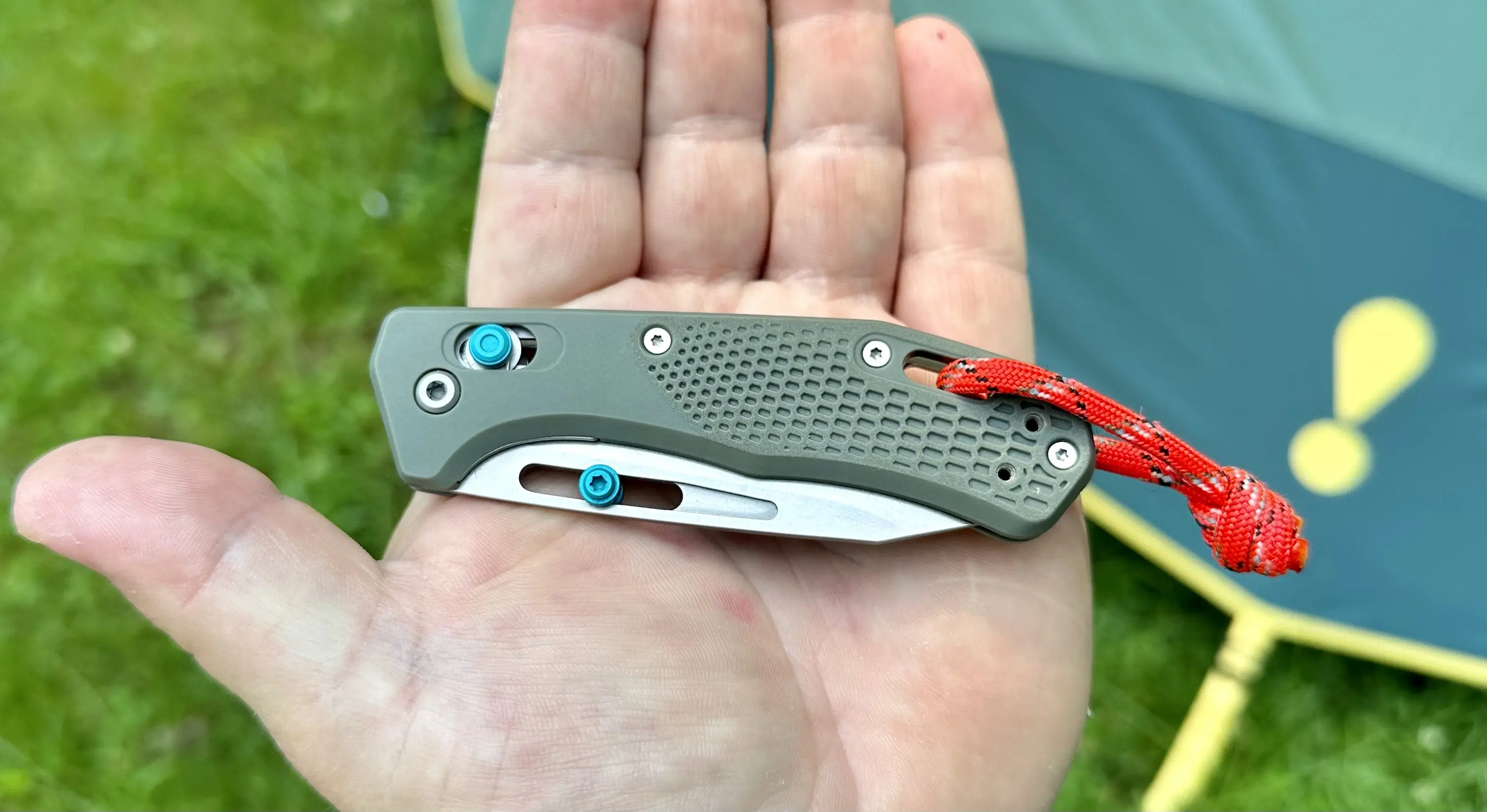
If you prefer carrying minimal weight, lightweight folding knives made from materials like titanium or aluminum offer durability without bulk. These knives fit easily in pockets or backpacks, making them perfect for hikers and everyday carry enthusiasts.
Consider the trade-off between durability and weight. A compact knife may not handle heavy tasks but can be your trusted companion for quick, precise cuts when every ounce counts.
Blade Types And Their Advantages
Choosing the right folding survival knife can be a game-changer in a critical situation. The type of blade you select plays a significant role in its functionality and efficiency. Understanding the differences can help you make a more informed decision that suits your needs.
Drop Point Blades
The drop point blade is a favorite among survivalists for its versatility and strength. Its convex shape allows for precise control, making it ideal for tasks like skinning or carving. I once used a drop point blade during a camping trip to prepare kindling—its broad tip made the job quick and easy.
Clip Point Blades
If precision is your priority, a clip point blade might be your best bet. The thinner, sharp point is excellent for piercing and detail work. I found it particularly useful when crafting tools out of wood, where a fine tip was necessary for detail.
Serrated Edges
Serrated edges excel at cutting through tough materials like rope or fabric. They act like mini saws, making them indispensable in emergency situations. Once, during a hiking expedition, my serrated blade quickly cut through some tangled rope, freeing my gear without hassle.
Straight Edges
Straight edges offer clean cuts and are easier to sharpen, making them reliable for most cutting tasks. They are perfect for slicing and chopping, whether you are preparing food or trimming branches. Imagine being out in the wilderness, needing to prepare a meal quickly—this is where a straight-edged knife shines.
What type of blade do you prefer for your adventures? Consider your usual activities and how each blade type could enhance your survival experience.
Credit: gearjunkie.com
Materials That Boost Longevity
Choosing the right materials for your folding survival knife directly impacts how long it will last and perform under pressure. Durability isn’t just about toughness—it’s about resisting wear, rust, and damage over time. Understanding which materials contribute to longevity helps you make smarter choices that keep your knife reliable in any survival situation.
Stainless Steel Varieties
Stainless steel is a popular choice because it resists rust and corrosion, especially in wet or humid environments. Different grades like 440C, AUS-8, and S30V offer a balance between hardness and corrosion resistance.
For example, S30V steel holds an edge longer and withstands rust better than standard stainless steel. If you often face damp conditions, opting for a stainless steel knife can save you from frequent maintenance headaches.
Carbon Steel Benefits
Carbon steel knives are prized for their sharpness and ease of sharpening. They generally hold a sharper edge longer than many stainless steels, which can be a lifesaver when you need precision cutting.
However, carbon steel is more prone to rust, so you must clean and oil it regularly. If you don’t mind the extra care, a carbon steel blade can give you excellent cutting performance and durability.
Handle Materials That Last
The handle material affects both comfort and durability. Common long-lasting materials include G10, Micarta, and stabilized wood. These materials resist moisture, impacts, and temperature changes better than simple plastic or untreated wood.
Imagine needing to grip your knife firmly in wet or cold conditions—materials like G10 offer a non-slip surface that won’t degrade quickly. Your knife handle is where you feel every cut, so choosing the right material boosts control and safety.
Maintenance Tips For Folding Knives
Keeping your folding survival knife in top shape isn’t just about looking good—it’s about safety and reliability when you need it most. Proper maintenance ensures your knife stays sharp, moves smoothly, and lasts for years. Let’s dive into practical tips that anyone can apply, whether you’re a seasoned outdoorsman or a weekend adventurer.
Cleaning And Lubrication
After every use, especially in damp or dirty conditions, clean your knife thoroughly. Use warm water and mild soap to remove grime, dirt, and sap. Avoid soaking the knife; instead, gently scrub with a soft brush or cloth.
Once clean, dry your knife completely to prevent rust. Apply a few drops of light machine oil or a specialized knife lubricant to the pivot and blade. This keeps the folding mechanism smooth and protects metal parts from corrosion.
Sharpening Techniques
A dull blade can be dangerous because it requires more force to cut. Use a sharpening stone or ceramic rod to maintain a keen edge. Hold the blade at about a 20-degree angle and make even strokes along the stone, moving from heel to tip.
Don’t rush sharpening. Take your time to ensure you sharpen both sides evenly. Check your progress by carefully running your thumb perpendicular to the edge—sharpness should feel consistent without rough spots.
Storage Recommendations
Store your folding knife in a dry place to avoid moisture build-up, which leads to rust. Consider using a protective sheath or case to shield the blade and prevent accidents. Avoid leaving your knife in leather sheaths for long periods, as leather can trap moisture.
Think about where you keep your knife—does it get exposed to extreme temperatures or humidity? Keeping it in a controlled environment extends its life and keeps it ready for action.
Safety And Legal Considerations
Choosing the best folding survival knife involves more than just features and quality. Safety and legal concerns must be top priorities. Using and carrying a folding knife safely protects you and others. Knowing local laws prevents legal trouble and fines. This section covers key safety tips and important legal rules to follow.
Safe Handling Practices
Always hold the knife firmly by the handle. Keep fingers away from the blade edge. Open and close the knife slowly and carefully. Use the locking mechanism to secure the blade during use. Do not try to catch a falling knife. Cut away from your body and others. Store the knife in a sheath or closed position. Regularly clean and sharpen the blade for better control. Wear gloves if handling rough or slippery materials.
Local Knife Laws To Know
Knife laws vary widely by country, state, and city. Check the blade length allowed in your area. Some places ban automatic or switchblade knives. Carrying a knife in public may require a valid reason. Some areas restrict knives near schools or government buildings. Learn about age restrictions for knife possession. Understand rules for transporting knives across borders. Violating knife laws can lead to fines or arrest. Always research local regulations before buying or carrying a folding knife.
Choosing The Right Folding Knife For You
Choosing the right folding survival knife is more than just picking a cool tool. It’s about understanding what you really need and how the knife will perform in different situations. The perfect knife fits your lifestyle, your budget, and the challenges you expect to face. Let’s break down how you can make the best choice for yourself.
Assessing Your Survival Needs
Think about where and how you’ll use your knife. Will you be camping in dense forests, hiking through rocky terrain, or preparing food outdoors? Each activity demands different features—like blade length, weight, and locking mechanism.
Ask yourself: Do you need a knife for heavy-duty tasks like chopping wood, or something lighter for quick cutting? A knife that’s too big might slow you down, while one that’s too small could limit your options in survival situations.
Budget Vs. Quality
It’s tempting to go for the cheapest folding knife, but quality matters when your safety depends on it. A well-made knife lasts longer, holds its edge better, and won’t fail when you need it most.
Set a realistic budget, but be ready to invest in a knife with durable materials like stainless steel or high-carbon steel blades. Sometimes spending a bit more upfront can save you from replacing a faulty knife later.
Trusted Brands And Reviews
Look for brands known for their reliability and craftsmanship. Companies with a solid reputation often offer warranties and better customer support.
Don’t just trust marketing—read user reviews and watch real-life test videos. Hearing about others’ experiences can reveal strengths and weaknesses you might not notice from product descriptions alone.
Have you ever bought something based on hype, only to regret it later? Taking time to research can help you avoid that with your folding survival knife.
Credit: gearjunkie.com
Frequently Asked Questions
What Features Make A Folding Survival Knife The Best?
The best folding survival knives have durable blades, ergonomic handles, and reliable locking mechanisms. They are compact, lightweight, and easy to carry. Sharpness, corrosion resistance, and versatility are key features for survival situations.
How To Choose The Right Folding Survival Knife?
Choose a knife based on blade material, size, and handle grip. Consider your survival needs, weight preference, and ease of maintenance. A strong locking system and multipurpose use also matter.
Are Folding Survival Knives Better Than Fixed Blades?
Folding knives offer portability and safety with locking blades. Fixed blades are usually stronger and easier to clean. The choice depends on your survival tasks and personal preference.
Can Folding Survival Knives Be Used For Everyday Tasks?
Yes, folding survival knives are versatile for camping, hiking, and daily chores. Their compact design makes them handy for cutting, slicing, and light prying tasks.
Conclusion
Choosing the best folding survival knife depends on your needs and budget. Focus on blades that are sharp, strong, and easy to carry. A good knife lasts long and works well in tough conditions. Remember, practice using your knife safely to get the most from it.
Keep your knife clean and sharp for better performance. With the right choice, your folding survival knife can be a reliable tool in many situations. Stay prepared and confident on your outdoor adventures.