If you’ve ever watched Dual Survival, you know how important the right knife is when facing tough outdoor challenges. But have you ever wondered what knives the survival experts actually use?
Choosing the right knife can make all the difference in your adventure or emergency situation. You’ll discover the exact knives featured on Dual Survival and why these tools are trusted by professionals. Keep reading to find out which knives could become your best survival companion.

Credit: www.amazon.ca
Knives Featured On Dual Survival
The knives featured on Dual Survival are vital tools for survival experts. Each knife serves a unique purpose, helping the hosts handle different challenges in the wild. These blades combine strength, durability, and practicality. Understanding their types reveals why they are essential for survival tasks.
Primary Survival Blades
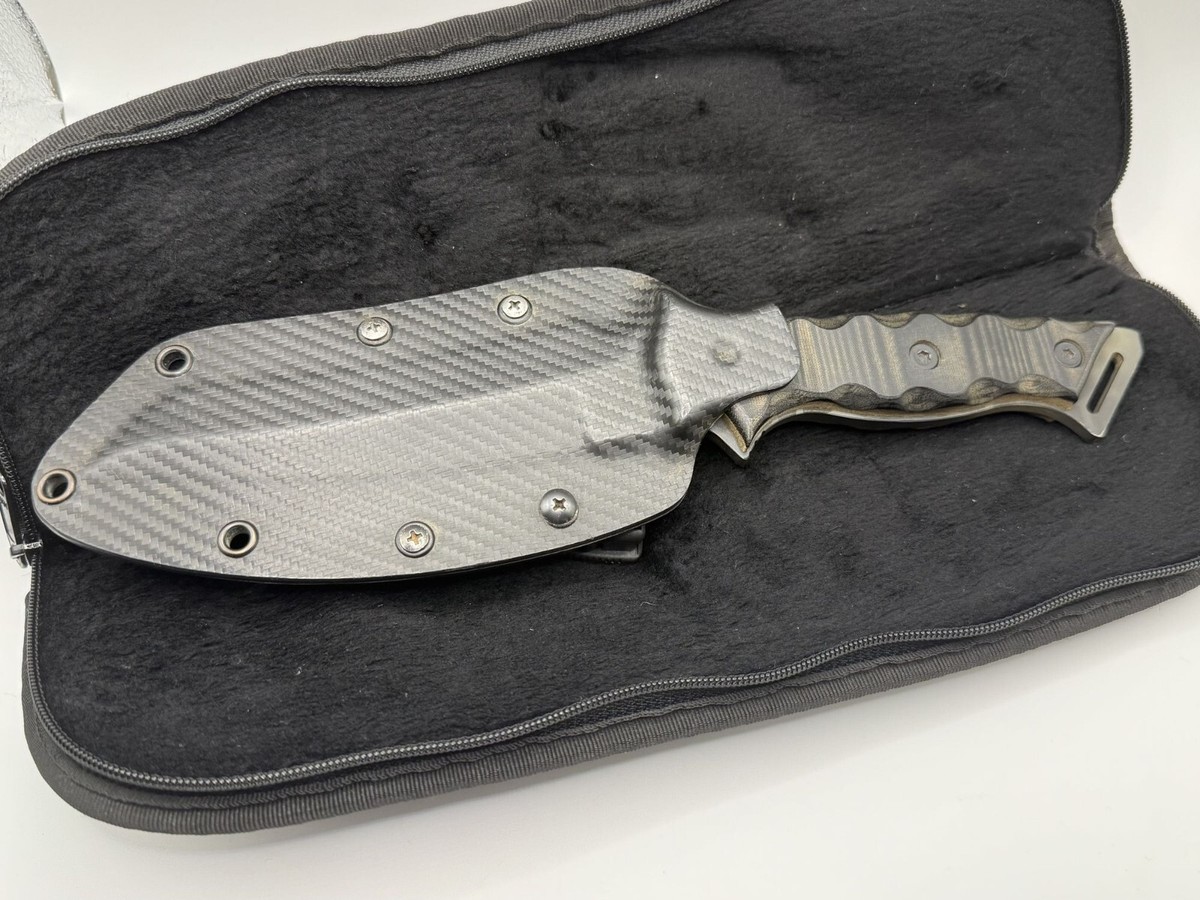
Primary survival blades are the main tools used on the show. They are sturdy and designed for heavy-duty tasks. Commonly, hosts use fixed-blade knives with full tangs for extra strength. These knives can cut wood, build shelters, and prepare food.
One example is the ESEE 6, known for its tough steel and comfortable grip. Such blades are versatile and reliable in tough conditions. They offer a balance of size and weight, making them easy to carry and use.
Specialized Knives For Tasks
Specialized knives serve specific roles during survival. Some knives have curved blades for skinning animals. Others have serrated edges for cutting ropes or saw-like tasks. These knives complement the primary blade by handling detailed work.
Hosts also carry small knives for precision tasks. These help in carving tools or preparing kindling. Each knife is chosen to fit a particular survival need, increasing efficiency and safety.
Custom Modifications
Custom modifications make knives more suited for survival situations. Some blades feature added coatings to resist rust and wear. Handles may be wrapped with paracord for extra grip and emergency use.
Hosts sometimes sharpen blades differently to suit cutting styles. Custom sheaths are designed for quick access and secure carry. These modifications improve performance and convenience in the wild.
Criteria For Knife Selection
Choosing the right knife for survival tasks requires careful thought. Every element of the knife affects its performance and reliability. The knives used on Dual Survival reflect specific criteria that make them effective in tough conditions.
These criteria help ensure the knife can handle cutting, chopping, and other survival needs without failing. They focus on material quality, ease of use, and practical size.
Blade Material And Durability
The blade must resist rust and stay sharp. High-carbon steel offers strength and sharpness but needs care to avoid rust. Stainless steel resists corrosion but can be softer. The knives on Dual Survival often use steel blends that balance toughness and rust resistance.
Durability matters most. The blade should hold an edge after heavy use. It must survive impacts without chipping or breaking. This ensures the knife works reliably in all situations.
Handle Design And Grip
The handle must provide a firm, comfortable grip. Survival tasks demand control and safety. A slip-resistant surface helps avoid accidents, especially when hands are wet or sweaty.
Ergonomic shapes reduce hand fatigue during long use. Materials like rubber or textured polymers improve grip. The knives in Dual Survival show handles built for secure hold and comfort.
Size And Weight Considerations
The knife should be easy to carry and use. A blade between 4 and 7 inches is common for survival knives. This size balances cutting power and portability.
Weight affects how long you can use the knife without tiring. Heavy knives can chop better but may slow you down. Lighter knives offer speed and precision but less chopping force. The ideal knife weighs enough to perform tough tasks but stays light for daily use.
Top Knives Used By Survivors
In the world of survival shows, “Dual Survival” stands out. It showcases the best tools for surviving in the wild. One key tool is the knife. Knives are essential for many tasks. Let’s explore the top knives used by survivors.
Fixed Blade Models
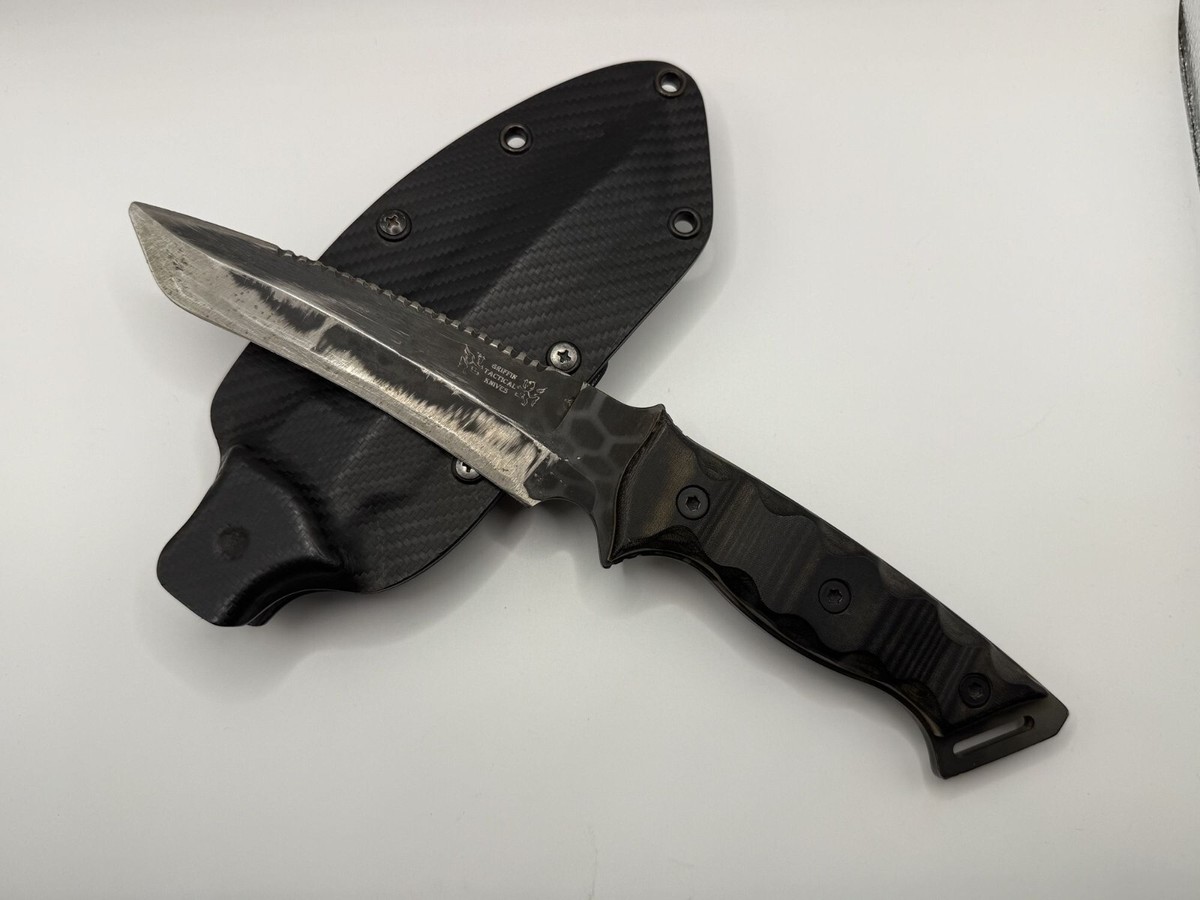
Fixed blade knives are strong and reliable. They don’t fold, making them sturdy. These knives are perfect for heavy tasks. Survivors often use them for chopping wood or building shelters. The blade is usually full tang, meaning it extends into the handle. This design adds strength and durability.
Folding And Compact Knives
Folding knives are convenient and easy to carry. They fit in pockets and backpacks. Despite their size, they are versatile. Survivors use them for small tasks like cutting rope. They have a locking mechanism for safety. Compact knives are lightweight, making them ideal for travel.
Multi-tools And Utility Blades
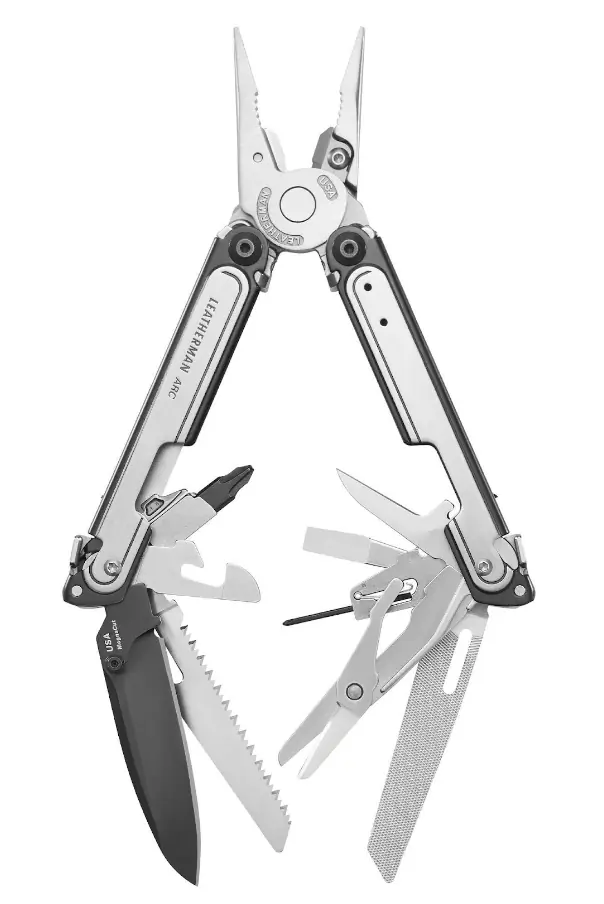
Multi-tools are versatile gadgets. They include blades, screwdrivers, and pliers. Survivors appreciate their multifunctional design. Utility blades are another handy option. They are great for precise cutting tasks. Both tools save space and offer various functionalities.
Credit: www.ebay.com
Knife Maintenance In The Wild
Knives on Dual Survival are vital tools that face tough conditions. Keeping them sharp, clean, and safe is key for reliable performance. Proper maintenance ensures the knife works well for cutting, carving, and survival tasks. Regular care in the wild extends the blade’s life and prevents damage. Here are simple ways to maintain your knife outdoors.
Sharpening Techniques
Sharp knives cut better and safer. Use a small sharpening stone or a piece of hard rock. Hold the blade at a steady angle, about 20 degrees. Move the blade across the stone in one direction. Repeat this on both sides until the edge feels sharp. Test by slicing a thin piece of wood or rope.
Cleaning And Rust Prevention
Clean the blade after each use to stop rust and dirt buildup. Wipe with a dry cloth to remove sap, dirt, and moisture. For sticky residue, use water sparingly and dry immediately. Apply a thin layer of oil, like vegetable or gun oil. This protects the metal from rust and corrosion. Avoid leaving knives in wet or damp places.
Safe Storage Practices
Store knives in a sheath or wrapped cloth to protect the blade. Keep them away from moisture and dirt. Never leave knives exposed to the elements. Hanging them on a belt or storing in a dry pack works well. Check the knife regularly for damage and clean before storage. Proper storage keeps the blade sharp and ready.
Choosing The Right Blade For Survival
Choosing the right blade for survival is crucial for any outdoor adventure. The knife must be reliable, strong, and suited to the tasks at hand. Survival situations demand a tool that can handle cutting, carving, and even self-defense. The blade should match the environment and the user’s needs to ensure safety and efficiency. Understanding these factors helps pick the perfect survival knife.
Matching Knives To Environments
Different environments require different knife features. A knife for dense forests needs a strong, thick blade for chopping wood. In desert areas, a lighter blade is easier to carry and use for fine tasks. Cold climates demand a blade that resists rust and stays sharp. Water-resistant handles also help in wet environments. Matching knives to the environment improves their usefulness and lifespan.
Task-specific Blade Features
Survival knives come with various blade shapes and sizes. A drop point blade offers strength and control for general tasks. A tanto blade provides sharpness for piercing tough materials. Serrated edges help cut ropes and fibrous plants. The handle should offer a secure grip and comfort during long use. Task-specific features boost the knife’s performance and reliability.
Budget And Availability
Survival knives vary widely in price. Budget options can still offer good quality and durability. Investing in a mid-range knife often ensures better materials and craftsmanship. Availability matters for quick replacements or upgrades. Choose knives that are easy to find in local stores or online. Balancing cost and quality ensures a dependable survival tool.

Credit: www.ebay.com
Frequently Asked Questions
What Types Of Knives Are Used On Dual Survival?
Dual Survival primarily features fixed blade knives. These knives are durable and ideal for survival tasks. Common choices include survival knives and tactical knives, designed for versatility and strength in the wilderness.
Why Do Experts Prefer Fixed Blade Knives On Dual Survival?
Fixed blade knives offer superior strength and reliability. They don’t have moving parts, making them less likely to break. This durability is essential for heavy-duty survival tasks shown on Dual Survival.
Are Folding Knives Ever Used On Dual Survival?
Folding knives are rarely used on Dual Survival. They are less durable and not suited for extreme survival conditions. The show emphasizes fixed blades for their toughness and multi-purpose use.
What Features Make A Knife Suitable For Dual Survival?
Knives on Dual Survival have strong, sharp blades with full tang construction. They often feature ergonomic handles for grip. These features ensure the knives perform well in varied and tough outdoor environments.
Conclusion
The knives used on Dual Survival show toughness and sharpness. Each knife suits different tasks outdoors. They help with cutting, carving, and survival needs. Choosing the right knife can improve your outdoor skills. These knives are made to last in tough conditions.
They balance strength, weight, and ease of use. Watching the show gives good ideas about survival tools. Knowing these knives helps you prepare better for adventures. A strong knife is key for any survival plan.