Your large survival knife is more than just a tool—it’s your reliable companion in tough situations. But when it’s dull, it can slow you down or even put you at risk.
Knowing how to sharpen your knife properly is key to keeping it ready for any challenge. In this guide, you’ll discover simple, effective methods to restore your blade’s edge quickly. By the end, you’ll have the confidence to sharpen your large survival knife like a pro, ensuring it performs at its best every time you need it.
Keep reading to master this essential skill.

Credit: www.reddit.com
Choosing The Right Tools
Choosing the right tools to sharpen your large survival knives makes all the difference. The right equipment not only saves time but also protects your blade’s edge and extends its life. Think about how often you use your knife and the conditions it faces—this will guide your choice.
Types Of Sharpeners
There are several types of sharpeners designed for different needs and skill levels:
- Whetstones:Traditional and versatile, they offer control over the sharpness but require some skill.
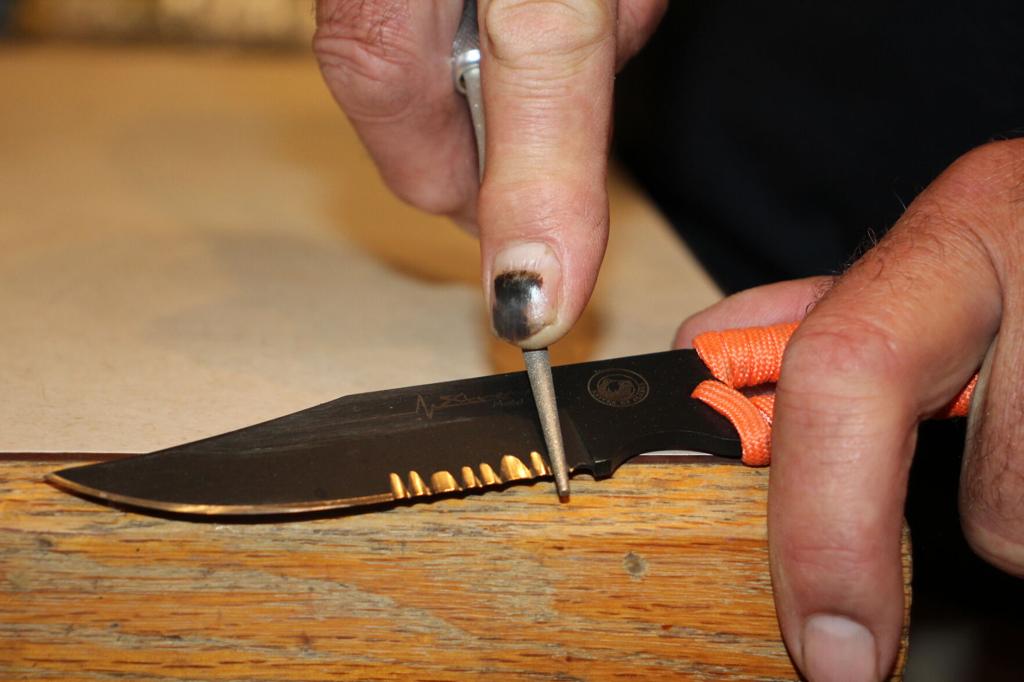
- Sharpening Rods (Honing Rods):Great for quick touch-ups and maintaining an edge but not for major sharpening.
- Electric Sharpeners:Fast and easy to use, ideal if you want consistent results without much effort.
- Diamond Plates:Aggressive and durable, perfect for repairing dull or damaged blades.
Which type fits your lifestyle and skill set? Your answer will shape how well you can maintain your knife’s edge in the field.
Benefits Of Professional Equipment
Professional sharpening tools often come with precise angle guides and high-quality abrasive materials. This means you can achieve a sharper and longer-lasting edge compared to basic tools.
Using professional equipment reduces the risk of over-sharpening or uneven edges, which can weaken your knife. If you rely heavily on your survival knife, investing in these tools pays off in reliability and performance.
Diy Options For Survivalists
If you’re outdoors and away from specialized gear, several DIY methods come in handy. Using rough stones, the back of a ceramic mug, or even sandpaper can help you sharpen your knife in a pinch.
These options won’t replace professional tools but can keep your blade functional until you get proper equipment. Have you ever found yourself sharpening with what was available around you? It’s a skill worth practicing for true survival readiness.
Preparing Your Knife
Preparing your large survival knife before sharpening is essential. Proper preparation ensures a smooth sharpening process and better results. It also keeps you safe while handling the blade. Start by cleaning the blade to remove dirt and rust. Check the blade carefully for any damage. Finally, secure the knife safely to avoid accidents during sharpening.
Cleaning The Blade
Remove all dirt, sap, and rust from the blade. Use warm water and mild soap with a soft cloth. Dry the blade completely to prevent rust. For stubborn rust, use a fine steel wool or rust remover. Clean blades sharpen more evenly and protect the sharpening tools.
Inspecting For Damage
Look closely for chips, cracks, or bends along the edge. Small chips can be fixed during sharpening. Large cracks or bends may need professional repair or replacement. Sharp edges work best on blades without serious damage. Inspect the entire blade for any weak spots.
Securing The Knife Safely
Place the knife on a stable surface before sharpening. Use a clamp or bench vise to hold the blade firmly. Keep your hands away from the edge at all times. Secure knives prevent slipping and reduce injury risk. Always sharpen in a well-lit area for better control.
Sharpening Techniques
Large survival knives stay effective with proper sharpening. Use a coarse stone to reshape the edge, then a finer stone to smooth it. Keep the angle steady for best results and avoid damaging the blade.
Sharpening your large survival knife is not just about maintaining its edge; it’s about ensuring your tool is ready for any challenge you face in the wilderness. With the right techniques, you can keep your knife sharp and effective. Let’s dive into some key sharpening methods that you can master at home.Maintaining The Correct Angle
One of the most critical aspects of sharpening is keeping the right angle between the blade and the sharpening tool. A common mistake is to change angles as you sharpen, which can lead to an uneven edge. Aim for a consistent angle, typically between 20 to 25 degrees for most survival knives. A practical tip is to use a guide or marker to maintain this angle. Consider using a sharpening guide if you’re a beginner. It helps to create muscle memory, making the process smoother over time.Using A Whetstone Effectively
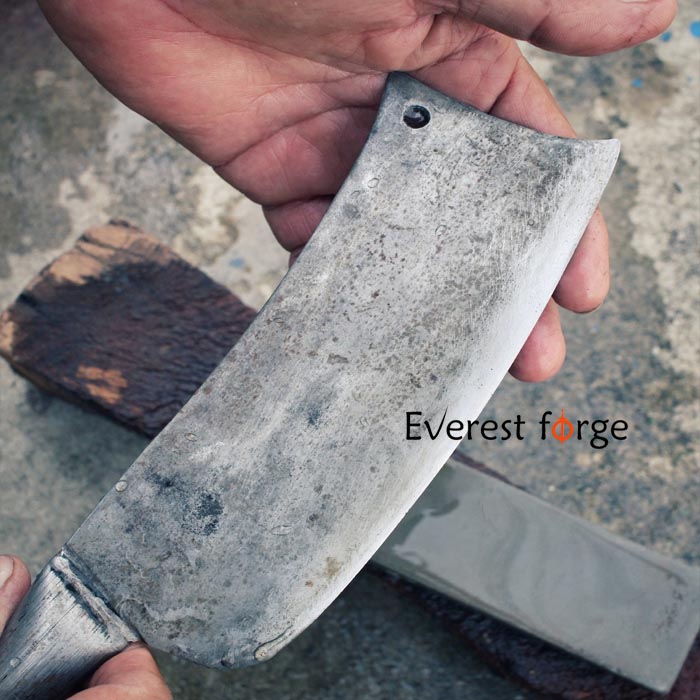
A whetstone is a versatile tool for sharpening large knives and requires a bit of technique. Start by soaking your whetstone in water for about 10-15 minutes. This lubrication helps reduce friction and heat, leading to a smoother sharpening process. Place the knife at the correct angle on the stone and move it in a sweeping motion. Ensure you cover the entire edge from heel to tip. Repeat this motion several times on both sides of the blade until you achieve the desired sharpness.Applying Consistent Pressure
Consistent pressure is key to an even sharpening job. Too much pressure can damage the edge, while too little might not sharpen the blade effectively. Aim for a firm yet gentle grip as you slide the blade over the stone. Think about how you press down when peeling a fruit—steady and controlled. Practice makes perfect, so don’t worry if it takes a few tries to get it right. Remember, patience is your ally in achieving a razor-sharp edge. By understanding and applying these techniques, you ensure your survival knife remains your trusty companion in the wild. Are you ready to take on the challenge and sharpen your skills today?
Credit: www.youtube.com
Advanced Edge Refinement
Advanced edge refinement takes your large survival knife from simply sharp to razor-ready. This stage focuses on perfecting the blade’s edge for maximum performance and durability. Small adjustments here can make a big difference in how your knife handles tough tasks.
Honing For Precision
Honing realigns the blade’s edge without removing much material. Use a fine ceramic rod or a leather strop with honing compound to gently refine the edge angle.
Hold the knife at a consistent angle—usually around 20 degrees—and draw it across the honing tool evenly on both sides. This technique sharpens minor imperfections and prepares the blade for stropping.
Stropping To Remove Burrs
Stropping is crucial to remove the tiny metal burrs formed during sharpening. These burrs can dull the edge quickly if left untreated.
Use a leather strop charged with a polishing compound. Pull the blade backward, away from the edge, to polish it without cutting into the strop.
This step smooths the edge, making it sharper and more durable. You’ll notice a cleaner, more precise cut after stropping.
Testing Sharpness Accurately
Testing your knife’s sharpness can be tricky. Avoid rough methods like cutting random objects that could damage the edge.
Try slicing thin paper or shaving a small patch of arm hair carefully. If the knife cuts cleanly without snagging, your edge refinement worked well.
How sharp is sharp enough for your survival needs? Adjust your honing and stropping based on these tests to hit the perfect balance between sharpness and edge retention.
Care After Sharpening
Proper care after sharpening keeps your large survival knife in top shape. It protects the blade and extends its life. This care includes cleaning, drying, storing, and regular upkeep. Each step helps maintain the sharpness and prevents damage or rust.
Cleaning And Drying
Clean the blade with warm water and mild soap. Avoid harsh chemicals that can damage the metal. Use a soft cloth or sponge to remove debris carefully. Rinse the blade thoroughly to remove all soap.
Dry the knife completely with a soft towel. Water left on the blade causes rust quickly. Pay close attention to the handle and joints where moisture hides. Air dry the knife for a few minutes before storage to ensure no moisture remains.
Proper Storage Tips
Store your knife in a dry place away from humidity. Use a sheath or blade cover to protect the edge. Avoid storing the knife in leather sheaths for long periods, as leather holds moisture.
Keep the knife separate from other tools to prevent scratches. A dedicated knife block or magnetic strip works well. Store the knife with the blade down if using a block to protect the edge.
Regular Maintenance Routines
Check your knife regularly for signs of rust or dullness. Wipe the blade with a lightly oiled cloth to prevent corrosion. Use food-safe mineral oil or specialized knife oil.
Sharpen the knife as soon as it shows dull spots. Frequent touch-ups keep the edge sharp and safe. Clean and oil the blade after each use, especially after exposure to moisture or acidic foods.
Common Mistakes To Avoid
Sharpening your large survival knife is essential for maintaining its effectiveness, but it’s easy to slip into habits that can damage your blade or reduce its lifespan. Avoiding common mistakes helps you keep your knife in top shape and ready for any challenge. Let’s look at some pitfalls you should watch out for during the sharpening process.
Over-sharpening Risks
Sharpening too often or using excessive force wears down the blade faster than necessary. Each time you sharpen, you remove a thin layer of metal, which can shorten the knife’s life if overdone.
Ask yourself: Are you sharpening because the blade truly needs it, or just out of habit? Excessive sharpening can lead to uneven edges and weaken the knife’s structure.
Ignoring Blade Material
Different blade materials require different sharpening techniques and tools. Using the wrong sharpening stone or angle on stainless steel versus carbon steel can ruin your blade’s edge.
Check your knife’s material before starting. Not all knives respond well to aggressive sharpening; some need gentler methods to maintain their durability.
Improper Angle Handling
Maintaining the correct sharpening angle is crucial for a sharp, durable edge. Holding your knife too steep or too flat against the stone can cause a dull edge or chips.
Try marking the edge with a pen before sharpening to see if you’re consistently hitting the right angle. Small adjustments can make a big difference in edge quality and blade life.
Credit: everestforge.com
Frequently Asked Questions
How Do I Sharpen A Large Survival Knife Safely?
Use a stable surface and secure the knife firmly. Employ a coarse sharpening stone first, then a fine stone. Always sharpen away from your body to avoid injury.
What Tools Are Best For Sharpening Survival Knives?
A whetstone or diamond stone is ideal. You can also use a sharpening rod for quick touch-ups. Avoid electric sharpeners as they can damage the blade.
How Often Should I Sharpen My Survival Knife?
Sharpen your knife every few uses or when it feels dull. Regular maintenance prevents blade damage and ensures optimal cutting performance.
Can I Sharpen A Survival Knife Without Special Tools?
Yes, you can use a ceramic mug’s rough bottom or sandpaper. These alternatives work but may not provide as precise an edge.
Conclusion
Sharpening large survival knives keeps them ready for any task. Use the right tools and take your time. Regular sharpening helps maintain the knife’s edge and safety. Clean the blade after sharpening to avoid rust. Practice these steps often to improve your skills.
A sharp knife makes outdoor activities easier and safer. Keep your knife sharp, and it will serve you well. Simple care and attention go a long way. Stay prepared with a well-sharpened survival knife.