When disaster strikes, having the right food in your emergency kit can make all the difference. You want to be prepared with items that not only keep you full but also give you the energy and nutrients your body needs to stay strong.
But with so many options out there, how do you choose the best foods to include? This guide will help you pick smart, practical foods that last long and keep you safe. Keep reading to discover exactly what you should pack, so when an emergency happens, you’re ready to face it with confidence.

Credit: medium.com
Choosing Long-lasting Foods
Choosing the right long-lasting foods for your emergency kit is crucial. You want items that stay fresh for months or even years without losing their nutritional value. This ensures you’re prepared no matter how long the emergency lasts.
Shelf-stable Options
Shelf-stable foods are staples in any emergency kit because they require no refrigeration and have a long shelf life. Think about items like rice, pasta, and dry beans. These foods are affordable, easy to store, and provide essential carbohydrates and proteins.
Don’t forget about nut butters and whole grain crackers. They offer quick energy and are easy to eat on the go. When choosing shelf-stable options, check the expiration dates and rotate your stock regularly to keep everything fresh.
Dehydrated And Freeze-dried Foods
Dehydrated and freeze-dried foods are excellent for packing lightweight, nutrient-dense meals. I once packed freeze-dried fruits and vegetables during a camping trip, and they tasted surprisingly fresh and vibrant. These foods retain most of their nutrients since the moisture is removed without cooking.
They’re perfect if you want variety and vitamins in your emergency kit. Just add water, and you get a quick meal ready in minutes. Look for meals like soups, stews, and even scrambled eggs in freeze-dried form for easy preparation.
Canned Goods
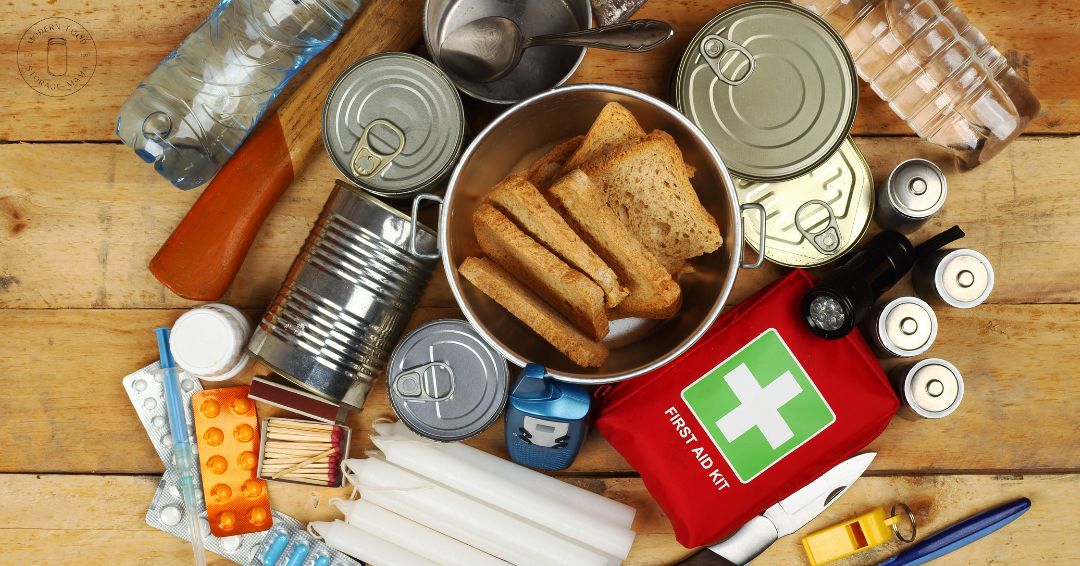
Canned goods are a reliable choice that can last for years if stored properly. Items like canned beans, vegetables, fruits, and meats provide balanced nutrition and require minimal prep. One tip: choose cans with pull-tab lids to avoid needing a can opener during emergencies.
Be cautious with high-sodium canned foods if you have health concerns. Rotate cans regularly and inspect for any dents or leaks to ensure safety. Have you checked your canned goods lately to make sure they’re still good to eat?

Credit: www.mypatriotsupply.com
High-energy Food Picks
Choosing high-energy foods for your emergency kit is essential to keep your strength up when you need it most. These foods should provide lasting energy without requiring cooking or refrigeration. Think about foods that are compact, nutrient-dense, and easy to eat on the go.
Nuts And Seeds
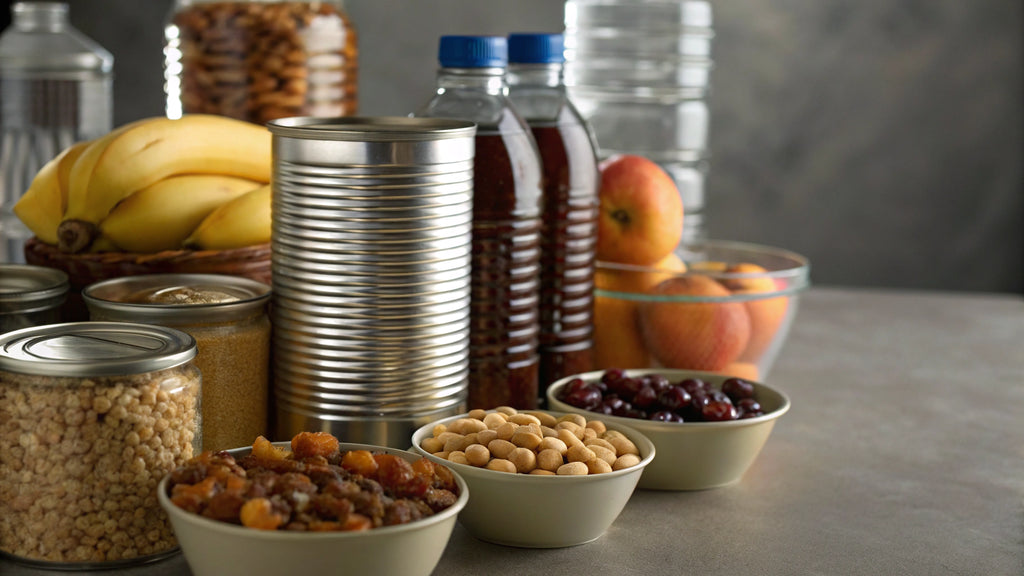
Nuts and seeds are powerhouses of energy and nutrition. Almonds, walnuts, pumpkin seeds, and sunflower seeds offer a great mix of healthy fats, protein, and fiber.
When I packed my kit, I found that having a small bag of mixed nuts kept me fueled during long, uncertain days. They don’t spoil quickly and are easy to portion out, making them perfect for emergencies.
Would you consider carrying a variety to keep your taste buds interested and your body energized?
Energy Bars And Snacks
Energy bars provide a quick, convenient source of calories when you’re on the move. Look for bars with natural ingredients like oats, dried fruits, and nuts rather than ones loaded with sugars.
I once relied on energy bars during a power outage. The right bar gave me enough energy to stay alert without feeling weighed down. Keep a few different flavors to avoid food fatigue.
What flavors or textures motivate you to keep snacking during tough times?
Peanut Butter And Nut Butters
Peanut butter and other nut butters are excellent for energy and protein. They’re also versatile—you can eat them straight or spread on crackers and bread.
In my experience, a spoonful of peanut butter can be incredibly satisfying and filling. Choose single-serve packets or small jars for easy storage.
Have you thought about how nut butters can add variety and comfort to your emergency meals?
Nutrient-rich Staples
Choosing nutrient-rich staples for your emergency kit is essential to keep your energy up and maintain health during tough times. These foods should be easy to store, have a long shelf life, and provide a balanced mix of proteins, carbs, and vitamins. Think about what will keep you fueled and feeling strong when fresh food isn’t an option.
Grains And Legumes
Grains and legumes form the backbone of a solid emergency food supply. They are packed with carbohydrates and protein, providing long-lasting energy and essential nutrients. Stock up on items like rice, oats, lentils, and beans—they store well and are easy to cook.
Have you ever noticed how a simple bowl of rice and beans can keep you full for hours? That’s the kind of reliable energy you want in your kit. Plus, these foods are versatile enough to mix with other ingredients or eat on their own.
Powdered Milk And Dairy Alternatives
Powdered milk is a convenient way to add calcium, protein, and vitamin D to your emergency diet. It lasts for months and can be rehydrated quickly with water. If you’re lactose intolerant or prefer plant-based options, powdered almond, soy, or oat milk are great alternatives.
When I packed my first emergency kit, I underestimated the value of powdered milk until I realized how much it helped boost my meals. It’s a simple addition that makes a big difference in nutrition and taste.
Dried Fruits And Vegetables
Dried fruits and vegetables deliver essential vitamins and minerals without the risk of spoilage. They also provide fiber, which helps maintain digestion during stressful situations. Favorites like dried apricots, apples, carrots, and spinach can brighten up meals and snacks alike.
Consider how a handful of dried fruit can satisfy your sweet tooth while giving you a healthy energy boost. Don’t overlook dried veggies—they add color, texture, and nutrients to your emergency meals.
Hydration Essentials
Staying hydrated is a top priority in any emergency situation. Your body needs water to function properly, especially under stress or extreme conditions. Without the right hydration supplies, even the best food won’t keep you going.
Water Storage And Purification
Having enough clean water stored is crucial. Store at least one gallon per person per day to cover drinking and basic hygiene needs.
Don’t rely solely on bottled water; consider reusable containers like BPA-free jugs or collapsible water bags. These save space and reduce waste.
Purification tools such as water filters, purification tablets, or even boiling equipment can turn unsafe water into safe drinking water. This can be a lifesaver if your supply runs out or gets contaminated.
Electrolyte Drinks
Water alone might not be enough during intense heat or physical exertion. Electrolyte drinks help replenish sodium, potassium, and other minerals your body loses through sweat.
Packets of powdered electrolyte mixes are lightweight and easy to store. You can add them to your stored water to boost hydration effectiveness.
If you’ve ever felt weak or dizzy after working hard outdoors, you know how important electrolytes are. Keep these drinks handy to avoid those symptoms in an emergency.
Avoiding Dehydrating Beverages
Avoid caffeine and alcohol in your emergency kit. Both increase fluid loss and can worsen dehydration.
Even sugary sodas or energy drinks may seem hydrating, but they often have the opposite effect due to high sugar content.
Ask yourself: Would you rather drink something that helps your body or something that makes hydration harder? In emergencies, clear water and electrolyte drinks are always the better choice.
Special Dietary Needs
Special dietary needs require careful planning when you prepare your emergency food kit. You can’t rely on generic items if you or your loved ones have specific restrictions. Your kit should include foods that keep you nourished and safe, even during a crisis.
Gluten-free Choices
If gluten is off your menu, pack naturally gluten-free foods that last long. Rice, quinoa, and cornmeal are great staples that won’t spoil quickly. Also, look for gluten-free crackers and canned beans to add variety and nutrition.
Don’t forget to check labels carefully. Cross-contamination can happen, so choose certified gluten-free products to avoid hidden gluten. Have you tested your emergency snacks in advance to ensure they meet your dietary needs?
Vegan And Vegetarian Options
Your emergency kit can support plant-based diets with canned vegetables, dried fruits, and nuts. Ready-to-eat lentil or chickpea soups are nutritious and easy to store. Nutritional yeast and fortified plant milks can help cover essential vitamins.
Look for shelf-stable tofu or tempeh if refrigeration isn’t an option. Think about your protein sources—having enough is vital to maintain energy and strength. How do you plan to keep variety in your meals when fresh produce isn’t available?
Allergy-friendly Foods
When allergies are a concern, avoid common triggers like peanuts, tree nuts, dairy, or eggs. Pack safe options like sunflower seed butter, rice cakes, and canned fruits. Ensure you have alternatives that meet your specific allergy requirements.
Include an allergy emergency plan along with your food supplies. Label each item clearly to avoid confusion during stressful situations. Have you informed everyone in your household about allergy-safe choices in your kit?
Credit: www.battlbox.com
Packaging And Storage Tips
Packing and storing food properly is crucial for an emergency kit. Good packaging protects food from moisture, pests, and air. Proper storage keeps food fresh longer and ready for use. Follow these tips to ensure your emergency food stays safe and edible.
Proper Sealing And Containers
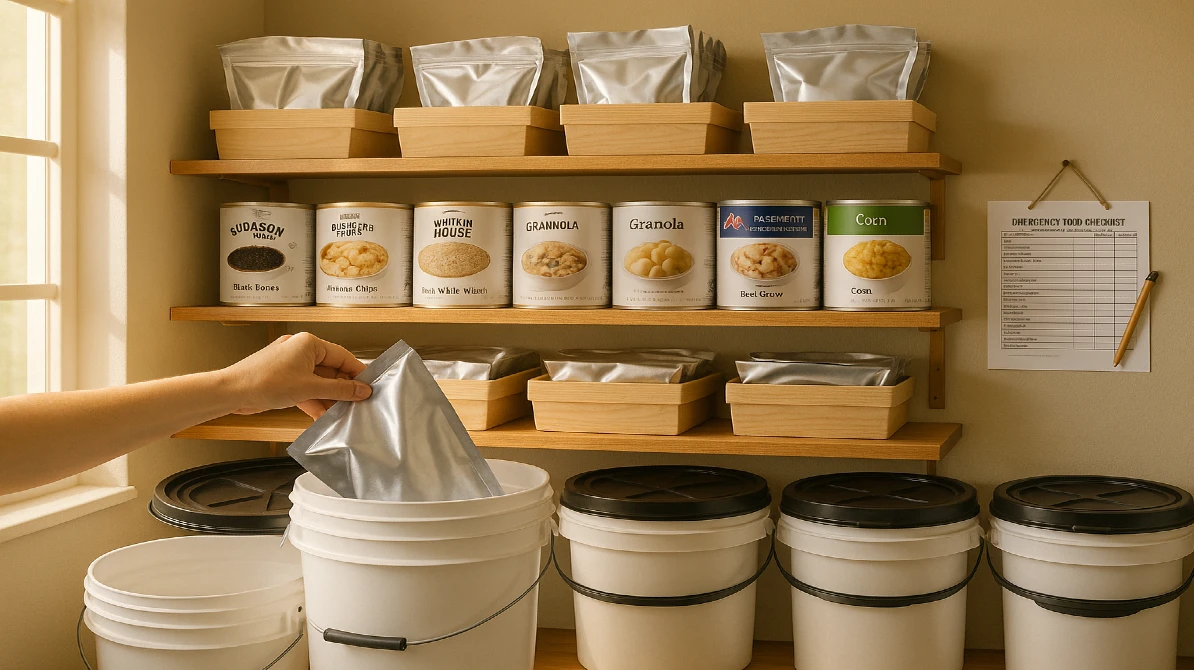
Seal food tightly to keep air and moisture out. Use airtight containers like glass jars or plastic bins with secure lids. Vacuum-sealed bags work well to remove air and extend shelf life. Avoid thin plastic bags that can tear easily. Label containers with the food name and packing date for quick identification.
Temperature Considerations
Store food in a cool, dry place away from sunlight. High temperatures can spoil food faster. Keep the storage area between 50°F and 70°F if possible. Avoid places with temperature swings like garages or near heaters. Consistent temperature helps maintain food quality and safety.
Rotation And Expiry Management
Check your emergency food regularly for expiry dates. Use the oldest items first and replace them with fresh supplies. Keep a list of expiry dates to track when to rotate items. Rotate food every six to twelve months to ensure freshness. Proper rotation prevents waste and keeps your kit ready.
Frequently Asked Questions
What Are The Best Non-perishable Foods For Emergency Kits?
The best non-perishable foods include canned beans, rice, pasta, peanut butter, and dried fruits. These items last long and provide essential nutrients. Choose foods that require minimal preparation and water for convenience during emergencies.
How Much Food Should I Store In An Emergency Kit?
Store at least a three-day supply of food per person. This amount covers basic nutritional needs in case of disaster. Adjust quantities based on family size and dietary requirements for safety and comfort.
Can I Include Ready-to-eat Meals In My Emergency Kit?
Yes, ready-to-eat meals like MREs or freeze-dried options are ideal. They are easy to prepare, lightweight, and have a long shelf life. These meals ensure you get balanced nutrition quickly during emergencies.
Should I Add Snacks To My Emergency Food Supply?
Including snacks like granola bars, nuts, and dried fruits is helpful. They provide quick energy and are easy to store. Snacks also boost morale during stressful situations.
Conclusion
Choosing the right food for your emergency kit keeps you safe and nourished. Pick items that last long and need little preparation. Think about your health and taste preferences too. Store your food in a cool, dry place. Check and replace expired items regularly.
A well-stocked kit brings peace of mind during tough times. Stay ready. Stay prepared. Your emergency food can make all the difference.