Have you ever wondered if there’s enough emergency food when you need it most? Whether you’re preparing for a natural disaster, a power outage, or any unexpected crisis, knowing if emergency food supplies are running low is crucial.
Your safety and peace of mind depend on having reliable access to food that can last through tough times. You’ll discover the real facts about emergency food availability, what might be causing shortages, and how you can make sure your own supplies are secure.
Keep reading—your future self will thank you.
Current State Of Emergency Food Supplies
The current state of emergency food supplies shows a mix of stability and concern. Stock levels vary across the globe, influenced by many factors. Some regions maintain healthy reserves, while others face shortages. Recent events have also impacted availability and distribution. Understanding these details helps clarify if there truly is a shortage.
Global Stock Levels
Worldwide, emergency food stockpiles differ widely. Some countries keep large reserves to prepare for crises. Others hold limited supplies due to budget or storage limits. Global food agencies track these levels closely. They report that while overall stocks remain adequate, certain food types are low. Staples like rice and wheat have better availability than specialized items.
Regional Variations
Supply levels vary greatly by region. Developed nations often have well-managed emergency food systems. Developing areas may struggle with storage and logistics. Regions prone to natural disasters usually prioritize stockpiles. Political instability can also disrupt food reserves. Local climate and crop yields influence food availability too.
Impact Of Recent Events
Recent natural disasters and conflicts have strained food supplies. Floods, droughts, and wars disrupt farming and transport. Pandemic-related issues slowed production and shipping worldwide. These events caused delays and increased costs. Emergency food programs faced challenges in reaching affected populations. Some stocks were used faster than expected, reducing reserves.

Credit: www.reddit.com
Factors Contributing To Food Shortages
Understanding the factors behind emergency food shortages can help you prepare smarter and avoid surprises during critical times. These shortages don’t just happen overnight—they build up from complex challenges affecting food availability and distribution. Let’s break down some key reasons that might be impacting your access to emergency food supplies.
Supply Chain Disruptions
Supply chains are the backbone of food delivery, moving products from farms to your table. Interruptions like transportation delays, labor shortages, or factory shutdowns can create gaps in availability. Have you ever noticed empty shelves during a crisis? That’s a clear sign supply chain problems are at play.
Shipping container shortages and port congestions can also slow down imports and exports. This means even if food is produced, it might not reach your local store on time. Thinking ahead about these delays can help you maintain a reliable stock of emergency food.
Climate Change Effects
Weather patterns are becoming less predictable, directly affecting crop yields worldwide. Droughts, floods, and extreme storms can destroy harvests and reduce the amount of food grown each year. You might have seen news stories about farmers struggling with unusual weather—this impacts the food supply chain too.
Changing climate conditions also introduce new pests and diseases that harm crops, leading to lower production. How does this affect your emergency food? Less production means higher prices and limited options when you shop.
Economic Challenges
Rising costs for fuel, labor, and raw materials increase the price of producing and transporting food. This often results in higher retail prices or reduced stock as businesses try to manage expenses. Your grocery bill might have gone up recently, reflecting these hidden economic pressures.
Inflation and economic instability can also reduce consumer purchasing power, causing shifts in demand that disrupt normal supply patterns. Have you adjusted your shopping habits because of these changes? Understanding this helps you plan your emergency food budget wisely.
Emergency Food Production Challenges
Emergency food production faces several hurdles that affect the availability and reliability of supplies. These challenges impact how quickly and effectively emergency food can reach those in need. Understanding these obstacles helps you see why shortages occur and what can be done to address them.
Resource Limitations
Raw materials like grains, vegetables, and proteins are essential for emergency food production. Yet, these resources often face scarcity due to climate change, poor harvests, or supply chain disruptions.
Water and energy shortages also limit production capacity. When factories can’t access enough electricity or clean water, the entire process slows down.
Have you ever thought about how a drought in one region could ripple through global emergency food supplies? It’s a stark reminder of how connected these resources are to your ability to access emergency food.
Technological Barriers
Producing long-lasting, nutritious emergency food requires advanced technology. Not every facility has the latest equipment for freeze-drying, vacuum sealing, or fortifying meals.
Investment in technology can be expensive and slow. Smaller producers struggle to keep up, which limits the overall volume of emergency food available.
Imagine the difference if every emergency food producer could upgrade to cutting-edge technology—how much more food could be made shelf-stable and ready to distribute?
Labor Shortages
Skilled workers are crucial for maintaining production lines and quality control. However, many food production facilities face labor shortages.
Low wages and demanding work conditions often discourage workers from staying long-term. This turnover disrupts production schedules and causes delays.
Think about your local food factory: if they suddenly lost half their staff, how quickly could they recover? This reality affects emergency food availability more than most realize.
Government And Ngo Responses
Governments and NGOs play key roles in addressing emergency food shortages. They work quickly to provide support and prevent hunger. Their responses often include policies, relief actions, and new ideas. These efforts aim to reach those in need efficiently and fairly.
Policy Measures
Authorities create policies to manage food supply and distribution. They may reduce import taxes on food to lower costs. Some governments increase funding for food assistance programs. Policies also focus on protecting farmers and food producers. These measures help stabilize food availability during crises.
Relief Efforts
NGOs and government agencies distribute emergency food packages. They set up food banks and community kitchens in affected areas. Volunteers often deliver meals to people who cannot leave home. Relief efforts include clean water and nutrition support. Quick action saves lives and reduces hunger.
Innovative Solutions
New technology helps track food supplies and predict shortages. Some organizations use mobile apps to connect donors with those in need. Urban farming and community gardens provide fresh food locally. Drones deliver food to hard-to-reach places. Innovation improves access and reduces waste in emergencies.
Impact On Vulnerable Populations
The shortage of emergency food supplies hits vulnerable populations hardest, revealing deep inequalities in access to basic needs. These groups often lack the resources or support systems to secure adequate nutrition during crises. Understanding how shortages affect them can guide you in making a real difference.
Low-income Communities
People in low-income areas frequently depend on emergency food programs to bridge the gap between paychecks. When supplies run low, these communities face increased hunger and malnutrition risks. You might have noticed local food banks struggling to meet demand or even closing temporarily—this directly impacts families who rely on them.
What can you do? Supporting local food drives or donating directly to organizations serving these neighborhoods ensures food reaches those who need it most.
Displaced Persons
Displaced individuals, including refugees and those uprooted by natural disasters, confront food shortages in unfamiliar environments. Without stable access to emergency food, their health and ability to rebuild are severely compromised. Imagine being forced to leave your home and then not knowing where your next meal will come from.
Volunteering with or donating to agencies that provide emergency aid for displaced persons can help fill these critical gaps.
Children And Elderly
Children and elderly people are especially vulnerable during food shortages because their nutritional needs are more specific and urgent. Malnutrition can stunt growth in kids and worsen chronic health conditions in seniors. If you’ve ever cared for an elderly relative or a child during hard times, you understand how crucial consistent nutrition is.
Ensuring emergency food supplies include age-appropriate options like fortified cereals for children or easy-to-prepare meals for seniors makes a big difference.
Credit: www.survivalist911.com
Future Outlook For Emergency Food Availability
The future of emergency food availability depends heavily on innovation, sustainability, and cooperation across borders. As challenges like climate change and supply chain disruptions grow, how we prepare and store food for emergencies is evolving quickly. Understanding these changes can help you stay better prepared and confident in your emergency plans.
Emerging Technologies
New technologies are changing how emergency food is produced and preserved. Freeze-drying and vacuum-sealing techniques now keep food fresh for longer periods without losing nutrients. Some companies are even developing lab-grown proteins and insect-based foods that provide high nutrition with less space and resources.
Have you considered how these innovations might fit into your emergency kit? Using these technologies can make your food supplies lighter, more compact, and easier to store.
Sustainability Practices
Focusing on sustainability is key to ensuring long-term food availability during emergencies. More producers are using renewable energy and reducing waste in food processing. Locally sourced and seasonal ingredients are also becoming popular to minimize transportation delays and costs.
Think about how you can support or adopt these practices in your emergency planning. Growing your own food or choosing sustainable emergency food brands can make a real difference.
Global Collaboration
Countries and organizations are working together to improve emergency food distribution worldwide. Sharing resources, knowledge, and technology helps tackle shortages faster and more effectively. International agreements also aim to keep food supplies flowing during crises, reducing the risk of local shortages turning into global problems.
What role can you play in this global effort? Staying informed and supporting initiatives that promote food security can help ensure emergency food availability for everyone.

Credit: homeschoolsuperfreak.com
Frequently Asked Questions
Is There Currently A Shortage Of Emergency Food?
Currently, emergency food supplies face occasional shortages due to increased demand and supply chain disruptions. These shortages vary by region and supplier. Stockpiling and timely purchasing can help avoid shortages. Governments and organizations work to maintain adequate emergency food reserves.
What Causes Emergency Food Shortages?
Emergency food shortages often result from natural disasters, pandemics, and supply chain issues. Increased consumer demand and panic buying also strain supplies. Production challenges and transportation delays contribute. Understanding these causes helps in better preparedness and response.
How Can I Prepare For An Emergency Food Shortage?
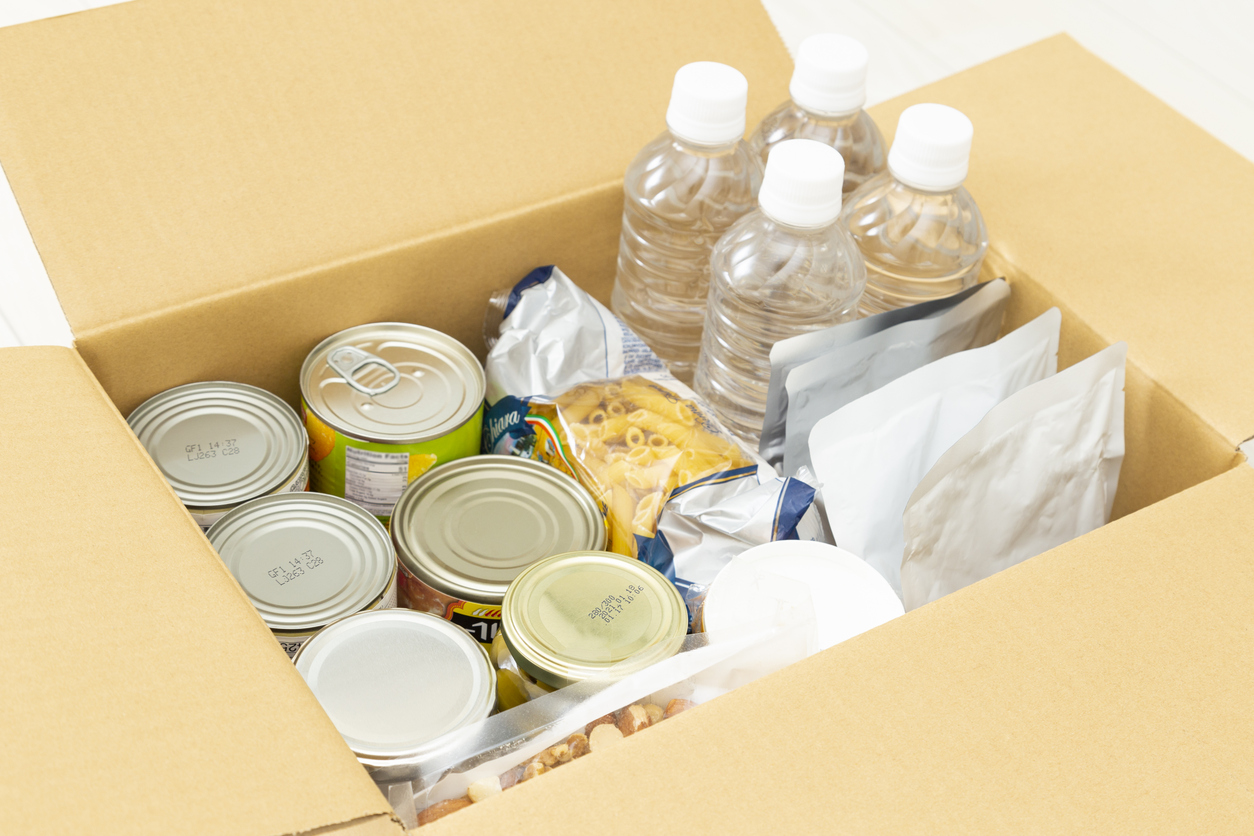
To prepare, stockpile non-perishable foods with long shelf lives. Rotate supplies regularly to keep them fresh. Consider diverse food options for balanced nutrition. Stay informed about local emergency alerts and supply updates. Preparation ensures food security during shortages.
Where Can I Buy Emergency Food During Shortages?
Emergency food is available online, at outdoor stores, and supermarkets. Specialty retailers focus on long-term food storage options. Buying early and in smaller quantities helps avoid stockouts. Local community centers sometimes distribute emergency food during crises.
Conclusion
Emergency food supplies face challenges today. Demand grows fast. Climate impacts food production. Distribution networks struggle. Communities must prepare better. Stock essential items at home. Support local food banks. Stay informed about food resources. Learn and share. Work together for solutions.
Small steps make big differences. Awareness helps us plan. Preparedness empowers communities. Facing shortages needs collective effort. Plan ahead. Stay resilient.