When a hurricane hits, your world can turn upside down in an instant. You might be wondering how you’ll get the food you need for your family while everything is disrupted.
That’s where emergency food stamps come in. But are they really available when a hurricane strikes? You’ll discover exactly what help you can expect, how to apply quickly, and what steps to take to keep your family fed during these tough times.
Keep reading to get the answers you need right now.
Emergency Food Stamps Basics
When a hurricane strikes, access to food can become a major concern for affected families. Emergency food stamps are designed to help people quickly get the nutrition they need during such crises. Understanding the basics of this assistance can make a real difference in how you prepare and respond to emergencies.
What Are Emergency Food Stamps
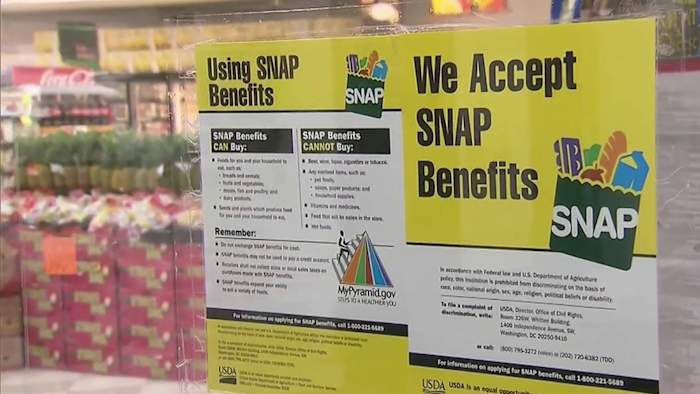
Emergency food stamps, often provided through the Supplemental Nutrition Assistance Program (SNAP), offer extra benefits to people impacted by disasters like hurricanes. These additional funds help cover food costs when usual resources might be disrupted.
The goal is simple: provide fast, temporary support to ensure no one goes hungry during recovery. You can use these benefits at most grocery stores just like regular SNAP benefits.
Who Qualifies For Assistance
Not everyone automatically receives emergency food stamps after a hurricane. Typically, the government declares a disaster area first, which triggers the release of emergency benefits.
If you live in an affected area and already receive SNAP, you might get extra benefits automatically. Others may need to apply quickly through local agencies or online.
- Residents in designated disaster zones
- Low-income families struggling due to the hurricane
- Individuals who lost income or food access because of the storm
Have you checked your eligibility or local disaster declarations? Knowing this can speed up your access to help when you need it most.
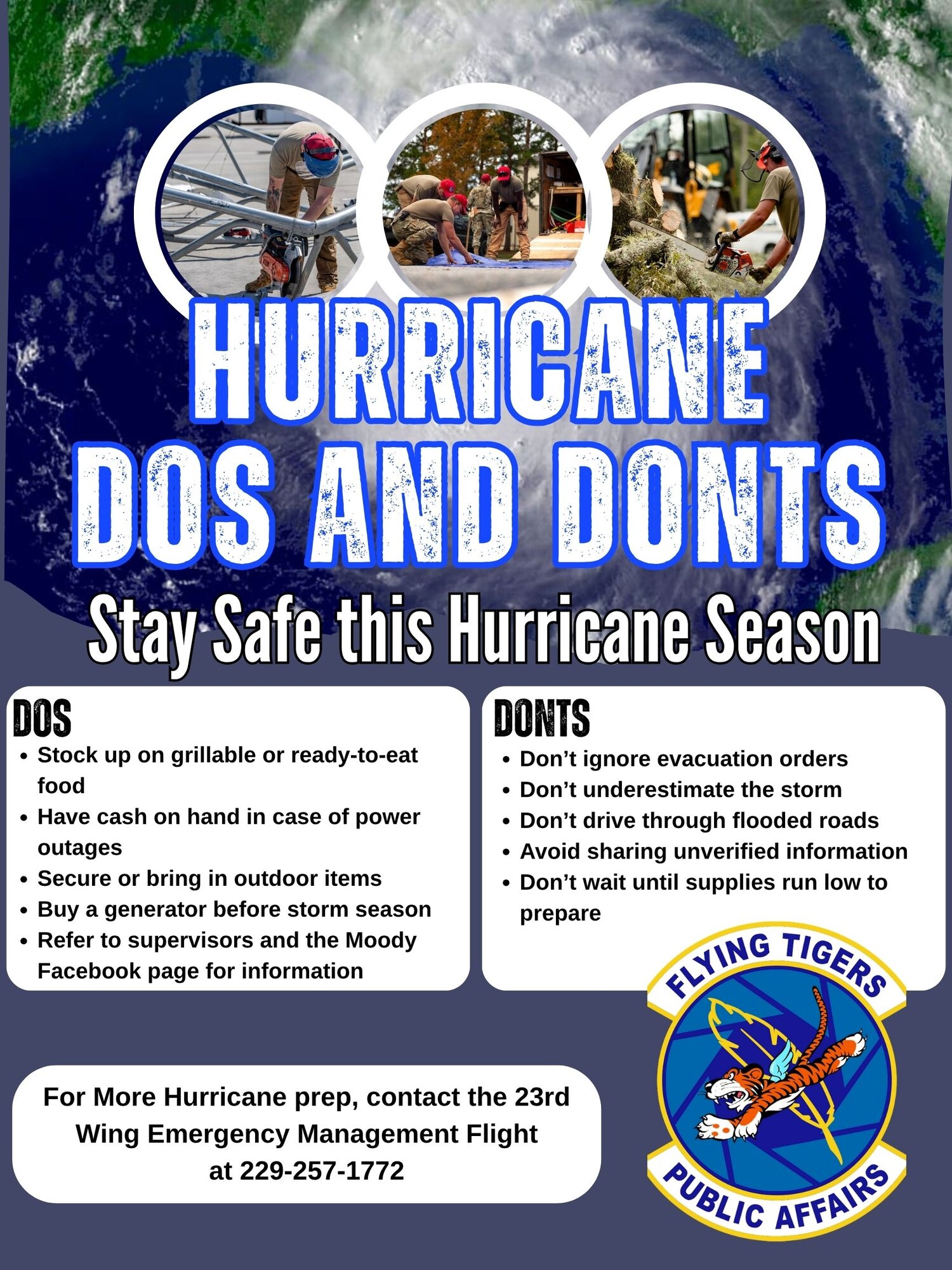
Credit: www.moody.af.mil
How Hurricanes Impact Food Security
Hurricanes cause serious challenges to food security in affected areas. They disrupt normal food supply and increase the hardships families face. Many people struggle to find enough food after a hurricane hits. Understanding how hurricanes impact food security helps explain the need for emergency food assistance programs.
Supply Chain Disruptions
Hurricanes damage roads, bridges, and transportation networks. This stops trucks and shipments from delivering food on time. Stores may run out of fresh produce, meat, and other staples. Power outages spoil perishable goods in stores and warehouses. Food prices can rise due to scarcity, making items less affordable. These disruptions create shortages and limit access to essential food.
Increased Financial Strain On Families
Families face higher expenses after a hurricane. Home repairs, medical bills, and temporary housing costs add up quickly. Many lose income due to job disruptions or business closures. These financial pressures reduce money available for buying food. Low-income families are especially vulnerable and may skip meals. Emergency food stamps and aid programs become critical for survival during this time.
Applying For Emergency Food Stamps
Applying for emergency food stamps after a hurricane can provide vital support. Many affected families rely on this aid to buy food during tough times. The process is straightforward but requires some important steps. Knowing where to apply, what documents to gather, and the deadlines can help secure benefits faster.
Where To Apply
Applications for emergency food stamps are usually handled by local agencies. These include the state’s Department of Social Services or the local food assistance office. Many states also offer online applications, which can be faster and easier. Some community centers and disaster relief shelters may provide help with the application process.
Required Documentation
Applicants must provide certain documents to prove eligibility. These often include:
- Proof of identity (ID card or driver’s license)
- Proof of residency (utility bill or lease agreement)
- Income information (pay stubs or benefits statements)
- Proof of hurricane impact (evacuation notice or damage report)
- Household size details
Having these documents ready speeds up the application review.
Application Deadlines
Emergency food stamp programs set specific deadlines after a hurricane. These deadlines vary by state and disaster declaration. It is crucial to apply as soon as possible to avoid missing out. Late applications may not be accepted or could delay aid delivery.

Credit: ca.news.yahoo.com
Additional Aid Programs During Hurricanes
During hurricanes, immediate access to food and resources can be a challenge. Beyond emergency food stamps, several aid programs step in to provide crucial support. Knowing about these options can help you navigate tough times more effectively and secure the help you need quickly.
Disaster Snap Benefits
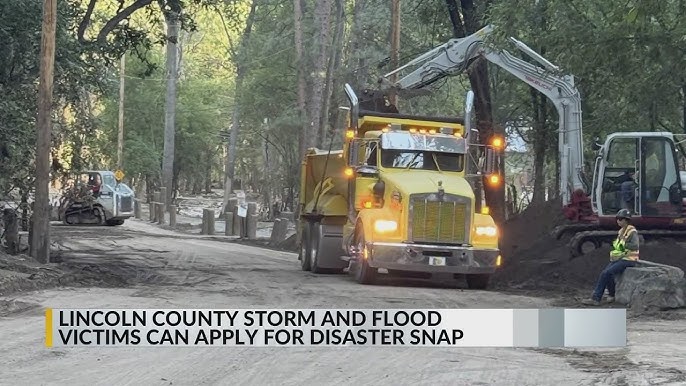
Disaster SNAP (Supplemental Nutrition Assistance Program) benefits offer fast financial help to families affected by hurricanes. These benefits are temporary and designed to cover food costs when your regular SNAP benefits are disrupted or insufficient.
You can apply for Disaster SNAP through your state’s emergency management or social services office. Keep important documents handy—like ID and proof of hurricane impact—to speed up the process. Have you checked if your state is currently offering these benefits after recent storms?
Local Food Banks And Pantries
Local food banks and pantries provide immediate access to groceries without the need for paperwork. They often set up special hurricane relief distributions that include fresh produce, canned goods, and bottled water.
Many community centers and churches coordinate these efforts, making it easier to find assistance near you. Don’t hesitate to visit or call these places, even if you’ve never used their services before. Could a quick visit to a local pantry be the solution you need today?
Community Support Services
Community support services go beyond food and include help with housing, medical care, and emotional support after a hurricane. Volunteers and local organizations often offer transportation, childcare, and repair assistance during recovery.
Connecting with these services can relieve stress and help you focus on rebuilding your life. Have you reached out to community centers or nonprofit groups in your area to see what support is available?
Tips For Maximizing Food Assistance
Maximizing food assistance during a hurricane is crucial for families facing tough times. Efficient use of available resources can stretch your food budget and reduce stress. Planning ahead helps you avoid unnecessary trips and last-minute expenses. Understanding supplemental resources broadens your options for support.
Planning Your Food Budget
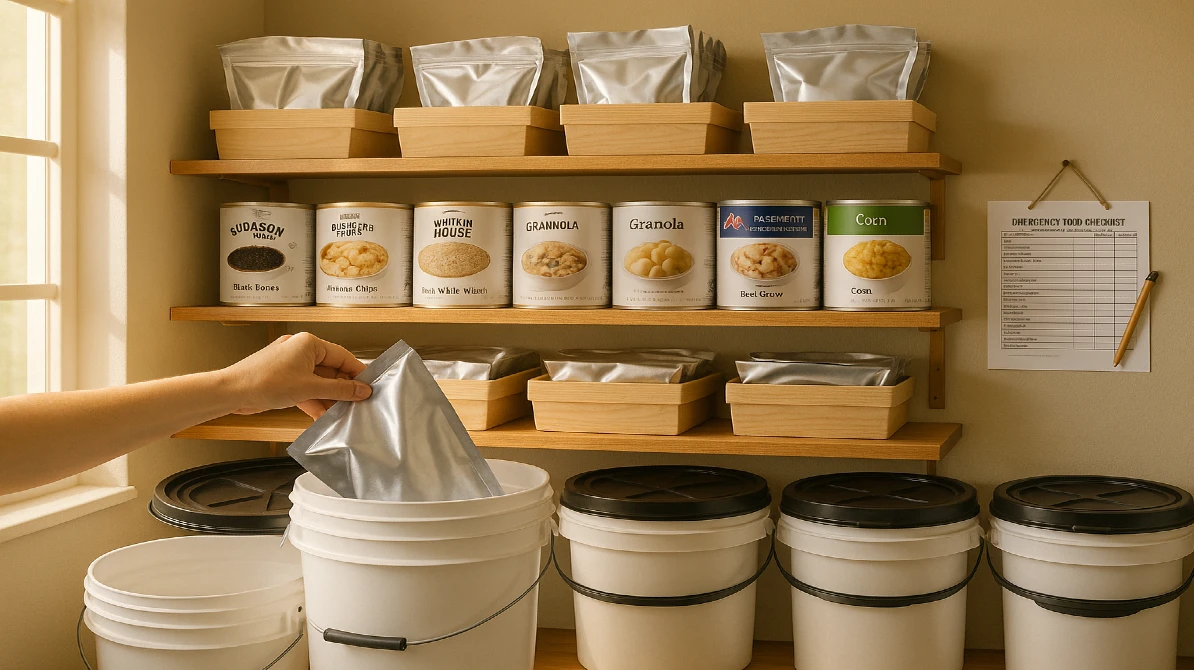
Start by listing all available food assistance benefits. Prioritize buying nutritious foods that last long, like canned vegetables and dried beans. Avoid buying luxury items that drain your budget quickly. Track your spending daily to stay within limits. Use simple tools like a notebook or phone app to record expenses.
Organize meals around affordable staples. Cook in bulk to save time and money. Store leftovers safely for future meals. Look for discounts or sales at local stores. Avoid impulse buys that do not fit your plan.
Accessing Supplemental Resources
Seek help beyond food stamps. Local food banks often provide free groceries. Community centers may offer hot meals during emergencies. Contact relief organizations for additional support. Government programs sometimes offer emergency food vouchers. Use online tools to find nearby assistance programs.
Share resources with neighbors or friends in need. Join local support groups to learn about new aid options. Keep emergency contacts handy for quick access to help. Remember, combining resources can improve food security during crises.

Credit: www.youtube.com
Frequently Asked Questions
Is Emergency Food Stamps Available After A Hurricane?
Yes, emergency food stamps, also known as Disaster SNAP (D-SNAP), are often available for hurricane-affected individuals. These benefits provide temporary food assistance to those impacted by disasters. Eligibility depends on income and damage. Apply through local agencies or disaster relief offices promptly after the event.
How To Apply For Emergency Food Stamps Post-hurricane?
To apply, contact your state’s emergency assistance office or visit their website. You may need proof of hurricane impact and income documents. Applications can often be submitted online, by phone, or in person at designated centers. Early application improves chances of receiving timely aid.
Who Qualifies For Hurricane Emergency Food Stamps?
Qualification typically requires proof of disaster-related income loss or property damage. Households with limited resources who face food insecurity due to the hurricane are prioritized. Specific criteria vary by state, so check local guidelines for exact eligibility requirements following the disaster.
How Quickly Are Emergency Food Stamps Issued After Hurricanes?
Emergency food stamps are usually issued within days to weeks after approval. The goal is to provide fast relief to affected families. Timing depends on application volume and verification processes. Check with local agencies for updates on distribution schedules in your area.
Conclusion
Emergency food stamps help many during hurricane crises. They provide quick support to families in need. Applying early can speed up the aid process. Local agencies and government websites offer guidance. Staying informed ensures you don’t miss important updates. This support can ease food worries after storms.
Remember, help is available for those affected. Taking action soon makes a real difference. Keep checking official sources for the latest news. Aid programs aim to help communities recover faster. Don’t hesitate to reach out and ask for help.