When an emergency strikes, having the right food on hand can make all the difference for you and your loved ones. But what exactly should you store to ensure you’re prepared?
Choosing good storage foods isn’t just about filling your pantry—it’s about picking items that last long, taste good, and provide the energy you need when it matters most. You’ll discover simple, practical options that fit your needs and keep you ready for whatever comes your way.
Keep reading, and you’ll learn how to build a smart, reliable emergency food stash that gives you peace of mind.
Essential Criteria For Storage Foods
Choosing the right storage foods for emergencies is more than just picking what looks good on the shelf. You need to focus on key qualities that ensure your food lasts, nourishes, and remains practical when you really need it. Understanding these essential criteria helps you build a reliable emergency food supply that won’t let you down.
Shelf Life Importance
Long shelf life is critical when selecting emergency foods. You want items that stay safe and edible for months or even years without losing quality.
Think about canned beans, dried pasta, and rice—they can often last several years unopened. This reduces the need for constant rotation, saving you time and money.
Have you ever opened a forgotten can only to find it spoiled? That’s why checking expiration dates and choosing stable foods is key.
Nutritional Value
Emergency foods should fuel your body properly, not just fill your stomach. Look for options rich in protein, fiber, vitamins, and minerals to keep your energy and health stable.
Items like nuts, freeze-dried vegetables, and powdered milk pack nutrients that support your body during stressful times. Avoid foods high in empty calories or excessive sugars.
Ask yourself: will this food keep me strong if I rely on it for days or weeks?
Storage Conditions
Your storage environment affects how well your emergency foods last. Foods that require no refrigeration and tolerate varying temperatures are best.
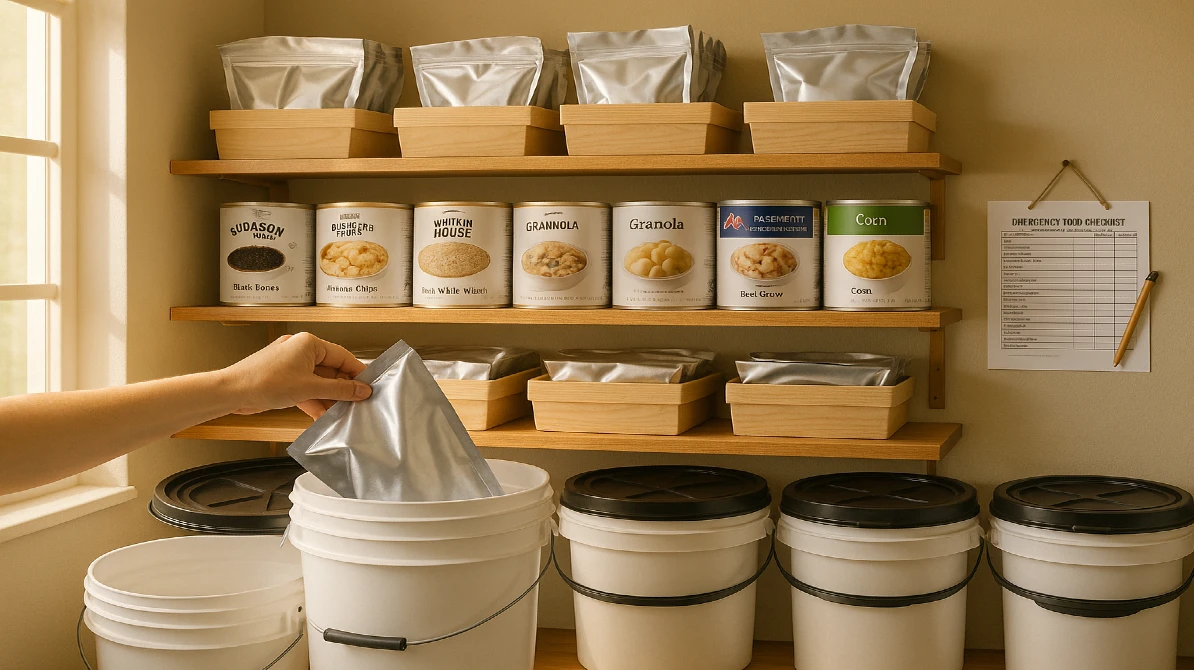
Sealed cans, vacuum-packed goods, and dehydrated items handle moisture and heat better. Consider your available space—small, airtight containers help keep pests out and maintain freshness.
Are you prepared to store foods safely in your current living space?
Ease Of Preparation
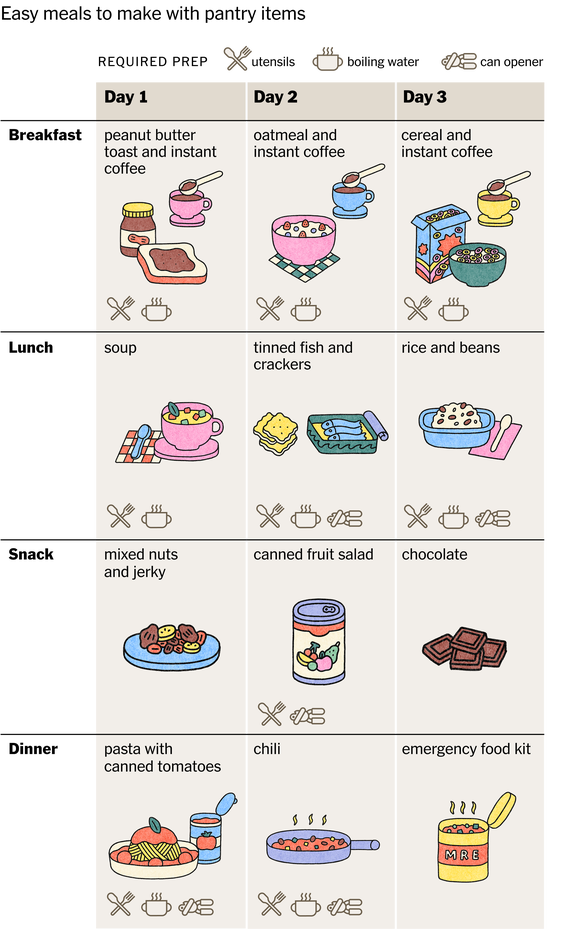
In an emergency, simple and quick meal prep matters. Foods that need minimal cooking or just boiling water can be lifesavers.
Instant oatmeal, canned soups, and ready-to-eat jerky are examples of easy-to-prepare options. Complex recipes or long cooking times might not be practical when resources are limited.
Think about your situation: can you cook elaborate meals, or do you need quick fixes?
Top Grains And Legumes
Grains and legumes form the backbone of any emergency food supply. They store well, provide essential nutrients, and can be used in countless recipes. Choosing the right types can make a big difference in how well your food lasts and how satisfying your meals are during tough times.
Rice Varieties
Rice is a staple that hardly ever goes bad if stored properly. White rice, especially long-grain, has a shelf life of 25-30 years when sealed in airtight containers. Brown rice, though healthier, doesn’t last as long due to its oil content and should be used within six months to a year.
Think about jasmine or basmati rice if you want something with a bit more flavor for your emergency meals. They cook quickly and pair well with many dishes, keeping your meals from feeling repetitive. Have you ever tried cooking rice in bulk and freezing portions? It’s a handy trick to save time.
Beans And Lentils
Beans and lentils are powerhouses of protein and fiber, essential when fresh food isn’t available. Dried beans like black beans, kidney beans, and chickpeas can last for years if kept dry and cool. Lentils cook faster than most beans and don’t require soaking, which is great when you’re limited on time or fuel.
Stock up on a variety of colors and types to keep your meals interesting. You can mix lentils with rice for a complete protein meal—perfect for energy and muscle repair. Have you considered sprouting beans to increase their nutritional value during emergencies?
Quinoa And Couscous
Quinoa and couscous might not be traditional emergency staples, but they deserve a spot in your pantry. Quinoa cooks quickly and is a complete protein, meaning it contains all nine essential amino acids. It also stores well for a couple of years in sealed containers.
Couscous, made from semolina wheat, offers a quick-cooking alternative with a mild taste that works well with many flavors. Both can be a welcome change if you want to avoid the monotony of rice and beans. Would you try quinoa or couscous to diversify your emergency meals?
Canned And Preserved Goods
Canned and preserved goods are essential staples for any emergency food storage. They offer long shelf life, easy storage, and convenience, making them perfect when fresh food isn’t an option. Understanding which canned items provide the best nutrition and variety can help you build a resilient emergency pantry.
Canned Vegetables And Fruits
Canned vegetables and fruits supply vital vitamins and minerals during emergencies. Choose options with no added sugar or salt to keep your diet balanced. Keep a mix of favorites like canned green beans, corn, peaches, and pineapple—you’ll appreciate the flavor and nutrients when fresh produce is unavailable.
Have you thought about how these preserved items can complement your meal plans? They’re ready to eat or easy to heat, saving you time and effort. Plus, canned fruits can double as a quick snack or dessert, boosting morale during tough times.
Canned Meats And Fish
Protein is critical for energy and muscle maintenance, and canned meats and fish deliver it reliably. Tuna, chicken, salmon, and even canned sausages or stews can be stored for years, ensuring you have a solid protein source. Look for low-sodium versions to maintain heart health.
Imagine the convenience of opening a can of chicken to add to your emergency salad or stew without worrying about spoilage. Canned meats are also lightweight and easy to pack if you need to evacuate quickly.
Ready-to-eat Meals
Ready-to-eat canned meals, like chili, soups, and pasta dishes, provide complete nutrition in one container. These meals save you the hassle of combining ingredients when time or resources are limited. They’re perfect for quick, no-prep meals during stressful situations.
Consider stocking a variety of flavors to keep your diet interesting. When emergencies stretch on, a familiar taste can offer comfort and normalcy. Do you have your favorite ready meal on hand to rely on when cooking isn’t an option?
Dehydrated And Freeze-dried Foods
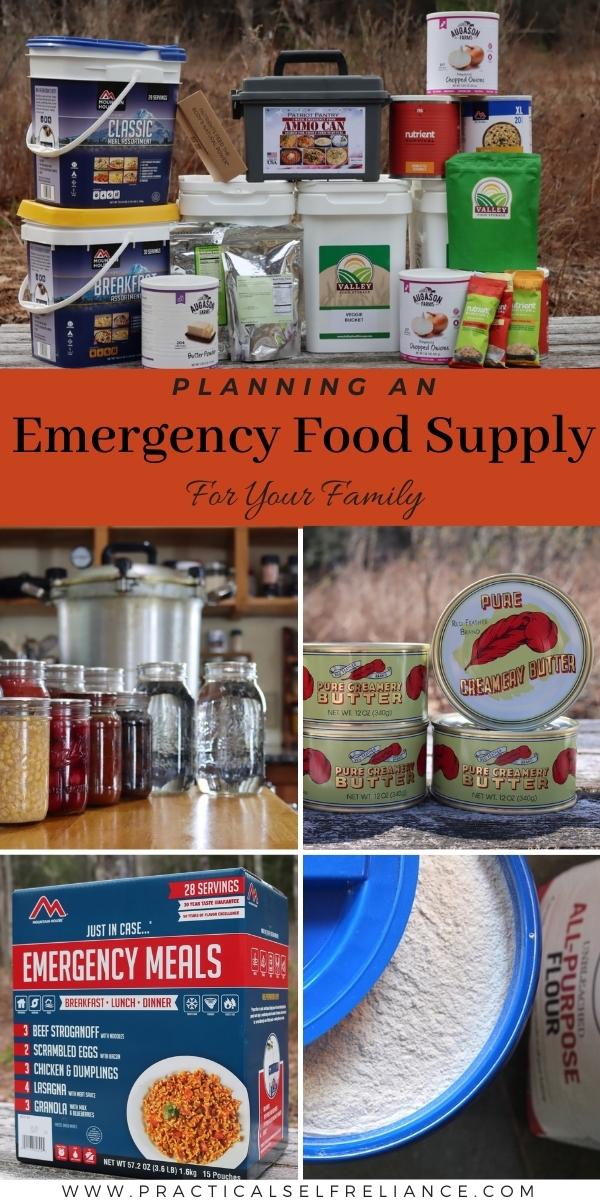
Dehydrated and freeze-dried foods are essential staples for any emergency food supply. They offer long shelf life, light weight, and easy storage, making them perfect for unexpected situations. Understanding their differences and how to use them can help you build a reliable food reserve that suits your needs.
Benefits Of Dehydration
Dehydration removes moisture from food, which slows down spoilage and bacterial growth. This process retains much of the food’s nutrients and flavor while significantly reducing weight and volume. You can store dehydrated fruits, vegetables, and meats for months or even years without refrigeration.
One of the benefits you might not expect is how easy dehydrated foods are to snack on without preparation. Imagine having dried apple slices or beef jerky ready to eat during a power outage or outdoor emergency. They provide quick energy and satisfy hunger without the need for cooking.
Popular Freeze-dried Options
Freeze-drying removes moisture by freezing food and then slowly removing ice through sublimation. This method preserves the food’s texture, flavor, and nutrients better than dehydration. Common freeze-dried foods include:
- Fruits like strawberries, mangoes, and blueberries
- Vegetables such as peas, corn, and spinach
- Full meals like scrambled eggs, pasta dishes, and soups
- Protein options like chicken, beef, and seafood
Freeze-dried foods are especially handy when space and weight are concerns, like in bug-out bags or camping kits.
Rehydration Tips
Knowing how to properly rehydrate your food can make a big difference in taste and texture. Use clean, warm water and add it gradually, allowing the food to soak for the recommended time—usually between 5 to 20 minutes. Stirring occasionally can help speed up the process and ensure even absorption.
Consider the type of dish you’re preparing. Soups and stews can take more water, while fruits for snacking may need less. If you’re ever unsure, add water slowly—you can always add more, but you can’t take it away. Have you tried rehydrating freeze-dried meals with broth instead of water? It adds flavor and makes the meal more satisfying.
Nut Butters And Seeds
Nut butters and seeds are excellent foods to store for emergencies. They offer high energy, healthy fats, and protein. These foods last long when stored properly. They also require no cooking, making them ideal during power outages or limited resources.
Peanut And Almond Butters
Peanut and almond butters are rich in calories and nutrients. They provide healthy fats, protein, and vitamins. These butters are easy to eat straight from the jar. They can also mix with other foods to add flavor and nutrition.
Choose natural or unsweetened varieties for better health. Avoid those with added sugar or hydrogenated oils. Store jars in a cool, dry place. Once opened, keep them in the refrigerator to extend freshness.
Chia And Flax Seeds
Chia and flax seeds are small but powerful nutrition sources. They contain omega-3 fatty acids, fiber, and antioxidants. These seeds absorb water, forming a gel-like texture. This helps keep you full and hydrated.
Sprinkle seeds on yogurt, oatmeal, or salads. They also blend well into drinks or baking recipes. Keep seeds in airtight containers to avoid moisture and spoilage. Store in a cool, dark place for the best shelf life.
Storage Tips For Oils
- Keep oils in dark, glass bottles to protect from light.
- Store oils in a cool, dry place away from heat.
- Seal containers tightly to prevent air exposure.
- Check oils for rancid smell before use.
- Use smaller containers if large bottles are hard to finish quickly.
Credit: practicalselfreliance.com
Comfort And Energy Boosters
During emergencies, comfort and energy boosters play a crucial role in keeping your spirits high and your body fueled. These foods not only provide quick energy but also offer a sense of normalcy when everything feels uncertain. Having a stash of these treats can make a big difference in how you cope with stressful situations.
Chocolate And Candy
Chocolate and candy are more than just sweet treats. They deliver a fast sugar boost that can lift your mood and energy levels almost instantly. Dark chocolate, in particular, offers antioxidants and a slight caffeine kick, making it a smart choice for emergencies.
Keep individually wrapped chocolates or hard candies in your emergency kit. They’re easy to store and won’t spoil quickly. Have you ever noticed how a small piece of chocolate can brighten your day during tough times?
Energy Bars And Trail Mix
Energy bars and trail mix are compact powerhouses loaded with nutrients and calories. They combine carbs, fats, and proteins, giving you sustained energy without the need for cooking. Choose bars with natural ingredients and minimal added sugar to stay healthier.
Trail mix, with nuts, seeds, and dried fruits, offers a crunchy, satisfying snack that’s easy to portion. You can customize it according to your taste and nutritional needs. Do you have a favorite trail mix recipe that keeps you going?
Instant Coffee And Tea
Instant coffee and tea can provide a comforting ritual and a caffeine boost when you need it most. Both are lightweight and have a long shelf life, making them perfect for emergency storage. A warm cup can calm nerves and help you focus during stressful moments.
Stock up on your preferred instant blends and don’t forget sugar or powdered milk if you use them. This small comfort might be just what you need to stay alert and motivated. What’s your go-to hot drink when you need a quick pick-me-up?
Water And Hydration Essentials
Water is the foundation of survival during any emergency. Without proper hydration, your body’s ability to function deteriorates quickly. Knowing how to store, purify, and supplement your water intake can make a real difference when access to clean water is limited.
Water Storage Guidelines
Store at least one gallon of water per person per day. This covers drinking, cooking, and basic hygiene needs. Use food-grade containers like BPA-free plastic jugs or glass bottles designed for water storage.
Keep your water containers in a cool, dark place to avoid contamination. Label each container with the date you filled it and plan to replace the water every six months. Don’t forget to have extra containers ready if your emergency lasts longer than expected.
Water Purification Methods
Even stored water can become unsafe, so have multiple purification options. Boiling water for at least one minute kills most pathogens. You can also use water purification tablets or drops, which are lightweight and easy to carry.
Portable water filters are another reliable choice, especially those designed to remove bacteria and protozoa. Ask yourself: do you have the right tools to purify water if your main supply runs out or gets contaminated?
Hydrating Foods
Some foods naturally provide hydration and nutrients simultaneously. Fresh fruits like watermelon, oranges, and cucumbers have high water content that helps maintain your fluid levels. Canned fruits and vegetables can also be a good option if fresh produce isn’t available.
Soups and broths not only keep you hydrated but also provide essential electrolytes. Think about adding these to your emergency food storage to complement your water supply. Have you considered how these hydrating foods could ease the burden when water becomes scarce?

Credit: mountainhouse.com
Packaging And Storage Solutions
Proper packaging and storage are key to keeping your emergency food fresh and safe. The right solutions protect your supplies from moisture, pests, and spoilage. Let’s look at some practical ways you can store your food effectively.
Airtight Containers
Airtight containers block air and moisture, which helps prevent mold and bacteria growth. Using glass jars, plastic bins with seal-tight lids, or metal cans can extend the shelf life of your food.
Choose containers that are easy to open but seal well. I once stored dried beans in regular plastic bags and found they got soggy after a few weeks. Switching to airtight containers made a huge difference in keeping them dry and ready to use.
Vacuum Sealing
Vacuum sealing removes air completely, which dramatically slows down food spoilage. This method works well for meats, grains, and dehydrated fruits.
You don’t need fancy equipment—basic vacuum sealers are affordable and simple to use at home. It’s a smart way to pack food in smaller portions, so you only open what you need, leaving the rest protected.
Cool And Dry Storage Spaces
Temperature and humidity control are often overlooked but crucial for food longevity. Store your emergency food in a cool, dry place away from direct sunlight.
Basements, closets, or pantries on the north side of your home can be ideal spots. Have you checked your storage area recently? Even slight dampness or heat can spoil your carefully stored food faster than you expect.
Rotating And Maintaining Supplies
Rotating and maintaining emergency food supplies keeps your stock fresh and usable. Proper care helps avoid waste and ensures you have safe, nutritious food ready. Staying organized saves time and reduces stress during emergencies.
Regular Inventory Checks
Check your food supplies often. Look for any signs of damage or spoilage. Write down what you have and note expiration dates. This simple habit helps you plan meals and know when to replace items.
First-in, First-out Method
Use older foods first and add new items at the back. This system prevents food from sitting unused for too long. Label packages with purchase dates if needed. This method keeps your stock fresh and reduces waste.
Replacing Expired Items
Throw away any expired food immediately. Replace them with fresh items to keep your supply ready. Set reminders to check expiration dates every few months. This practice ensures your emergency food is always safe to eat.

Credit: www.amazon.com
Frequently Asked Questions
What Are The Best Long-term Emergency Storage Foods?
Best long-term emergency foods include canned beans, rice, dried pasta, and freeze-dried fruits. These items last for years. They provide essential nutrients and are easy to store. Rotating these foods regularly ensures freshness and safety during emergencies.
How Should I Store Emergency Food For Maximum Shelf Life?
Store emergency foods in a cool, dry, and dark place. Use airtight containers to prevent moisture and pests. Label items with purchase dates. Avoid temperature fluctuations to maintain food quality and extend shelf life effectively.
Can I Store Fresh Food For Emergencies?
Fresh food has a short shelf life and is not ideal for long emergencies. Instead, focus on freeze-dried, canned, or dehydrated foods. These options provide longer storage and reliable nutrition during power outages or natural disasters.
What Nutrients Should Emergency Storage Foods Provide?
Emergency foods should include carbohydrates, proteins, fats, vitamins, and minerals. Balanced nutrition helps maintain energy and health during crises. Include foods like nuts, grains, canned meats, and vitamin-rich dried fruits for comprehensive nutrition.
Conclusion
Good storage foods last long and provide needed energy. Choose items that resist spoilage and need little water. Think about variety for balanced nutrition during emergencies. Keep your supply organized and check dates often. Store foods in cool, dry places to stay fresh.
Preparedness brings peace of mind and safety. Start small and build your food storage over time. Being ready helps you face unexpected situations calmly.