Your sleeping gear is your ticket to a good night’s rest. But have you ever thought about how clean it really is?
Dirt, sweat, and allergens can build up, making your sleep less refreshing and even affecting your health. Cleaning your sleeping gear properly can change the way you feel every morning. You’ll discover simple, effective steps to keep your gear fresh and comfortable.
Ready to wake up feeling truly rested? Let’s dive in and make your sleep space spotless.
Choosing The Right Cleaning Method
Choosing the right cleaning method is key to keeping your sleeping gear fresh and lasting longer. Different materials and types of dirt need different care. Cleaning your gear properly helps maintain comfort and hygiene. It also prevents damage and preserves the gear’s quality over time.
Materials Matter
Identify the material of your sleeping gear first. Cotton, synthetic fabrics, and down require different cleaning methods. Check the care label for specific instructions.
- Cotton is durable and often machine washable.
- Synthetics like polyester dry quickly but may need gentle cycles.
- Down and feather items need special cleaning to avoid clumping.
Choosing the right method based on material protects your gear. Avoid harsh detergents and high heat that can cause damage.
Spot Cleaning Vs Full Wash
Spot cleaning targets small stains or dirt without washing the whole item. Use a mild detergent and a soft cloth. Dab gently to avoid spreading the stain.
Full washing removes overall dirt and odors. Use machine wash or hand wash depending on the gear’s care instructions. Full wash is best for deep cleaning after heavy use.
- Spot clean for minor stains and quick refreshes.
- Full wash for thorough cleaning every few weeks.
Choosing between spot cleaning and full wash helps maintain cleanliness without wearing out the gear quickly.
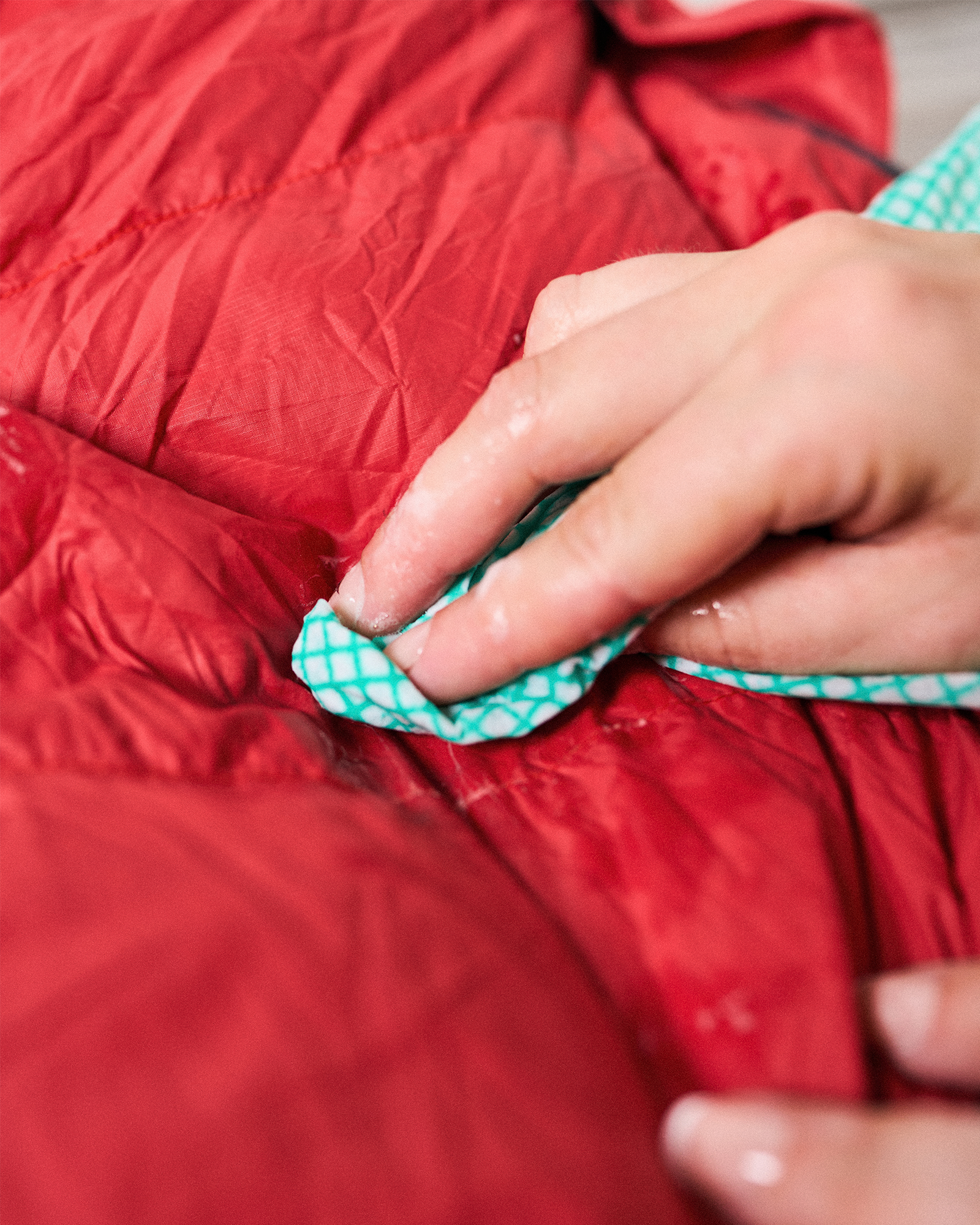
Credit: www.ellis-brigham.com
Washing Sleeping Bags
Sleeping bags collect dirt, sweat, and odors after outdoor use. Cleaning them keeps the fabric fresh and extends their life. Proper washing protects the insulation and fabric layers. Use gentle methods to avoid damage.
Machine Washing Tips
Check the sleeping bag label for washing instructions. Use a front-loading washing machine if possible. Choose a gentle cycle with cold water. Use a mild detergent made for delicate fabrics. Avoid fabric softeners and bleach. Rinse twice to remove all soap. Close all zippers and Velcro before washing. Place the bag loosely in the drum to prevent compression.
Hand Washing Steps
Fill a bathtub or large basin with cold water. Add a small amount of mild detergent. Submerge the sleeping bag fully and gently agitate the water. Let it soak for 15 to 30 minutes. Gently squeeze the bag to release dirt. Avoid wringing or twisting the fabric. Drain the soapy water and rinse with clean cold water. Repeat rinsing until no soap remains.
Drying Techniques
Remove excess water by pressing the bag gently. Avoid wringing to protect the insulation. Lay the bag flat on a clean surface or drying rack. Turn it over frequently to speed drying. Use a low heat setting in a large dryer if allowed. Add clean tennis balls to the dryer to fluff insulation. Ensure the bag is completely dry before storing to prevent mold.
Cleaning Sleeping Pads
Cleaning sleeping pads involves gentle washing with mild soap and cold water to avoid damage. Air drying in a shaded area keeps the pad fresh and prevents mold growth. Regular care extends the life of your sleeping gear and maintains comfort.
Cleaning your sleeping pads ensures a comfortable and hygienic sleep outdoors. Dust, dirt, and moisture can degrade the material over time. Regular cleaning extends the life of your gear. Let’s explore some effective ways to clean sleeping pads.Surface Cleaning
Start by shaking off loose dirt and debris. Use a soft brush to sweep away any remaining particles. Then, prepare a mixture of mild soap and warm water. Dampen a clean cloth with the solution and gently wipe the surface. Avoid soaking the pad, as excess water can harm the material. Rinse the cloth in clean water and wipe again to remove soap residue. Allow the pad to air dry completely before storing.Dealing With Stains And Odors
For stubborn stains, apply a mix of baking soda and water. Let it sit for 15 minutes. Gently scrub the area with a soft brush. Rinse with a damp cloth. For odors, sprinkle baking soda over the surface. Let it sit for several hours. Vacuum or shake off the baking soda. This helps absorb lingering smells. Ensure the pad is dry before packing it away. Regular maintenance keeps your pad fresh and ready for the next adventure.
Credit: www.amazon.ca
Maintaining Pillows And Liners
Maintaining pillows and liners helps keep your sleeping gear fresh and hygienic. Clean pillows support good sleep and reduce allergens. Liners protect pillows from dirt, sweat, and oils. Regular care extends the life of both pillows and liners.
Removable Liners Care
Remove liners and check the care label first. Most liners can be machine washed in cold water. Use a gentle detergent to avoid damage. Avoid bleach, which can weaken fabric fibers.
Dry liners on low heat or air dry them. High heat may shrink or ruin the material. Clean liners every two weeks to prevent buildup of dust and sweat. For quick refresh, spot clean stains with mild soap and water.
Pillow Cleaning Tips
Check the pillow’s label before washing. Some pillows allow machine washing, others need spot cleaning. Use warm water and mild detergent for machine-washable pillows. Dry pillows completely to stop mold and mildew growth.
Fluff pillows daily to keep their shape. For foam pillows, avoid soaking; use a damp cloth to clean. Replace pillows every 1-2 years to maintain good support and hygiene. Consider pillow protectors for extra cleanliness and durability.
Preventing Mold And Mildew
Mold and mildew can quickly ruin your sleeping gear, making your cozy nights uncomfortable and unhealthy. These fungi thrive in damp, warm environments, which makes your sleeping bags, pillows, and blankets prime targets if not properly cared for. Preventing mold and mildew is essential not just for cleanliness but also to extend the life of your gear.
Proper Drying Practices
Always dry your sleeping gear thoroughly before storing it. Even a little moisture trapped inside can lead to mold growth. If possible, hang your sleeping bag or blankets outdoors in sunlight, as UV rays help kill mold spores.
If outdoor drying isn’t an option, use a well-ventilated room with a fan or dehumidifier. Avoid stuffing wet gear into tight spaces or plastic bags, as this creates the perfect environment for mildew. Have you ever opened your sleeping bag only to find a musty smell? That’s a sign it wasn’t dried properly.
Storage Recommendations
Store your sleeping gear in a cool, dry place with good air circulation. Avoid plastic containers or bags that trap moisture. Instead, use breathable fabric storage sacks or mesh bags to keep your gear fresh.
Adding natural moisture absorbers like silica gel packets or charcoal bags can help keep humidity levels low. Remember, storing your gear loosely rather than compressed helps prevent damage and allows air to flow. How often do you check your stored gear for signs of mold? Regular inspections can save you from nasty surprises.
Quick Refresh Tips While Camping
Keeping your sleeping gear fresh during a camping trip can be challenging. Dirt, sweat, and moisture build up quickly, making your rest uncomfortable. Luckily, some simple actions can give your gear a quick refresh and keep it pleasant night after night.
Air Out Gear Daily
After waking up, take a few minutes to unzip your sleeping bag and spread it out. This allows trapped moisture to escape and prevents musty smells from settling in. Hanging your sleeping pad or tent sleeping area in the sun or breeze for even 15 minutes can make a big difference.
I once ignored airing out my sleeping bag for two nights straight. By the third morning, it smelled sour and felt damp. Airing it out daily could have saved me from that unpleasant surprise.
Use Natural Deodorizers
Natural deodorizers are gentle and effective at keeping your gear smelling fresh. You can stuff small sachets of dried lavender, cedar chips, or charcoal bags inside your sleeping bag or tent corners. These absorb odors without harsh chemicals.
Another trick is to sprinkle a bit of baking soda inside your sleeping bag before rolling it up. Just remember to shake it out before hitting the sack. Have you tried any natural deodorizing hacks that worked well for you?
:quality(60))
Credit: www.ellis-brigham.com
Frequently Asked Questions
How Often Should I Clean My Sleeping Gear?
Clean your sleeping gear every 1-2 weeks to maintain hygiene. Frequent washing removes sweat, dirt, and allergens, ensuring better sleep quality and prolonging gear lifespan.
What Is The Best Method To Wash Sleeping Bags?
Use a gentle cycle with cold water and mild detergent. Avoid fabric softeners and bleach to preserve insulation and fabric integrity. Air dry or tumble dry on low heat.
Can I Machine Wash My Pillow And Mattress Protector?
Yes, most pillows and mattress protectors are machine washable. Follow care labels for water temperature and drying instructions to prevent damage and maintain cleanliness.
How Do I Remove Odors From Sleeping Gear Effectively?
Use baking soda or white vinegar during washing to neutralize odors. Regular washing and airing out gear also help keep it fresh and odor-free.
Conclusion
Cleaning your sleeping gear keeps it fresh and safe to use. Regular washing stops dirt and germs from building up. Always follow care instructions to protect your items. Dry gear completely to avoid mold and smell. A clean sleeping setup helps you rest better at night.
Take small steps often to keep your gear in good shape. Simple care extends the life of your sleeping gear. Sleep well with clean and comfortable bedding every time.