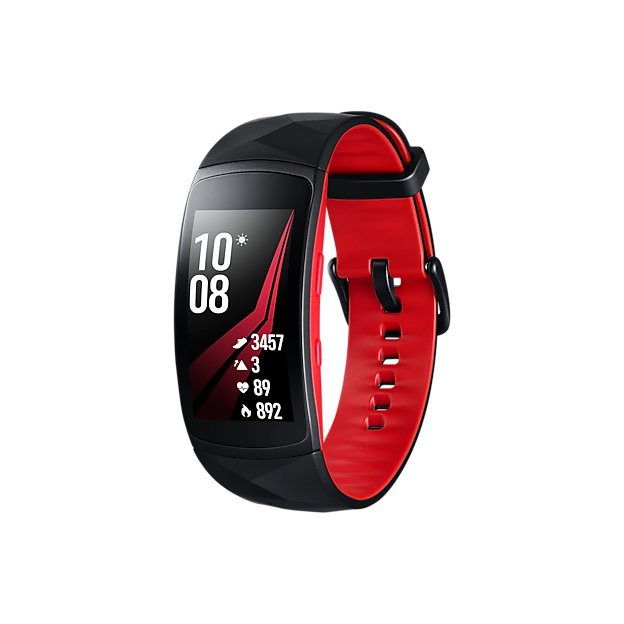
Are you curious about how your Samsung Gear Fit 2 can help you understand your sleep better? Sleep plays a huge role in your health, and tracking it accurately can make a real difference.
But how exactly does this sleek device monitor your sleep patterns while you rest? You’ll discover the smart ways your Gear Fit 2 keeps an eye on your sleep quality, so you can wake up feeling refreshed and ready to take on the day.
Keep reading to unlock the secrets behind your device’s sleep tracking power.

Credit: harubina.co.jp
Sleep Tracking Technology
The Samsung Gear Fit 2 uses advanced sleep tracking technology to help you understand your sleep patterns better. It goes beyond just counting hours spent in bed by analyzing the quality of your sleep. This technology gives you clear insights so you can improve your rest and feel more energized during the day.
Sensors Behind The Data
The Gear Fit 2 relies on a combination of sensors that work together to collect accurate sleep data. A built-in accelerometer detects your movements while you sleep, identifying periods when you are restless or still. This sensor helps the device differentiate between light and deep sleep phases by measuring how much you toss and turn.
Additionally, an optical heart rate sensor tracks your pulse throughout the night. Changes in heart rate can indicate transitions between sleep stages, such as REM or deep sleep. These sensors work hand in hand to provide a detailed picture of your sleep cycles, beyond just total sleep time.
How Motion And Heart Rate Are Used
Your movement and heart rate data are combined to create a sleep profile that shows when you fall asleep, how long you stay asleep, and the quality of that sleep. For instance, if you notice your heart rate remains steady while your body is still, the device marks that as deep sleep. When your heart rate fluctuates and you move more, it identifies lighter sleep or wakefulness.
This dual approach helps catch subtle changes that might affect your rest, like waking up briefly without fully remembering it. Have you ever wondered why you sometimes feel tired even after a full night’s sleep? The Gear Fit 2’s detailed tracking can reveal if your sleep is fragmented or lacking deep rest.
Understanding these patterns allows you to make small lifestyle changes, such as adjusting your bedtime or reducing evening screen time, to improve your sleep quality. You don’t have to guess anymore—your Gear Fit 2 gives you the data to make informed decisions about your sleep health.
Data Collection Process
The Samsung Gear Fit 2 uses smart technology to collect sleep data. It tracks your body movements and heart rate while you rest. This helps the device understand your sleep quality and patterns.
The data collection process runs quietly throughout the night. It gathers detailed information without disturbing your sleep. This allows for accurate insights into how you sleep each night.
Monitoring Sleep Stages
The Gear Fit 2 tracks different sleep stages by sensing body signals. It monitors:
- Light sleep
- Deep sleep
- REM sleep
The device measures your heart rate and movement to guess which stage you are in. Lower movement and steady heart rate often mean deep sleep. More activity and faster heart rate can indicate light sleep or waking moments.
Detecting Sleep Interruptions
The Gear Fit 2 notices when you wake up or move a lot during sleep. It records these interruptions to show how often you lose sleep. The device uses motion sensors to detect tossing and turning.
It also tracks changes in heart rate that happen during waking moments. This information helps you see if your sleep was restful or broken up.
Accuracy Of Sleep Insights
The Samsung Gear Fit 2 offers insightful sleep tracking features. Understanding the accuracy of these insights is crucial. Users rely on precise data to improve their sleep quality. This section explores the accuracy of sleep insights provided by the Samsung Gear Fit 2.
Comparison With Medical Devices
Medical devices are the gold standard for sleep tracking. They use complex technology to monitor sleep patterns. The Samsung Gear Fit 2 uses sensors to track movements. It provides estimates of sleep stages like deep and REM sleep. While not as precise as medical devices, it offers useful insights. It is a convenient and accessible option for everyday users.
Factors Affecting Accuracy
Several factors can influence the accuracy of sleep tracking. Wrist placement is crucial. A loose fit might lead to incorrect data. Consistency in wearing the device affects data reliability. Environmental factors, like noise, can disrupt sleep patterns. The Gear Fit 2 adjusts to these variables to offer better insights. Regular updates and calibration improve its performance over time.
Credit: www.samsung.com
Interpreting Sleep Data
Interpreting the sleep data from your Samsung Gear Fit 2 can transform how you understand your nightly rest. It’s more than just numbers; it’s about what those numbers tell you about your sleep quality. Learning to read this data carefully helps you make better decisions for your health.
Understanding Sleep Scores
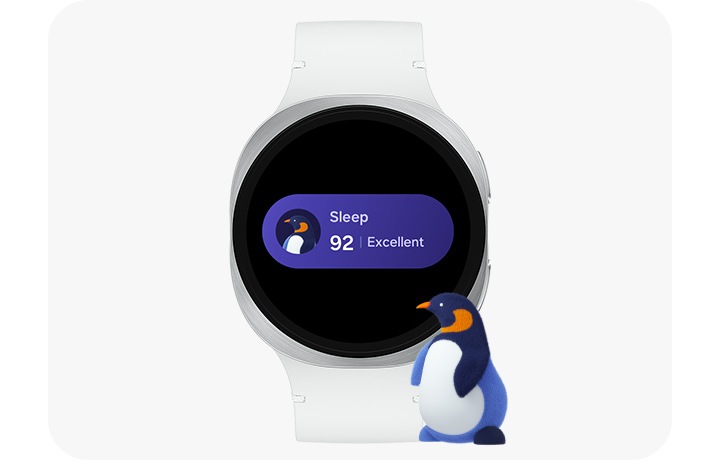
Your Samsung Gear Fit 2 calculates a sleep score based on several factors like total sleep time, deep sleep duration, and restlessness. This score gives you a quick look at how well you slept, but digging deeper reveals more. For example, if your score is low because of frequent wake-ups, you might need to check your sleep environment for disturbances.
Think about the last time you felt tired despite a full night’s sleep. The sleep score can explain why by showing if you missed out on deep or REM sleep stages. Do you pay attention to which sleep phase you’re lacking? Your score can guide you to focus on improving those specific areas.
Personalized Sleep Recommendations
Based on the data, the Gear Fit 2 offers tailored suggestions to help you improve your sleep patterns. These might include going to bed earlier, avoiding screen time before sleep, or adjusting your room temperature. These small changes can significantly impact your overall sleep quality.
Remember, these recommendations are based on your unique sleep profile. If you notice persistent issues, such as consistently low deep sleep, the watch might suggest lifestyle changes or even consulting a healthcare professional. How often do you follow through with personalized advice from your devices?
User Experience And Feedback
Understanding how the Samsung Gear Fit 2 tracks sleep is incomplete without hearing from real users. Their experiences reveal how well the device fits into a night’s rest and whether it delivers on its promises. Let’s look at what people say about using this fitness tracker while they sleep.
Ease Of Use During Sleep
Many users appreciate the lightweight design of the Gear Fit 2. It sits comfortably on the wrist without feeling bulky or restrictive, which is crucial for a good night’s sleep. The adjustable band allows for a snug fit that doesn’t slip off or cause discomfort.
Users often mention the intuitive setup for sleep tracking. Once activated, the device automatically detects sleep patterns without needing manual input before bed. This hands-off approach means you can focus on resting instead of fiddling with settings.
However, some users report minor issues with the device’s screen lighting up during the night, which can disturb light sleepers. Adjusting the brightness or enabling “theater mode” usually solves this problem quickly.
Common User Reports
Feedback commonly points to the accuracy of sleep stage detection. Many users find the breakdown of light, deep, and REM sleep helpful for understanding their rest quality. The detailed graphs and daily summaries motivate some to improve their bedtime habits.
- Positive: Clear data presentation and easy-to-read reports.
- Negative: Occasional mismatches in sleep duration, especially if you move a lot at night.
- Mixed: Some users say the device sometimes mistakes quiet wakefulness for sleep.
One user shared how the Gear Fit 2 helped identify that their restless nights were linked to caffeine intake late in the day. This practical insight led to a meaningful change in their lifestyle. What small adjustments could your sleep data inspire you to try?
Improving Sleep With Gear Fit 2
The Samsung Gear Fit 2 does more than just tell time or count your steps; it actively helps you improve your sleep quality. By tracking your sleep patterns and providing actionable data, it encourages better sleep habits. Understanding how to set goals and monitor your progress makes it easier for you to get the rest your body needs.
Setting Sleep Goals
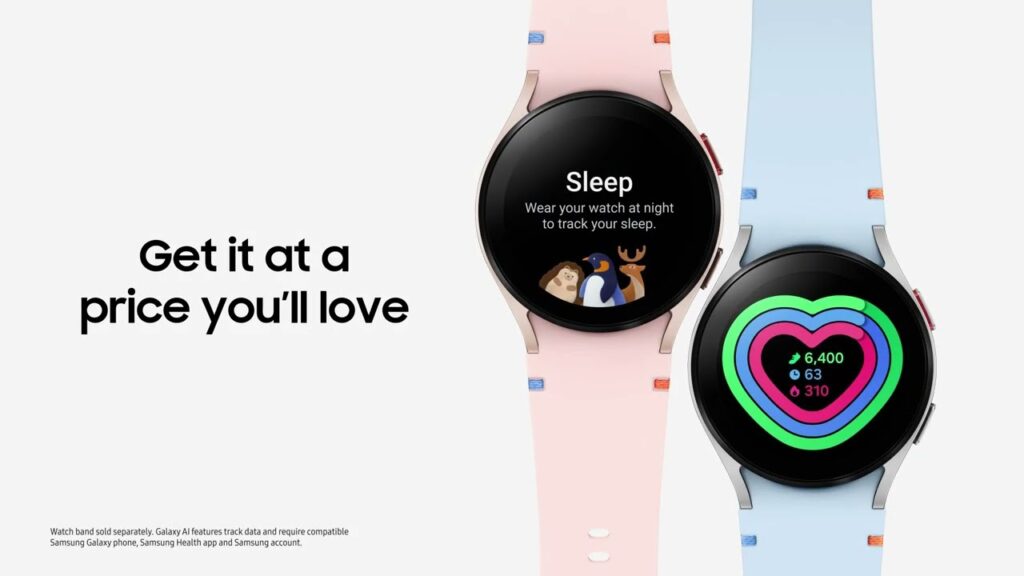
Start by deciding how many hours of sleep you want each night. The Gear Fit 2 allows you to set personalized sleep targets based on your lifestyle. Setting a clear goal helps you stay focused and motivated to improve your sleep.
You can also choose reminders to wind down before bedtime. Small prompts like these can make a big difference in preparing your body for rest. Have you tried adjusting your bedtime routine using these reminders?
Tracking Progress Over Time
The Gear Fit 2 collects data every night, showing you how well you meet your sleep goals. It breaks down your sleep into stages, such as deep sleep, light sleep, and awake times. This detailed insight lets you spot patterns and identify factors that disrupt your rest.
Reviewing your sleep history weekly or monthly reveals trends you might miss day-to-day. For example, you might notice less deep sleep on nights you used your phone late. This awareness empowers you to make better choices.
By tracking progress, the Gear Fit 2 turns sleep improvement into a manageable, ongoing process. What small changes could you try tonight to see better results in the morning?
Credit: insights.samsung.com
Frequently Asked Questions
How Does Samsung Gear Fit 2 Monitor Sleep?
Samsung Gear Fit 2 tracks sleep using built-in sensors that detect movement and heart rate. It analyzes sleep stages like deep, light, and REM. The data helps users understand sleep quality and patterns for better rest and health management.
Can Gear Fit 2 Track Sleep Automatically?
Yes, Gear Fit 2 automatically detects when you fall asleep. It starts tracking sleep without manual input. This makes it easy to monitor sleep patterns consistently every night, providing accurate and convenient sleep data.
What Sleep Stages Does Gear Fit 2 Track?
Gear Fit 2 tracks light sleep, deep sleep, and REM stages. It uses heart rate and movement data to differentiate these stages. This detailed tracking helps users understand how well they rest and recover overnight.
How Accurate Is Gear Fit 2 Sleep Tracking?
Gear Fit 2 offers good sleep tracking accuracy for a fitness band. It uses advanced sensors to monitor heart rate and motion. However, it may not be as precise as medical-grade devices but provides reliable insights for everyday use.
Conclusion
The Samsung Gear Fit 2 tracks your sleep by using sensors on your wrist. It records your movements and heart rate throughout the night. This data helps the device understand your sleep stages. You get detailed insights about light, deep, and REM sleep.
The information can guide you to improve your sleep habits. Wearing the Gear Fit 2 regularly gives a clearer picture of your rest. It makes tracking sleep simple and easy. A good tool for anyone wanting better sleep.