When an emergency strikes, having the right first aid kit can make all the difference. But what should you really put in your survival first aid kit to be prepared for anything?
You want to be ready without overpacking or missing essential items. This guide will help you build a kit that keeps you safe, confident, and ready to handle unexpected situations. Keep reading to discover the must-have supplies that could protect your health and even save your life.

Credit: unchartedsupplyco.com
Basic First Aid Supplies
Basic first aid supplies are essential for any survival kit. They help treat minor injuries quickly and prevent infections. Keeping these items ready can save time and reduce pain in emergencies.
Choose supplies that cover cuts, scrapes, burns, and minor aches. Each item has a specific role in managing injuries effectively. Organize them for easy access during stress.
Bandages And Dressings
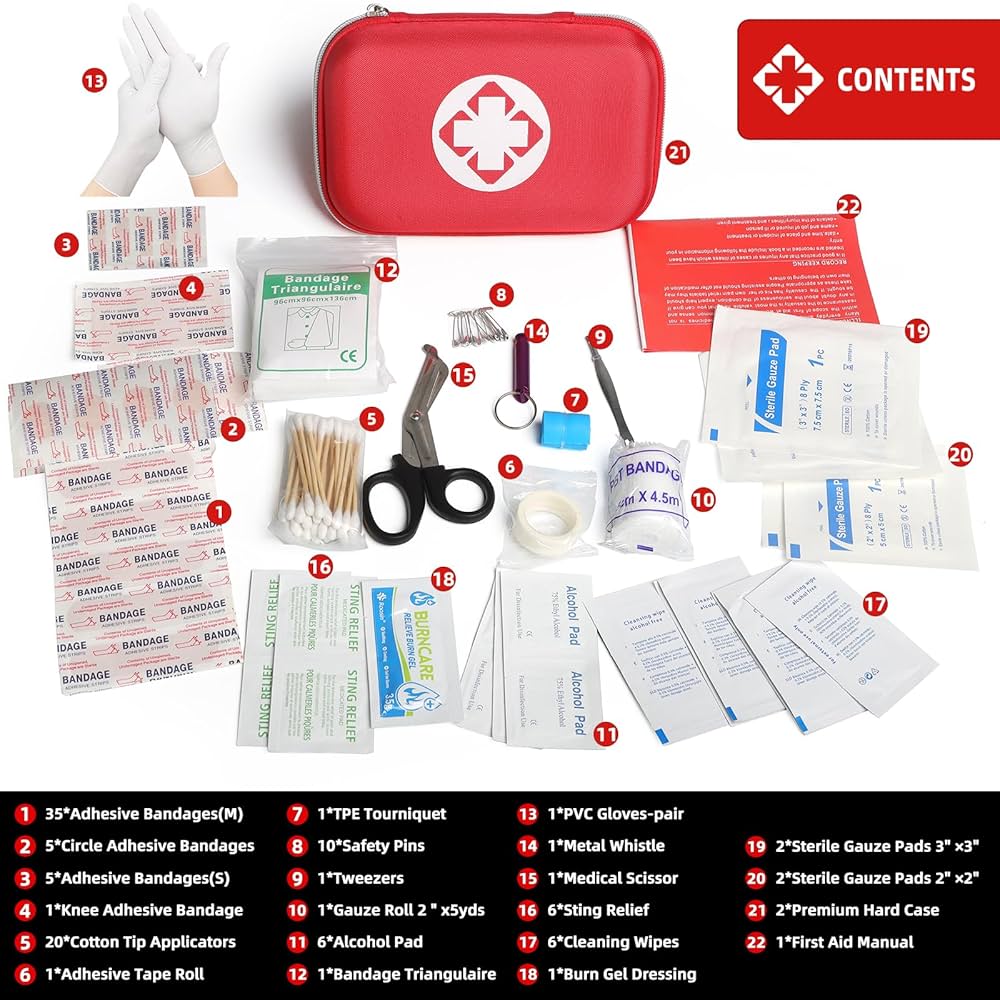
Bandages protect wounds from dirt and bacteria. Use adhesive bandages for small cuts and blisters. Larger wounds need sterile gauze pads and adhesive tape to stop bleeding.
- Adhesive bandages (various sizes)
- Sterile gauze pads
- Adhesive tape
- Elastic bandages for sprains
- Butterfly closures for deep cuts
Antiseptics And Ointments
Antiseptics clean wounds to prevent infections. Use antiseptic wipes or solutions like hydrogen peroxide and iodine. Antibiotic ointments help heal and stop bacteria from growing.
- Antiseptic wipes
- Hydrogen peroxide
- Iodine solution
- Antibiotic ointment (e.g., Neosporin)
- Burn cream
Pain Relievers And Medications
Pain relievers ease discomfort from injuries and illnesses. Keep common over-the-counter painkillers like ibuprofen or acetaminophen. Include medications for allergies and upset stomachs.
- Ibuprofen or acetaminophen
- Antihistamines for allergies
- Anti-diarrheal medication
- Oral rehydration salts
- Any personal prescription medicines
Tools And Equipment
Your survival first aid kit’s effectiveness depends heavily on the right tools and equipment. These items help you handle injuries quickly and efficiently. Without proper tools, even the best supplies can become difficult to use.
Tweezers And Scissors
Tweezers are essential for removing splinters, ticks, or debris from wounds. Look for tweezers with a fine tip to grab small objects securely. Scissors come in handy for cutting tape, clothing, or bandages, so choose a pair with sharp, durable blades.
I once had to remove a tiny thorn from a friend’s hand during a hike. Having precise tweezers made the process painless and fast. Would you want to struggle with blunt tools when seconds count?
Thermometer And Gloves
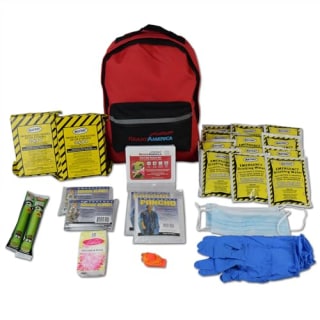
A thermometer lets you check for fever, a key sign of infection or illness. Digital models are quick and easy to read. Medical gloves protect you and the injured person from germs and bodily fluids—never skip them.
Gloves aren’t just for cleanliness; they reduce infection risks significantly. Imagine treating a wound without gloves—would you feel safe or worried about contamination?
Cpr Mask And Emergency Blanket
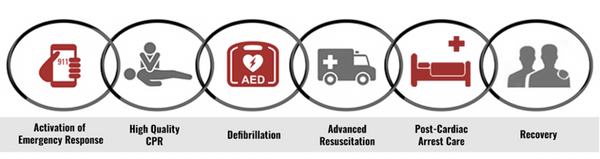
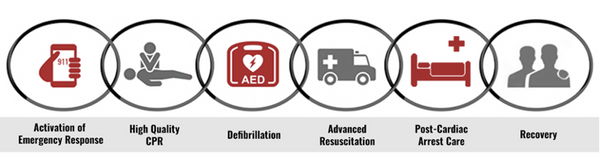
A CPR mask enables safe mouth-to-mouth resuscitation without direct contact. These masks are compact and often come with a one-way valve for protection. An emergency blanket helps retain body heat, which is critical in shock or cold environments.
During a camping trip, I once used an emergency blanket to keep someone warm after they felt faint. That simple tool made a huge difference in stabilizing their condition. How prepared are you to handle a sudden emergency in harsh weather?
Specialty Items
Specialty items like allergy medicine, burn cream, and insect sting relief are vital in a survival first aid kit. These items help treat specific injuries and conditions that basic supplies may not cover. Including them ensures better care during emergencies.
Specialty items can make a big difference in emergencies. A well-rounded survival first aid kit should include these essential items. They address specific medical needs that might arise in urgent situations.Allergy And Asthma Supplies
For those with allergies, carry antihistamines and epinephrine auto-injectors. These can prevent severe allergic reactions. Asthma patients should include a rescue inhaler. Check expiration dates regularly. Replace expired medication promptly.Burn Care Essentials
Burns require immediate attention. Include burn ointments and sterile gauze. These items soothe and protect the affected area. Hydrogel dressings can also be beneficial. They help cool the burn and reduce pain.Snake Bite And Insect Sting Kits
Encounters with snakes or insects can happen outdoors. Pack a snake bite kit. Include a suction device and instructions. For stings, have antihistamines and soothing creams. These help relieve itching and swelling quickly.Personal Items
Your survival first aid kit isn’t complete without personal items tailored specifically to you. These items ensure that in an emergency, you have the information and supplies critical to your unique health needs. Overlooking these details can make a big difference when every second counts.
Important Medical Information
Carry a clear, easy-to-read card or document listing your medical conditions, allergies, and any past surgeries. This saves precious time for first responders who need to know your health background immediately. Imagine being unable to communicate during an emergency—this simple step bridges that gap.
Update this information regularly and keep a copy in your kit and on your phone. Add blood type if you know it, as it can be crucial in case of severe injury. Having this info handy can prevent dangerous mistakes, like administering the wrong medication.
Prescription Medications
Include enough of your essential medications to last several days, along with a list of each drug and dosage. This helps if you are stranded or in a situation where refills aren’t immediately available. Don’t forget items like inhalers, insulin, or EpiPens—missing these could be life-threatening.
Store medications in waterproof containers to protect them from moisture and damage. Also, check expiration dates regularly and replace as needed. Think about any special storage instructions; some meds require refrigeration, so plan accordingly.
Contact Information And Emergency Numbers
Write down phone numbers of family members, close friends, your doctor, and local emergency services. In a crisis, your phone might die or be lost, so having a physical list ensures you can still reach help. Include alternative contacts in case your first options are unavailable.
Consider adding instructions for your emergency contacts, like who should be notified first or any special instructions for your care. This clarity helps avoid confusion during stressful moments. Would your loved ones know what to do if you can’t speak for yourself?
Storage And Maintenance
Proper storage and maintenance of your survival first aid kit are just as important as the items inside it. Without the right container and regular upkeep, your supplies can become useless when you need them most. Let’s look at how to keep your kit ready for action anytime.
Choosing The Right Container
Your first aid kit needs a strong, waterproof container that can handle rough conditions. A sturdy plastic box with a tight seal works well to keep out moisture and dirt. You might also consider a durable fabric pouch with compartments for easy organization.
Think about where you’ll carry or store your kit. If it’s in a backpack, a compact and lightweight case is best. For home or car use, a larger, more rugged container can hold extra supplies. Have you checked if your current container protects your supplies from crushing or spills?
Regular Kit Checks And Updates
Your kit isn’t a “set it and forget it” item. Check it every few months to make sure nothing has expired or gotten damaged. Pay attention to items like medications, ointments, and sterile dressings—they have expiration dates and lose effectiveness over time.
Keep a checklist handy to track what’s inside and what needs replacing. Updating your kit after any use is crucial, too. Have you ever found your kit missing a key item during an emergency? Regular checks prevent that disappointment.
Keeping Supplies Clean And Dry
Moisture and dirt can ruin your supplies quickly, making bandages sticky and medications ineffective. Store your kit in a dry place, away from direct sunlight and extreme temperatures. Using silica gel packets inside the container helps absorb moisture.
Clean your hands before handling supplies to avoid contamination. If you notice any dirt or debris on items, replace them immediately. Could a few simple habits like these improve your kit’s reliability when it counts?
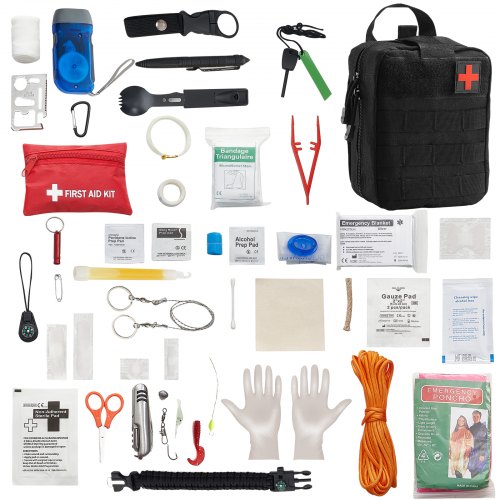
Credit: www.vevor.ca

Credit: premierbodyarmor.com
Frequently Asked Questions
What Are The Essential Items For A Survival First Aid Kit?
A survival first aid kit should include bandages, antiseptic wipes, adhesive tape, pain relievers, scissors, tweezers, and gloves. These items help treat cuts, burns, and minor injuries in emergencies. Including a CPR mask and a first aid manual is also beneficial for effective care.
How Do I Choose The Best First Aid Supplies For Survival?
Select first aid supplies based on your environment and potential risks. Prioritize durable, multi-use, and compact items. Consider allergies and personal medical needs. Quality and reliability matter most for survival situations. Regularly check and update supplies to ensure readiness.
Why Is A First Aid Manual Important In A Survival Kit?
A first aid manual provides clear instructions for treating injuries and emergencies. It guides you through procedures when professional help is unavailable. This knowledge boosts confidence and improves response during crises, making it a critical component of any survival first aid kit.
How Often Should I Update My Survival First Aid Kit?
Update your survival first aid kit every six months or after use. Check expiration dates on medications and antiseptics. Replace used or damaged items promptly. Regular updates ensure your kit remains effective and ready for emergencies at all times.
Conclusion
A good survival first aid kit saves lives. Pack it with bandages, antiseptics, and pain relief. Include tools like tweezers and scissors. Don’t forget personal meds and emergency contact info. Check and update your kit regularly. Being ready means staying safe in any situation.
Simple items can make a big difference. Stay prepared, stay calm, and help yourself and others. Your kit is your first step to safety.