When disaster strikes, having the right food on hand can make all the difference for you and your loved ones. But what exactly should you store to stay safe, healthy, and comfortable during an emergency?
You might feel overwhelmed by all the options and unsure where to start. This guide will help you choose the best foods that last long, provide essential nutrients, and are easy to prepare when the unexpected happens. Keep reading to discover practical tips that will give you peace of mind and keep your pantry ready for anything.
Choosing Long-lasting Staples
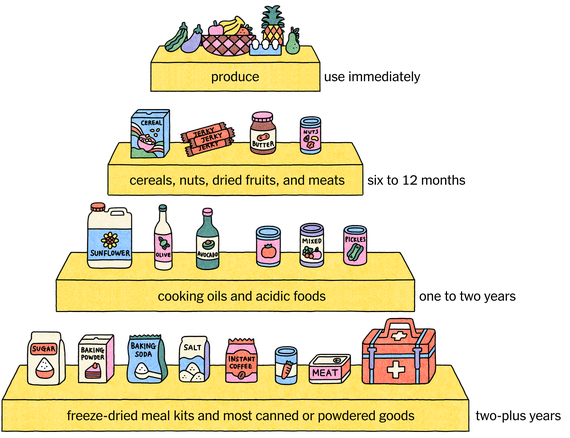
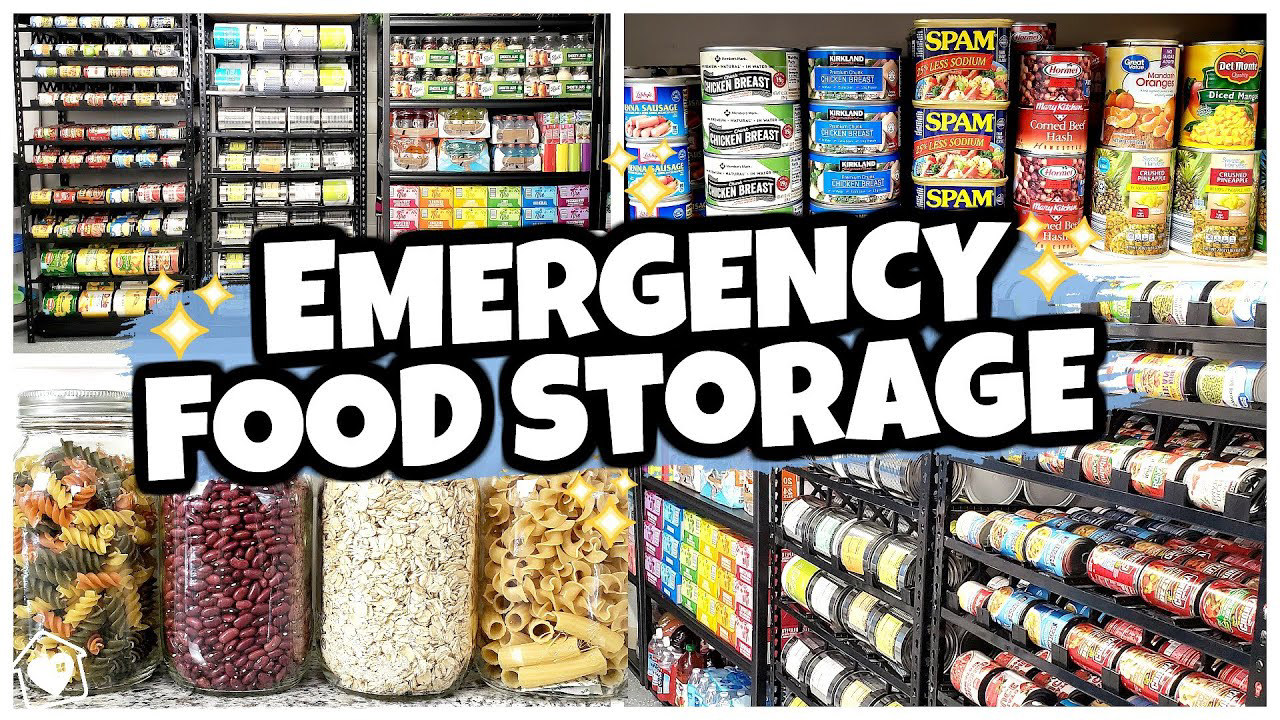
Choosing long-lasting staples is key for emergency food storage. These foods stay safe and edible for months or years. They provide essential nutrients and energy during tough times. Focus on items that store well, require little preparation, and keep your diet balanced.
Grains And Cereals
Grains and cereals form the foundation of emergency food supplies. They last long and are easy to cook. Rice, oats, and wheat are common choices. Store whole grains for better nutrition and longer shelf life. Instant cereals and pasta also work well for quick meals.
- White rice: shelf life of 4-5 years
- Rolled oats: last up to 2 years
- Dried pasta: keeps for 1-2 years
- Quinoa: high in protein and lasts long
Legumes And Beans
Legumes and beans offer protein, fiber, and vitamins. They keep for years if stored dry. Lentils, chickpeas, and black beans are popular options. Soaking and cooking improve digestibility. Include a variety for balanced nutrition and taste.
- Dry lentils: shelf life of 1-2 years
- Dried black beans: last up to 2 years
- Chickpeas: good protein source and store well
- Split peas: nutritious and long-lasting
Powdered And Canned Proteins
Powdered and canned proteins add convenience and variety. Powdered milk and eggs provide essential nutrients. Canned tuna, chicken, and salmon offer ready-to-eat protein. These foods have long shelf lives and minimal prep. They help maintain muscle and energy levels.
- Powdered milk: shelf life about 1-2 years
- Powdered eggs: last up to 5 years
- Canned tuna: shelf life of 3-5 years
- Canned chicken and salmon: keep for 2-5 years
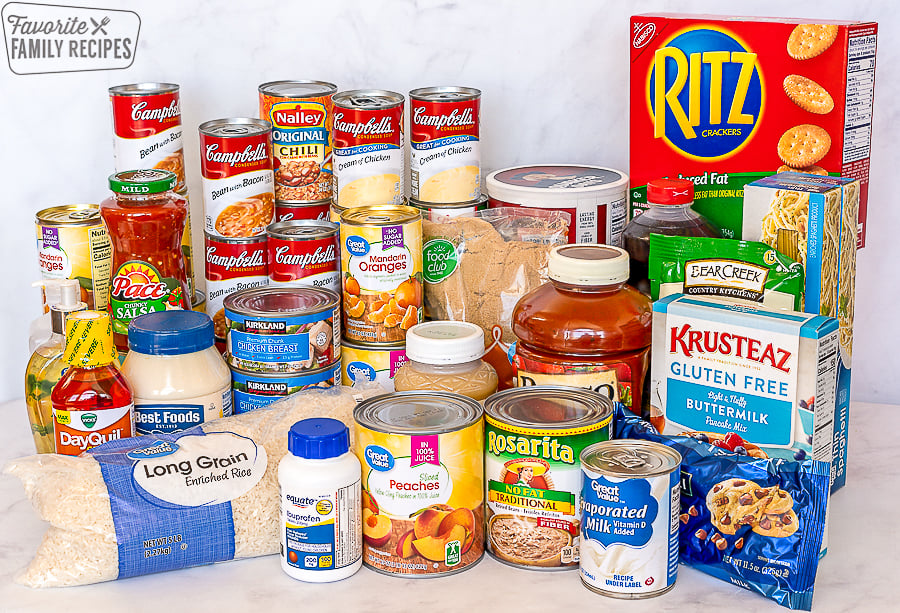
Credit: www.favfamilyrecipes.com
Nutrient-dense Foods
Storing food for an emergency isn’t just about quantity; it’s about quality too. Nutrient-dense foods give your body the essential vitamins and minerals it needs to stay strong and healthy during stressful times. Choosing these foods wisely can make a big difference in how you feel and function when resources are limited.
Dried Fruits And Nuts
Dried fruits and nuts are power-packed snacks that last a long time. They provide a great mix of energy, fiber, and healthy fats. Think almonds, walnuts, dried apricots, or raisins—they’re easy to store and carry.
I once relied on a small stash of mixed nuts and dried berries during a long power outage. The boost of energy and nutrients kept me going without any fresh food around. Have you thought about how these portable options could fit into your emergency kit?
Vitamin-rich Vegetables
Fresh vegetables aren’t always an option in emergencies, but vitamin-rich canned or freeze-dried veggies can fill that gap. Look for options like spinach, carrots, and sweet potatoes that hold onto their nutrients well. These choices help maintain your immune system and energy levels.
Don’t underestimate the power of vegetable powders or dehydrated mixes. They can easily be added to soups or stews, making your meals more nutritious without extra prep time. What vegetables would you choose to keep your meals vibrant and healthy?
Fortified Food Options
Fortified foods have added vitamins and minerals, making them smart picks for emergency storage. Cereals, meal replacement bars, and powdered milk often come fortified with key nutrients like vitamin D, calcium, and iron.
These foods can fill in nutritional gaps when fresh options are scarce. Next time you shop, check labels for fortified items that fit your taste and storage needs. Could these fortified foods be the reliable backup your emergency pantry needs?
Hydration Essentials
Hydration is a top priority during emergencies. Water keeps your body working right. It helps regulate temperature and supports vital functions. Without enough fluids, dehydration can happen fast. Preparing the right hydration supplies can make a big difference. Choose items that last long and are easy to store. Think beyond plain water to maintain electrolyte balance too.
Water Storage Tips
Store clean water in food-grade containers. Avoid containers that held chemicals or milk. Use plastic, glass, or stainless steel bottles with tight lids. Keep water in a cool, dark place to prevent growth of bacteria. Label containers with the date stored. Replace stored water every six months for freshness. Consider having one gallon per person per day. This covers drinking, cooking, and hygiene needs.
Electrolyte Solutions
Electrolytes help keep your body hydrated and balanced. Store powdered electrolyte mixes or tablets. These take up less space and last longer. Avoid sugary drinks that can worsen dehydration. You can also store natural options like coconut water powder. Make your own electrolyte drink by mixing salt, sugar, and water. Always have a supply ready for when fresh foods are scarce.

Credit: dragonquillca.medium.com
Food Storage Techniques
Choosing long-lasting foods like rice, beans, and canned goods ensures nutrition during emergencies. Focus on items that need little water and cook quickly for ease. Include some comfort foods to boost morale in tough times.
When preparing for emergencies, understanding effective food storage techniques is crucial. This ensures your food remains safe and nutritious, even during prolonged periods without access to fresh supplies. By focusing on proper packaging and maintaining the right temperature and environment, you can extend the shelf life of your emergency food supplies.Proper Packaging
Proper packaging is the first step in ensuring your food stays fresh. Airtight containers are your best friends here. They prevent moisture, air, and pests from spoiling your food. Using vacuum-sealed bags for dry goods like rice and beans can significantly extend their shelf life. Glass jars with rubber seals are excellent for preserving items like jams or pickles. Remember, the less air inside the container, the longer the food will last.Temperature And Environment Control
Temperature plays a critical role in food storage. Cool, dark places are ideal for most foods. A basement or a pantry can be perfect spots if they’re well-ventilated and dry. Extreme temperatures can spoil food quickly. Regularly check the storage area to ensure it remains at a consistent temperature. Humidity is another enemy; consider using a dehumidifier in damp areas. Are there foods you’ve stored that lasted longer than expected? Share your experiences in the comments, and let’s create a community of well-prepared individuals.Special Diet Considerations
Planning emergency food supplies requires special attention to dietary needs. People with allergies or specific diets need safe, nutritious options. Storing food that suits these needs keeps everyone healthy and comfortable during a crisis.
Allergy-friendly Choices
Choose foods free from common allergens like nuts, dairy, and gluten. Pack canned fruits, vegetables, and meats without additives. Rice, beans, and certain seeds offer safe, long-lasting nutrition. Read labels carefully to avoid hidden allergens. Keep allergy medicine and safe snacks nearby.
Vegetarian And Vegan Options
Include plant-based proteins such as lentils, chickpeas, and quinoa. Store dried fruits, nuts, and seeds for energy and nutrients. Shelf-stable plant milks, like almond or soy, work well. Freeze-dried vegetables add variety and vitamins. Ensure labels confirm no animal ingredients.
Easy-to-prepare Meals
When an emergency strikes, the last thing you want is to struggle with complicated meals. Easy-to-prepare foods can make a huge difference in keeping you nourished and calm. Choosing the right items means you can focus on staying safe instead of spending hours in the kitchen.
No-cook Foods
No-cook foods are lifesavers when power or fuel is unavailable. Think about canned tuna, peanut butter, and ready-to-eat cereals. These options require no heating, just open and eat, saving you precious time and resources.
Don’t forget about fresh fruits that keep well, like apples and oranges. They provide vitamins and hydration without any prep. Adding shelf-stable snack bars or nuts can give you quick energy boosts during stressful times.
Minimal Cooking Required
Sometimes, you might have access to a small stove or campfire. Foods that need minimal cooking, such as instant oatmeal or rice packets, can be a great help. They cook quickly and use little water, making them practical for emergencies.
Consider dehydrated soups or freeze-dried meals that only require boiling water. These meals are lightweight, last long, and can be a comforting option when fresh food isn’t available. How would you feel knowing your food can be ready in just a few minutes?
Rotating And Maintaining Supplies
Keeping your emergency food supplies fresh and ready requires more than just buying in bulk. You need a system to rotate and maintain what you store. This ensures nothing goes to waste and you always have safe, edible food when you need it most.
Shelf-life Management
Every food item has a shelf life, but it’s not just about the expiration date on the label. Factors like storage temperature, packaging, and moisture affect how long food stays good.
Organize your supplies by expiration dates, placing newer items at the back and older ones upfront. This simple rotation helps you use up foods before they spoil.
Think about foods like canned beans or rice. They often last years if stored right. But once you open them, you need to consume or reseal them quickly to avoid spoilage.
Regular Inventory Checks
Set a schedule to check your emergency food stock at least twice a year. Look for damaged packaging, signs of pests, or expired items.
Keeping a checklist can help you track what you have and what needs replacing. You might find you have extra of one item and none of another, so this is your chance to balance your supplies.
Have you ever discovered a forgotten can of soup that expired years ago? It’s a common mistake that can be avoided with regular checks. These checks keep your emergency pantry reliable and ready for action.
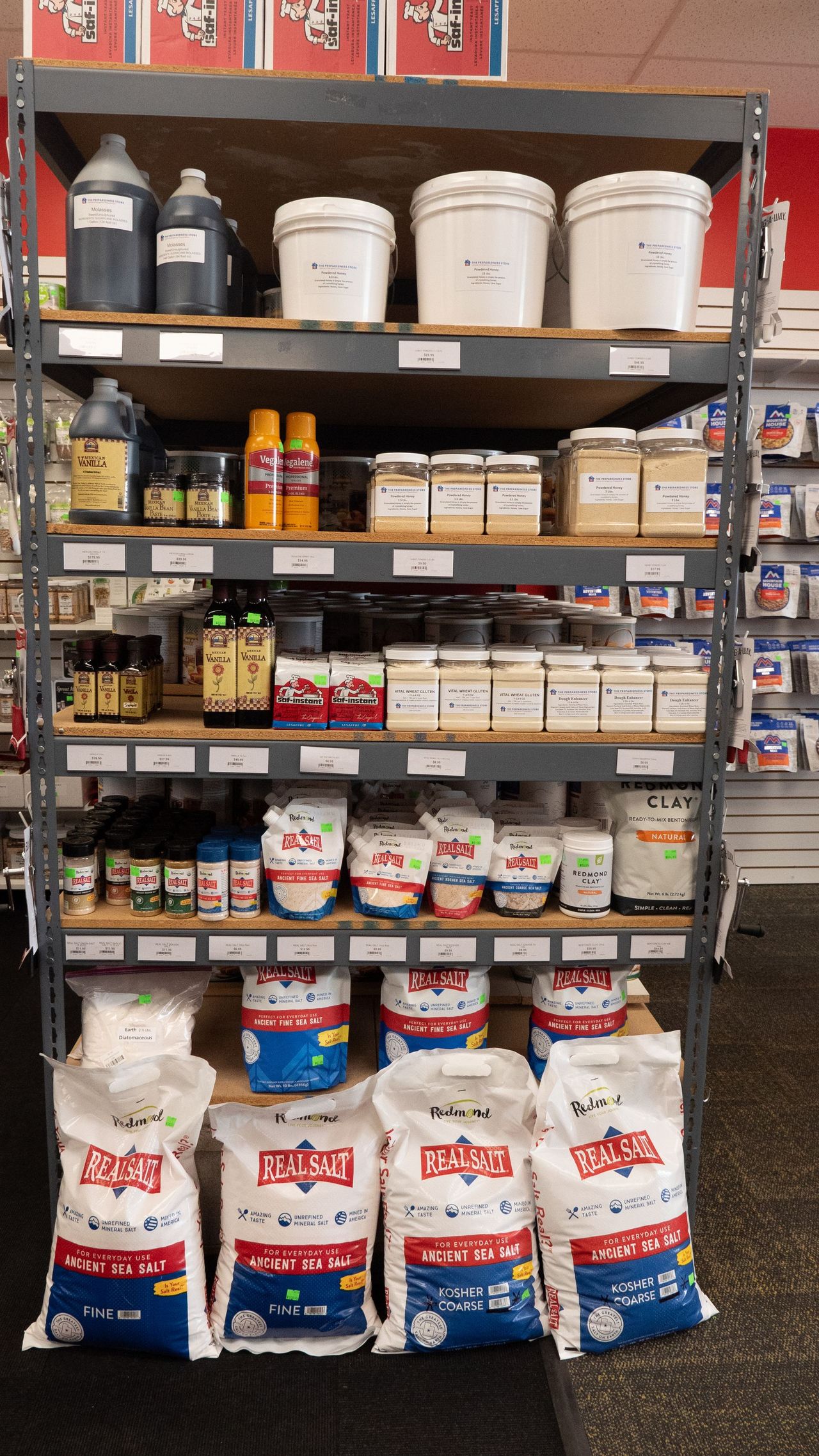
Credit: www.thepreparednessstore.com
Frequently Asked Questions
What Are The Best Non-perishable Foods For Emergencies?
Non-perishable foods like canned beans, rice, pasta, and dried fruits last long. They provide essential nutrients and are easy to store. These foods require minimal preparation, making them ideal for emergency situations.
How Much Emergency Food Should I Store Per Person?
Store at least a three-day supply of food per person. For longer emergencies, plan for two weeks or more. Consider daily calorie needs, typically 2000-2500 calories, to maintain energy and health during crises.
Should I Store Fresh Or Frozen Food For Emergencies?
Fresh and frozen foods spoil quickly without power. Focus on shelf-stable items like canned or dried foods instead. These options last longer and don’t require refrigeration, ensuring food safety during emergencies.
What Are Good Protein Sources To Store For Emergencies?
Canned tuna, beans, peanut butter, and powdered eggs are excellent protein sources. These foods have long shelf lives and provide essential nutrients to keep you strong during emergencies.
Conclusion
Choosing the right foods can keep you safe during emergencies. Focus on items that last long and provide good nutrition. Canned goods, dry grains, and nuts work well. Don’t forget water and easy-to-prepare meals. Store enough to last several days or weeks.
Rotate your supplies to keep them fresh. Planning ahead reduces stress when disaster strikes. Stay prepared, stay calm, and protect your family. Simple steps make a big difference in tough times.