
Have you ever wondered if any clothes from the Tudor era still exist today? Imagine holding a piece of history that once touched the lives of kings, queens, and everyday people hundreds of years ago.
You might think such garments would be lost to time, but some Tudor clothes have surprisingly survived. Discovering these rare treasures can change how you see history—and your connection to the past. Keep reading to uncover the fascinating story behind the clothes that made it through centuries and what they reveal about life in Tudor times.
Tudor Clothing Materials
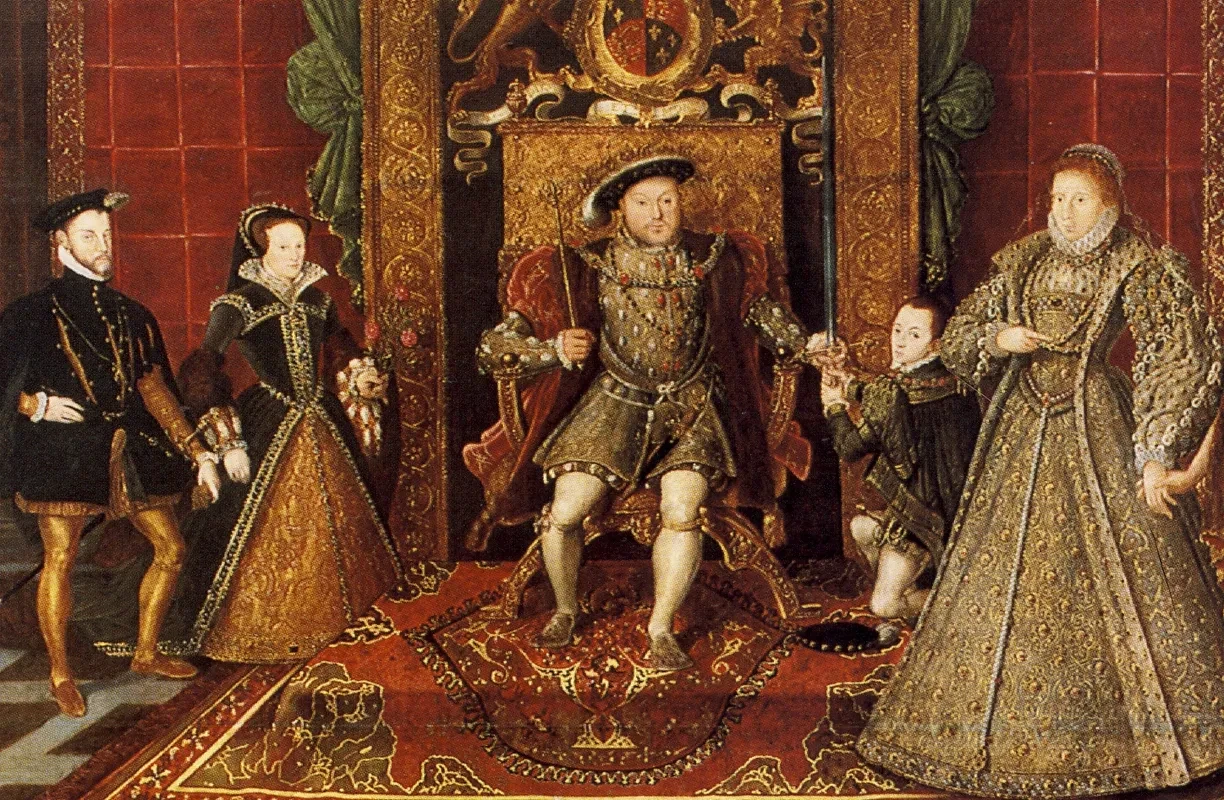
Tudor clothing materials reveal much about life during the Tudor period. Fabrics showed a person’s wealth and status. Many materials were natural, such as wool and linen. These fabrics suited the climate and lifestyles of the time. The richness of the materials also reflected the wearer’s rank in society.
Clothing was often heavy and layered. This helped keep warm in drafty castles and homes. The choice of fabrics was important for comfort and display. Some materials were plain, while others were ornate and costly.
Common Fabrics And Textiles
Wool was the most common fabric. It came in many qualities and weights. Wool kept people warm and was easy to dye. Linen, made from flax, was used for shirts and undergarments. It was light and breathable.
Silk was rare and expensive. Only the wealthy could afford silk clothes. Velvet and satin were popular for nobles. These fabrics added shine and texture to outfits. Cotton was less common but known in Tudor England.
Use Of Embellishments And Accessories
Tudor clothes often had decorations. Embroidery was popular, using gold or silver thread. Pearls and jewels were sewn onto garments to show wealth.
- Ribbons and lace trimmed sleeves and collars.
- Fur lined cloaks and coats added warmth and luxury.
- Buttons made from metal or covered with fabric were common.
Hats and jewelry completed the look. These accessories made outfits unique and grand. Embellishments made clothing not just practical, but a symbol of power.
Credit: www.rmg.co.uk
Challenges In Preservation
Preserving Tudor clothes is a difficult task. These garments are centuries old and made from delicate materials. Their age makes them prone to damage. The fabrics weaken over time. Many factors cause their decay. Museums and collectors face many hurdles in keeping these historic pieces intact.
Fragility Of Fabrics
Tudor clothes are crafted from fine silks, wools, and linens. These materials break down easily after hundreds of years. Fibers become brittle and tear with the slightest touch. Embroidery and lace details are especially vulnerable. Handling and cleaning must be done with extreme care. Even minor movements can cause permanent damage.
Environmental Factors
Light, temperature, and humidity greatly affect textile preservation. Sunlight fades colors and weakens fibers. Fluctuating temperatures cause materials to expand and contract. This leads to cracks and holes. High humidity encourages mold and mildew growth. Dry air causes fabrics to become brittle. Controlling these factors is essential for long-term preservation.
Notable Surviving Pieces
Tudor clothes rarely survive due to their fragile materials and centuries of wear. Yet, some remarkable pieces have lasted through time. These surviving garments give us a glimpse into Tudor fashion and daily life. They show the difference between royal splendor and common wear.
Royal Wardrobe Remnants
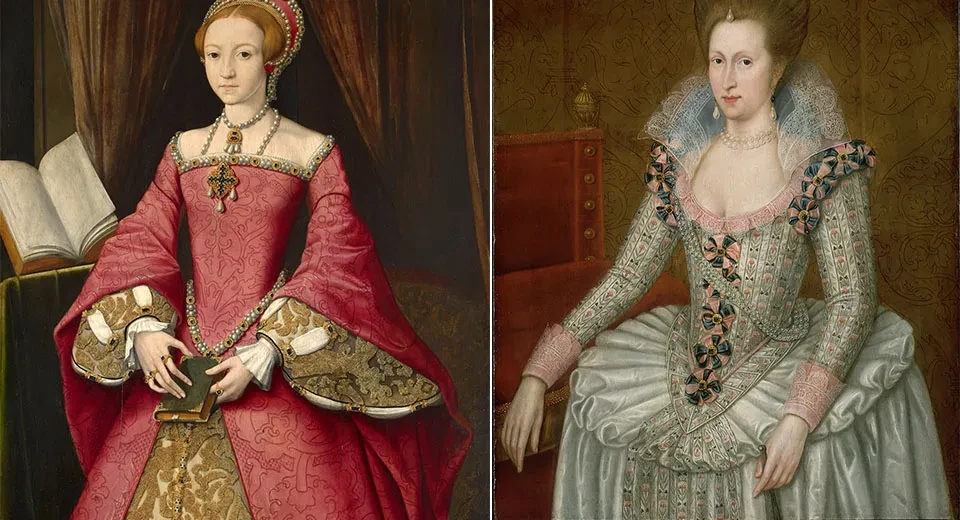
Few royal garments remain, but those that do are rich in detail. Some dresses and robes worn by Tudor queens survive in museums. These pieces feature heavy embroidery, jewels, and fine fabrics like velvet and silk. They reveal the luxury of Tudor court life. A famous example is a gown belonging to Queen Elizabeth I. It has gold thread and pearls sewn into the fabric. These clothes were made to impress and show power.
Everyday Garments Found
Common Tudor clothes rarely survive, but some have been found. These include simple woolen doublets, linen shirts, and leather shoes. They belonged to ordinary people, not nobles. These pieces help us understand the practical side of Tudor clothing. The fabrics are rougher and designs simpler. The clothes were made to last and keep warm. Archaeologists also found fragments in old houses and burial sites. These everyday items tell stories of life beyond the palace walls.
Credit: www.rmg.co.uk
Museums And Collections
Tudor clothes rarely survive the centuries due to delicate fabrics and changing fashions. Yet, some garments and accessories remain preserved in museums and private collections. These treasures offer a glimpse into the style and craftsmanship of the Tudor era.
Museums carefully protect these items, showcasing them to educate and inspire visitors. Each piece tells a story about life in Tudor times, from royal courts to everyday people. Discover where you can see authentic Tudor clothes and notable exhibitions featuring these rare garments.
Where To See Tudor Clothes Today
- The Victoria and Albert Museum in London holds a notable collection of Tudor textiles and clothing.
- The Museum of London displays garments and accessories from Tudor-era London.
- The National Museum of Costume in Scotland features Tudor outfits and period costumes.
- Some churches and castles, like Hampton Court Palace, keep original Tudor clothing or replicas on display.
Famous Exhibitions
- “Tudor Style” at the Victoria and Albert Museum highlighted royal fashion and craftsmanship.
- The “Elizabeth I: Art and Image” exhibition showcased clothing linked to the famous queen.
- Temporary exhibitions at the British Museum often include Tudor textiles and accessories.
- Historic royal palaces host special Tudor-themed displays, often timed with anniversaries or events.
Methods Used To Identify Relics
Identifying genuine Tudor clothing relics requires careful and precise methods. Experts use several techniques to confirm the age and origin of textiles. These methods help separate authentic pieces from later reproductions or fakes. Each approach provides different clues about the fabric’s history and composition.
Textile Analysis Techniques
Scientists study the fibers under microscopes to understand their makeup. They check the weave patterns typical of Tudor times. Natural fibers like wool, linen, and silk are common in this period’s clothing.
Carbon dating helps estimate the fabric’s age by measuring decay in organic material. Dye analysis reveals the colors used and their natural sources. These dyes often came from plants and insects available during the Tudor era.
Wear patterns and stitching styles also provide important information. Hand-sewn seams and specific embroidery styles point to authentic Tudor craftsmanship.
Historical Documentation
Records and inventories from Tudor households help verify relic origins. Written descriptions of clothing items often match surviving pieces. Paintings and portraits from the time show details of fashion and fabric.
Letters and wills sometimes mention garments and their makers. Museums compare these documents with physical artifacts to confirm authenticity. Provenance, or the item’s ownership history, is key to tracing relics.

Credit: www.youtube.com
Impact On Modern Fashion
The lasting influence of Tudor clothes can be seen in modern fashion today. Designers often draw from the rich styles of the Tudor period. Elements like ruffled collars, rich fabrics, and bold silhouettes inspire new creations. These historical touches bring a unique charm to contemporary clothing.
Modern fashion does not copy Tudor clothes exactly. Instead, it adapts key features to suit today’s tastes. This blend of old and new creates exciting, fresh looks that stand out.
Inspiration For Designers
Tudor fashion offers a wealth of ideas for designers. The intricate embroidery and luxurious fabrics spark creativity. Designers admire the strong shapes and detailed patterns. These elements help create clothes that feel both classic and modern.
Runways often showcase pieces influenced by Tudor styles. The dramatic sleeves and high collars make bold statements. Such styles bring history to life in a wearable form.
Reproduction Of Tudor Styles
Many fashion enthusiasts enjoy wearing Tudor-inspired clothes. Reproductions appear in theater, films, and historical events. These garments capture the essence of Tudor fashion with careful detail.
Craftspeople use authentic techniques and materials to recreate these styles. This keeps the Tudor clothing tradition alive. It also helps people connect with history through fashion.
Frequently Asked Questions
Do Any Original Tudor Clothes Still Exist Today?
Yes, a few Tudor garments survive today. They are rare and mostly kept in museums. These clothes help historians study Tudor fashion and culture.
Where Can I See Authentic Tudor Clothing?
Authentic Tudor clothes are mainly in museums like the Victoria and Albert Museum. Some pieces are also displayed in English heritage sites connected to Tudor royalty.
What Materials Were Tudor Clothes Made From?
Tudor clothes used wool, silk, linen, and velvet. Wealthy Tudors wore richer fabrics, while commoners had simpler wool and linen garments.
How Well-preserved Are Tudor Garments Now?
Tudor garments are fragile but well-preserved in controlled conditions. Careful conservation helps maintain their fabric and embroidery for study and display.
Conclusion
Tudor clothes rarely survive the test of time. Most fabrics decay or wear out over centuries. Some pieces remain in museums or royal collections. These garments show how people dressed long ago. They help us understand Tudor life and culture.
Seeing original clothes connects us to history. Even small fragments tell important stories. The past feels closer with these rare finds. Studying them keeps old traditions alive today. Tudor clothes may be rare, but their legacy remains strong.


