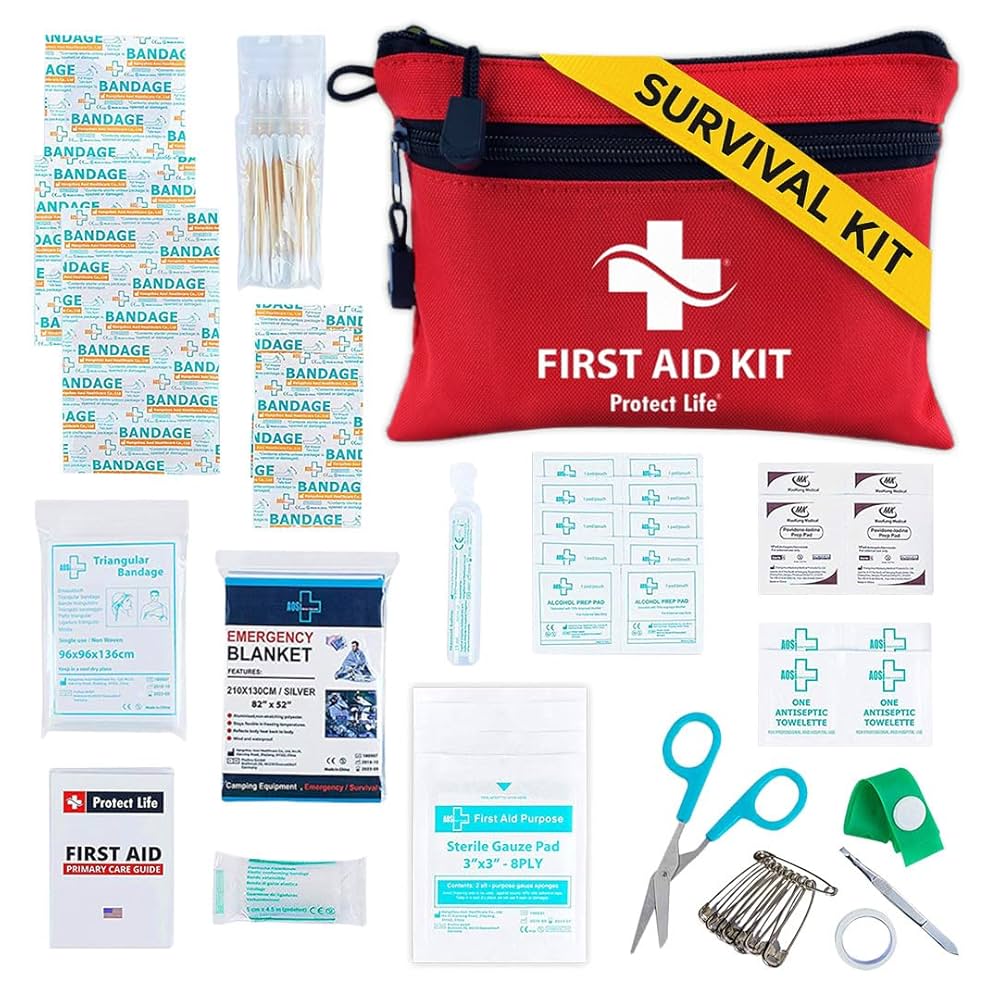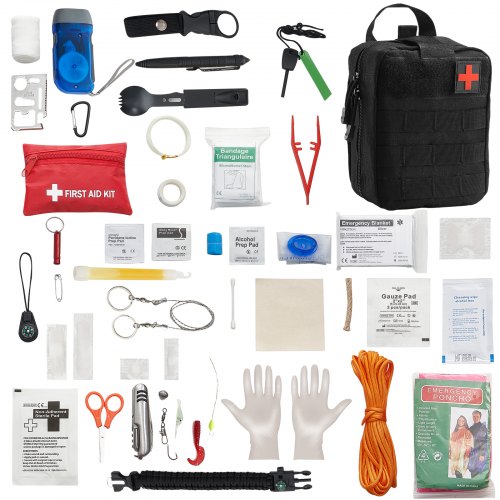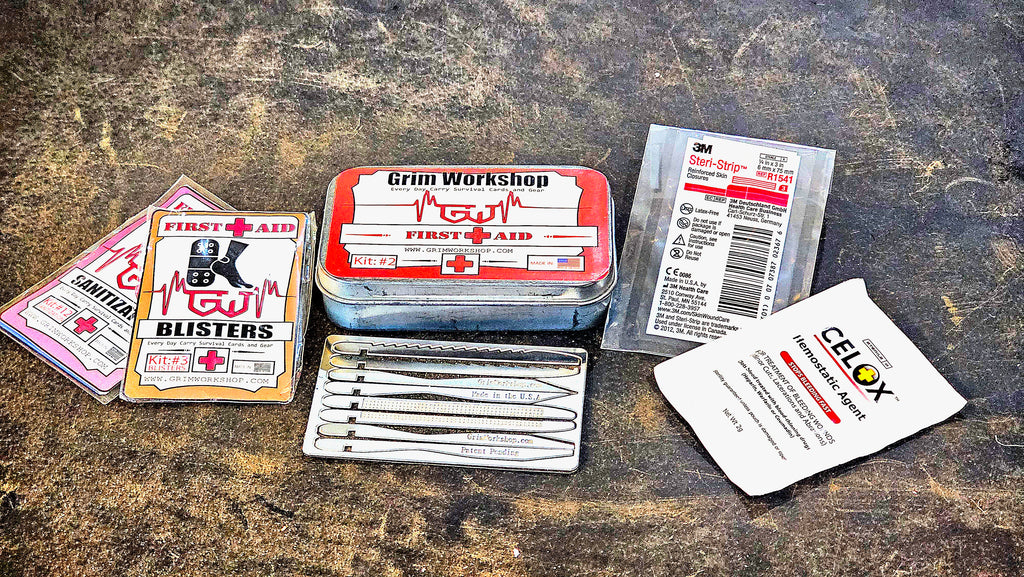
Imagine being in a situation where help is far away, and you need to act fast to protect yourself or someone you care about. Having a survival first aid kit ready can make all the difference between panic and control.
You might think building one is complicated or expensive, but it’s simpler than you believe. In this guide, you’ll discover exactly what you need and how to put together a kit that fits your needs—so you’re prepared for the unexpected.
Keep reading, because your safety could depend on it.
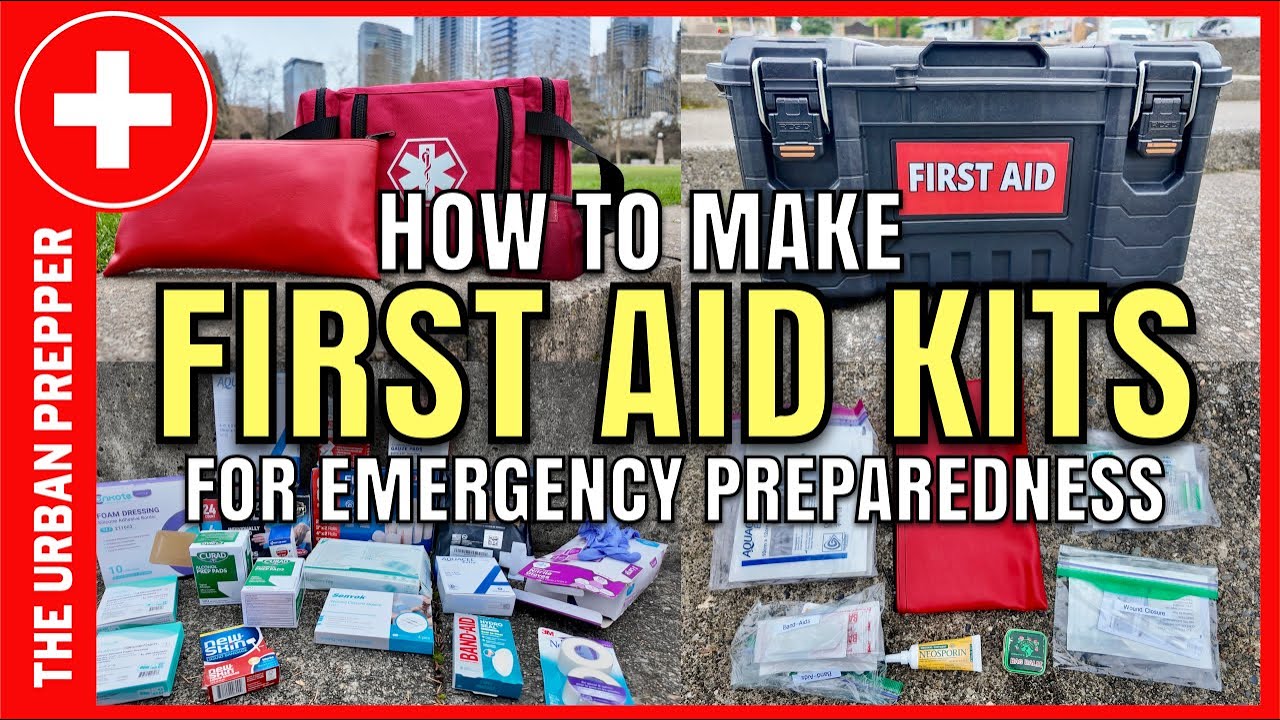
Credit: m.youtube.com
Choosing The Right Container
Choosing the right container for your survival first aid kit is more important than you might think. It’s not just about holding supplies; it’s about how easily you can carry it, how well it protects your items, and whether it fits your specific needs. A good container ensures your kit is ready and reliable when you need it most.
Size And Portability
Your container should be compact enough to carry without hassle but spacious enough to fit all essential items. Think about where you will keep your kit — in a backpack, car, or at home. A bulky box might be perfect for a car, but not for a hiking trip.
Consider a container that fits comfortably in your everyday bag or attaches easily to your belt. This way, you won’t hesitate to bring it along. Have you tested how your kit feels when you’re on the move?
Durability And Water Resistance
Durability is key. Your container must protect supplies from drops, pressure, and rough handling. Choose materials like hard plastic or metal that won’t crack or break easily.
Water resistance can save your kit from ruining during unexpected rain or spills. Look for containers with tight seals or waterproof zippers. If your kit gets wet, will your bandages and medications still be usable?
Essential Medical Supplies
Having the right medical supplies in your survival first aid kit can make all the difference when emergencies strike. These essentials help you manage injuries effectively and can prevent complications before professional help arrives. Let’s look closely at the key items you should never overlook.
Bandages And Dressings
Bandages and dressings are your first line of defense against bleeding and infections. Include a variety of sizes, like adhesive bandages for small cuts and larger sterile dressings for bigger wounds.
- Elastic bandages to secure dressings and support sprains
- Gauze pads for absorbing blood and protecting wounds
- Medical tape to keep everything in place
Have you ever tried to stop bleeding with just a cloth? You’ll realize quickly how important proper dressings are in controlling bleeding and speeding recovery.
Antiseptics And Ointments
Cleaning wounds promptly reduces the risk of infection significantly. Pack antiseptic wipes or solutions such as iodine or hydrogen peroxide to clean cuts and scrapes.
- Antibiotic ointments to prevent infection and help wounds heal faster
- Burn creams for soothing minor burns
- Alcohol swabs for disinfecting tools
Think about the last time you had a minor cut. Using antiseptics made all the difference between a quick recovery and a painful infection. Would you want to be without these supplies if something worse happened?
Medications
Medications in your kit can relieve pain, reduce fever, and treat allergic reactions. Always include common over-the-counter options like pain relievers (ibuprofen or acetaminophen) and antihistamines.
- Anti-inflammatory drugs to reduce swelling and pain
- Antihistamines to handle allergic reactions and insect bites
- Personal prescription medications, if necessary
Think ahead—what medications do you or your family members rely on daily? Keeping these handy can be a lifesaver when access to a pharmacy is impossible.
Tools And Equipment
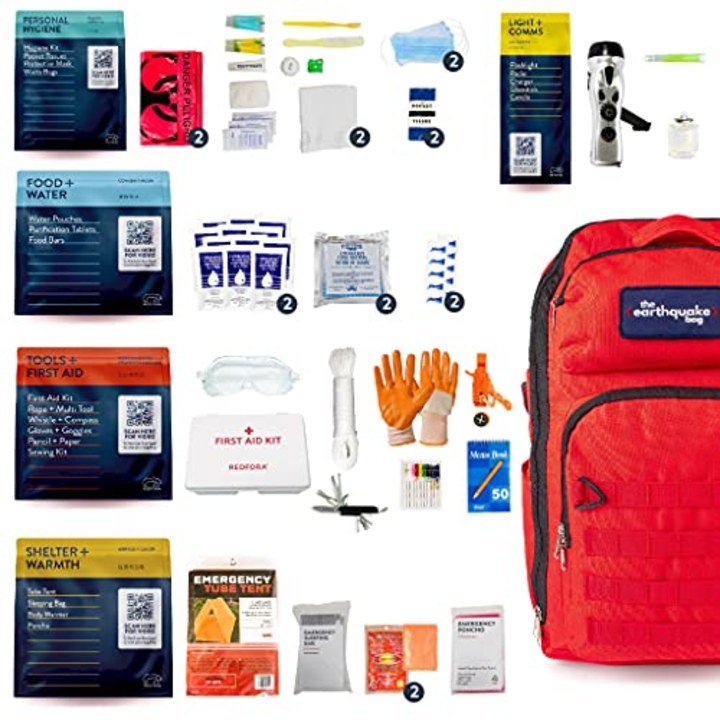
Choosing the right tools and equipment is key to building a reliable survival first aid kit. These items help treat wounds, check health, and ensure safety. Packing practical and durable tools makes handling emergencies easier and faster.
Tweezers And Scissors
Tweezers remove splinters, glass, or debris from the skin. Choose tweezers with a fine tip for precision.
Scissors cut bandages, tape, or clothing quickly. Small, sharp scissors fit well in any kit.
Thermometer And Gloves
A thermometer checks body temperature to spot fever early. Digital types are fast and easy to read.
Gloves protect from germs and blood. Use disposable gloves to keep hands clean and safe.
Cpr Mask And Safety Pins
A CPR mask helps give rescue breaths without direct contact. Compact masks with a one-way valve work best.
Safety pins secure bandages or hold splints in place. Keep several sizes for different uses.
Credit: www.nbcnews.com
Personal Items To Include
Creating a survival first aid kit is crucial. It helps you prepare for emergencies. Including personal items is essential. These items cater to individual health needs. Your kit becomes more effective and personal this way. Here are key personal items to consider.
Allergy Medications
Allergies can strike unexpectedly. Always pack necessary allergy medications. This includes antihistamines and epinephrine pens. Label them clearly for easy access. Keep them in original packaging. This ensures instructions are available.
Prescription Drugs
Include all necessary prescription drugs. Keep a supply for several days. Store them in a waterproof container. Label them with your name and dosage. Check expiration dates regularly.
Emergency Contact Information
Always include emergency contact information. Write it on a card or paper. Store it in a sealed plastic bag. List multiple contacts if possible. Include names and phone numbers.
Organizing Your Kit
Organizing your survival first aid kit is just as important as choosing the right supplies. A well-organized kit helps you find what you need quickly during an emergency when every second counts. Think about your last trip or outdoor adventure—how frustrating was it to dig through a messy bag? Avoid that stress by setting up a clear, easy-to-navigate system.
Labeling And Compartmentalizing
Labeling each section of your kit saves you precious time. Use waterproof tags or permanent markers to name compartments clearly. You can separate items into categories like Wound Care, Medications, and Tools.
Consider using small pouches or ziplock bags to keep similar items together. For instance, group all bandages and gauze in one pouch, and pain relief tablets in another. This way, you don’t have to rummage through everything to find a single item.
Have you ever tried opening a kit under stress only to find supplies scattered? Proper compartmentalization prevents this confusion and keeps your kit neat and accessible.
Regular Inspection And Replacement
It’s easy to pack a first aid kit and forget about it, but regular checks are crucial. Set a reminder every few months to inspect your kit. Look for expired medications, used or damaged supplies, and anything that’s running low.
Replacing expired items ensures your kit remains effective. For example, adhesive bandages lose stickiness over time, and ointments can dry out. Keeping your kit fresh guarantees you won’t be caught off guard when you need it most.
Ask yourself: when was the last time you checked your kit? Making this a habit can turn your survival kit from a forgotten bag into a reliable lifesaver.
Customizing For Different Environments
Building a survival first aid kit isn’t a one-size-fits-all task. Your environment shapes what you need to carry. Customizing your kit for where you’ll be can make all the difference in an emergency.
Urban Vs. Wilderness Needs
In a city, your kit should focus on quick access to help and common urban injuries. Think cuts from broken glass, burns from kitchen accidents, or even dealing with stress-related symptoms. Include items like antiseptic wipes, adhesive bandages, pain relievers, and a list of local emergency numbers.
Out in the wilderness, your kit needs to cover more varied risks. Snake bites, insect stings, and hypothermia become real threats. Add a snake bite kit, insect repellent, and a thermal blanket. You might also want a water purification method since clean water isn’t guaranteed.
Ask yourself: what hazards are most likely in your area? Tailor your supplies to those risks for better readiness.
Seasonal Adjustments
Season changes demand different gear in your first aid kit. Winter calls for items that prevent frostbite and treat cold-related injuries, like hand warmers and thicker bandages. Keep extra layers or emergency blankets handy, especially if you’re outdoors.
Summer, on the other hand, often means more sunburns and dehydration. Sunscreen, aloe vera gel, and oral rehydration salts become essentials. Also, insect bites increase in warmer months, so include antihistamines and bite relief cream.
Think about the weather conditions you’ll face. Adjust your kit accordingly to stay prepared through every season.
Maintaining Your First Aid Kit
Maintaining your survival first aid kit is just as important as assembling it. A well-kept kit ensures you’re always ready for emergencies. Neglecting it can leave you with expired supplies or missing essentials when you need them most.
Checking Expiration Dates
Expired items lose their effectiveness and can even be harmful. Regularly check all medications, ointments, and sterile products for expiration dates. Set a reminder every three months to review your kit.
Don’t just toss expired items—replace them promptly. For example, I once found a painkiller pack that was two years past its date. It gave me a wake-up call to track these dates more carefully.
Restocking After Use
Every time you use an item, replace it immediately. Running low on bandages or antiseptic wipes can leave you vulnerable in a future emergency. Keep a small list of essentials to restock so nothing slips through the cracks.
Think about the last time you patched a cut—did you restock that bandage afterward? If not, your kit might be incomplete when you need it. Make restocking a habit, just like checking expiration dates.

Credit: premierbodyarmor.com
Frequently Asked Questions
What Essential Items Go Into A Survival First Aid Kit?
A survival first aid kit should include bandages, antiseptic wipes, medical tape, scissors, tweezers, pain relievers, gloves, and a CPR mask. These essentials handle common injuries and emergencies effectively, ensuring you are prepared in survival situations.
How Often Should You Update Your First Aid Kit?
Update your first aid kit every six months. Check expiration dates, replace used or outdated items, and restock supplies. Regular updates keep your kit reliable and ready for emergencies, maintaining its effectiveness when you need it most.
Can I Customize My Survival First Aid Kit?
Yes, customize your kit based on your environment, health needs, and group size. Add allergy medications, insect repellent, or specific tools. Customization ensures your kit suits your unique survival situation and increases your preparedness.
Where Is The Best Place To Store A Survival First Aid Kit?
Store your kit in a cool, dry, and accessible location. Keep it in a waterproof container if possible. Easy access during emergencies is crucial, so choose a spot known to all members of your group or family.
Conclusion
A good survival first aid kit can save lives in emergencies. Gather essential items and keep them organized. Check your kit regularly and replace used or expired supplies. Practice using the tools and learn basic first aid skills. Being prepared helps you stay calm and act fast.
Start building your kit today to protect yourself and others. Safety begins with simple steps and smart choices.