Imagine finding yourself in an emergency where help is far away. What if you had the right tools to handle injuries and stay safe?
Your survival first aid kit can make all the difference. But what exactly should you include in it? Knowing what is needed can save precious time and even lives when it matters most. Keep reading to discover the essential items your kit must have to prepare you for any unexpected situation.
Credit: survivalfirstaidkits.com
Basic First Aid Supplies
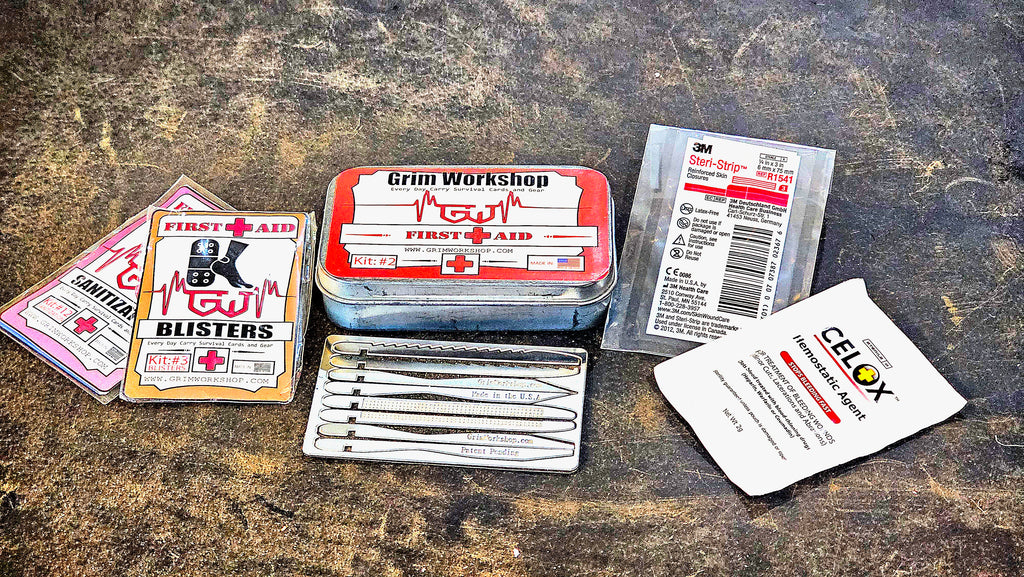
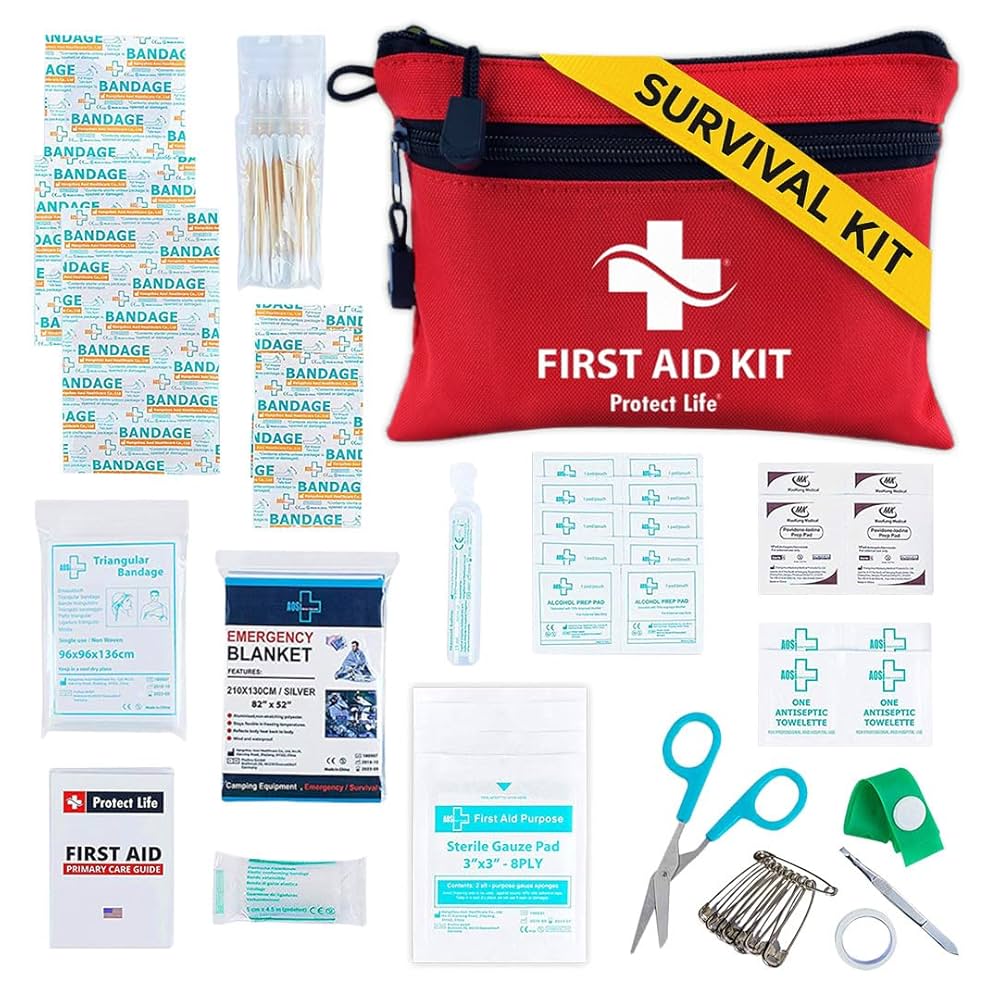
A survival first aid kit needs essential basic supplies to handle common injuries. These items help stop bleeding, prevent infection, and protect wounds. A well-prepared kit can make a big difference in emergencies. The basic supplies include bandages, antiseptics, ointments, medical tape, and gauze. Each plays a vital role in first aid care.
Bandages And Dressings
Bandages cover wounds and help control bleeding. They keep dirt and germs out. Different sizes and types serve various needs:
- Adhesive bandages for small cuts and scrapes
- Sterile gauze pads for larger wounds
- Elastic bandages for sprains or support
- Non-stick dressings to protect sensitive skin
Having a variety ensures you can treat many injuries effectively.
Antiseptics And Ointments
Antiseptics clean wounds and reduce infection risk. Ointments help heal and soothe skin. Common antiseptics include:
- Alcohol wipes for quick cleaning
- Hydrogen peroxide for deeper cleaning
- Antibacterial ointments like Neosporin
Use these carefully to avoid irritation. They prepare wounds for proper healing.
Medical Tape And Gauze
Medical tape secures bandages and dressings in place. Choose a tape that sticks well but is gentle on skin. Gauze comes in rolls or pads and helps absorb blood or fluids. Key points:
- Use gauze to cover wounds and control bleeding
- Tape should be strong yet easy to remove
- Both are essential for dressing wounds properly
Proper use of tape and gauze keeps wounds clean and protected.
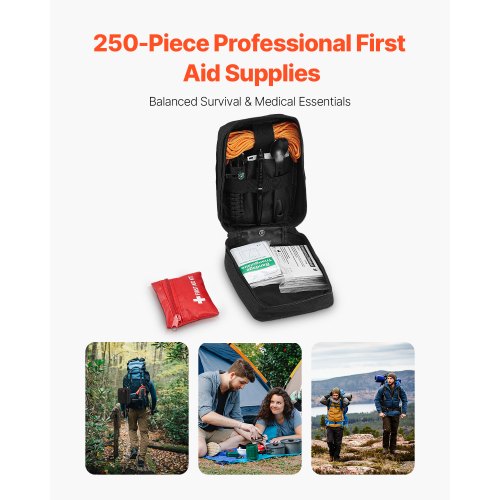
Credit: www.vevor.ca
Tools And Instruments
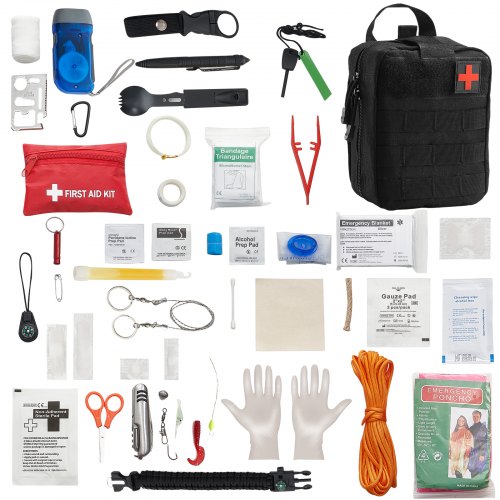
Having the right tools and instruments in your survival first aid kit can make a significant difference when facing emergencies. These items help you handle minor injuries and assess conditions quickly. Without them, even simple tasks like removing a splinter or checking a fever become challenging.
Tweezers And Scissors
Tweezers are essential for removing small debris like splinters or glass shards safely. Look for a pair with a fine tip and sturdy grip to handle delicate tasks easily.
Scissors are equally important for cutting bandages, tape, or clothing when needed. Choose a pair that is sharp and compact, so you can maneuver in tight situations without hassle.
Thermometer And Gloves
A reliable thermometer helps you monitor body temperature, which can indicate infections or heat-related issues. Digital thermometers are quick and easy to read, even under stress.
Gloves protect both you and the injured person from infections. Nitrile gloves are a great choice because they resist tears and provide a better fit than latex.
Cpr Mask And Safety Pins
CPR masks allow you to perform rescue breaths safely by creating a barrier between you and the victim. Having this tool ready can boost your confidence during life-saving efforts.
Safety pins come in handy for securing bandages or creating makeshift slings. They are small but incredibly useful for stabilizing injuries quickly.
Medications To Include
Include essential medications like pain relievers, antihistamines, and antiseptic ointments. These help treat common injuries and allergic reactions quickly. Keeping a small supply of prescription medicines is also important for emergencies.
When preparing a survival first aid kit, including the right medications is crucial. These medicines ensure that you are ready to handle a variety of health issues that might arise in emergency situations. Whether you are camping in the wilderness or facing a natural disaster, having the right medications can make a significant difference in your ability to stay healthy and safe.Pain Relievers And Anti-inflammatory Drugs
Pain can strike unexpectedly, and having pain relievers on hand can be a lifesaver. Common choices include acetaminophen and ibuprofen, which can help alleviate headaches, muscle aches, and minor injuries. They also play a role in reducing inflammation, making them versatile additions to your kit. Consider how often you or your family members experience pain or inflammation. Then, decide the quantity you’ll need in your kit. Remember, it’s not just about treating existing pain but also being prepared for potential injuries.Allergy And Antihistamine Medicines
Allergies can be unpredictable and sometimes severe. Antihistamines like diphenhydramine or loratadine can provide relief from allergic reactions, such as those caused by insect bites or pollen. If you or someone in your group has severe allergies, consider including an epinephrine auto-injector. Think about the environments you frequent. Is pollen a concern, or do you encounter a lot of insects? Tailor your kit to address these common allergens.Anti-diarrheal And Hydration Supplies
In survival situations, maintaining hydration is crucial, especially if you’re dealing with diarrhea. Anti-diarrheal medications like loperamide can help manage symptoms and prevent dehydration. Oral rehydration salts or electrolyte tablets are excellent for restoring lost fluids and electrolytes. Have you ever experienced stomach issues while traveling? Imagine facing that without proper medication. Ensuring you have anti-diarrheal and hydration supplies in your kit can prevent a minor inconvenience from becoming a major problem. These medications can make all the difference in a survival scenario. Are you prepared for what life might throw at you? Make sure your first aid kit is stocked and ready for any challenge.
Credit: unchartedsupplyco.com
Emergency Items
Emergency items in a survival first aid kit are more than just extras—they can make a critical difference when you face unexpected situations. These tools help you manage not only injuries but also the environment and communication challenges that arise during emergencies. Think about a time you were stuck in the cold or lost your way; having the right emergency items could have changed the outcome.
Emergency Blanket And Cold Packs
An emergency blanket is lightweight but powerful. It traps your body heat, preventing hypothermia in cold conditions. You can also use it as a ground cover or a signal reflector.
Cold packs are equally essential. They reduce swelling and numb pain after injuries like sprains or bruises. You don’t need to freeze them beforehand; just squeeze or break the pack to activate the cooling effect.
Flashlight And Batteries
A reliable flashlight is vital when darkness falls unexpectedly. It lets you see hazards and signals for help. Always pack extra batteries to avoid being left in the dark.
Consider LED flashlights—they use less power and last longer. Have a small, lightweight model that fits easily in your kit or pocket. Would you want to scramble for light in a crisis?
Whistle And Notepad
A whistle is a simple but effective tool to attract attention over long distances. Its sound carries farther than your voice, especially in noisy or wooded areas. Carry one with you so you can signal rescuers quickly.
Keeping a notepad allows you to jot down important information or leave messages. This can be a lifesaver if you need to communicate but can’t speak or if you want to leave notes for others. Have you ever thought about how much easier it is to communicate with a quick written note in an emergency?
Personal Care And Hygiene
Personal care and hygiene are vital in a survival first aid kit. Staying clean helps prevent infections and keeps morale high. Basic hygiene items support health when regular facilities are unavailable. These essentials protect against germs and maintain comfort in tough situations.
Hand Sanitizer And Wipes
Hand sanitizer kills germs quickly without water. Choose one with at least 60% alcohol for best effect. Antibacterial wipes clean hands and surfaces fast. They are handy for wiping dirt and sweat. Both are lightweight and easy to carry.
Toothbrush And Toothpaste
Oral care prevents tooth decay and bad breath. A small toothbrush fits well in any kit. Use fluoride toothpaste to protect teeth from cavities. Brushing daily helps avoid infections and discomfort.
Personal Medications
Include all necessary personal medications in your kit. Pack enough to last several days or weeks. Label medicines clearly and keep them in waterproof containers. This ensures access to important treatments during emergencies.
Storage And Maintenance
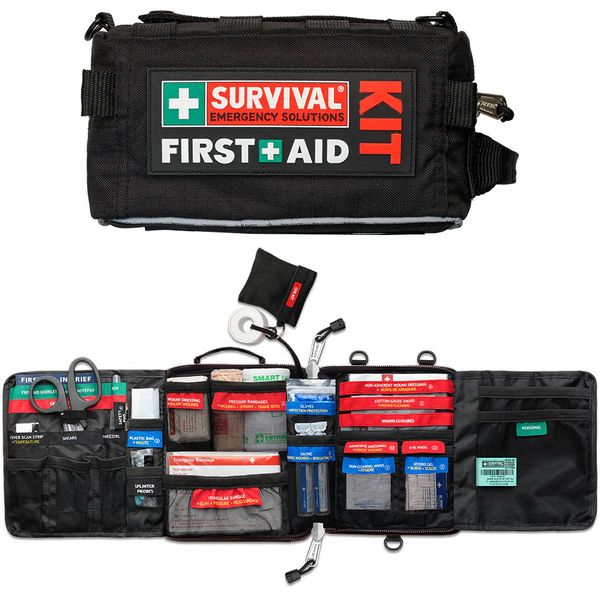
Proper storage and regular maintenance are key to keeping your survival first aid kit ready when you need it most. A well-organized kit in a sturdy container protects supplies from damage and makes it easier to find items quickly. Neglecting this can mean wasted time or unusable materials during an emergency.
Durable Container Options
Choose a container that can withstand harsh conditions like moisture, dust, and impacts. Waterproof plastic cases or metal boxes with secure latches work well to keep everything safe.
Look for containers with compartments or dividers to prevent items from shifting. A compact, rugged case is easier to carry and store than loose supplies in bags or flimsy boxes.
Regular Kit Checks And Updates
Set a schedule to check your first aid kit at least every three months. This helps you spot expired medications, missing items, or damaged supplies before an emergency.
Replace anything that’s used or past its expiration date immediately. Keeping an updated checklist inside the kit can speed up these checks and avoid forgetting crucial items.
Organizing Tips
Group similar items together for quick access—bandages with bandages, antiseptics with antiseptics, and so on. Use small resealable bags or labeled pouches to separate categories inside the container.
Arrange the most frequently used items on top or in an easily reachable spot. This simple step can save valuable seconds when you’re under pressure.
Frequently Asked Questions
What Essential Items Are In A Survival First Aid Kit?
A survival first aid kit must include bandages, antiseptic wipes, adhesive tape, scissors, tweezers, pain relievers, and gloves. These items help treat wounds, prevent infections, and manage minor injuries during emergencies.
How Do I Choose Supplies For A Survival First Aid Kit?
Select supplies based on potential emergencies and personal health needs. Include materials for wound care, medication, and tools for basic medical procedures to ensure readiness.
Why Is A Survival First Aid Kit Important?
A survival first aid kit allows quick response to injuries, reducing risks of infection and complications. It is vital for safety during outdoor activities or disasters.
How Often Should I Check And Update My First Aid Kit?
Check your first aid kit every six months. Replace expired medicines, used items, and update supplies based on changing health needs or seasons.
Conclusion
A survival first aid kit saves lives in emergencies. Include bandages, antiseptics, and pain relievers. Add tools like scissors, tweezers, and gloves. Keep the kit organized and easy to carry. Check supplies regularly and replace used items. Being prepared helps you act fast and stay safe.
Simple steps make a big difference in crises. Build your kit today to protect yourself and others. Ready for emergencies, you gain peace of mind.