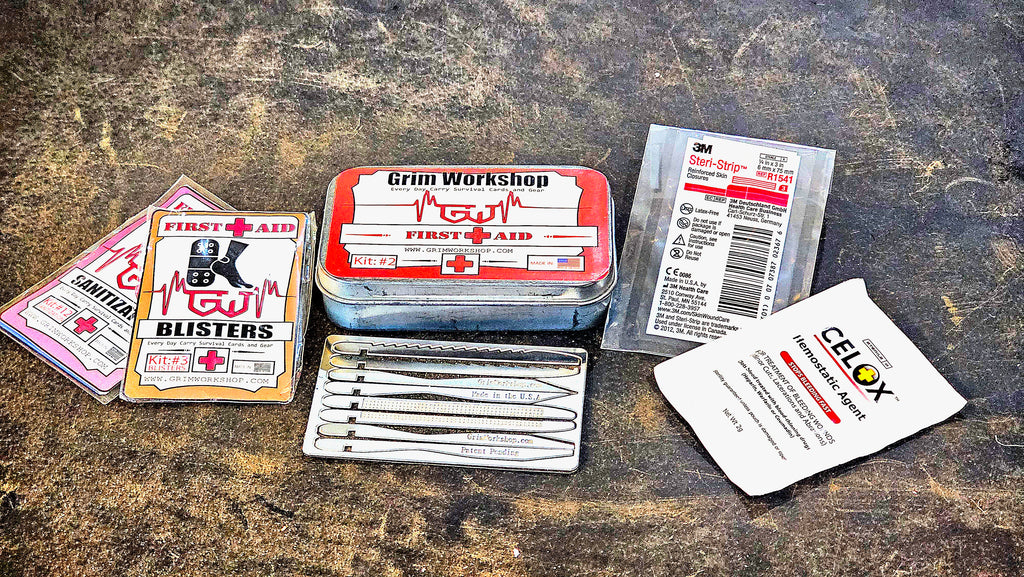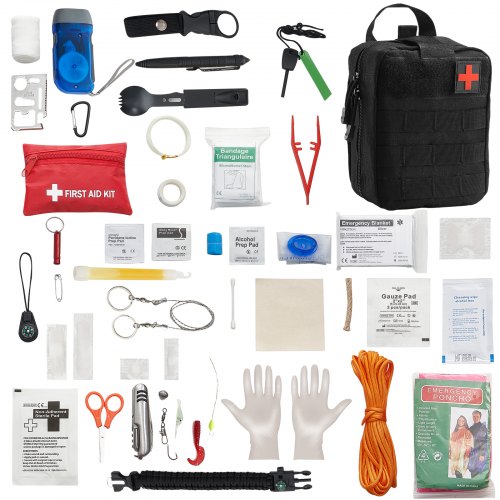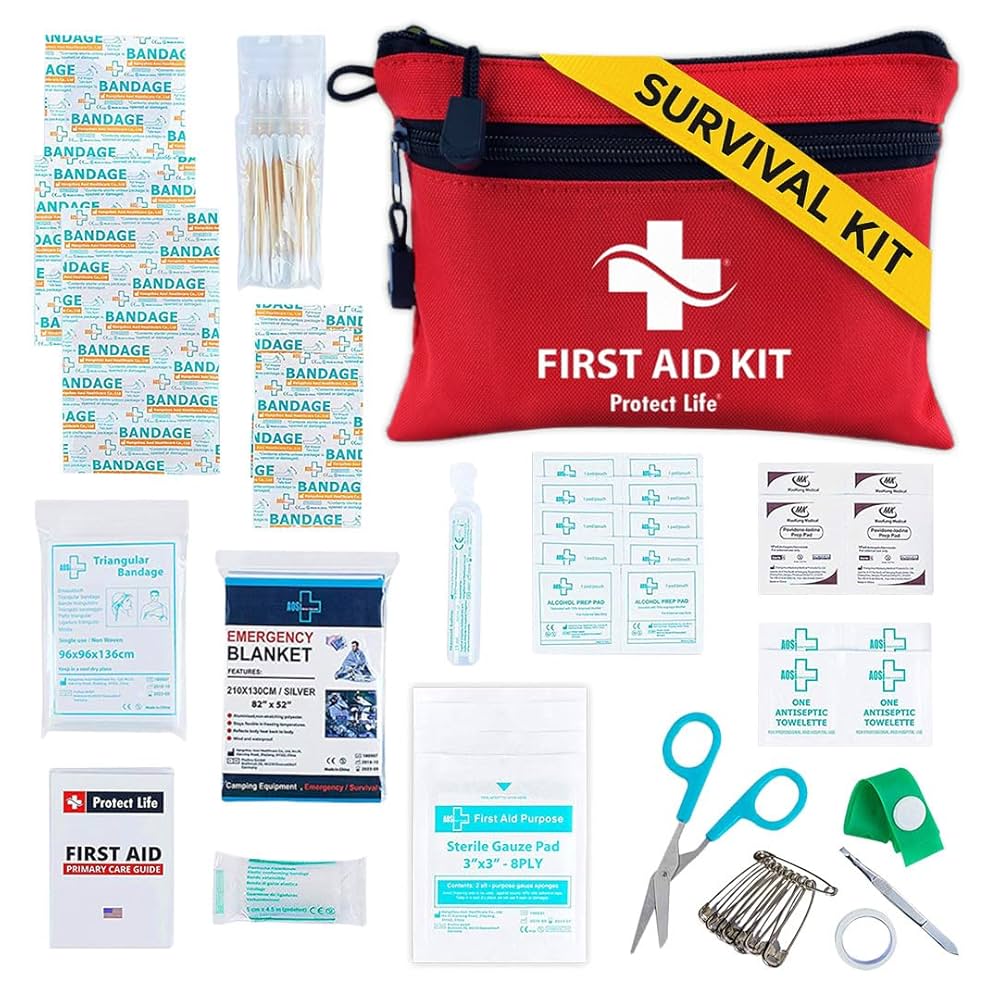
When an emergency strikes, having the right first aid kit can make all the difference between a minor scare and a serious problem. You want a survival first aid kit that’s reliable, easy to use, and packed with everything you might need when it matters most.
But with so many options out there, how do you know which one is truly the best for you? This guide will help you discover exactly what to look for in a survival first aid kit, so you can feel confident and prepared no matter the situation.
Keep reading, because your safety could depend on the choice you make today.

Credit: www.amazon.com
Choosing The Right First Aid Kit
Choosing the right first aid kit can make all the difference during an emergency. You want a kit that fits your specific needs, whether you’re hiking, at home, or facing unexpected situations. Understanding what to look for helps you avoid overpacking or missing crucial items.
Essential Kit Types
First aid kits come in various types, each designed for different scenarios. A basic kit is suitable for minor cuts and scrapes, while an advanced kit includes supplies for serious injuries. Think about your activities—are you camping in the wilderness or just keeping a kit in your car?
Some kits focus on trauma care, including items like tourniquets and emergency blankets. Others prioritize everyday injuries with bandages, antiseptics, and pain relievers. Matching the kit to your environment and skill level ensures you’re prepared without carrying unnecessary weight.
Size And Portability
The size of your first aid kit affects how often you carry it. A bulky kit might stay at home, but a compact one fits easily into a backpack or glove box. Ask yourself: will you realistically bring this kit on every outing?
Portability means not just size but ease of access. Kits with organized compartments and clear labels help you find what you need fast. I once struggled to locate a bandage in a bulky kit during a trail injury—it taught me the value of a well-organized, portable kit.
Durability And Waterproofing
Durability is key if your kit faces rough conditions. Look for hard cases or heavy-duty fabric that withstands drops and pressure. Waterproofing protects your supplies from rain, spills, or humidity, keeping everything sterile and ready to use.
Consider a kit with sealed zippers or waterproof pouches inside. You don’t want soggy bandages when you need them most. How often do you check your kit’s condition? Regular inspections help catch damage before it becomes a problem.
Key Components To Include
Knowing the key components to include in a survival first aid kit helps you prepare for emergencies. A well-stocked kit can handle minor injuries and stabilize serious wounds until help arrives. Focus on supplies that treat cuts, burns, pain, and infections. Keep the kit compact but complete, covering essential needs.
Basic Medical Supplies
- Adhesive bandages in various sizes
- Sterile gauze pads and rolls
- Medical tape to secure dressings
- Antiseptic wipes to clean wounds
- Disposable gloves for hygiene
- Scissors and tweezers for cutting and removing debris
- Elastic bandages for sprains and support
Medications And Ointments
- Pain relievers such as ibuprofen or acetaminophen
- Antihistamines for allergic reactions
- Antibiotic ointment to prevent infection
- Hydrocortisone cream for itching and rashes
- Burn cream to soothe minor burns
- Oral rehydration salts to prevent dehydration
Tools And Equipment
- Thermometer to monitor body temperature
- CPR face shield or mask for rescue breathing
- Emergency blanket to retain body heat
- Flashlight with extra batteries
- Whistle to signal for help
- Small notepad and pencil for recording vital information
Specialized Kits For Different Scenarios
Survival first aid kits vary to fit different needs, such as hiking, home, or car use. Choosing a kit designed for your specific situation ensures you have the right tools. Specialized kits improve readiness and safety during emergencies.
In a world where anything can happen, being prepared is your best defense. A well-stocked survival first aid kit can be your lifeline in emergencies. But did you know that different scenarios call for specialized kits? Tailoring your first aid supplies to your environment and activities can make all the difference. Let’s explore some specialized kits designed for various situations.Outdoor And Wilderness Kits
Venturing into the wild is an exhilarating experience, but nature is unpredictable. An outdoor and wilderness kit is essential for hikers, campers, and adventurers. These kits often include items like snake bite kits, water purification tablets, and thermal blankets. Imagine you’re hiking in a remote area, miles from civilization. A well-stocked kit with a comprehensive guide to treating sprains or fractures can provide peace of mind. Always ensure your kit is waterproof and lightweight, making it easy to carry on your trek.Urban And Home Kits
Living in a bustling city doesn’t mean you’re immune to emergencies. Urban and home kits are designed for everyday incidents like cuts, burns, and allergic reactions. These kits are perfect for keeping at home, in your office, or even in your gym bag. Picture yourself in a kitchen accident with a minor burn. An urban kit with burn cream, sterile gauze, and adhesive bandages can be a quick lifesaver. Regularly check your kit for expired items and replace them to maintain its effectiveness.Travel And Vehicle Kits
Whether you’re embarking on a road trip or catching a flight, travel and vehicle kits are indispensable. These kits are compact and include essentials like antiseptic wipes, motion sickness tablets, and a multi-tool. Consider a scenario where your car breaks down in a remote area. A vehicle kit equipped with a flashlight, reflective triangle, and basic first aid supplies can make waiting for help much more comfortable. Keep your kit accessible in your glove compartment or trunk. Are you prepared for the unexpected? Investing in specialized first aid kits for different scenarios can ensure you’re ready for whatever life throws your way. Evaluate your lifestyle and choose the right kit to keep you and your loved ones safe.Customizing Your First Aid Kit
Customizing your first aid kit makes it ready for your unique needs. A one-size-fits-all kit often misses important items. Tailoring your kit improves safety and response in emergencies. Think about who will use the kit and where it will be used.
Personal Health Needs
Include medicines and supplies for your health conditions. Allergy medicines or inhalers are essential for some. Add any prescription drugs you take regularly. Include extra bandages or ointments for common injuries you get. Consider adding pain relievers or fever reducers you trust. Personal hygiene items like hand sanitizer can help prevent infection.
Family And Group Considerations
Adjust your kit for all group members’ needs. Children need smaller bandages and special medicines. Elderly family members may need different supplies. Include extra supplies for group size and types of activities. Think about pets if they travel with you. Sharing supplies helps everyone stay safe.
Seasonal Adjustments
Change your kit based on the season or environment. Add sunscreen and insect repellent for summer trips. Include cold packs and warm blankets for winter. Keep extra water and electrolyte tablets in hot weather. Prepare for cuts and scrapes during outdoor activities. Seasonal tweaks keep your kit ready year-round.
Maintenance And Storage Tips
Keeping a survival first aid kit ready is vital for emergencies. Proper maintenance and storage ensure all items work effectively when needed. Neglecting these steps can lead to expired supplies or damaged tools. Follow simple tips to keep your kit in top shape.
Regular Inspection And Restocking
Check your first aid kit regularly. Look for used or damaged items. Replace anything missing or broken. Count supplies to ensure nothing runs low. Restock immediately after use. A well-stocked kit saves time and stress during emergencies.
Proper Storage Conditions
Store your kit in a cool, dry place. Avoid exposure to heat and moisture. These can damage medicines and tools. Use a sturdy, waterproof container if possible. Keep it easy to find in an emergency. Label the container clearly for quick access.
Expiration Dates And Replacement
Check expiration dates on all items. Medicines and ointments lose strength over time. Remove and replace expired products promptly. Keep a list of expiration dates for quick review. Fresh supplies guarantee the best care in emergencies.

Credit: www.amazon.com
Top Brands And Recommended Kits
Choosing the right survival first aid kit can make a big difference in emergencies. The best kits come from trusted brands with a history of quality and reliability. These brands offer kits designed for different needs and budgets. Understanding the options helps you pick a kit that suits your situation best.
Budget-friendly Options
Affordable kits provide essential items for common injuries. They include bandages, antiseptic wipes, and basic tools. These kits suit casual hikers, travelers, and beginners. Popular budget brands include:
- Surviveware
- First Aid Only
- Adventure Medical Kits
These kits balance price and quality well. They often come in compact, easy-to-carry cases. Some include extra items like gloves and scissors.
Professional Grade Kits
Professional kits offer extensive supplies for serious situations. They include trauma dressings, airway tools, and advanced medications. These kits target first responders and experienced outdoors people. Trusted brands in this category are:
- My Medic
- Rite in the Rain
- North American Rescue
These kits often feature durable, weather-resistant cases. They provide enough supplies for multiple people or long trips.
User Reviews And Ratings
Customer feedback reveals real-world kit performance. High ratings show reliability and satisfaction. Common praises include:
- Well-organized compartments
- Quality of materials
- Ease of use
Negative reviews often mention missing items or poor packaging. Check reviews to avoid surprises and ensure the kit fits your needs.
First Aid Skills To Complement Your Kit
Having a well-stocked survival first aid kit is essential, but it’s only half the battle. Without the right skills to use it, your kit’s value drops significantly. Developing practical first aid abilities can make a real difference when every second counts.
Basic First Aid Training
Knowing how to treat common injuries like cuts, burns, and sprains is crucial. Basic first aid training teaches you to clean wounds properly and stop bleeding effectively. Have you ever faced a minor injury and felt unsure what to do next? Learning these skills builds confidence and helps you act quickly in emergencies.
Consider taking a course or watching trusted tutorials to understand the fundamentals. Practice makes perfect—try to refresh your knowledge regularly to stay sharp.
Cpr And Emergency Techniques
Cardiopulmonary resuscitation (CPR) can save lives during cardiac arrest. But it’s more than just chest compressions; knowing when and how to perform CPR, along with rescue breaths, is vital. Emergency techniques also include the Heimlich maneuver and using an automated external defibrillator (AED).
Have you ever wondered what to do if someone suddenly collapses? Learning CPR empowers you to act decisively rather than freeze in shock. Hands-on practice through certified classes can prepare you for these high-pressure situations.
Using Kit Components Effectively
Your first aid kit contains many tools and supplies, but knowing how to use each item makes a difference. For instance, understanding when to apply a tourniquet or how to use antiseptic wipes properly can prevent complications. Many people own kits but never open them until an emergency arises—this can cause confusion and delay treatment.
Take time to familiarize yourself with every component. Labeling items or creating a simple guide inside your kit can speed up your response. What’s one item in your kit you feel unsure about using? Learning to handle it now could save a life later.

Credit: www.amazon.com
Frequently Asked Questions
What Should A Survival First Aid Kit Include?
A survival first aid kit should include bandages, antiseptics, pain relievers, tweezers, scissors, and gloves. It must have items for wound care, infection prevention, and basic medical emergencies. Including a CPR mask and emergency blanket is also beneficial for survival situations.
How To Choose The Best Survival First Aid Kit?
Choose a kit based on size, contents, and durability. Ensure it covers common injuries and medical needs. Look for waterproof and compact designs for easy portability. Consider kits with clear instructions and extra supplies for longer emergencies.
Can I Customize My Survival First Aid Kit?
Yes, customizing your kit ensures it meets your specific needs. Add medications, allergy treatments, or tools relevant to your environment. Tailoring the kit improves preparedness for personal health conditions and local hazards. Regularly update items for expiration and usability.
How Often Should I Update My First Aid Kit?
Update your first aid kit every 6 to 12 months. Check for expired medications, damaged supplies, and replenished usage. Keeping the kit current ensures effectiveness during emergencies. Regular checks maintain readiness and safety.
Conclusion
Choosing the best survival first aid kit means being ready for emergencies. A good kit has essential items for common injuries. It should be compact, easy to carry, and suit your needs. Check the contents regularly and replace used or expired supplies.
Remember, having a reliable first aid kit can save lives. Stay prepared and confident in any situation. Safety starts with the right tools at hand.