Imagine facing a sudden emergency—whether it’s a natural disaster, power outage, or unexpected crisis—and realizing you don’t have enough food to keep you and your loved ones safe. That feeling of uncertainty can be overwhelming.
But what if you could take control right now? By starting your own emergency food supply, you’re not just preparing—you’re gaining peace of mind. In this guide, you’ll discover simple, practical steps to build a reliable stash of food that lasts.
Keep reading, and you’ll learn how to protect your family and stay ready for whatever comes your way.
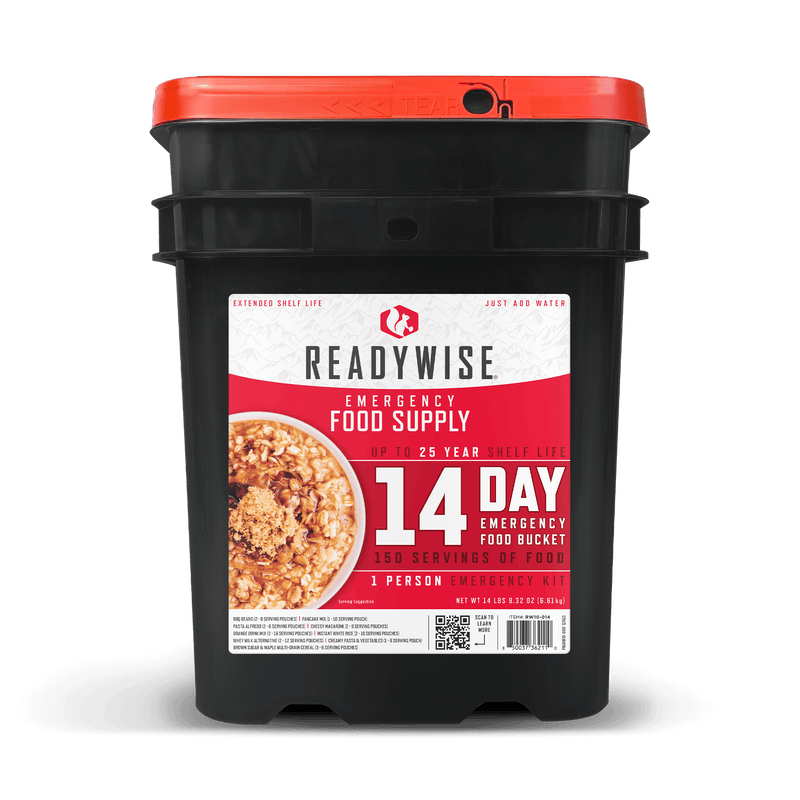
Credit: readywise.com
Assess Your Needs
Before you start gathering supplies for your emergency food stockpile, it’s crucial to assess your needs carefully. This helps you avoid overbuying or missing essential items. Understanding your unique situation sets a strong foundation for a practical and efficient emergency food supply.
Evaluate Household Size
Think about everyone in your home. How many adults, children, or elderly people live with you? Each person needs enough food to stay healthy during an emergency, so knowing your household size helps you estimate how much food to store.
Don’t forget to consider how long you want your supply to last. A two-week supply for a family of four is very different from a one-month supply for two people. Have you calculated the daily calorie needs for each person? This ensures you store enough food without wasting space or money.
Consider Dietary Restrictions
Does anyone in your home have allergies or special dietary needs? Gluten intolerance, diabetes, or vegetarian diets require specific foods. Ignoring these needs could make your emergency food supply useless when you need it most.
Make a list of foods that are safe and acceptable for everyone. This might include low-sodium canned goods or dairy-free protein options. Have you checked expiration dates and food labels carefully? This step prevents surprises during an emergency.
Plan For Special Circumstances
Think about any unique situations in your household. Do you have babies, pets, or people with medical conditions? Baby formula, pet food, or medications should be part of your emergency plan.
Consider storage space and preservation methods for these special items. Can you store frozen baby food, or do you need shelf-stable alternatives? How will you keep medications safe and accessible?
Ask yourself: what unexpected needs might arise? Preparing for these ensures you won’t be caught off guard when emergencies happen.
Choose Long-lasting Foods
Choosing long-lasting foods is essential for building a reliable emergency food supply. These foods stay fresh for months or even years. They reduce waste and ensure you have enough to eat during tough times.
Focus on foods that do not spoil quickly. This way, your supply remains safe and nutritious. Also, pick items that provide energy and essential nutrients. Balance is key to staying healthy in emergencies.
Select Non-perishable Items
Non-perishable foods last long without refrigeration. Examples include canned goods, dried beans, and rice. These items resist spoilage and are easy to store. Keep them in a cool, dry place to extend shelf life.
Choose canned vegetables, fruits, and meats. They provide variety and essential nutrients. Packaged pasta, lentils, and powdered milk are good options too. Avoid foods that spoil quickly, like fresh produce or dairy.
Include High-calorie Options
High-calorie foods give energy during emergencies. Energy is vital when physical activity increases or resources are limited. Include nuts, peanut butter, and granola bars in your supply.
Oils and fats also provide many calories in small amounts. Consider olive oil, coconut oil, or vegetable oil. These items help maintain energy and support body functions.
Incorporate Variety And Nutrition
Variety keeps meals interesting and balanced. Different food groups provide vitamins and minerals your body needs. Mix grains, proteins, fruits, and vegetables in your supply.
Use dried herbs and spices to improve flavor. Include vitamin supplements if needed. This approach helps prevent nutrient deficiencies and maintains health during emergencies.
Stock Up On Water
Stock up on water to ensure you have a safe supply during emergencies. Store at least one gallon per person per day. Consider using sturdy containers to prevent leaks and contamination.
Stocking up on water is a crucial step in starting an emergency food supply. Water is the most important element for survival, yet it’s often overlooked in favor of food. Ensuring you have enough water stored can make a significant difference in a crisis. Before you start filling bottles, it’s essential to understand your family’s daily water needs.Determine Daily Water Requirements
How much water do you really need? Experts recommend storing at least one gallon of water per person per day. This amount covers basic hydration and minimal cooking needs. But consider your lifestyle—do you have pets, or do you live in a hot climate? These factors might increase your water requirements.Store Water Safely
Now that you know how much you need, let’s talk about storage. Use food-grade water storage containers made of durable plastic or glass. Keep them in a cool, dark place to prevent algae growth and maintain water quality. Avoid storing water in containers that have previously held chemicals. Label each container with the fill date, so you know when to rotate your supply.Explore Water Purification Methods
What if your stored water runs out? It’s smart to have purification methods on hand. Consider investing in a portable water filter or purification tablets. Boiling is another reliable method, but it requires heat and fuel, which might be scarce in an emergency. Have you ever tried distilling water using solar power? It’s a great skill to learn, especially if you’re relying on natural resources. Always have a backup plan to ensure you have access to clean water when you need it most.Organize Storage Space
Organizing your emergency food supply is essential for easy access and long shelf life. Proper storage keeps food safe and fresh. Planning your storage space can save time during emergencies. It also helps prevent waste and spoilage.
Find A Cool, Dry Location
Choose a place away from heat and sunlight. Heat can spoil food faster. Moisture causes mold and damage. A basement, pantry, or closet works well. Make sure the area stays dry and cool all year. Good air circulation helps keep food fresh.
Use Proper Containers
Select containers that protect food from air and pests. Airtight plastic bins, glass jars, and metal cans work well. Avoid thin plastic bags that can tear. Use containers that are easy to clean. Stack containers safely to save space. Clear containers help you see what is inside.
Label And Rotate Supplies
Label each container with contents and expiration dates. Use waterproof markers or printed labels. Place new food behind older items. Use older supplies first to avoid waste. Check your food supply every few months. Replace expired or damaged items promptly.
Create A Food Rotation Plan
Creating a food rotation plan keeps your emergency supply fresh and safe. It helps avoid waste and ensures you always have usable food. A well-planned rotation system makes managing your stock easier and more efficient.
Track Expiration Dates
Write down expiration dates on each food item. Use labels or a notebook to keep records. Check these dates regularly to know what needs to be used soon. This simple habit prevents food from spoiling unnoticed.
Use Older Supplies First
Always take out food with the closest expiration date first. This method is called “first in, first out.” It helps you use older items before they go bad. Place new purchases behind older ones on shelves or containers.
Regularly Update Your Stock
Review your emergency food supply every few months. Remove expired or damaged items immediately. Add fresh food to replace what you have used. This keeps your supply ready for any emergency at all times.
Include Cooking And Eating Tools
Including the right cooking and eating tools is vital for any emergency food supply. These tools help you prepare and enjoy meals easily. Without proper equipment, even the best food can become hard to use.
Choose items that are compact and lightweight. Focus on durability and ease of cleaning. Think about how you will cook and eat when power is out.
Select Portable Cooking Equipment
Pick cooking gear that is small and easy to carry. Examples include:
- Portable gas stoves
- Camping cookers
- Small charcoal grills
- Solar ovens
Make sure fuel sources are available and safe. Avoid bulky or heavy tools that slow you down.
Stock Up On Utensils And Plates
Gather basic eating tools for your emergency kit. Include:
- Forks, spoons, and knives
- Reusable or disposable plates and bowls
- Cups or mugs for hot and cold drinks
- Can opener and bottle opener
Choose items that are easy to clean and store. Avoid fragile materials like glass.
Prepare For No-power Scenarios
Plan for cooking and eating without electricity. Consider:
- Manual can openers
- Battery-powered or hand-crank lanterns
- Matches or lighters for fire starting
- Non-electric water filters
Test all tools before an emergency. Practice cooking with limited resources to build confidence.
Plan For Special Needs
Planning for special needs is essential when starting an emergency food supply. Different family members may have unique dietary and health requirements. Preparing for these needs helps ensure everyone stays safe and nourished during emergencies. Consider all ages, health conditions, and cultural habits while building your supply.
Include Baby And Pet Food
Babies need formula, baby food, and snacks suited to their age. Stock enough for several days or weeks. Pets also need food and treats during emergencies. Choose long-lasting options and store them properly. Remember to include water for pets too.
Consider Medical Supplies
Some people need medicines or special diets. Keep extra supplies of prescription medications. Include items like glucose tablets, allergy medicines, or digestive aids. Store these items in a cool, dry place. Check expiration dates often and replace as needed.
Account For Cultural Preferences
Cultural food habits affect what people eat daily. Include familiar foods that provide comfort and nutrition. This helps reduce stress during emergencies. Think about spices, grains, and flavors that match your family’s culture. Choose shelf-stable items that last long and taste good.

Credit: www.forbes.com
Maintain Your Supply
Maintaining your emergency food supply is just as important as starting one. Without regular care, your stockpile can become useless or insufficient when you actually need it. Staying on top of inspections, replacements, and adjustments ensures your supply remains reliable and ready for any situation.
Inspect Supplies Periodically
Check your emergency food stash at least twice a year. Look for signs of damage, moisture, or pests that could ruin your items. I once found a few cans with bulging lids that could have caused serious issues if left unnoticed.
Keep an eye on packaging integrity and storage conditions. Are the containers sealed tight? Is the storage area dry and cool? These small checks help you avoid surprises when you need the food most.
Replace Expired Items
Food expiration dates are not just suggestions—they matter. Expired items can lose nutritional value or become unsafe. Mark your calendar to rotate out old food regularly and replace it with fresh stock.
Try to use near-expiry items in your daily meals before replacing them. This keeps your supply fresh and prevents waste. Have you noticed how rotating your food supply keeps your emergency kit feeling like a pantry you actually use?
Adjust Quantities As Needed
Your needs may change over time. If your family grows, or if you add pets to your household, your emergency food supply should reflect these changes. Review your quantities and adjust them accordingly.
Also, consider changes in your lifestyle. If you start a special diet or have new health concerns, update your food types to match. Maintaining a supply tailored to your current situation makes your emergency preparedness more effective and personalized.
Stay Informed And Prepared
Staying informed and prepared is the backbone of building an effective emergency food supply. It’s not just about having enough food but knowing how to manage your resources and communicate during a crisis. Being proactive can make all the difference when unexpected situations arise.
Keep Emergency Contacts Handy
Having a list of emergency contacts within easy reach is crucial. Include neighbors, local emergency services, and family members who can offer assistance. Keep these contacts saved on your phone and printed on paper in your emergency kit to avoid being caught off guard if technology fails.
Think about who you would turn to if your usual support system was unavailable. Would you have the right numbers? This small step ensures you can get help or share vital information quickly.
Develop A Family Emergency Plan
Creating a clear plan with your family reduces confusion when every second counts. Discuss where to meet, how to communicate, and roles each person will play during an emergency. Practice this plan regularly so everyone knows what to do without hesitation.
Remember, emergencies don’t wait for perfect conditions. Your plan should cover scenarios like power outages, evacuations, or sudden lockdowns. How prepared is your family to act together when disaster strikes?
Stay Updated On Potential Risks
Knowing the specific risks in your area helps tailor your emergency food supply and overall readiness. Subscribe to local alerts, weather updates, and community newsletters. This information allows you to respond before situations worsen.
For example, if floods are common in your region, you might prioritize waterproof storage and non-perishable items. What local hazards could impact your emergency plan and food supply?
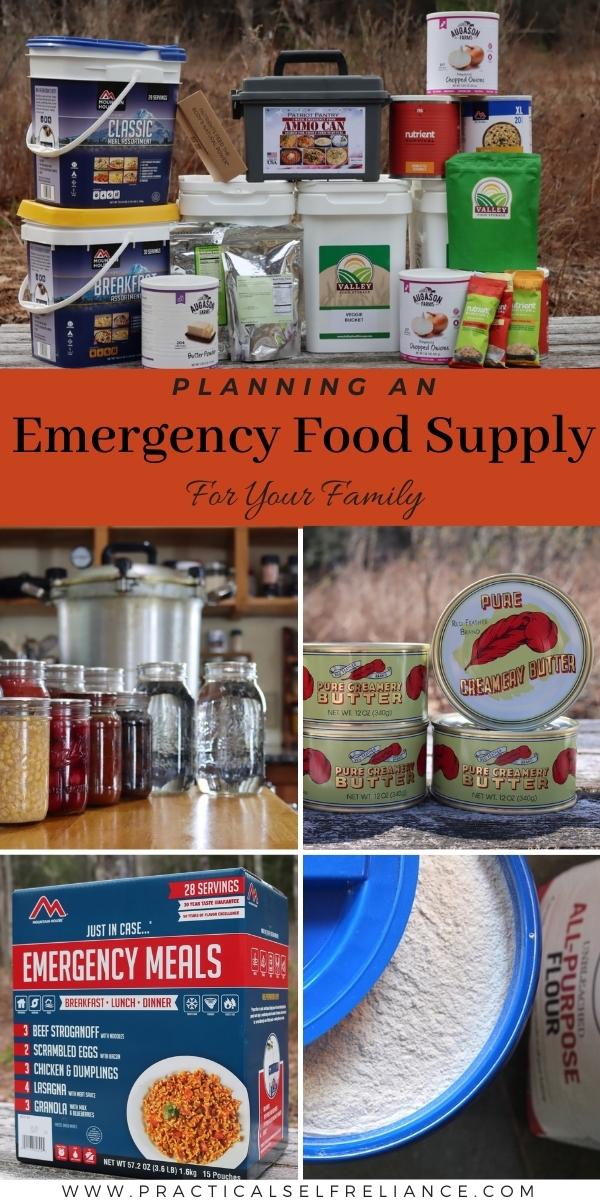
Credit: practicalselfreliance.com
Frequently Asked Questions
What Are The Essential Items For An Emergency Food Supply?
Essential items include non-perishable foods like canned goods, dried beans, rice, nuts, and freeze-dried meals. Also, include water, vitamins, and comfort foods. Choose items with a long shelf life and high nutritional value to sustain you during emergencies.
How Much Food Should I Store Per Person?
Store at least a three-day supply of food and water per person. Ideally, aim for a two-week supply for better preparedness. This ensures enough resources during unexpected events or supply disruptions.
How Do I Store Emergency Food For Long-term Use?
Store food in a cool, dry, and dark place to extend shelf life. Use airtight containers to prevent moisture and pests. Rotate your stock regularly to keep food fresh and avoid waste.
Can I Include Fresh Food In An Emergency Supply?
Fresh food is perishable and not ideal for long-term storage. Instead, focus on canned, dried, or freeze-dried foods. However, include some fresh items if you expect to consume them quickly.
Conclusion
Starting an emergency food supply takes small, steady steps. Choose foods that last long and are easy to store. Keep track of what you have and use it before it expires. Think about your family’s needs and preferences. Regularly update your supply to stay prepared.
This simple habit brings peace of mind. Ready for any situation. Stay safe and take control of your food supply today.