Have you ever wondered if food poisoning is something you should rush to the emergency room for? When your stomach twists and you feel sick after a meal, it’s hard to know what to do next.
You might ask yourself, “Is this serious enough to get immediate help, or will it pass on its own? ” This question is important because your health and safety depend on how quickly and wisely you respond. You’ll discover clear signs that show when food poisoning is an emergency and when it’s not.
Understanding these signs can protect you and your loved ones from serious complications. Keep reading to learn exactly what you need to know to stay safe.
When Food Poisoning Becomes Critical
Food poisoning can often feel like a passing discomfort, but sometimes it crosses a dangerous line. Recognizing when food poisoning becomes critical is essential for your health and safety. Knowing the warning signs can help you act quickly and avoid serious complications.
Severe Dehydration Risks
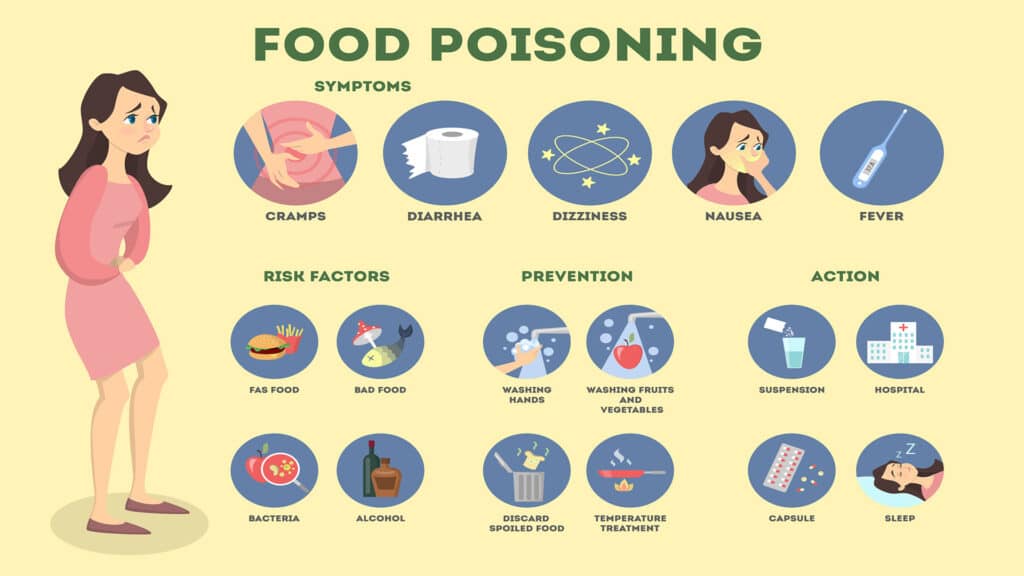
One of the biggest dangers from food poisoning is severe dehydration. If you notice your mouth feels very dry, your urine is dark, or you’re dizzy when standing, these are red flags. Dehydration can quickly worsen, especially if you’re losing fluids through vomiting or diarrhea.
I once ignored feeling thirsty during a bout of food poisoning, thinking it was minor. But by the time I sought help, I was dangerously dehydrated and needed IV fluids. Don’t wait—your body needs water to fight off the infection and keep vital organs working.
High Fever And Chills
A high fever paired with chills signals your body is struggling against a serious infection. If your temperature spikes above 101.5°F (38.6°C) and you start shaking uncontrollably, it’s time to get medical help. These symptoms can indicate your immune system is overwhelmed.
Have you noticed a fever that doesn’t go down with over-the-counter medicine? Persistent high fever could mean the infection is spreading beyond your gut. Ignoring it risks complications like sepsis, which requires urgent care.
Persistent Vomiting And Diarrhea
Vomiting or diarrhea that lasts more than 24 hours can be dangerous. Your body is losing fluids and nutrients, which weakens your defense against illness. If you can’t keep liquids down or have more than six episodes in a day, medical attention is critical.
Think about your last experience with food poisoning—did you push through the nausea or seek help when symptoms worsened? Persistent symptoms can lead to electrolyte imbalances and shock. Don’t let your body reach that point.
Common Symptoms That Require Urgent Care
Recognizing the symptoms that demand urgent medical attention can make a critical difference in handling food poisoning effectively. Not every stomach ache or nausea signals an emergency, but certain signs indicate your body is under severe stress. Knowing these warning signs helps you act fast and avoid serious complications.
Blood In Stool Or Vomit
Seeing blood in your stool or vomit is a clear red flag. This symptom suggests significant irritation or damage inside your digestive tract. If you notice this, don’t wait—seek immediate medical care. It could mean a severe infection or internal bleeding that needs prompt treatment.
Confusion And Dizziness
Feeling confused or dizzy isn’t just about being tired. These symptoms might show your body isn’t getting enough fluids or oxygen. If you experience sudden confusion or lightheadedness, it’s a sign your condition is worsening. This needs urgent evaluation to prevent serious outcomes.
Rapid Heartbeat And Breathing
A fast heartbeat or quick breathing often signals your body is struggling to cope. These symptoms can indicate dehydration or an infection spreading beyond your stomach. If your heart races or breathing speeds up unexpectedly, get medical help right away to stabilize your condition.
High-risk Groups Needing Immediate Attention
Food poisoning can be alarming, especially for high-risk groups. These individuals require immediate attention due to their vulnerability. Quick action can prevent severe complications.
Children And Infants
Children and infants are more vulnerable to food poisoning. Their immune systems are still developing. Symptoms can escalate quickly. Immediate medical attention is crucial. Watch for signs like vomiting or diarrhea. Dehydration can occur rapidly in young children.
Elderly Individuals
Elderly individuals face higher risks with food poisoning. Their immune systems weaken with age. They may also have pre-existing conditions. These factors make them susceptible to severe symptoms. Prompt medical evaluation is often necessary.
Pregnant Women And Immunocompromised
Pregnant women face unique risks with food poisoning. It can affect both mother and unborn child. Immunocompromised individuals also need urgent care. Their bodies struggle to fight infections. Any signs of food poisoning should be addressed quickly.
Credit: www.kryderlaw.com
Steps To Take Before Seeking Emergency Help
Food poisoning can cause sudden discomfort and worry. Knowing what to do before heading to the emergency room can help manage symptoms and avoid worsening the condition. Acting quickly with the right steps often eases discomfort and prevents complications.
Hydration And Electrolyte Balance
Drinking plenty of fluids is crucial. Water helps replace lost fluids from vomiting or diarrhea. Oral rehydration solutions or drinks with electrolytes restore important minerals like sodium and potassium. Avoid sugary or caffeinated drinks as they may worsen dehydration. Small, frequent sips are easier to keep down than large amounts.
Avoiding Certain Foods And Medications
Stick to bland, easy-to-digest foods like toast, rice, or bananas if you feel hungry. Avoid fatty, spicy, or dairy foods until symptoms improve. Skip alcohol and caffeine as they irritate the stomach. Do not take anti-diarrheal or pain medications without medical advice. Some medicines can make the infection worse or hide serious symptoms.
Monitoring Symptom Progression
Keep track of symptoms closely. Note any changes in severity or new symptoms like high fever, blood in stool, or severe pain. Watch for signs of dehydration such as dry mouth, dizziness, or reduced urination. If symptoms worsen or do not improve within 24 hours, seek medical help immediately. Early detection of complications can prevent serious health issues.
When To Visit The Emergency Room
Food poisoning can range from mild discomfort to serious health risks. Knowing when to visit the emergency room can protect your health. Certain symptoms signal urgent medical care is needed. Acting fast can prevent complications and save lives.
Recognizing Life-threatening Conditions
Severe dehydration is a key sign. Look for dizziness, dry mouth, and little urine. High fever above 102°F (39°C) needs immediate attention. Blood in vomit or stool signals danger. Persistent vomiting or diarrhea lasting more than two days is serious. Confusion, weakness, or fainting requires emergency care. Infants, elderly, and those with weak immune systems need extra caution.
Preparing For Medical Evaluation
Gather information about recent meals and symptoms. Note the time symptoms began and their severity. Bring a list of current medications and allergies. Stay hydrated with small sips of water. Avoid solid food until seen by a doctor. Prepare to answer questions about your health history. Keep a record of any home treatments tried.
What To Expect During Treatment
Medical staff will check vital signs like temperature and blood pressure. They may order blood or stool tests to find the cause. Intravenous fluids may be given to treat dehydration. Medications can help control nausea and diarrhea. Close monitoring ensures symptoms do not worsen. Doctors provide advice on diet and recovery at home. Follow-up care might be necessary for full healing.

Credit: bimcbali.com
Preventing Future Food Poisoning Emergencies
Food poisoning emergencies can be distressing and sometimes dangerous. Taking steps to prevent them helps protect your health and peace of mind. Small changes in how you handle and store food can make a big difference in avoiding future risks.
Safe Food Handling Practices
Always wash your hands thoroughly before and after handling food. Cross-contamination is a common cause of food poisoning, so use separate cutting boards and utensils for raw meat and vegetables.
Cook food to the right temperature to kill harmful bacteria. Using a food thermometer can help you avoid guesswork. Have you ever checked the temperature of your chicken before serving?
Proper Food Storage Tips
Store perishable items like dairy, meat, and seafood in the fridge immediately after shopping. Keep your refrigerator temperature at or below 40°F (4°C) to slow bacterial growth.
Don’t overcrowd the fridge; air needs to circulate to keep food fresh. If you’re unsure about leftovers, it’s safer to discard them than risk illness. Have you ever eaten leftovers that didn’t seem quite right?
Knowing Expiry Dates And Food Recalls
Check expiry dates before buying or using food products. Remember, “best before” means quality may decline, but “use by” indicates safety limits.
Stay informed about food recalls through official websites or apps. Acting quickly on recall notices can prevent serious health issues. How often do you check for food recalls in your kitchen?
:max_bytes(150000):strip_icc()/HDC-IsIt-the-Stomach-Flu-or-Food-Poisoning-565872471b0541e5a425f4f24900a363.jpg)
Credit: www.health.com
Frequently Asked Questions
What Are The Signs Food Poisoning Is An Emergency?
Severe dehydration, persistent vomiting, high fever, bloody stools, or confusion signal an emergency. Immediate medical care is vital to prevent complications and ensure recovery.
When Should I Seek Emergency Care For Food Poisoning?
Seek emergency care if symptoms worsen quickly, or you can’t keep fluids down. Also, urgent care is needed for infants, elderly, or immune-compromised individuals.
Can Food Poisoning Cause Life-threatening Complications?
Yes, severe food poisoning can lead to dehydration, kidney failure, or sepsis. Prompt treatment reduces risks and improves outcomes significantly.
How To Distinguish Mild From Severe Food Poisoning?
Mild cases usually resolve within days with rest and hydration. Severe cases involve high fever, bloody diarrhea, or prolonged symptoms requiring medical attention.
Conclusion
Food poisoning can be serious and needs quick attention sometimes. Watch for strong symptoms like high fever, severe pain, or dehydration. Getting help fast can prevent worse problems. Most mild cases get better with rest and water. Trust your body and seek care if you feel very sick.
Knowing when to act keeps you safe and healthy. Don’t ignore signs that your body needs help. Stay alert, stay safe, and take food poisoning seriously.