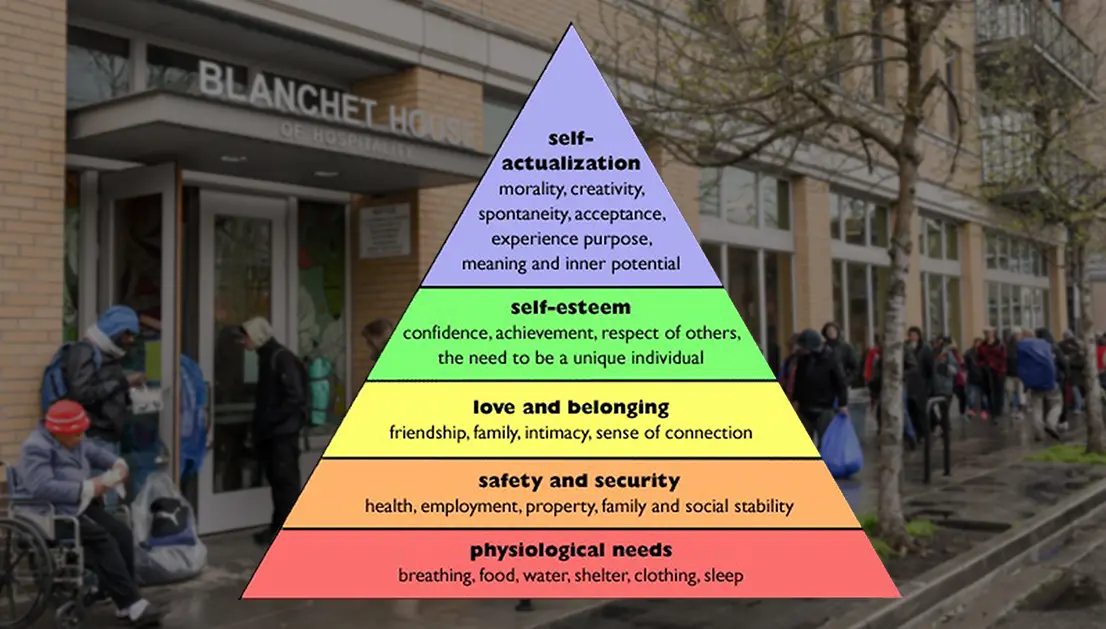
Have you ever stopped to think about why having a place to call home is so important for your survival? Shelter isn’t just about comfort—it’s a basic need that protects you from dangers you might not even realize.
Without it, your body and mind struggle to stay safe and healthy. You’ll discover the key reasons why shelter is essential for your well-being and how it shapes your ability to thrive every day. Keep reading, because understanding this can change the way you see your own living space—and why it truly matters to your survival.

Credit: old.nuso.org
Protection From Elements
Humans need shelter to stay safe from the natural world. Protection from elements is one of the main reasons. Shelter acts as a barrier against rain, wind, sun, and cold. Without it, the body can suffer harm or illness. A good shelter helps people live comfortably and survive tough conditions.
Shielding From Weather
Shelters block rain, snow, and strong winds. Wet clothes and cold air can cause sickness. A roof and walls keep people dry and warm. They stop water from soaking the body. Walls reduce the impact of cold wind. This helps avoid hypothermia and discomfort.
Temperature Regulation
Shelters keep heat inside during cold days. They also provide shade on hot days. This balance stops the body from overheating or freezing. Insulation in walls and roofs slows heat loss. Openings like windows can bring in fresh air. This helps maintain a steady and safe temperature.
Defense Against Natural Disasters
Shelters offer safety from storms, floods, and earthquakes. Strong buildings resist heavy winds and falling debris. Elevated homes can avoid floodwater damage. Solid structures protect from falling objects during earthquakes. Shelters give a safe place to wait out dangers. This reduces injuries and saves lives.

Credit: kentwandersonphdpc.com
Safety And Security
Safety and security are fundamental reasons why humans need shelter to survive. Your shelter acts as a stronghold, protecting you from threats that could harm your body or mind. Without a safe place, you remain vulnerable to dangers both seen and unseen.
Guarding Against Predators
Imagine walking alone at night without any protection. Shelter provides a physical barrier that keeps wild animals and unwanted intruders at bay.
Even in urban settings, a secure home stops potential burglars and keeps your loved ones safe. How often do you check if your doors and windows are locked? This simple habit highlights how vital shelter is for your personal safety.
Preventing Accidents And Injuries
Open spaces expose you to harsh weather, uneven ground, and other hazards that can cause injuries. A well-built shelter offers stable floors, walls, and a roof to minimize these risks.
Think about a time you slipped or tripped outdoors. Having a safe, enclosed environment reduces such accidents, especially for children and the elderly. Does your current living space feel safe enough to prevent unexpected injuries?
Privacy And Personal Space
Shelter provides a private area where you can relax, think, and recharge without interruptions. This personal space helps maintain your mental well-being and emotional balance.
Without privacy, stress and anxiety can increase, affecting your overall health. How much value do you place on having a quiet corner just for yourself?
Health And Hygiene
Shelter plays a vital role in maintaining health and hygiene. It creates a barrier between humans and harmful elements in the environment. Proper shelter helps control exposure to germs and bacteria. It also supports cleanliness through sanitation facilities. Beyond physical health, shelter improves mental well-being by offering safety and comfort.
Reducing Exposure To Pathogens
Shelter protects people from rain, wind, and extreme temperatures. These factors can weaken the immune system. Walls and roofs stop insects and animals that carry diseases. Clean air inside a shelter lowers the risk of respiratory infections. Staying inside a well-built shelter reduces contact with harmful germs.
Sanitation Facilities
Sanitation is easier to maintain inside a shelter. Access to clean water supports daily washing and drinking. Toilets and waste disposal systems prevent contamination of living areas. Proper sanitation stops the spread of illnesses like diarrhea and cholera. Shelters often have designated spaces for hygiene tasks, making cleanliness routine.
Mental Health Benefits
A safe shelter creates a sense of security. This reduces stress and anxiety levels. Privacy inside a home allows people to relax and rest. A stable living environment supports better sleep and mental focus. Feeling protected helps maintain a positive mindset and emotional balance.
Social And Psychological Needs
Humans aren’t just physical beings needing food and water; our need for shelter runs deeper into social and psychological realms. A safe space influences how you feel, connect, and interact with others every day.
Sense Of Belonging
Having a shelter gives you a place to call your own. It creates a sense of identity and belonging that you don’t find just anywhere. When you feel connected to your environment, your confidence and mental well-being improve significantly.
Think about how you feel in a place that welcomes you versus a place where you don’t belong. That feeling of belonging helps reduce stress and anxiety, allowing you to focus on growth and happiness.
Emotional Comfort
Your home acts as an emotional refuge from the outside world’s chaos. It’s where you can unwind, express yourself freely, and find peace after a hectic day. Emotional comfort helps you recharge and face challenges with renewed strength.
Consider how your mood shifts when you return to a comforting space. Without this emotional anchor, your resilience against daily pressures weakens, making shelter more than just physical protection.
Space For Family And Community
Shelter provides a shared space where families and communities come together. It’s essential for nurturing relationships and building support systems that sustain you through tough times. These connections often start and grow within the walls of your shelter.
Ask yourself: How often do meaningful conversations or memories happen within your living space? That space shapes how you relate to others and strengthens your social bonds.
Enabling Daily Activities
Shelter protects humans from weather, keeping them safe and warm. It creates a secure space for daily activities and rest. Without shelter, survival becomes difficult due to exposure to harsh conditions.
Enabling Daily Activities Shelter is more than just a roof over your head; it’s a crucial component that supports your daily routine. It provides the necessary space and environment for various activities that are essential for living a balanced and fulfilling life. From resting to preparing meals, your shelter is your personal hub where you can carry out these activities comfortably and efficiently.Rest And Sleep
Your home is your sanctuary for rest and sleep. It’s where you can unwind after a long day, ensuring you get the rest you need to recharge. A comfortable bed and a quiet, secure environment contribute significantly to the quality of your sleep. Without adequate rest, your productivity and health can suffer. Imagine trying to tackle your day without a good night’s sleep. Your home provides a consistent, reliable space for you to rest and rejuvenate.Food Preparation And Storage
Preparing and storing food is another critical aspect of daily life that your shelter facilitates. Your kitchen serves as the heart of your home, where you can prepare nutritious meals that fuel your body. Think about how challenging it would be to maintain a balanced diet without a dedicated space to cook and store food. Your shelter ensures you have the facilities needed to meet your dietary needs efficiently.Work And Learning Environment
Your shelter also functions as a versatile space for work and learning. Whether you’re working from home or studying, having a dedicated area to focus is essential. It allows you to concentrate without the distractions that might be present in public or shared spaces. Consider how your productivity levels soar when you have a quiet, organized space to work or study. Your home can be tailored to fit your unique needs, providing the perfect environment to achieve your goals.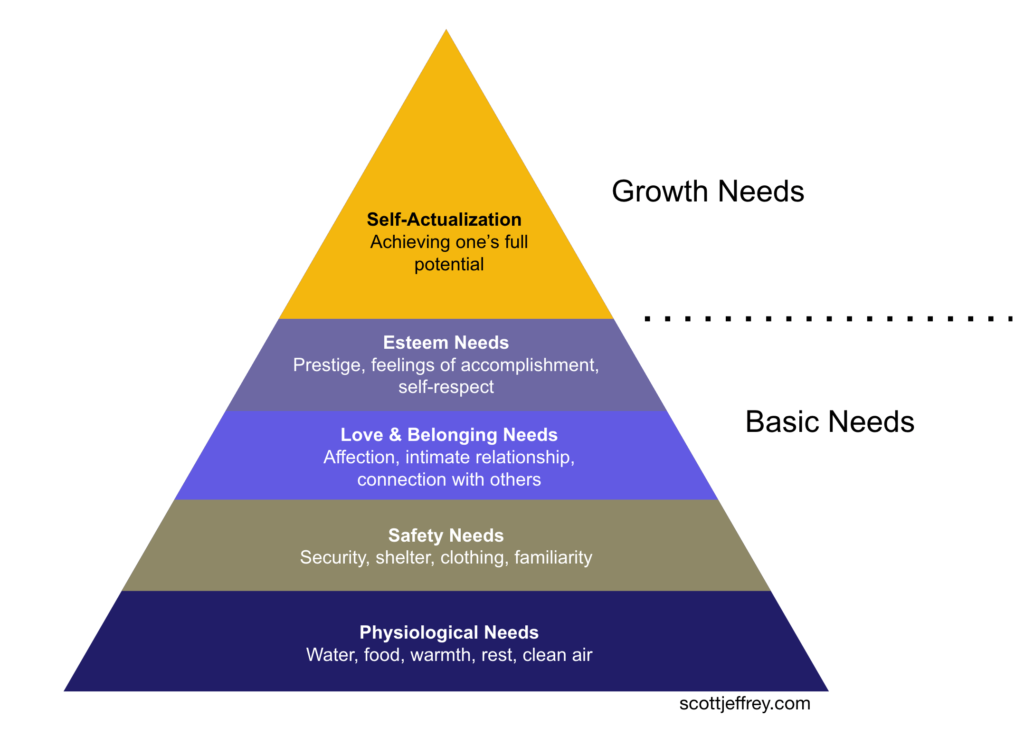
Credit: scottjeffrey.com
Frequently Asked Questions
Why Is Shelter Important For Human Survival?
Shelter protects humans from extreme weather, predators, and environmental hazards. It provides safety, warmth, and a secure place to rest. This support is essential for health, comfort, and overall survival in diverse climates and conditions.
How Does Shelter Affect Human Health?
Shelter minimizes exposure to cold, heat, and harmful elements, reducing illness risks. It also offers sanitation and privacy, which are vital for mental and physical well-being. Proper shelter supports a healthier lifestyle by preventing disease and stress.
What Role Does Shelter Play In Safety?
Shelter acts as a barrier against physical dangers and wildlife. It provides a controlled environment, reducing injury risks. A safe shelter also offers security from theft and violence, contributing to a stable, protected living space.
Can Humans Survive Without Shelter?
Humans can survive briefly without shelter but face severe risks from weather and predators. Long-term survival requires shelter to maintain body temperature, protect health, and ensure safety. Shelter is crucial for sustained human life in any environment.
Conclusion
Shelter protects us from harsh weather and keeps us safe. It helps us stay healthy by blocking cold, heat, and rain. Shelter also gives a place to rest and feel secure. Without shelter, survival becomes very hard. It supports our daily life and well-being.
Everyone needs a safe space to grow and live. Shelter is a basic need for human life. It keeps us strong and ready for each day. Simple, but essential.