When disaster strikes, having the right emergency food supply can make all the difference for you and your loved ones. You might be wondering what exactly you should get to be fully prepared without overloading your storage.
Choosing the right foods isn’t just about filling your pantry—it’s about ensuring safety, nutrition, and peace of mind when it matters most. You’ll discover simple, practical tips to build an emergency food supply that fits your needs and keeps you ready for anything.
Keep reading to find out exactly what to get and how to store it effectively.
Non-perishable Foods
Building an emergency food supply starts with choosing the right non-perishable foods. These items last long without refrigeration, making them essential for any survival kit. You want foods that maintain nutrition and taste over time, so you’re prepared for anything.
Canned Goods
Canned foods are reliable staples in emergency supplies. They come in many varieties—vegetables, fruits, beans, meats, and soups—offering balanced nutrition. Look for cans with easy-open lids to avoid needing extra tools during a crisis.
Check expiration dates regularly and rotate your stock to keep things fresh. Storing canned goods in a cool, dry place extends their shelf life. Have you thought about how canned fish like tuna or salmon can add protein without much prep?
Dried Grains And Beans
Dried grains like rice, oats, and quinoa are excellent long-term options. They’re lightweight, easy to store, and cook into filling meals. Beans, especially lentils and black beans, provide essential protein and fiber.
Keep these in airtight containers to avoid moisture and pests. You can even buy in bulk and divide into smaller portions for convenience. Do you have a favorite grain or bean that cooks quickly and keeps you satisfied?
Freeze-dried Meals
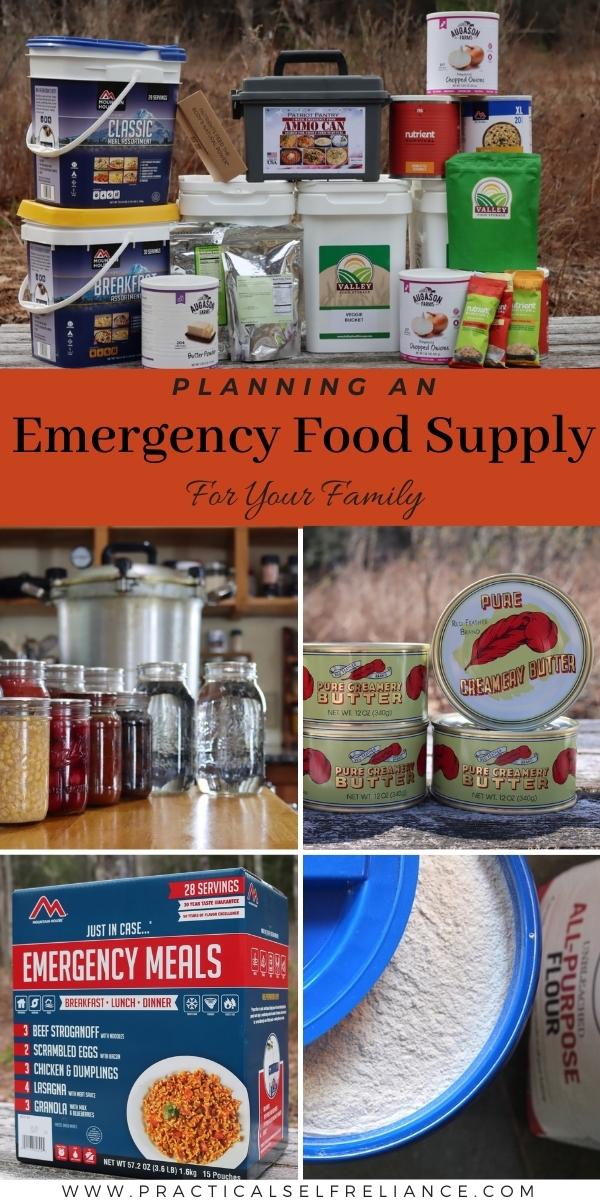
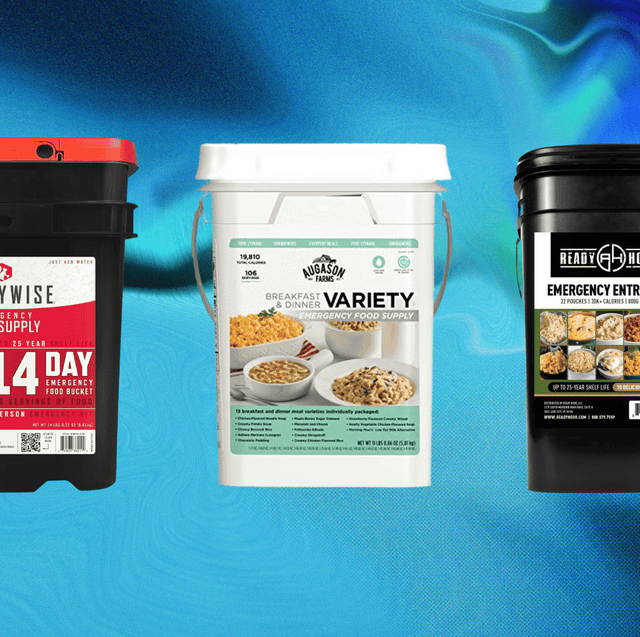
Freeze-dried meals offer convenience and a long shelf life—often 25 years or more. These ready-to-eat packs only need water, making them perfect when cooking options are limited. They preserve most nutrients and flavors better than many other preserved foods.
While they can be pricier, having a few on hand can be a lifesaver. Consider trying different brands to find meals you actually enjoy eating. How would you feel knowing you have a hot, tasty meal ready in minutes during an emergency?
Water And Hydration Supplies
In any emergency, water and hydration are crucial. Having an adequate supply ensures survival and well-being. Both bottled water and purification methods are essential. Electrolyte solutions also play a vital role. They help maintain body balance. Let’s explore these in detail.
Bottled Water
Bottled water is the simplest choice. It is safe and easy to store. Keep at least one gallon per person per day. Store enough for at least three days. Check expiration dates regularly. Rotate stock to ensure freshness.
Water Purification Methods
Purification is essential if bottled water runs out. Boiling is effective. Bring water to a rolling boil for at least one minute. Filters are another good option. They remove bacteria and parasites. Chemical treatments, like iodine or chlorine tablets, also purify water. Follow instructions carefully for best results.
Electrolyte Solutions
Electrolyte solutions prevent dehydration. They replenish lost salts and minerals. Oral rehydration salts are a good choice. Sports drinks can also help. They are easy to store and use. Include them in your emergency kit for added safety.
Cooking And Preparation Tools
Having the right cooking and preparation tools is essential for any emergency food supply. These tools help prepare meals safely and efficiently. They make cooking easier when electricity or gas is not available. A well-stocked kit includes items that are portable, durable, and simple to use.
Portable Stoves And Fuel
Portable stoves provide a reliable heat source for cooking. They work well outdoors or in places without power. Choose stoves that use common fuels like propane, butane, or solid fuel tablets. Carry enough fuel to last several days. Look for stoves that are compact and easy to set up. Safety features like stable bases and wind guards are important.
Utensils And Cookware
Essential utensils and cookware make food preparation smoother. Pack lightweight pots and pans that can handle different cooking styles. Multi-use utensils save space and reduce weight. Include items like:
- A sturdy pot for boiling water
- A frying pan for frying or sautéing
- A spatula and spoon for stirring
- Reusable plates and cups
Choose materials like stainless steel or aluminum for durability. Avoid fragile items that break easily.
Manual Can Opener
Canned food is a common emergency staple. A manual can opener is a must-have tool. It does not require batteries or electricity. Look for a can opener that is easy to grip and cuts smoothly. Avoid cheap models that can slip or damage cans. Regularly check the opener to ensure it works properly. This tool ensures access to vital food supplies without hassle.
Credit: practicalselfreliance.com
Nutritional Supplements
Nutritional supplements play a vital role in an emergency food supply. They help maintain health and energy when fresh food is scarce. These supplements provide essential nutrients that support the body’s functions.
Including a variety of supplements ensures balanced nutrition. They are easy to store and have a long shelf life. Focus on options that deliver vitamins, minerals, and quick energy.
Vitamins And Minerals
Vitamins and minerals keep the immune system strong. They help prevent deficiencies during extended emergencies. Choose multivitamin tablets or capsules that cover a broad spectrum of nutrients.
- Vitamin C supports immunity and skin health.
- Vitamin D aids bone strength and mood.
- Calcium and magnesium maintain muscle and nerve function.
- Iron prevents fatigue and supports blood health.
Store these supplements in airtight containers to preserve potency.
Energy Bars And Snacks
Energy bars and snacks provide quick calories and nutrients. They are convenient for on-the-go use and require no preparation. Look for bars rich in protein, fiber, and healthy fats.
- Peanut butter or nut-based bars offer sustained energy.
- Granola bars with oats and dried fruit supply fiber and vitamins.
- Protein bars help maintain muscle during stress.
Choose options with low sugar for better health support.
Powdered Drink Mixes
Powdered drink mixes add hydration and nutrients. They often contain electrolytes, vitamins, and minerals. These mixes can improve energy and help prevent dehydration.
- Electrolyte powders support fluid balance and muscle function.
- Vitamin C drink mixes boost immunity.
- Protein drink powders aid in muscle repair and energy.
Mix with clean water as needed. Store powders in sealed containers for freshness.
Special Dietary Needs
Special dietary needs require extra attention when planning your emergency food supply. You must ensure that everyone’s health is supported, even in tough situations. Neglecting these needs can cause serious health problems and stress during an already challenging time.
Gluten-free Options
If you or your family members have celiac disease or gluten sensitivity, gluten-free foods are essential. Look for shelf-stable options like rice, quinoa, and gluten-free pasta. Many brands offer gluten-free canned soups and snacks that can last for months.
Don’t forget to check labels carefully—cross-contamination is common. Have a variety of gluten-free grains and flours on hand for cooking and baking. This way, you can maintain a balanced diet without risking exposure to gluten.
Baby And Infant Supplies
Babies need special foods that are easy to prepare and safe to store. Stock up on infant formula, baby cereals, and pureed fruits or vegetables. Powdered formulas are convenient since they have a long shelf life and are easy to mix with safe water.
Think about feeding tools too—disposable spoons, sterilized bottles, and storage containers. What happens if your usual baby food is unavailable? Having multiple options helps you stay prepared for any situation.
Allergy-friendly Foods
Food allergies can be life-threatening, so pack allergen-free foods carefully. Common allergens include nuts, dairy, eggs, and soy. Choose alternatives like seed butters, coconut milk, or egg replacers that fit your family’s needs.
Label everything clearly and keep emergency allergy medications handy. Do you have a plan if your allergy-safe food runs out? Rotate your stock regularly to avoid expired items and ensure constant availability.
Credit: www.goodhousekeeping.com
Storage And Preservation
Proper storage and preservation are crucial for maintaining your emergency food supply. Food can spoil quickly without the right conditions. This section covers simple ways to keep food fresh and safe for long periods. Good storage protects food from moisture, pests, and air exposure. It also helps retain flavor and nutrients. Following these tips ensures your supplies last until you need them.
Airtight Containers
Airtight containers block air and moisture from spoiling food. They prevent bugs and dust from getting inside. Choose containers made of glass, plastic, or metal with tight seals. Use containers that match the food quantity to reduce empty space. Label each container with the date and contents. This helps track freshness and rotate your stock.
Vacuum Sealing
Vacuum sealing removes air around the food, extending its shelf life. It lowers the chance of mold and bacteria growth. Vacuum-sealed bags are perfect for dry goods and cooked meals. Use a vacuum sealer machine or hand pump for best results. Make sure to seal bags tightly and check for leaks. This method saves space and keeps food fresh longer.
Cool And Dry Storage Tips
- Store food in a cool place below 70°F (21°C).
- Keep your storage area dry to stop mold and rot.
- Avoid direct sunlight to protect food from heat damage.
- Use shelves or pallets to keep food off the floor.
- Check storage areas regularly for pests or moisture.
Following these storage and preservation tips helps maintain your emergency food quality. Your food stays safe and ready for use when you need it most.
Emergency Food Rotation
Emergency food rotation is key to keeping your supplies fresh and usable. Without a rotation system, you risk wasting food that expires before you get to use it. Regularly checking and updating your stock ensures you’re always prepared with nutritious options that won’t go bad.
Shelf Life Tracking
Keep a simple log or use labels to track expiration dates on your food items. Write the purchase date and best-by date clearly on each package. This helps you identify which items to use first and prevents surprises when you need the food most.
Try arranging your supplies so that items with the nearest expiration dates are at the front. This visual cue makes it easier to grab what needs to be eaten or replaced first.
Using And Replacing Supplies
Rotate your emergency food by regularly using some of it in your daily meals. Then, immediately replace what you used with fresh stock. This keeps your supply fresh without feeling like extra work.
Ask yourself: Are you comfortable consuming the foods in your emergency stash now? If not, swap them out for items you actually enjoy and will eat. Using what you have ensures nothing goes to waste.
Stocking Strategies
Organize your food supply by type and shelf life to simplify rotation. Group canned goods, dried foods, and freeze-dried meals separately. This makes it easier to monitor and rotate each category effectively.
Consider keeping a checklist that includes quantities and expiration dates. Regularly review it to adjust quantities based on your family’s changing needs or preferences. This strategy keeps your emergency food supply balanced and reliable.

Credit: 72hours.ca
Frequently Asked Questions
What Are The Best Emergency Food Supplies To Store?
The best emergency food supplies include canned goods, dried fruits, nuts, rice, pasta, and freeze-dried meals. These items have long shelf lives and provide essential nutrients during emergencies. Choose non-perishable, easy-to-prepare foods for convenience and variety.
How Much Food Should I Store For Emergencies?
Store at least a two-week supply of food per person. This amount ensures you have enough nutrition during supply disruptions. Consider dietary needs and caloric requirements when planning your emergency food stockpile.
Which Foods Have The Longest Shelf Life For Emergencies?
Freeze-dried foods, canned beans, rice, and dehydrated vegetables have the longest shelf life. These items can last years if stored properly in cool, dry places. Always check expiration dates and rotate your stock regularly.
Can I Include Fresh Produce In Emergency Food Supplies?
Fresh produce is not ideal for long-term emergency storage. Instead, opt for canned or freeze-dried fruits and vegetables. These alternatives retain nutrients and last much longer without refrigeration.
Conclusion
Having a good emergency food supply means safety and peace of mind. Choose foods that last long and give energy. Include water, canned goods, and easy snacks. Don’t forget vitamins and special diet needs. Store food in a cool, dry place.
Check your supply often and replace expired items. Being ready helps you stay strong during tough times. Simple steps today protect your tomorrow. Stay prepared, stay safe.