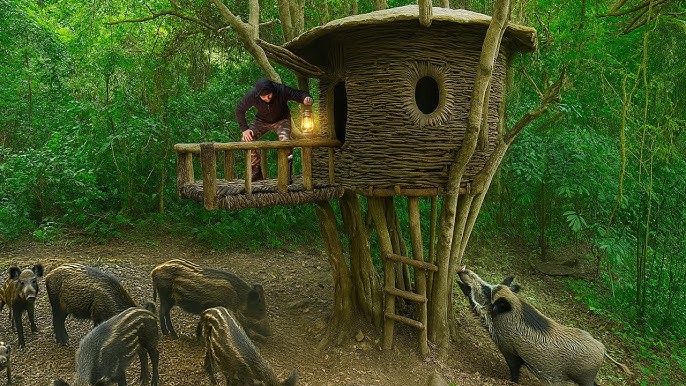
Imagine you find yourself deep in the rainforest, surrounded by thick trees and constant rain. Your shelter is your lifeline.
Knowing how to stay safe and dry can make all the difference between discomfort and survival. You’ll discover simple, practical tips to build and maintain a shelter that protects you from the relentless rain and hidden dangers. By the end, you’ll feel confident and prepared to face the challenges of the rainforest.
Keep reading—your safety depends on it.
Choosing The Right Shelter Spot
Choosing the right shelter spot in the rainforest is vital for safety and comfort. The dense forest hides many dangers and challenges. Picking a poor location can expose you to wildlife, bad weather, or unstable ground. A good spot offers protection, dryness, and easy access to resources.
Avoiding Hazardous Areas
Steer clear of places where water collects after rain. Low spots can flood quickly and trap you. Stay away from dead trees or branches that might fall. Avoid areas with thick thorny bushes or insect nests. These spots increase risk and discomfort.
Finding Natural Cover
Look for large trees with broad leaves that shield from rain. Dense foliage reduces wind and keeps the shelter dry. Use fallen logs or rocks as a base for your shelter. These natural structures give stability and help keep you warm.
Considering Water Proximity
Set up your shelter near a clean water source but not too close. Being close helps with drinking and cooking needs. Stay at least 50 feet away to avoid insects and flooding. The right distance balances convenience and safety.

Credit: m.youtube.com
Building A Durable Shelter
Building a durable shelter in the rainforest is essential for your survival. The environment is harsh, with heavy rains and dense foliage, so your shelter must protect you effectively. Focus on creating a sturdy structure using what nature provides and ensuring it withstands continuous moisture.
Using Available Materials
Look around for strong branches and large leaves—these are your primary building blocks. Fallen logs can serve as a solid base or frame. Palms and banana leaves work well as natural roofing material because they are broad and water-resistant.
Don’t overlook vines and flexible roots. You can use these as natural ropes to tie your shelter parts together. Have you noticed how some plants cling tightly to trees? That same strength can hold your shelter firm.
Constructing A Waterproof Roof
Your roof must keep out rain to keep you dry and warm. Layer large leaves in an overlapping pattern, starting from the bottom and working upward like shingles. This design channels water away rather than letting it seep through.
Use palm leaves or banana leaves for this layering—they’re thick and repel water well. Adding a thick layer of moss or dry foliage underneath can improve insulation and prevent leaks. Would you trust a shelter that lets water drip inside all night?
Securing The Shelter Structure
Tie your frame tightly with vines or strips of bark to avoid collapse during storms. Anchor your shelter to nearby trees or rocks to add stability against strong winds. Check each knot and connection; a loose tie can be dangerous if the shelter falls apart.
Consider digging a shallow trench around the shelter to divert rainwater away. This prevents flooding inside and keeps the floor dry. How will you feel if you wake up in a puddle of rainwater instead of a dry shelter?
Staying Dry And Warm
Protecting yourself from rain is key to staying warm in the rainforest. Use large leaves or plastic sheets to create a waterproof shelter. Keep clothes dry and off the ground to avoid cold and sickness.
Staying dry and warm in the rainforest is crucial for survival. The constant rainfall and high humidity can quickly sap your body heat, leaving you vulnerable to hypothermia. Let’s explore some practical ways to ensure your shelter keeps you both dry and warm.Insulating The Shelter Floor
Insulating the floor of your shelter is essential to prevent cold and dampness from seeping through. Use leaves, branches, or even your backpack to create a barrier. This not only keeps you dry but also adds a layer of warmth. Think about how uncomfortable it is to sleep on a cold, wet ground. By lifting yourself off the ground, you maintain warmth and comfort. Always look for natural materials around you to build a cozy nest.Managing Condensation
Condensation can be a silent enemy in the rainforest. It can make your shelter damp, leading to chills. Ensure your shelter has ventilation to allow moisture to escape. Openings at the top of your shelter can help circulate air. If you’re using a tarp, leave a small gap. This simple step can make a huge difference in maintaining a dry environment.Maintaining Body Heat
Your body heat is your most valuable resource in the rainforest. Wear layers of clothing to trap heat. Even if it feels cumbersome, it’s worth it. Consider using your body heat strategically. Cuddle up in a smaller space to conserve warmth. Keep moving during the day to generate heat, then rest in your well-insulated shelter at night. What are some other ways you can think of to stay warm in the rainforest? Share your thoughts or experiences in the comments.
Credit: www.youtube.com
Finding Safe Drinking Water
Finding safe drinking water in the rainforest is a top priority for survival. Water keeps you hydrated and helps your body fight heat and insects. Untreated water can cause sickness, so you must take steps to find and clean it. Knowing where and how to get water helps you stay healthy and strong.
Locating Water Sources
Look for streams, rivers, and small pools. Rainwater collects in leaves and tree hollows. Morning dew on plants is a good water source. Follow animal tracks; they often lead to water. Avoid stagnant water because it may contain harmful bacteria.
Purifying Water
Boil water for at least one minute to kill germs. Use a portable water filter if you have one. Chemical tablets or drops can also make water safe. Sunlight can disinfect water in clear plastic bottles. Always choose the cleanest water before purifying.
Storing Water Safely
Use clean containers to store your water. Cover containers to avoid dirt and insects. Keep water away from direct sunlight to slow algae growth. Change stored water every few days to keep it fresh. Carry water in lightweight bottles for easy transport.
Sourcing Food In The Rainforest
Sourcing food in the rainforest challenges your survival skills and knowledge of the environment. You need to be cautious and smart, as the abundance of life includes both edible and dangerous options. Finding reliable food sources quickly can keep your energy up and spirits high during your stay.
Identifying Edible Plants
Not every plant you see is safe to eat, but many offer valuable nutrition. Look for plants with smooth, shiny leaves and fruits that animals are eating—nature often gives clues. Avoid plants with milky or colored sap, as these usually indicate toxicity.
Use your senses carefully: smell, touch, and even taste a tiny bit of plant before fully consuming it, but only if you have some survival knowledge. Some edible options include wild bananas, breadfruit, and certain types of nuts. Always remember, if you’re unsure, it’s better to wait than risk poisoning.
Trapping Small Animals
Animals provide a rich source of protein and calories in the rainforest. Setting simple traps like snares or deadfalls can help catch small mammals, birds, or reptiles. Position your traps near animal trails or water sources to increase your chances.
Use natural materials—vines, sticks, and leaves—to build your traps. Pay attention to signs of animal activity such as tracks or droppings. You might be surprised how effective a well-placed snare can be in providing a steady food supply.
Avoiding Toxic Species
The rainforest hides many toxic plants and animals that can harm you. Bright colors often warn of danger, especially on frogs, insects, and some plants. Learn to recognize these warning signs early to avoid serious health risks.
Never eat anything that you cannot confidently identify as safe. Some plants cause allergic reactions, while others can be deadly. Asking yourself, “Does this look or smell suspicious?” can save your life.

Credit: www.youtube.com
Navigating The Rainforest Environment
Navigating the rainforest environment requires sharp awareness and careful observation. Dense trees and thick undergrowth can disorient anyone quickly. Using natural clues helps keep a clear sense of direction. Staying alert to changes in weather and wildlife presence improves safety and decision-making.
Using Natural Landmarks
Look for tall trees or unique plants to mark your path. Rivers and streams provide reliable direction and can lead to safety. Notice the sun’s position to maintain a steady course. Rocks with moss growing on one side often indicate the north or south direction. Keep mental notes of these landmarks to avoid getting lost.
Tracking Weather Changes
Cloud patterns reveal important weather shifts. Dark, heavy clouds mean rain is near. Sudden drops in temperature signal approaching storms. Listen for distant thunder and watch wind changes carefully. Rainforests can flood quickly, so prepare to find higher ground fast. Observing these signs helps avoid dangerous weather.
Avoiding Dangerous Wildlife
Stay quiet to reduce attention from animals. Avoid areas with fresh tracks or droppings. Watch for warning calls from birds or monkeys. Bright colors or unusual sounds may signal venomous creatures. Keep away from dense bushes where snakes hide. Respect wildlife space to prevent threats and injuries.
Maintaining Health And Hygiene
Maintaining your health and hygiene in a rainforest shelter is not just about comfort—it’s about survival. The humid, wet environment is a breeding ground for bacteria, parasites, and insects that can quickly cause illness. Staying clean and healthy can keep your energy up and prevent small issues from turning into serious problems.
Preventing Infections
Infections can spread rapidly in the rainforest due to constant moisture and exposure to dirt. Wash your hands frequently with clean water, and if soap is unavailable, use ash or sand as a natural scrub. Avoid touching your face with dirty hands to reduce the chance of introducing germs.
Inspect your shelter daily for any mold or damp spots, as these can harbor harmful bacteria. Keep your sleeping area dry by elevating your bedding off the ground and covering it with a waterproof layer. If you spot any cuts or scrapes, clean them immediately with clean water and apply a natural antiseptic like honey or crushed garlic.
Dealing With Injuries
Injuries in the rainforest can happen quickly, and neglecting them may lead to serious infections. Always carry a basic first aid kit with bandages, antiseptic wipes, and antibiotic ointment if possible. If you don’t have these, use clean water to rinse wounds and cover them with clean leaves or cloth to keep dirt out.
Swelling and pain might indicate a more serious injury or infection. Elevate the injured area and apply pressure if bleeding occurs. Watch closely for signs of infection such as redness, warmth, or pus, and be ready to seek help if symptoms worsen.
Managing Mental Well-being
Being isolated in a rainforest can be mentally challenging. You might feel anxious or stressed, which can weaken your immune system. Keep your mind active by setting small daily goals like collecting firewood or improving your shelter.
Talk to yourself or keep a mental log of your experiences to maintain focus and stay positive. Have you noticed how a simple routine can make the environment feel less overwhelming? Staying connected to your thoughts and surroundings helps you stay calm and alert, which is vital for your health.
Signaling For Rescue
Signaling for rescue is your lifeline in the dense, often disorienting rainforest. Without clear signals, even the most determined search teams might overlook your location. Your goal is to create signs that stand out against the vibrant green backdrop and carry over distance, increasing your chances of being found quickly.
Creating Visible Signals
Choose open spaces like riverbanks or clearings to build your signals. Use bright materials such as clothing, plastic, or even leaves with contrasting colors to form large shapes or letters like “SOS” or “HELP.”
Arrange rocks, sticks, or logs into patterns that can be spotted from the air. Make sure your signals are big enough—think of something that a rescue helicopter could identify from hundreds of feet up.
Using Sound And Light
Sound travels well in the rainforest, but it can be muffled by thick foliage. Create rhythmic noises using whistles, banging metal objects, or tapping rocks to catch attention. Try to follow a pattern like three short bursts, a universal distress signal.
If you have a flashlight or mirror, use them to reflect sunlight or create flashing signals at night. Even a small light can be seen from far away in the dark if you use it in timed bursts.
Maximizing Signal Durability
Rain and wind can quickly ruin your efforts. Secure your materials tightly and choose natural anchors like tree roots or large rocks to hold your signals in place. Refresh your signals daily to keep them clear and visible.
Think about layering your signs—placing bright objects over natural colors or building raised platforms to avoid flooding. How might you maintain your signals if a heavy downpour hits? Preparing for that possibility can save precious time during rescue.
Frequently Asked Questions
How Do I Build A Basic Rainforest Shelter?
To build a basic rainforest shelter, find sturdy branches and large leaves. Create a frame by leaning branches against a tree. Cover the frame with leaves for waterproofing. Ensure the shelter is elevated to avoid ground moisture and insects.
What Materials Are Best For Rainforest Shelter Construction?
Use strong, flexible branches for the frame. Large leaves like palm or banana leaves work best for roofing. Vines make excellent natural ties. Avoid using dry or brittle materials to ensure durability and protection against rain.
How Can I Stay Dry Inside A Rainforest Shelter?
Build a sloped roof with overlapping leaves to channel rain away. Use waterproof leaves and layer them thickly. Raise the shelter floor using logs or rocks. Seal gaps to prevent water from seeping in during heavy rain.
What Safety Tips Should I Follow In A Rainforest Shelter?
Keep the shelter clean and free from food scraps to avoid attracting animals. Avoid building near unstable trees or flood-prone areas. Check for insects or snakes before entering. Always have an emergency exit path.
Conclusion
Surviving in a rainforest shelter takes careful planning and smart choices. Always stay dry and protect yourself from bugs. Use natural resources to build a strong shelter. Keep your fire safe and water clean. Stay calm and think clearly in tough moments.
Practice these tips to stay safe and comfortable. Nature can be tough, but you can be tougher. Stay alert, stay prepared, and respect the environment. Your safety depends on how well you use your skills.