Imagine being stuck on the road with no quick way to get food. It’s a situation no one wants to face, but it can happen to anyone.
That’s why knowing how to store emergency food in your car is so important. You want to be ready for unexpected delays, breakdowns, or weather changes. You’ll discover simple, practical tips to keep your emergency food fresh, accessible, and safe.
Keep reading to make sure you and your loved ones never go hungry when it matters most.

Credit: trueprepper.com
Choosing The Right Emergency Food
Store emergency food in a cool, dry place inside your car to keep it fresh. Use airtight containers and avoid areas exposed to sunlight or heat. Regularly check expiration dates and rotate supplies to ensure readiness.
Choosing the Right Emergency Food Storing emergency food in your car is essential for unexpected situations. Selecting the right food ensures you stay nourished during emergencies. Consider options that are practical and meet your needs.Long Shelf Life Options
Choose foods that last long without spoiling. Canned goods, freeze-dried meals, and vacuum-sealed snacks are ideal. These options can stay fresh for months or even years.Nutritional Value
Food should provide essential nutrients. Look for items rich in protein, vitamins, and minerals. Balanced nutrition keeps your energy up and supports your health.Compact And Lightweight Choices
Space in your car is limited. Opt for foods that are compact and easy to store. Granola bars, dried fruits, and nuts are lightweight and pack easily. They provide energy without taking up much room.
Credit: www.forbes.com
Packaging And Storage Containers
Proper packaging and storage containers keep your emergency food safe and fresh in your car. They protect food from moisture, air, pests, and temperature changes. Choosing the right containers helps extend shelf life and maintain food quality.
Good packaging also makes food easy to organize and access during emergencies. It prevents spills and messes inside your vehicle. Below are key tips for effective packaging and storage.
Airtight And Waterproof Packaging
Seal food in airtight bags or containers to block air and moisture. Use vacuum-sealed bags or zip-top bags with double seals. Waterproof packaging stops water damage from rain or spills. These methods keep food dry and prevent mold growth.
Using Durable Containers
Pick containers made from strong plastic or metal. They resist crushing and breaking in a moving car. Stackable containers save space and keep food organized. Containers with secure lids prevent pests and leaks. Clear containers help spot food quickly without opening them.
Labeling And Rotation
Label each package with food name and expiration date. Use permanent markers or printed labels that won’t fade. Rotate food by placing newer items behind older ones. Eat older food first to avoid waste. Regularly check expiration dates and replace expired items.
Optimal Placement In Your Car
Choosing the right spot to store emergency food in your car can make a big difference when you actually need it. Poor placement can lead to spoiled food, damaged packaging, or difficulty reaching your supplies during a crisis. Think about your car’s environment and your daily habits to find the perfect balance between safety, preservation, and accessibility.
Avoiding Heat And Sunlight
Heat and sunlight can quickly degrade emergency food, causing it to spoil or lose nutritional value. Avoid storing food in the trunk or on the dashboard where temperatures can soar. Instead, opt for cooler, shaded areas inside your car, like under the seats or in seat-back pockets.
Have you noticed how items left on your dashboard feel like they’re baking on hot days? That’s exactly what happens to your emergency food if it’s placed there. Keeping your supplies away from direct sunlight can extend their shelf life significantly.
Securing Items To Prevent Damage
Food packages can easily get crushed or torn if they’re loose in your car. Use sturdy containers or bins to hold your emergency food and secure them with straps or bungee cords. This keeps everything in place even on bumpy roads.
Imagine reaching for your emergency snacks only to find them scattered and damaged after a sudden stop. Securing your food prevents this hassle and protects your investment. Plus, it keeps your car tidy and organized.
Accessibility During Emergencies
Emergencies are unpredictable, and you want your food within easy reach. Store your emergency food where you can grab it quickly without digging through clutter. The passenger seat floor or a side door compartment can work well.
Ask yourself: if your car breaks down at night or during bad weather, can you get to your supplies fast? Prioritize easy access so you don’t waste valuable time searching for what you need. Quick access can make stressful situations more manageable.
Temperature Considerations
Temperature plays a huge role in how well emergency food stored in your car holds up. Cars can get extremely hot in summer and freezing cold in winter. Understanding these temperature effects helps you keep your food safe and edible for longer periods.
Impact Of Extreme Temperatures
Extreme heat can cause canned or packaged food to spoil faster. Even sealed items may swell or burst if exposed to high temperatures for too long. On the other hand, freezing temperatures can change the texture and taste of some foods, making them less enjoyable to eat.
Think about a summer road trip where you left snacks in the car under the sun. How did they taste afterward? If you’ve experienced melted chocolate or soggy crackers, you know what happens when heat takes over. Keeping food fresh means guarding against these temperature swings.
Using Insulated Bags Or Coolers
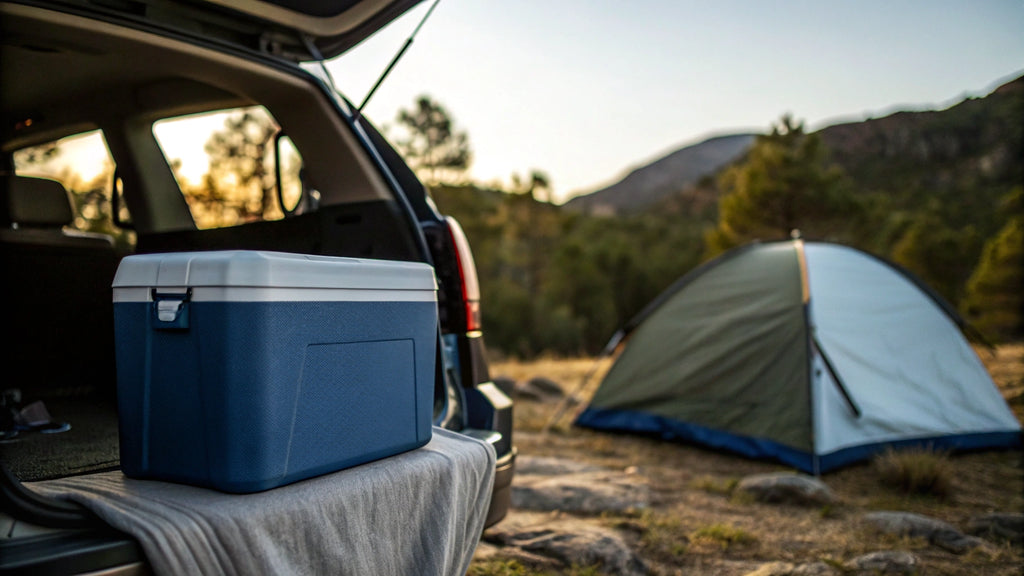
Insulated bags and coolers create a barrier against heat and cold, helping maintain a stable temperature. They are easy to store in your car and can significantly extend the shelf life of your emergency food. Using ice packs or gel packs inside coolers adds extra protection during hot weather.
Consider keeping a lightweight cooler in your car year-round. It doesn’t need to be large—just enough to hold your essential emergency snacks. This simple step can prevent food spoilage and save you from unpleasant surprises when you need that emergency meal the most.
Monitoring Food Condition
Regularly check the condition of your stored food, especially after extreme weather days. Look for signs like bulging cans, leaks, or off smells that indicate spoilage. Throw out anything that looks or smells questionable to avoid health risks.
Ask yourself: when was the last time you inspected your emergency food stash? Setting reminders every few months helps you stay on top of food safety. You want to be confident that your emergency supplies are ready to use whenever you need them.
Additional Emergency Supplies
Keeping emergency food in your car is smart, but having additional supplies can make a big difference when unexpected situations arise. These extra items help you stay hydrated, prepare meals, and handle minor injuries or survival challenges. Think about what you might really need if you’re stuck for hours or days—would you be ready?
Water Storage Tips
Water is the most essential emergency supply, yet it’s often overlooked. Store water in sturdy, BPA-free containers that won’t leak or degrade in heat. Consider collapsible water pouches—they save space and are easy to replace.
Keep at least one gallon of water per person in your car. Rotate your water supply every six months to keep it fresh. Don’t forget a small water filter or purification tablets; they can turn almost any water source into safe drinking water.
Basic Cooking And Eating Tools
Having emergency food is useless without the means to prepare and eat it. Pack a lightweight, portable stove or a small camping burner along with fuel canisters. These tools let you heat canned or freeze-dried meals quickly and safely.
Add some durable utensils—think metal spoons, forks, and knives—that won’t break easily. Don’t overlook a small cutting board and a can opener; they’re lifesavers when dealing with canned food. A few reusable plates and cups keep things organized and hygienic.
First Aid And Survival Gear
In an emergency, a basic first aid kit can prevent minor injuries from becoming serious problems. Include bandages, antiseptic wipes, pain relievers, and any personal medications you need. A compact survival kit with a flashlight, whistle, multi-tool, and emergency blanket rounds out your supplies.
Think about your environment and climate—extra warm clothing or rain gear can be crucial. These items don’t take much space but add a huge layer of safety. Have you ever experienced a situation where one small tool saved the day? Packing these essentials prepares you for those moments.
Regular Maintenance And Checks
Regular maintenance and checks keep your emergency food supply safe and usable. Food stored in a car faces heat changes and limited air circulation. This can cause damage or spoilage if not checked often.
Set a schedule for inspecting your emergency kit. Regular checks help spot problems early. This saves money and ensures you have food when needed.
Inspecting For Spoilage
Look for signs of spoilage like bulging cans or leaking packages. Check for unusual smells or discoloration. Even if food looks okay, trust your senses to detect changes.
Discard any item that seems off. Spoiled food can cause illness. Keep your kit clean and dry to avoid mold or pests.
Replacing Expired Items
Check expiration dates every few months. Remove expired food immediately. Replace it with fresh items to keep your kit ready.
Use a list to track expiry dates easily. Rotate food by moving older items to the front. This reduces waste and keeps your emergency food fresh.
Updating Your Emergency Kit
Review your kit regularly to match your needs. Add new items if your diet or family size changes. Include foods with long shelf lives and easy preparation.
Update tools like can openers or utensils. Ensure all items work well and fit your car space. A well-maintained kit improves safety and readiness.
Credit: www.battlbox.com
Frequently Asked Questions
What Are The Best Emergency Foods To Store In Your Car?
Choose non-perishable, compact, and high-energy foods like granola bars, nuts, dried fruits, and jerky. These items have a long shelf life and provide essential nutrients during emergencies.
How Should I Store Emergency Food To Prevent Spoilage?
Store food in airtight, waterproof containers to protect from moisture and pests. Keep items in a cool, shaded area of your car to avoid heat damage.
How Often Should I Check And Replace Emergency Car Food?
Check your emergency food supplies every six months. Replace expired or damaged items promptly to ensure freshness and safety during emergencies.
Can I Store Canned Food Safely In My Car?
Yes, but avoid extreme temperatures. Store cans in a shaded, stable spot to prevent rust and spoilage. Rotate stock regularly for best quality.
Conclusion
Storing emergency food in your car keeps you ready for surprises. Choose foods that last long and need little care. Pack small, easy-to-carry containers for quick access. Check your supplies often and replace expired items. Keep water and snacks in a cool, dry spot.
This simple habit can protect you in tough times. Stay prepared and drive with peace of mind.