Are you facing a sudden financial crisis and worried about putting food on the table? You’re not alone, and there is help available.
Emergency food stamps can provide quick support when you need it most. But how do you get them? This guide will walk you through the simple steps you need to take right now to secure emergency food assistance. Keep reading—your next meal could depend on it.
Eligibility Criteria
Understanding the eligibility criteria for emergency food stamps is crucial. It helps you know if you qualify for immediate assistance. Emergency food stamps provide quick support for those facing sudden financial hardship. Knowing the rules ensures a smooth application process and faster help.
Income Limits
Income limits are a key factor in qualifying for emergency food stamps. Your monthly income must fall below a certain threshold. This limit varies by state and household size. Only income from specific sources is counted, such as wages and benefits. Some expenses, like rent and utilities, may reduce your countable income.
Household Requirements
Household size affects eligibility. You must report everyone who lives and buys food together. This includes adults and children. The state uses household size to calculate income limits. Providing accurate household information helps determine the right benefit amount.
Special Circumstances
Certain situations may make you eligible even if income is slightly above limits. These include natural disasters, job loss, or urgent medical needs. Some states offer expedited food stamp approval in emergencies. Proof of your special circumstance helps speed up the process.

Credit: www.yahoo.com
Gather Required Documents
Gathering the right documents is a crucial part of applying for emergency food stamps. Without the proper paperwork, your application could face delays or even denial. Knowing exactly what you need saves time and reduces stress during an already challenging moment.
Identification Proof
You must provide valid identification to prove who you are. This can include a driver’s license, state ID, passport, or military ID. If you don’t have these, a birth certificate or Social Security card may also work in some cases.
Think about how often you use your ID for everyday tasks—it’s just as important here. Without it, the agency can’t verify your identity, which is a key step in processing your emergency food stamps.
Income Statements
Showing your current income helps determine your eligibility and the amount of aid you can receive. Recent pay stubs, a letter from your employer, or bank statements are common examples. If you’re unemployed, documentation of unemployment benefits or a written statement can help.
Have you gathered your latest pay slips or financial records lately? Keeping these documents ready means you’re prepared for emergencies and won’t face last-minute scrambles.
Residency Verification
You need to prove that you live in the state where you’re applying for food stamps. Utility bills, lease agreements, or a letter from a shelter can serve this purpose. Even mail addressed to you at your current residence can be acceptable.
Residency proof confirms you are part of the local community and eligible for its support programs. Without it, your application might stall, so collect these papers carefully.
Where To Apply
Apply for emergency food stamps at your local social services office or online through your state’s benefits website. Quick applications can also be made by phone in many areas. Check official government sites for the nearest location and application options.
Where to apply for emergency food stamps varies by location. Knowing the right place ensures quicker assistance. There are multiple ways to apply. Each method offers convenience and accessibility. Let’s explore these options.Local Assistance Offices
Local assistance offices are a direct resource. Visit your nearest office for guidance. Staff members provide help with applications. They answer questions and offer support. Bring necessary documents when you visit. This includes identification and income proof. Check office hours before going.Online Portals
Online portals simplify the application process. Access them from home anytime. Visit your state’s official website. Create an account to start your application. Fill out the required information carefully. Attach any necessary documents electronically. Submit your application once complete. Track your application status online.Phone Applications
Phone applications are a quick option. Call your local assistance office. Speak directly with a representative. They guide you through the process. Provide your information over the phone. Ensure you have necessary details ready. This includes social security numbers and income details. It saves time and ensures accuracy.Step-by-step Application Process
Applying for emergency food stamps requires clear and careful steps. The process is designed to ensure quick help for those in need. Each part of the application must be completed correctly. This guide explains the essential actions to take during the application.
Filling Out The Form
Start by getting the emergency food stamp application form. You can find it online or at your local assistance office. Fill in all the personal details asked. Include your name, address, and income information.
Answer every question honestly and clearly. Use simple words and check for mistakes. This helps avoid delays in processing your request.
Submitting Documents
Gather all necessary documents before submitting your form. These usually include:
- Proof of identity (ID card or passport)
- Proof of income (pay stubs or benefits letter)
- Proof of residence (rental agreement or utility bill)
- Any other documents requested by the office
Scan or make clear copies of each document. Submit them online or deliver them in person. Keep copies for your records.
Interview Scheduling
After submitting the form and documents, expect a call or email. The agency will schedule an interview to review your case. The interview may happen in person or over the phone.
Prepare to answer questions about your financial situation. Be honest and provide any extra information needed. This step helps the agency decide your eligibility quickly.
Expedited Benefits
Expedited benefits provide faster access to emergency food stamps for those in urgent need. This program helps people who face immediate hunger or financial crisis. It reduces the usual waiting time for approval and delivery of benefits. Understanding how to qualify and receive these benefits quickly is crucial.
Qualifying Conditions
Applicants must meet specific requirements to get expedited benefits. These conditions include:
- Household income below a certain limit
- Very low resources, such as cash or bank balances
- No access to other food or income support
- Facing an emergency like eviction, utility shutoff, or hunger
Meeting these rules helps prove the urgent need for food assistance.
Processing Time
Expedited benefits are processed faster than regular applications. Most states approve and issue benefits within seven days. Some may complete the process in three days. This quick turnaround helps avoid long waits during crises.
Applicants should provide all required documents promptly. Missing papers can delay the process.
Receiving Your Benefits Quickly
Benefits arrive through electronic cards or direct deposits. Once approved, the card can be used at stores immediately. Some states offer same-day card issuance. This speed ensures access to food without delay.
Contact your local agency for guidance. They can explain the fastest ways to get your benefits.

Credit: www.mass.gov
After Approval
After you get approved for emergency food stamps, the next steps are crucial to make sure you use your benefits effectively and keep your assistance going. Knowing what to do after approval helps you avoid common pitfalls and ensures that your support lasts as long as you need it.
Using Your Food Stamps
Your emergency food stamps come loaded onto an EBT (Electronic Benefits Transfer) card. You can use this card at most grocery stores, supermarkets, and some farmers markets just like a debit card.
Be aware that not all items are eligible for purchase. Typically, food stamps cover groceries like fruits, vegetables, bread, and dairy but exclude things like alcohol, tobacco, and hot prepared foods.
Keep track of your balance regularly. Many EBT cards allow you to check your remaining benefits online or by phone, so you always know how much you can spend.
Renewal And Reporting Changes
Your emergency food stamps are not indefinite. You will need to renew your benefits periodically, usually every few months, depending on your state’s rules.
During renewal, you may have to provide updated information about your income, household size, or expenses. Failing to renew on time can lead to a pause or loss of your benefits.
Always report any changes in your situation promptly. If your income increases or your household changes, informing the agency keeps your benefits accurate and prevents potential issues.
Additional Resources
Emergency food stamps are a vital help, but you might need more support to get through tough times. Local food banks and community organizations often provide free meals or groceries.
You can also look for programs like WIC (Women, Infants, and Children) or school meal programs if you have children. These resources can complement your food stamps and stretch your food budget further.
Have you explored all the support options available in your community? Sometimes, asking a caseworker or a social service agency can uncover unexpected help tailored to your needs.

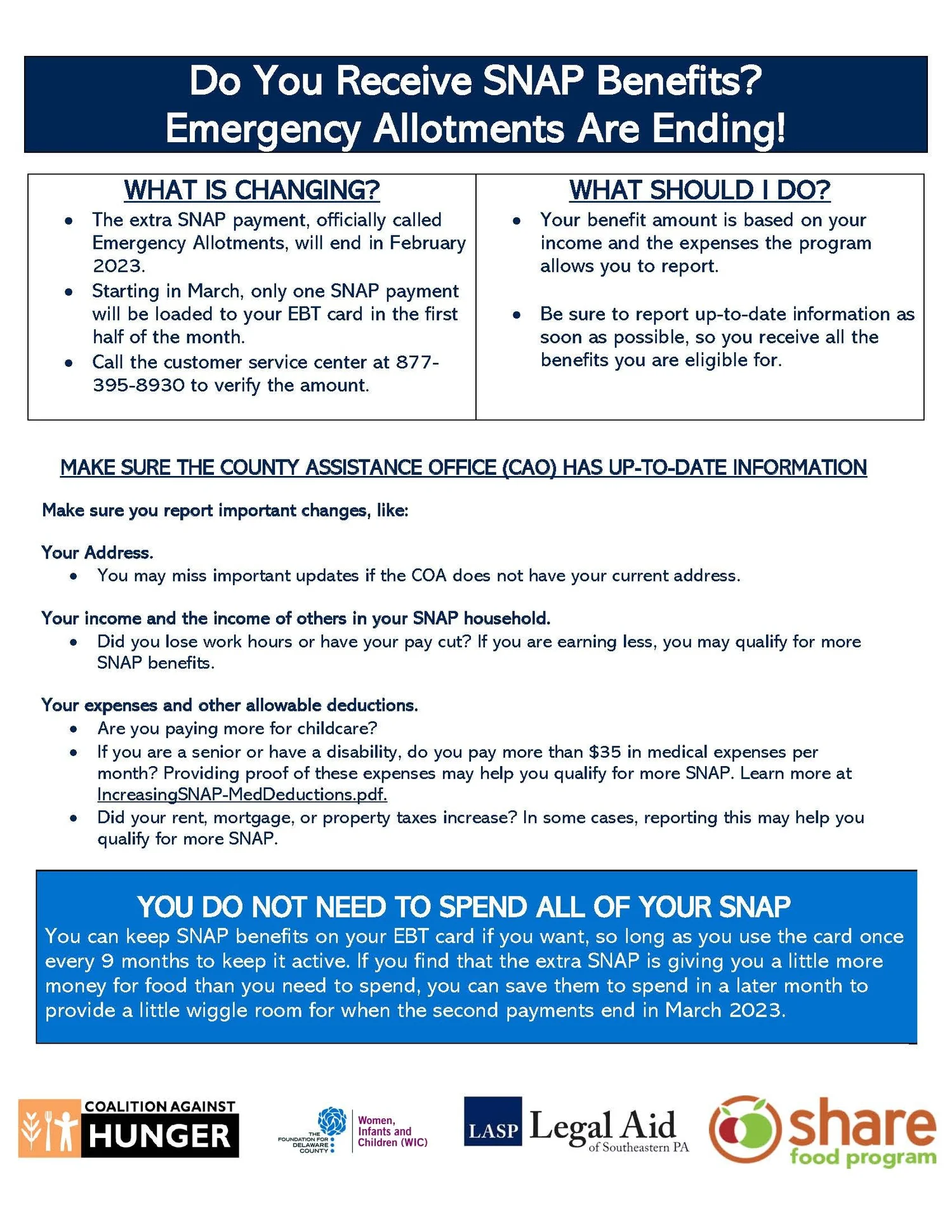
Credit: www.lasp.org
Frequently Asked Questions
What Are Emergency Food Stamps And Who Qualifies?
Emergency food stamps provide immediate assistance for low-income households facing urgent food needs. Applicants must meet income and residency criteria. Qualifying conditions often include job loss, unexpected expenses, or natural disasters. Each state has specific eligibility rules and application processes for emergency Supplemental Nutrition Assistance Program (SNAP) benefits.
How Quickly Can I Get Emergency Food Stamps?
Emergency food stamps are typically issued within seven days of application approval. Some states offer expedited processing, sometimes within 24 to 48 hours. Applicants must provide proof of emergency and income. The goal is to ensure fast access to food assistance during critical times.
Where Can I Apply For Emergency Food Stamps?
You can apply for emergency food stamps through your local SNAP office or online portal. Many states offer online applications for quicker processing. Visit your state’s official social services website or call the SNAP hotline for guidance. Community centers and nonprofits may also assist with applications.
What Documents Are Needed For Emergency Food Stamps?
Essential documents include proof of identity, income, residency, and emergency circumstances. Examples are ID cards, pay stubs, utility bills, and eviction notices. Some states may request additional paperwork depending on the situation. Having these documents ready speeds up the application process.
Conclusion
Emergency food stamps provide quick help during tough times. Apply through your local agency or online for faster service. Keep your documents ready to avoid delays. Check your eligibility to know what support you can get. Staying informed helps you get assistance when you need it most.
Remember, help is available, and taking action matters. Don’t wait—reach out and secure the aid you deserve today.