Are you facing a sudden food shortage and don’t know where to turn? Getting emergency food stamps can provide quick help when you need it most.
But how do you sign up, and what steps should you follow to get approved fast? In this guide, you’ll discover simple, clear instructions that make the process easier. Keep reading to find out exactly what you need to do so you can focus on what matters—feeding your family without stress.

Credit: www.youtube.com
Eligibility Criteria
Understanding the eligibility criteria is essential before applying for emergency food stamps. These criteria help determine who qualifies for assistance. Meeting these rules increases the chances of receiving support quickly.
Income Limits
Your total income must fall below a certain limit. This limit depends on the area and cost of living. Income includes wages, benefits, and other earnings. Only those with low income usually qualify for emergency food stamps.
Residency Requirements
You must live in the state where you apply. Proof of residency is often needed. Common documents include utility bills, lease agreements, or official letters. Residency rules ensure help goes to local residents in need.
Household Size
The number of people in your household affects eligibility. Larger households may have higher income limits. You must report everyone who lives and eats with you. This helps calculate the correct benefit amount.
Special Circumstances
Certain situations may affect your eligibility. Examples include pregnancy, disability, or elderly family members. Some states offer extra help for these cases. Reporting special needs can provide additional support.
Gather Required Documents
Gathering the right documents is a crucial part of signing up for emergency food stamps. Without them, your application could face delays or even denial. Knowing exactly what you need saves time and reduces stress during this important process.
Proof Of Identity
Your identity must be clearly established to qualify for emergency food stamps. Common documents accepted include:
- Driver’s license or state ID card
- Passport or birth certificate
- Military ID or Social Security card
Have you ever tried to apply for assistance without a valid ID? It’s frustrating and often leads to multiple trips to offices. Keep your ID ready to avoid this hassle.
Income Verification
Showing your income helps determine your eligibility and benefit amount. Gather recent pay stubs, bank statements, or a letter from your employer. If you receive any government benefits or pensions, include those documents too.
If you don’t have steady income, you can provide proof of unemployment benefits or explain your situation during the application. Being transparent here helps speed up the review of your case.
Residency Proof
To prove where you live, you need documents like utility bills, lease agreements, or a letter from your landlord. These documents confirm you reside within the service area of the food stamp program.
Think about how easy it is to overlook this step. Without proper residency proof, your application may be rejected even if you qualify otherwise.
Household Information
Details about everyone living in your household are necessary for accurate benefit calculations. Prepare a list with names, ages, and relationships of all household members.
Sometimes, you might be asked for additional documents, such as school records for children or proof of pregnancy. This information ensures the benefits match your household’s needs.
Application Methods
Begin by visiting your local social services office or their website to access the application form. Fill out the form carefully, providing all required personal and financial information. Submit your application online, by mail, or in person to start the review process.
When facing food insecurity, accessing emergency food stamps can be crucial. Understanding the application methods is essential for a swift process. Different methods cater to varied needs, ensuring everyone can apply comfortably. Choose the best fit for your situation to get assistance quickly.Online Application
Applying online is convenient and quick. Visit your state’s official food assistance website. Create an account if you don’t have one. Fill out the required information in the application form. Provide accurate details to avoid delays. Submit the form and track your application status online.In-person Application
Applying in person offers direct assistance. Visit your local food assistance office. Bring necessary documents like ID and income proof. Staff will guide you through the application. Completing your application this way can reduce errors. You may get immediate feedback or assistance.Phone Application
Applying by phone is easy and accessible. Call the food assistance helpline in your state. A representative will assist you with the application process. Have your details ready for a smooth conversation. This method is helpful if you can’t access the internet or travel.Mail Application
Applying by mail is traditional but reliable. Download the application form from your state’s website. Fill out the form with accurate information. Include copies of required documents. Mail the completed form to the provided address. This method may take longer, so plan accordingly.
Credit: www.mass.gov
Step-by-step Sign Up Process
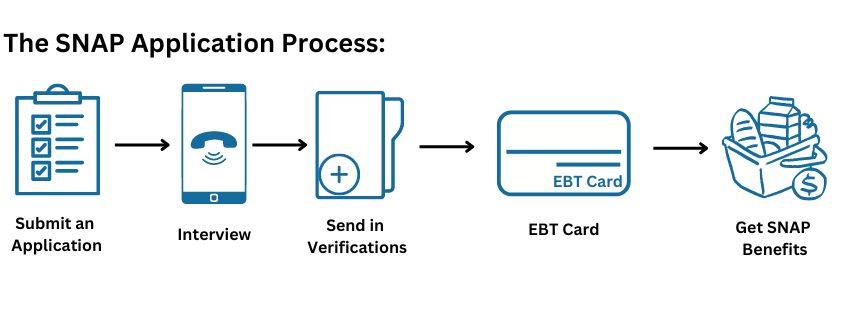
Signing up for emergency food stamps may seem overwhelming, but breaking it down into clear steps makes the process manageable. Each stage is designed to gather the necessary information efficiently, helping you get the support you need as quickly as possible. Let’s walk through what you’ll need to do to complete your application smoothly.
Creating An Account
Start by visiting your state’s official food assistance website. You’ll need to create a personal account using your email address and a secure password.
Make sure to use an email you check regularly—this is where you’ll receive important updates. If you’ve ever applied for government assistance online, you might already have an account, so try logging in first to save time.
Filling Out The Application
The application asks for basic information like your household size, income, and living situation. Take your time to answer honestly and thoroughly to avoid delays.
Keep documents like pay stubs and rental agreements handy to reference while filling out the form. If you’re not sure about a question, don’t guess—look for a help section or contact support for clarification.
Submitting Documents
Once your application is complete, you’ll need to upload or mail proof of your income, identity, and residency. Common documents include pay stubs, utility bills, and photo IDs.
Double-check that all files are clear and legible if uploading online. Missing or unclear documents often cause processing delays, so this step deserves extra attention.
Scheduling An Interview
After submitting your application, you’ll be asked to schedule an interview, typically by phone or in person. This is your chance to explain your situation and answer any questions from the caseworker.
Pick a time that ensures you won’t be rushed. Prepare by reviewing your application and documents beforehand to speak confidently about your needs.
Interview Preparation
Preparing for your emergency food stamps interview helps reduce stress. Knowing what to expect makes the process smoother. This preparation ensures you provide the right information quickly. Here are key points to help you get ready.
Common Questions
Expect questions about your household size and income. Be ready to explain your current job status. Questions about your monthly expenses may come up too. The interviewer wants to know if you need assistance. Answer honestly and clearly to avoid delays.
What To Bring
- Photo ID such as a driver’s license or passport
- Proof of income like pay stubs or bank statements
- Rental or mortgage agreement
- Utility bills showing your address
- Social Security numbers for all household members
- Any documents about your expenses or debts
Having these ready speeds up the interview. Organize your papers in a folder for easy access.
How To Schedule
Contact your local social services office to set an appointment. Some offices allow online booking through their website. Call ahead early to get your preferred date and time. Note down the appointment details carefully. Arriving late can delay your application.
Virtual Vs In-person
Virtual interviews happen over phone or video call. They save travel time and are safer during health crises. In-person interviews take place at the office. They allow direct document submission and personal interaction. Choose the option that suits your comfort and access best.
After Applying
After you submit your application for emergency food stamps, the process doesn’t end there. What happens next can impact how quickly you receive help. Knowing what to expect after applying can reduce your stress and help you prepare for the next steps.
Application Review
Your application will be carefully reviewed to check if you meet the program’s requirements. This review includes verifying your income, household size, and expenses. Sometimes, the agency may contact you for additional documents or clarification.
If you haven’t heard back, don’t hesitate to follow up. Staying proactive can speed up the process and prevent delays.
Approval Timeline
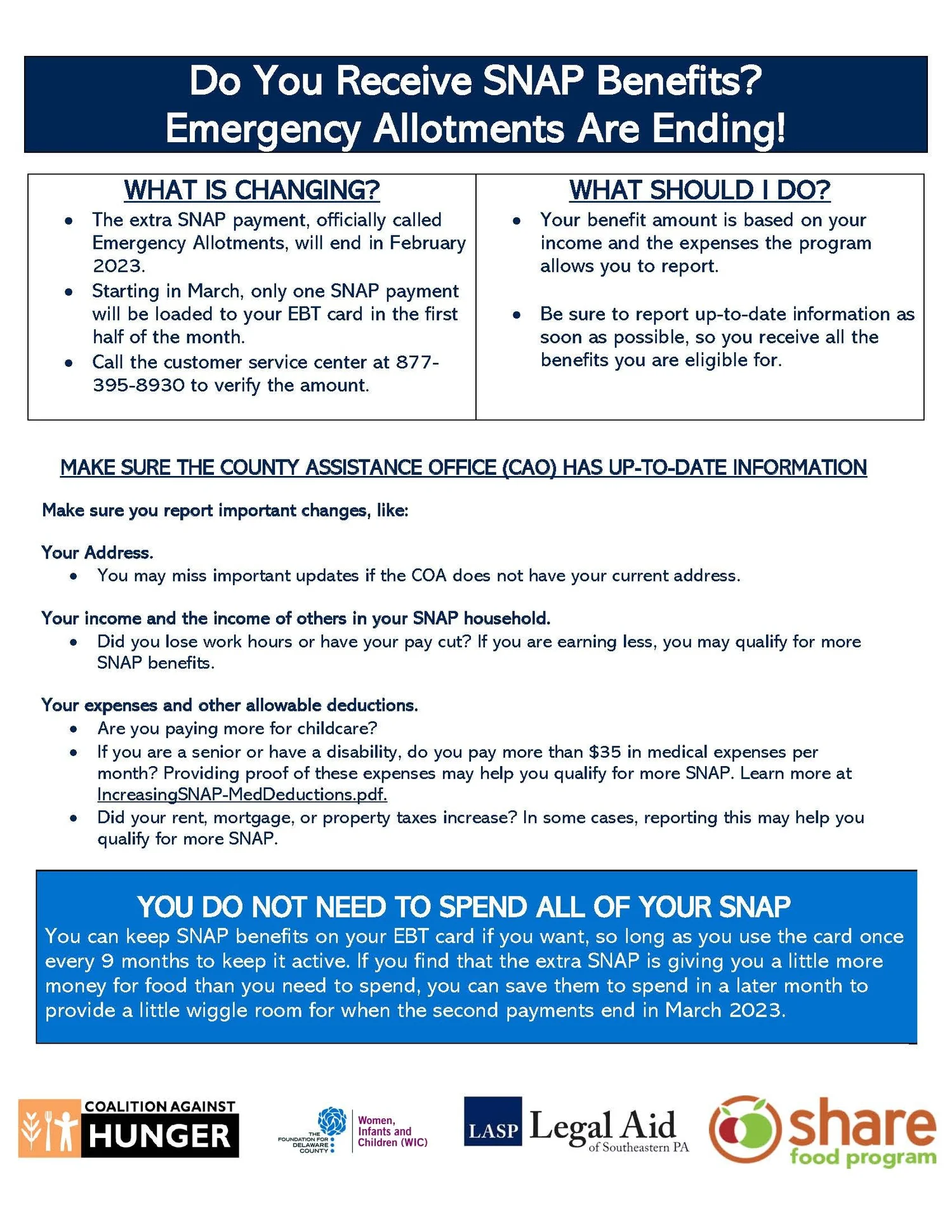
Approval times can vary depending on your state and how complete your application is. Typically, emergency food stamps are processed faster than regular SNAP benefits, often within a few days to a week. However, unexpected delays can happen.
Think about your current food situation—do you have enough to last a few days? If not, ask if there are quicker options or local food banks you can visit while waiting.
Receiving Benefits
Once approved, you will receive your benefits through an Electronic Benefit Transfer (EBT) card. This card works like a debit card and can be used at grocery stores and farmers markets. Make sure you understand how to activate and use your EBT card.
Keep track of your benefit balance regularly. This helps you plan your grocery shopping and avoid surprises at checkout.
Renewal Process
Emergency food stamps are usually temporary, so you will need to renew your benefits to continue receiving assistance. Renewal often requires updating your income and household information. Missing the renewal deadline can mean losing your benefits.
Set reminders for yourself to submit renewal paperwork on time. If your situation changes, communicate with your caseworker to adjust your benefits accordingly.
Additional Resources
Accessing emergency food stamps can be challenging. Many find extra help through local and online resources. These resources offer support beyond the standard application process. They guide applicants and provide essential aid quickly.
Local Assistance Programs
Local programs often offer food and financial help. Visit community centers or government offices nearby. Staff can explain eligibility and help with forms. Some programs have walk-in services for immediate support.
Community Food Banks
Food banks supply groceries to families in need. They work with local agencies to reach more people. You can find food banks through local listings or social services. Many offer no-cost food packages on a regular basis.
Helplines And Support
Helplines provide quick answers to questions. Trained staff guide callers through application steps. They often connect people with nearby resources. Calling a helpline is free and confidential.
Online Tools
Websites offer easy access to food stamp applications. They include eligibility checkers and document upload features. Some sites provide chat support for instant help. Use trusted government or nonprofit sites only.

Credit: www.lasp.org
Frequently Asked Questions
How Do I Apply For Emergency Food Stamps?
You can apply online, by phone, or in person at your local agency. Fill out the application with accurate details. Emergency cases get faster processing to ensure quick access to benefits.
Who Qualifies For Emergency Food Stamps?
People facing immediate food insecurity, low income, or sudden financial hardship may qualify. Eligibility varies by state, so check local guidelines for specific criteria and documentation required.
How Fast Are Emergency Food Stamps Approved?
Emergency food stamps are usually approved within 7 days. Some states offer even faster processing for urgent cases. Quick approval helps families get food support promptly during crises.
What Documents Are Needed To Apply?
You need ID, proof of income, residence, and expenses. Additional documents may include proof of emergency or hardship. Check your local agency for exact required paperwork.
Conclusion
Applying for emergency food stamps can help during tough times. Gather your documents first. Visit your local office or apply online. Answer questions honestly and clearly. Keep track of your application status. Help is available, and you deserve support. Act quickly to get the aid you need.
Remember, emergency food stamps provide temporary relief. Stay patient and follow instructions carefully. Your effort can make a big difference. Don’t hesitate to ask for assistance if confused. Taking these steps can ease your food worries today.