Imagine facing an emergency without the right food to keep you going. You might feel hungry, weak, or even anxious.
That’s why having the right food in your emergency kit isn’t just smart—it’s essential. But what should you actually include? Not all foods work the same when you’re in a tough spot. You’ll discover the best foods to pack that will keep you nourished, energized, and ready for whatever comes your way.
Keep reading to make sure your emergency kit has exactly what you need to stay safe and strong.

Credit: backpackerspantry.com
Long-lasting Staples
Long-lasting staples form the backbone of any emergency food kit. These foods store well and stay safe to eat for months or even years. They provide essential nutrients and energy when fresh food is unavailable. Picking the right staples ensures you have reliable meals during tough times.
Canned Goods
Canned goods are easy to store and have a long shelf life. Common options include:
- Vegetables like corn, beans, and peas
- Fruits such as peaches and pineapples
- Meats like tuna, chicken, and beef
- Soups and stews
These items do not require refrigeration until opened. They offer ready-to-eat convenience and balanced nutrition. Rotate cans regularly to keep your supply fresh.
Dry Grains And Pasta
Dry grains and pasta store well and provide energy-rich carbohydrates. Examples include:
- Rice
- Oats
- Quinoa
- Macaroni and spaghetti
Store grains in airtight containers to prevent moisture and pests. They cook quickly and pair well with canned or dehydrated ingredients. Grains and pasta form the base for many meals.
Dehydrated And Freeze-dried Foods
Dehydrated and freeze-dried foods remove moisture to extend shelf life. These lightweight foods rehydrate easily with water. Common types include:
- Vegetables like carrots and peas
- Fruits such as apples and berries
- Meats and eggs
- Complete meal kits
They preserve most nutrients and taste. Ideal for emergency kits with limited space. Store in cool, dry places to maintain quality.
High-energy Snacks
High-energy snacks are vital for any emergency kit. They provide quick fuel and keep your energy levels steady. These snacks are easy to store and carry. They last long without refrigeration. Ideal for times when meals are scarce or unavailable.
Nuts And Seeds
Nuts and seeds offer healthy fats and proteins. They keep hunger away for hours. Examples include almonds, walnuts, sunflower seeds, and pumpkin seeds. These snacks are lightweight and compact. They are rich in calories and nutrients. Store them in airtight containers for freshness.
Energy Bars
Energy bars are designed for quick energy. They combine carbs, proteins, and fats in one bar. Choose bars with natural ingredients and low sugar. They have a long shelf life. Easy to carry and eat on the go. Perfect for boosting energy during tough times.
Dried Fruits
Dried fruits contain natural sugars for instant energy. Common options are raisins, apricots, and dates. They also provide fiber and vitamins. Lightweight and non-perishable, dried fruits suit emergency kits well. Combine them with nuts for a balanced snack.
Protein Sources
Choose protein sources that last long and need no refrigeration, like canned beans, nuts, and jerky. These foods provide energy and help keep you full during emergencies.
When building an emergency kit, protein sources are crucial for maintaining your energy and strength. In stressful situations, your body needs protein to repair muscles and keep your immune system strong. Let’s explore some essential protein options that you should consider including in your emergency kit.Canned Meats And Fish
Canned meats and fish are excellent sources of protein that can last for years. They are convenient, require no cooking, and can be eaten straight from the can. Options like tuna, chicken, and salmon are not only rich in protein but also provide essential fats. Have you ever tried canned salmon on a cracker during a camping trip? It’s surprisingly satisfying and a great morale booster. Keep a can opener handy, as not all cans come with easy-open lids.Powdered Protein
Powdered protein, such as whey or plant-based powders, is lightweight and easy to store. These can be mixed with water or milk and can serve as a quick meal replacement. They come in various flavors, making it easier to cater to different tastes. Imagine having a chocolate-flavored protein shake when the power is out. It’s a comforting choice, especially if you have kids.Legumes And Beans
Legumes and beans are affordable and packed with protein and fiber. They can be found in dried form or canned. While dried beans require soaking and cooking, canned beans are ready to eat. Chickpeas, black beans, and lentils are versatile and can be added to soups or eaten alone. Did you know that a can of black beans can transform a bland meal into something hearty? It’s time to think about how these could add variety to your emergency meals. What protein sources do you rely on for emergencies? Ensuring a balanced intake can make all the difference when you’re waiting for the world outside to return to normal.
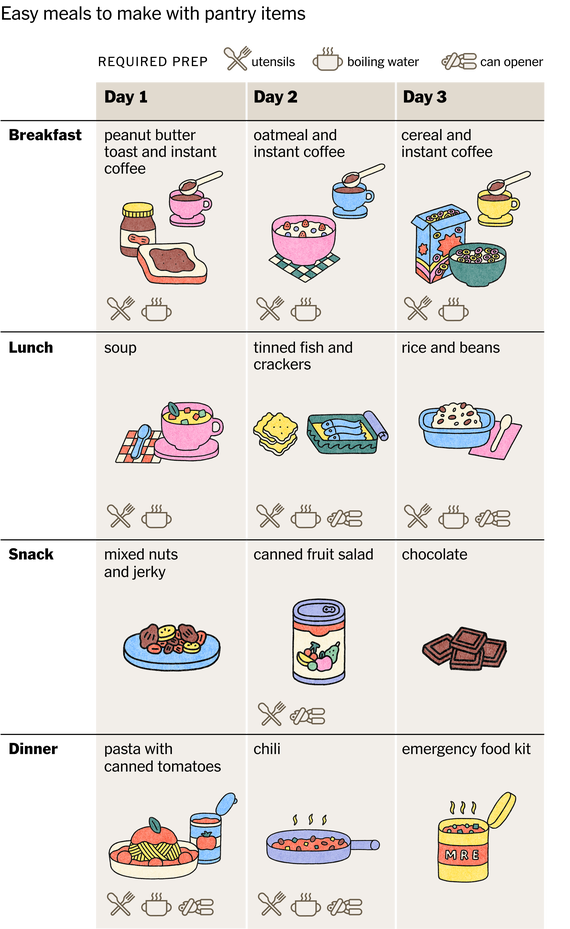
Credit: www.nytimes.com
Essential Vitamins And Minerals
Essential vitamins and minerals are the building blocks your body needs to stay strong during emergencies. They support your immune system, keep your energy steady, and help your body repair itself. Without the right nutrients, even the best survival plan can fall short.
Fortified Foods
Fortified foods are a smart choice for your emergency kit because they provide extra nutrients that regular foods might lack. Think of cereals or oatmeal enriched with iron, vitamin D, or B vitamins. These foods can help fill nutritional gaps when fresh produce isn’t available.
Look for canned or packaged options that have added vitamins. They have a longer shelf life and still deliver important nutrients. Have you checked the labels on your favorite emergency snacks to see which ones are fortified?
Supplements
Supplements can be a reliable backup to ensure you get essential vitamins and minerals. Multivitamins, vitamin C tablets, and vitamin D capsules are compact and easy to store. They can boost your intake without taking up much space.
Remember, supplements should complement your food, not replace it. Store them in a cool, dry place and check expiration dates regularly. Would you feel more secure knowing you have a vitamin boost ready when fresh food is scarce?
Electrolyte Packs
Electrolyte packs are vital for maintaining hydration and muscle function, especially in stressful or hot conditions. These packs often contain sodium, potassium, magnesium, and calcium—minerals your body loses through sweat. Carrying them in your kit helps prevent dehydration and cramps.
Choose powder or tablet forms that mix easily with water. They’re lightweight and last long, making them practical for emergencies. How often do you consider the role of electrolytes in your daily energy and recovery?
Hydration Options
Staying hydrated during an emergency is not just about having water on hand. It’s about ensuring you have safe, clean options to keep your body functioning. Your emergency kit should include smart hydration choices that prepare you for any situation.
Water Storage
Water is the most critical element in your emergency kit. Store at least one gallon per person per day for a minimum of three days. Use BPA-free plastic containers or specially designed water storage barrels to avoid contamination.
Remember to rotate your stored water every six months to keep it fresh. You can also fill clean, empty soda bottles with tap water if you’re short on storage containers. Label your containers with the date filled so you don’t lose track.
Water Purification Methods
Sometimes, you may need to rely on natural water sources, so having purification tools is essential. Water purification tablets are lightweight and easy to carry. They kill bacteria and viruses but might leave a slight taste.
Another reliable option is a portable water filter. These remove sediments and harmful microbes without chemicals. You might ask yourself, how often do you check your purification supplies? Keeping them updated can save your life.
Electrolyte Drinks
Hydration is more than just water—your body also needs electrolytes. Pack powdered electrolyte mixes that you can add to water. These help maintain your energy and prevent dehydration symptoms like cramps and dizziness.
Sports drink powders or oral rehydration salts are excellent choices and take up little space. Have you considered how these drinks can boost your recovery if you’re physically active during an emergency? They’re worth including for sustained stamina.
Special Dietary Needs
Special dietary needs require careful planning in an emergency kit. Such needs include allergies, gluten intolerance, and plant-based diets. Having the right foods ensures health and comfort during tough times.
Allergy-friendly Foods
Choose foods free from common allergens like nuts, dairy, and eggs. Opt for individually packaged items to avoid cross-contamination. Examples include:
- Rice cakes
- Canned fruits and vegetables
- Sunflower seed butter
- Allergy-safe protein bars
- Plain crackers
Gluten-free Options
Gluten-free foods support those with celiac disease or gluten sensitivity. Select items labeled gluten-free for safety. Consider:
- Gluten-free pasta
- Canned beans and lentils
- Quinoa or rice packs
- Gluten-free granola bars
- Popcorn and rice cakes
Vegetarian And Vegan Picks
Plant-based foods provide essential nutrition without animal products. Include protein-rich and easy-to-store options. Examples include:
- Canned chickpeas and black beans
- Nut and seed mixes
- Dried fruits and vegetables
- Instant oatmeal packets
- Vegan protein bars
Storage Tips
Proper storage of food in your emergency kit can make a huge difference when you actually need it. Food that’s poorly stored can spoil or attract pests, leaving you without reliable nutrition in a critical moment. Paying attention to how you package, store, and rotate your food ensures it stays fresh, safe, and ready to eat when the unexpected happens.
Packaging And Sealing
Use airtight containers or vacuum-sealed bags to keep moisture and air out. Oxygen can degrade food quality and shorten shelf life, so removing it is key.
Consider using Mylar bags with oxygen absorbers for dry goods like rice, beans, and pasta. These create a near-perfect environment to preserve food for years.
Always double-check seals before storing. A broken seal can let in pests and humidity, ruining your supplies.
Temperature Control
Store your emergency food in a cool, dark place to slow down spoilage and maintain nutrient quality.
Temperatures between 50°F and 70°F (10°C to 21°C) are ideal. Avoid places with temperature swings like garages or attics.
Have you noticed how food stored in a hot kitchen loses freshness faster? Your emergency kit’s location matters just as much as the food itself.
Rotation And Shelf Life
Keep track of expiration dates and practice the “first in, first out” rule. Use older items first and replace them with fresh supplies regularly.
Set reminders to check your emergency kit every 6 months. This helps you spot any spoiled or damaged food before it becomes a problem.
Don’t just stash food and forget it. Staying on top of rotation prevents wasted supplies and keeps your kit reliable.

Credit: www.goodhousekeeping.com
Cooking And Preparation Tools
Cooking and preparation tools are essential for an emergency kit. They help prepare meals safely and efficiently. Without the right tools, even simple foods can become hard to eat. These tools ensure you can cook, open, and serve food with ease.
Portable Stoves
Portable stoves provide a reliable heat source. They use small fuel canisters or solid fuel tablets. Lightweight and compact, they fit well in emergency kits. These stoves allow cooking hot meals or boiling water. Choose models that are easy to use and clean.
Manual Can Openers
Manual can openers are a must-have tool. Many emergency foods come in cans. Electric openers need power, which may not be available. Manual openers work anywhere and require no batteries. Pick a sturdy opener that fits comfortably in your hand.
Utensils And Containers
Utensils like spoons, forks, and knives are important. Reusable or disposable options work well for emergencies. Include containers that seal tightly to store leftovers. Choose lightweight and durable materials like plastic or metal. These tools help keep food safe and easy to eat.
Frequently Asked Questions
What Are The Best Non-perishable Foods For Emergency Kits?
Non-perishable foods like canned beans, rice, nuts, and dried fruits last long. They provide essential nutrients during emergencies. Choose items with long shelf lives and easy preparation. These foods ensure you have energy and sustenance when fresh food isn’t available.
How Much Food Should I Store In An Emergency Kit?
Store at least a three-day supply of food per person. Calculate based on daily calorie needs, typically 2000 calories. Include a variety of foods for balanced nutrition. This amount helps sustain you during short-term emergencies until help arrives.
Can I Include Ready-to-eat Meals In An Emergency Kit?
Yes, ready-to-eat meals are ideal for emergencies. They require no cooking and have a long shelf life. Look for MREs or freeze-dried options. These meals provide convenience, nutrition, and quick energy during crises.
Should Emergency Food Kits Include Water-rich Foods?
Water-rich foods like canned fruits and vegetables can aid hydration. However, prioritize water storage separately. Water is critical for survival, so always have clean drinking water alongside your food supplies.
Conclusion
Choosing the right food for your emergency kit saves lives. Pack items that last long and need no cooking. Think canned goods, nuts, dried fruits, and energy bars. Water is just as important as food. Keep supplies fresh and check them often.
Prepare now to stay safe later. Simple steps make a big difference. Ready food means less worry during hard times. Stay calm, stay prepared, and keep your kit updated. Your safety depends on what you store today.