When a sudden emergency strikes, having access to reliable food can make all the difference for you and your loved ones. But where exactly should you turn when you need emergency food quickly and safely?
You might feel overwhelmed trying to find the best options that fit your needs and budget. This guide will help you discover practical places to get emergency food, so you can be prepared without stress. Keep reading to learn where you can find the food supplies that will keep you safe and nourished when it matters most.

Credit: www.amazon.ca
Local Grocery Stores
Local grocery stores are key places to find emergency food supplies. They offer quick access to essential items during unexpected situations. Knowing where to go can save time and reduce stress.
24/7 Convenience Stores
Many convenience stores stay open all day and night. They carry basic food items like canned goods, snacks, and bottled water. These stores are great for last-minute needs or small emergency kits.
Their locations often cover neighborhoods, making them easy to reach quickly. Prices may be higher than supermarkets, but the availability is a big plus.
Supermarkets With Emergency Sections
Some supermarkets dedicate shelves to emergency food supplies. These sections include ready-to-eat meals, long-lasting canned foods, and freeze-dried options. They help customers prepare for power outages or natural disasters.
Look for stores with organized emergency aisles for easy shopping. Staff can also assist in finding suitable items for your needs.
Bulk Purchase Options
Buying in bulk saves money and ensures plenty of food during emergencies. Many local stores offer bulk packages of staples like rice, beans, and pasta. These products have a long shelf life and provide good nutrition.
Warehouse clubs and larger grocery stores often have bulk sections. Stocking up on these items helps create a strong emergency food supply.

Credit: www.amazon.ca
Online Retailers
Finding reliable sources for emergency food online can save you valuable time and stress during urgent situations. Online retailers offer a range of options tailored to different needs, from quick delivery kits to long-term meal plans. Knowing where to look and what to expect can help you prepare better without overwhelming your budget or pantry space.
Fast Shipping Food Kits
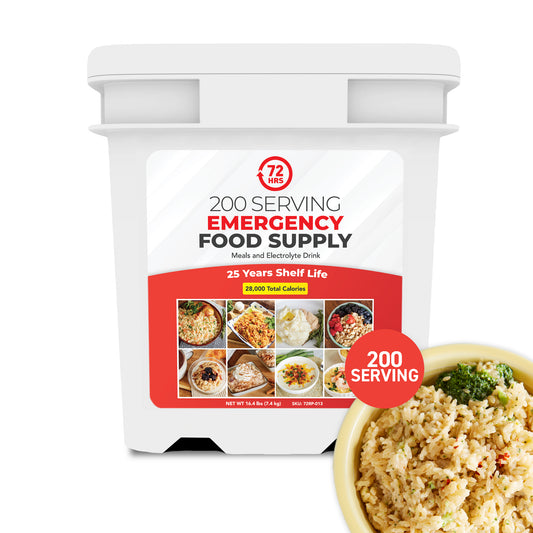
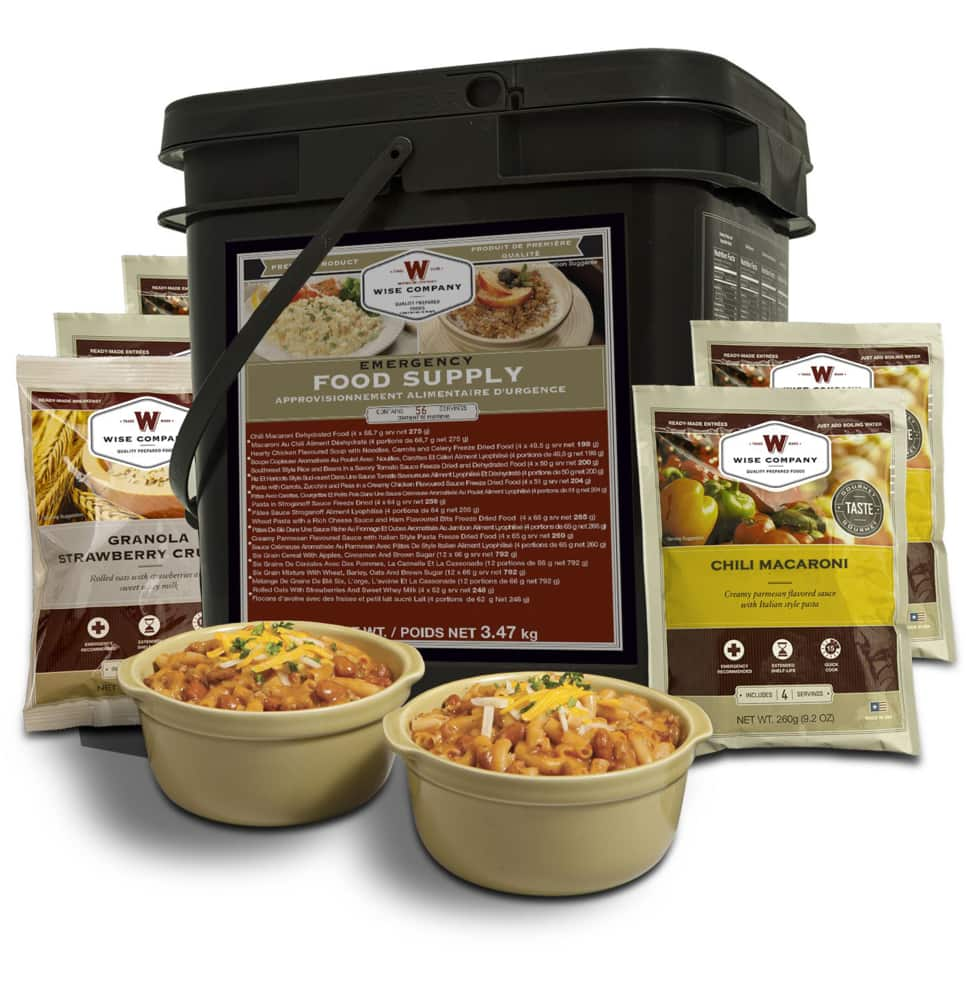
If you need emergency food delivered quickly, many online stores specialize in fast shipping kits. These kits often include ready-to-eat meals or freeze-dried options that require minimal preparation. For example, companies like Mountain House and Wise Company provide kits that can arrive within a day or two if you choose expedited shipping.
Choosing fast shipping food kits means you can build a safety net without waiting weeks. Have you checked how quickly your local online retailer can deliver? Quick access could be critical if you face sudden emergencies.
Subscription Meal Services
Subscription meal services take the stress out of stocking up by sending regular shipments of nutritious food. These services often let you customize the type and quantity of meals, ensuring you always have something on hand. Brands like Thrive Life and Augason Farms offer subscription plans that include emergency-ready meals with long shelf lives.
These subscriptions can also introduce variety into your emergency supplies, so you avoid eating the same thing repeatedly. How often do you refresh your emergency stock? A subscription could keep your food fresh and your mind at ease.
Emergency Food Delivery Apps
Apps designed for emergency food delivery are becoming more popular, connecting users with local and national suppliers. These apps often highlight products that are specifically packaged for disaster preparedness, including water pouches, energy bars, and canned goods. Apps like ReadyWise and Emergency Essentials allow you to order directly from your phone, making last-minute purchases easy.
Using an app can speed up the ordering process and even offer discounts or alerts on sales. Have you tried an emergency food app yet? It might be the quickest way to update your supplies without leaving home.
Specialty Emergency Food Suppliers
Specialty emergency food suppliers offer reliable options for long-lasting meals. These suppliers provide easy-to-store, nutritious foods ideal for crises. Trusted sources ensure quality and safety in emergency food supplies.
In times of crisis, ensuring you have access to food can be a daunting task. This is where specialty emergency food suppliers come into play. They offer a variety of products designed to meet your nutritional needs during emergencies. Let’s dive into some specific categories these suppliers offer, which can be a lifesaver when you need them the most.Freeze-dried And Dehydrated Foods
Freeze-dried and dehydrated foods are excellent choices for emergency situations. They are lightweight and easy to store, making them perfect for both home storage and on-the-go scenarios. Imagine hiking in the wilderness and knowing you have a nutritious meal waiting in your backpack—just add water, and you’re good to go. These foods retain most of their original flavor and nutrients, making them both practical and satisfying. Whether it’s a savory stew or a hearty breakfast, there’s a wide variety of options to choose from. You might be surprised at how delicious these meals can be, even in their preserved state.Long Shelf-life Products
When planning for emergencies, products with a long shelf life are indispensable. You want items that can last for years without losing their quality. Canned goods, vacuum-sealed packages, and specially packaged grains and legumes often top the list. Consider the peace of mind knowing that your pantry is stocked with food that won’t spoil anytime soon. This assurance is invaluable in times of uncertainty. It also helps you avoid the last-minute scramble to gather supplies when an emergency strikes.Trusted Brands And Certifications
It’s crucial to rely on trusted brands that have certifications to back their claims. Look for brands that adhere to high safety and quality standards. Certifications like USDA Organic or Non-GMO Project Verified can give you confidence in what you’re purchasing. Have you ever considered how these certifications impact your choice? They ensure that you’re not just buying any emergency food but one that has been vetted for safety and quality. This level of trust can be a game-changer when every bite counts. By choosing products from reputable suppliers, you can be assured of quality and nutrition even in the toughest times.Community Resources
Community resources often serve as a lifeline when you need emergency food quickly. These local support systems are designed to help you get through tough times without added stress. Knowing where to turn can make all the difference in securing nutritious meals for yourself and your family.
Food Banks And Pantries
Food banks and pantries provide essential groceries at no cost or low cost. Many operate on a walk-in basis or by appointment, making it easy for you to access food without complicated processes.
Some food banks partner with local grocery stores and farmers to offer fresh produce, canned goods, and staples like rice and pasta. Have you checked your town’s website or community bulletin board for the nearest food bank? It’s often closer than you think.
Local Emergency Shelters
Emergency shelters don’t just offer a safe place to stay—they often provide meals too. If you find yourself without food and shelter, these centers can be your immediate source of nourishment and care.
Meals at shelters are typically balanced and designed to meet basic nutritional needs. Besides food, shelters can connect you with other services such as medical care and job assistance, helping you regain stability faster.
Religious And Non-profit Organizations
Many churches, mosques, synagogues, and non-profit groups run food distribution programs. These organizations rely on volunteers and donations to support neighbors in need, often extending their reach beyond just meals.
You might be surprised how welcoming these groups are—they often tailor help to fit your specific situation. Have you considered reaching out to local faith groups or charities for emergency food? They may offer more flexible options than larger institutions.
Government And Military Sources
Government and military sources provide reliable emergency food options. These sources prepare for disasters and crises by storing and distributing food supplies. They focus on safety and long shelf life. Access to these resources ensures people receive nutrition during tough times.
Disaster Relief Programs
Disaster relief programs offer food aid to affected communities. Agencies like FEMA and the Red Cross distribute meals and food packages quickly. These programs prioritize vulnerable groups such as children, elderly, and disabled. Food is often ready-to-eat or easy to prepare.
Military-grade Mres
Military-Grade MREs (Meals Ready to Eat) are self-contained food packs. They include balanced meals designed to last long without refrigeration. Each MRE contains a main course, snacks, and utensils. Civilians can purchase MREs for emergency use or preparedness kits.
Public Emergency Stockpiles
Governments maintain public emergency stockpiles for crisis situations. These stockpiles store large quantities of food and water. Local authorities manage distribution during disasters. Stockpiles help bridge food supply gaps until normal services resume.
Diy Emergency Food Preparation
Preparing your own emergency food supply gives you control over what you eat during unexpected situations. It can be both a rewarding and practical project that ensures you and your loved ones are ready. You don’t need fancy equipment or a big budget; just some planning and a bit of effort.
Home Canning And Preserving
Canning fruits, vegetables, and even meats at home is a great way to build a long-lasting food reserve. This method locks in nutrients and flavor, so your emergency meals don’t have to be boring or bland. If you haven’t tried it yet, start with something simple like tomatoes or applesauce.
Make sure to follow proper safety guidelines to avoid spoilage. Using a pressure canner for low-acid foods and water bath canner for high-acid foods is essential. Have you considered how much space you can dedicate to jars in your pantry?
Stocking Up On Non-perishables
Non-perishable foods like rice, beans, pasta, and canned goods are the backbone of any emergency stash. These items last for months or even years, making them reliable staples. Think about your family’s favorite meals and buy ingredients accordingly.
Keep an eye on expiration dates and rotate your stock regularly to avoid waste. You might want to create a simple checklist or spreadsheet to track what you have and when it expires. How much variety can you introduce without overwhelming your storage space?
Creating Personal Food Kits
Personal food kits are handy when you need a quick grab-and-go option. Assemble small packs with energy bars, dried fruits, nuts, and instant meals tailored to your taste. These kits can also be customized for dietary needs and preferences.
Consider packing items that don’t require cooking or refrigeration. Add a manual can opener and some utensils to make eating easier during power outages. What foods keep you energized and satisfied during stressful moments?
Credit: www.canadiantire.ca
Frequently Asked Questions
Where Can I Buy Emergency Food Supplies Locally?
You can buy emergency food supplies at local supermarkets, outdoor stores, and specialty survival shops. Many stores stock canned goods, freeze-dried meals, and long-lasting snacks. Check store websites for availability before visiting. Local food banks may also offer emergency food options.
What Types Of Emergency Food Are Best To Store?
Best emergency foods include canned vegetables, beans, rice, freeze-dried meals, and energy bars. Choose items with long shelf lives, high nutritional value, and easy preparation. Avoid perishable foods. Prioritize non-refrigerated, lightweight, and compact foods for convenient storage.
How Much Emergency Food Should I Store Per Person?
Store at least a three-day supply of emergency food per person. Ideally, keep a two-week supply for better preparedness. Consider calorie needs, dietary restrictions, and water availability. Rotate and check your stock regularly to maintain freshness and usability.
Are Online Stores Reliable For Buying Emergency Food?
Yes, many online stores specialize in emergency food kits and supplies. Look for reputable brands with good reviews. Check shipping times and expiration dates before purchasing. Online options offer convenience and a wide variety of products for different needs.
Conclusion
Finding emergency food is easier than you might think. Stores, online shops, and local food banks all help. Choose foods that last long and are easy to store. Keep some ready at home for any surprise. Planning ahead means less stress in tough times.
Stay safe and prepared with the right supplies. Your peace of mind is worth the effort. Start small and build your food stash today. Emergency food can protect you and your family. Simple steps make a big difference in any crisis.