When an emergency strikes, having the right food on hand can make all the difference for you and your loved ones. But what should you buy to be truly prepared?
You want food that lasts long, is easy to store, and keeps you energized when it matters most. You’ll discover simple, smart choices that fit your needs and your space. Keep reading to find out exactly what food to stock up on so you’re ready for anything—no stress, no guesswork.
Non-perishable Staples
Building a reliable emergency food supply starts with choosing non-perishable staples. These foods don’t spoil quickly and can keep you nourished through unexpected situations. Picking the right items means focusing on shelf life, nutrition, and ease of preparation.
Canned Goods
Canned goods are a cornerstone of emergency food storage. They last for years and come in a wide variety, including vegetables, beans, meats, and soups.
Look for low-sodium options and check the seals regularly. Canned tuna or chicken can add protein without needing refrigeration, while canned beans provide fiber and energy.
Have you checked the expiration dates on your canned goods lately? Rotating your stock ensures you always have fresh options ready.
Dried Grains And Pasta
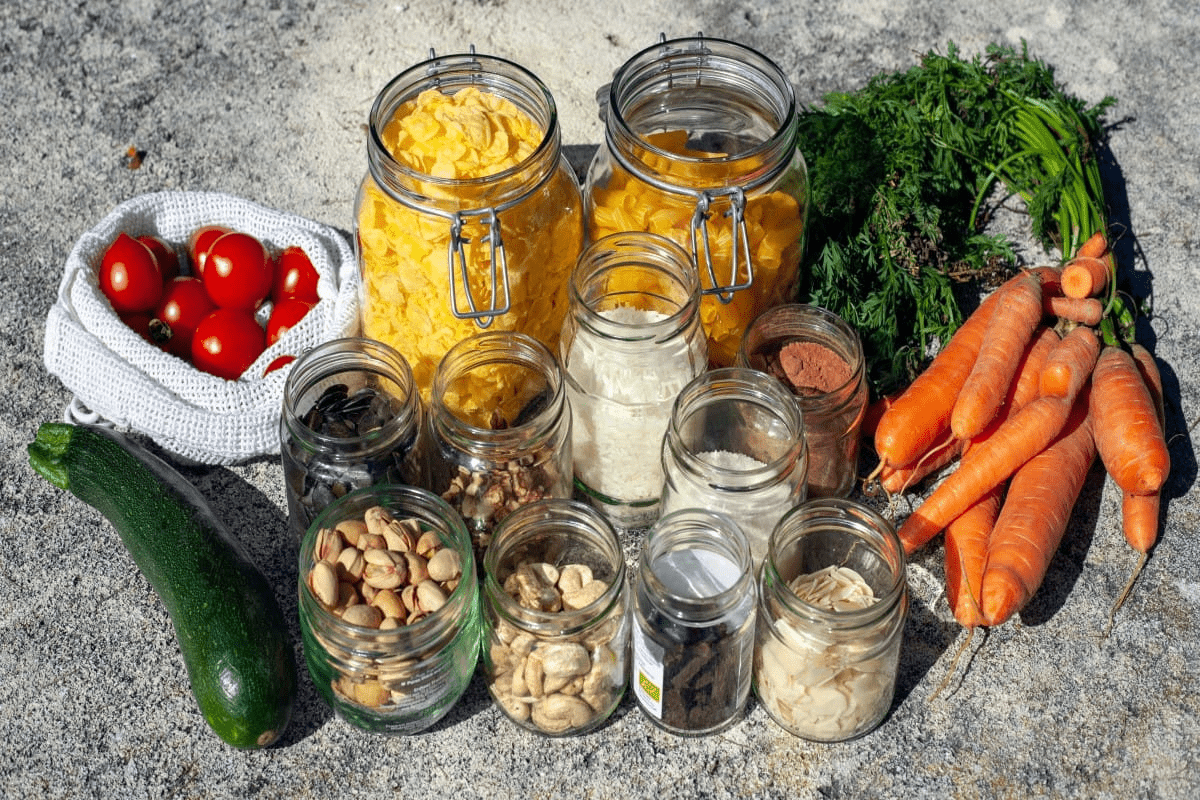
Dried grains like rice, oats, and quinoa are excellent staples because they store well and provide essential carbohydrates. Pasta is similarly reliable and cooks quickly with minimal fuel.
Buy in bulk and seal in airtight containers to keep pests out. These foods become the base of many meals and can be combined with canned or freeze-dried ingredients for variety.
Consider how you’ll cook these—do you have a portable stove or enough water? Planning your cooking setup can make a big difference in an emergency.
Freeze-dried Meals
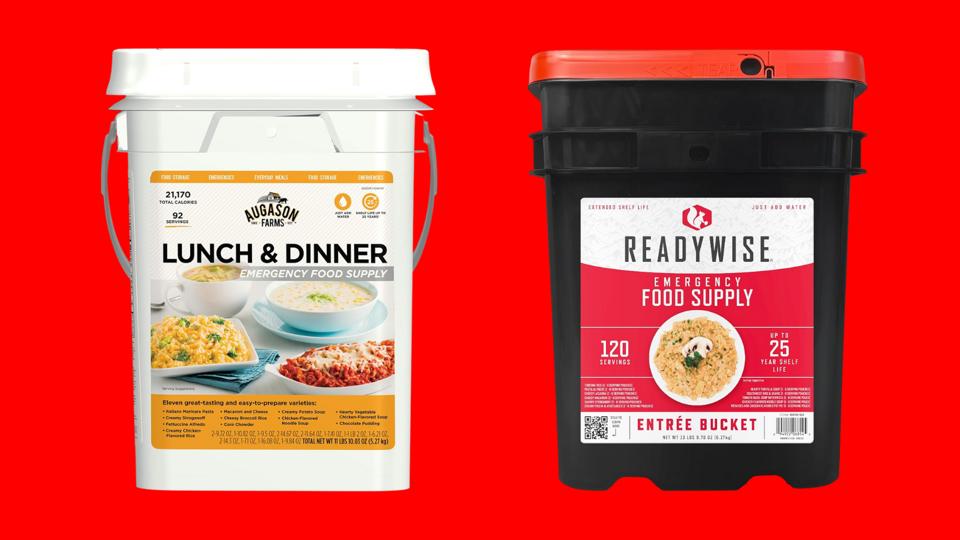
Freeze-dried meals are lightweight, compact, and often only require adding hot water. They are perfect for situations where cooking options are limited.
Many brands offer balanced meals with vegetables, proteins, and carbs, designed to last for years without losing flavor or nutrition.
Have you tried any freeze-dried meals before? Testing them now can help you choose favorites and ensure you like the taste when you need them most.
High-energy Foods
High-energy foods are essential for any emergency food supply. They provide the calories and nutrients your body needs to stay strong and alert during stressful situations. Choosing the right high-energy options can make a big difference in how well you handle unexpected challenges.
Nuts And Seeds
Nuts and seeds pack a powerful punch of energy in a small package. They are rich in healthy fats, protein, and fiber, which help keep you full and energized for longer periods.
Almonds, walnuts, sunflower seeds, and pumpkin seeds are great choices. You can easily snack on them or add them to meals for a quick energy boost. Plus, they have a long shelf life, making them perfect for emergency storage.
Energy Bars
Energy bars are designed to provide a quick and convenient source of fuel. Look for bars with a balance of carbohydrates, protein, and healthy fats to keep your energy steady.
Choose bars made with natural ingredients like oats, nuts, and dried fruits. Avoid those loaded with sugar, as they can cause energy crashes. Keep a variety on hand to suit your taste and nutritional needs.
Nut Butters
Nut butters like peanut, almond, or cashew butter are excellent high-energy foods. They offer concentrated calories and healthy fats, which are vital during emergencies.
You can spread them on crackers, mix into oatmeal, or eat them straight from the jar. Their creamy texture and rich taste make them a comfort food that also fuels your body.
Long-lasting Proteins
Long-lasting proteins are vital in any emergency food supply. They provide the energy and nutrients needed to stay strong and healthy. Choosing proteins that keep well without refrigeration helps maintain a steady food source. These proteins support muscle function and overall health during tough times.
Canned Meats And Fish
Canned meats and fish are practical options for emergencies. They have a long shelf life and require no cooking before eating. Options include chicken, tuna, salmon, and sardines. These foods offer high protein and healthy fats. Their sealed cans protect them from spoilage and contamination.
Dried Beans And Lentils
Dried beans and lentils store well for months or years. They are rich in protein, fiber, and important minerals. Cooking these legumes takes time, but they become soft and tasty. Beans and lentils help keep hunger at bay and maintain energy levels. They are affordable and easy to stock in bulk.
Powdered Eggs
Powdered eggs are a versatile protein source with a long shelf life. They rehydrate quickly for cooking or baking. Powdered eggs contain the same nutrients as fresh eggs. They are ideal for scrambled eggs, omelets, or adding protein to recipes. This product is lightweight and easy to store.
Credit: www.forbes.com
Fruits And Vegetables
Fruits and vegetables are essential for a balanced emergency food supply. They provide vital vitamins, minerals, and fiber that help keep your body functioning well under stress. Choosing the right forms of fruits and vegetables can make a big difference in how long your food lasts and how easy it is to prepare.
Dehydrated Fruits
Dehydrated fruits are lightweight and last for months without refrigeration. They keep most of their nutrients and are easy to snack on or add to meals. Think dried apples, bananas, and berries—these can satisfy your sweet tooth while boosting your energy.
When I packed my emergency kit, I included dehydrated mango slices. They were a lifesaver during a power outage because they didn’t spoil and gave me a quick vitamin boost. Have you tried mixing dehydrated fruits with nuts for a simple trail mix?
Canned Vegetables
Canned vegetables are a practical choice since they stay fresh for years and require no preparation beyond opening the can. Look for low-sodium options to keep your salt intake in check. Popular canned veggies like corn, green beans, and tomatoes can easily complement your meals.
One tip: always have a manual can opener handy. You don’t want to be stuck with cans you can’t open when the power is out. How often do you check expiration dates on your canned goods?
Vegetable Powders
Vegetable powders might sound unusual, but they’re highly convenient. They take up little space and can be added to soups, stews, or smoothies to boost nutrient content. Powdered spinach, carrot, and beetroot are common choices.
Adding just a spoonful of vegetable powder can improve flavor and nutrition without the need for refrigeration. Have you ever tried making a quick vegetable broth with powders? It’s surprisingly tasty and easy to prepare when fresh veggies aren’t available.
Beverages And Hydration
Water is essential for staying hydrated during emergencies. Stock up on bottled water and easy-to-store drinks like juice boxes or electrolyte powders. Avoid sugary or caffeinated beverages that can dehydrate the body.
Beverages and Hydration are crucial components of any emergency food supply list. Staying hydrated is non-negotiable, and having a variety of beverage options can make a significant difference during challenging times. Whether you’re preparing for a natural disaster or simply want peace of mind, understanding what to store for hydration is essential.Water Storage Options
Water is the most critical element for survival. Consider storing a minimum of one gallon per person per day for at least three days. You can use food-grade water storage containers, which are specifically designed to prevent contamination. Don’t overlook the convenience of smaller, portable water filters. They can provide a clean water source when your stored supply runs low.Electrolyte Powders
Electrolyte powders are lightweight, easy to store, and can be lifesavers during an emergency. They help replenish vital salts and minerals lost through sweat, particularly in hot conditions. Packets of electrolyte powders can be mixed with water, providing a refreshing and hydrating drink. They’re especially useful if you’re dealing with limited access to fresh food, which might otherwise supply necessary nutrients.Shelf-stable Milk Alternatives
Dairy products can be hard to store long-term, but shelf-stable milk alternatives are a versatile solution. Options like almond, soy, or oat milk come in packages that don’t require refrigeration until opened. They can be used not only for drinking but also in cooking and baking, making them a valuable addition to your emergency pantry. Always check expiration dates and rotate your stock to keep your supplies fresh. Have you considered what beverage options you would rely on in an emergency? Preparing now can make all the difference later.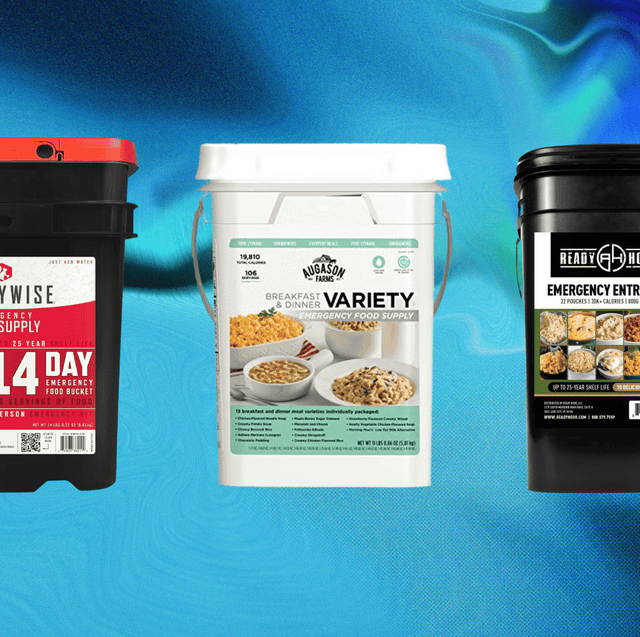
Credit: www.goodhousekeeping.com
Cooking And Preparation Supplies
Having the right cooking and preparation supplies is just as important as stocking up on food for emergencies. Without proper tools, even the best emergency food can become difficult or impossible to prepare. Think about what you’ll need to cook and eat your meals safely and efficiently, especially if electricity or gas is unavailable.
Portable Cooking Devices
Portable cooking devices offer flexibility and convenience during emergencies. A small camping stove or a portable gas burner can make heating food simple and quick. You might also consider a solar oven if you expect to be outdoors for an extended time. These devices don’t take up much space but can be lifesavers when you can’t use your regular kitchen appliances.
Have you ever tried cooking on a single burner stove? It forces you to plan meals carefully and use fewer pots, which can save water and fuel. Choose something that’s easy to clean and reliable under tough conditions.
Fuel Sources
Fuel is often overlooked but critical for cooking during an emergency. Propane, butane, and charcoal are common fuels for portable stoves and grills. Store enough fuel to last several days, but keep it in a safe, ventilated spot away from your living area.
Consider alternative options like alcohol fuel tablets or solid fuel blocks for lightweight and compact energy sources. These can be handy if you need to travel or if traditional fuels run out. Do you know how much fuel your stove consumes per meal? Testing this ahead of time can save you from surprises.
Utensils And Tools
Your cooking tools should be durable and multi-functional. A basic set might include a sharp knife, a can opener, spatula, and a cutting board. Don’t forget heat-resistant gloves for handling hot pots and pans safely.
Look for lightweight, stackable cookware that fits your storage space. A pot with a lid doubles as a frying pan and a container for storing leftovers. What utensils would you miss most if you had only five items to cook and eat with? Choosing wisely can make your emergency cooking experience much smoother.
Special Dietary Needs
Special dietary needs require careful planning for emergency food supplies. Not everyone can eat the same foods, especially during a crisis. Preparing for gluten intolerance, allergies, or age-related nutrition helps keep everyone safe and healthy.
Gluten-free Options
Gluten-free foods are essential for people with celiac disease or gluten sensitivity. Choose items like:
- Rice and quinoa
- Gluten-free oats
- Canned beans and lentils
- Gluten-free pasta
- Nut butters and seeds
Check labels carefully to avoid hidden gluten. Store these foods in airtight containers for freshness.
Allergy-friendly Foods
Common allergies include nuts, dairy, and shellfish. Safe emergency foods include:
- Fresh and dried fruits
- Vegetables
- Rice cakes
- Sunflower seed butter
- Allergen-free canned goods
Always read ingredient lists. Avoid cross-contamination by using separate storage.
Infant And Elderly Nutrition
Infants and elderly adults have special nutritional needs. Include:
- Baby formula and baby food jars
- Soft, easy-to-chew foods
- High-calorie snacks for energy
- Hydrating liquids like juice or broth
- Vitamins and supplements if recommended
Rotate these supplies regularly to keep them fresh and safe.
Storage Tips
Storing your emergency food supplies correctly can make all the difference when you need them most. Poor storage can lead to spoilage, waste, and even health risks. Paying attention to how you package, control temperature, and manage expiration can extend the life of your food and keep it safe.
Proper Packaging
Choose airtight containers or vacuum-sealed bags to keep moisture and air out. Moisture invites mold, while air speeds up spoilage. Consider using Mylar bags with oxygen absorbers for dry goods like rice, beans, and pasta.
Label each package clearly with contents and packing date. This small step helps you track what you have and plan usage effectively. Avoid using containers that can break or rust.
Temperature Control
Store your emergency food in a cool, dark place away from heat sources. Higher temperatures can shorten shelf life dramatically. Ideally, keep your supplies below 75°F (24°C) to maintain quality.
If you live in a hot climate, a basement or a climate-controlled closet can work well. Avoid storing food in places with temperature fluctuations, like garages or attics, because they can cause condensation and spoilage.
Rotation And Expiry Management
Use the “first in, first out” rule to rotate your food stock. Always consume the oldest items before newer ones. This prevents waste and ensures you’re not left with expired food during emergencies.
Keep a simple inventory list to track expiration dates and quantities. Regularly check for any signs of damage or spoilage. Have you ever found expired cans hidden in the back of your pantry? Regular checks can save you from that surprise.

Credit: www.nytimes.com
Frequently Asked Questions
What Are The Best Non-perishable Emergency Foods?
Best non-perishable emergency foods include canned beans, rice, pasta, peanut butter, and dried fruits. These items last long and provide essential nutrients during emergencies.
How Much Emergency Food Should I Store Per Person?
Store at least a three-day supply of food per person. Ideally, keep a two-week supply for longer emergencies to ensure sufficient nutrition.
Which Foods Provide The Most Energy In Emergencies?
High-calorie foods like nuts, granola bars, and peanut butter provide quick energy. They are compact, easy to store, and help maintain energy levels.
Can I Store Fresh Produce For Emergencies?
Fresh produce has a short shelf life and isn’t ideal for long-term storage. Opt for canned, dried, or frozen fruits and vegetables instead.
Conclusion
Choosing the right emergency food helps keep you safe and strong. Focus on items that last long and are easy to prepare. Include a mix of proteins, grains, and fruits. Store water and snacks for quick energy. Rotate your supplies to keep them fresh.
Planning ahead reduces stress during tough times. Stay ready, stay calm, and protect your family. Simple steps make a big difference in emergencies.