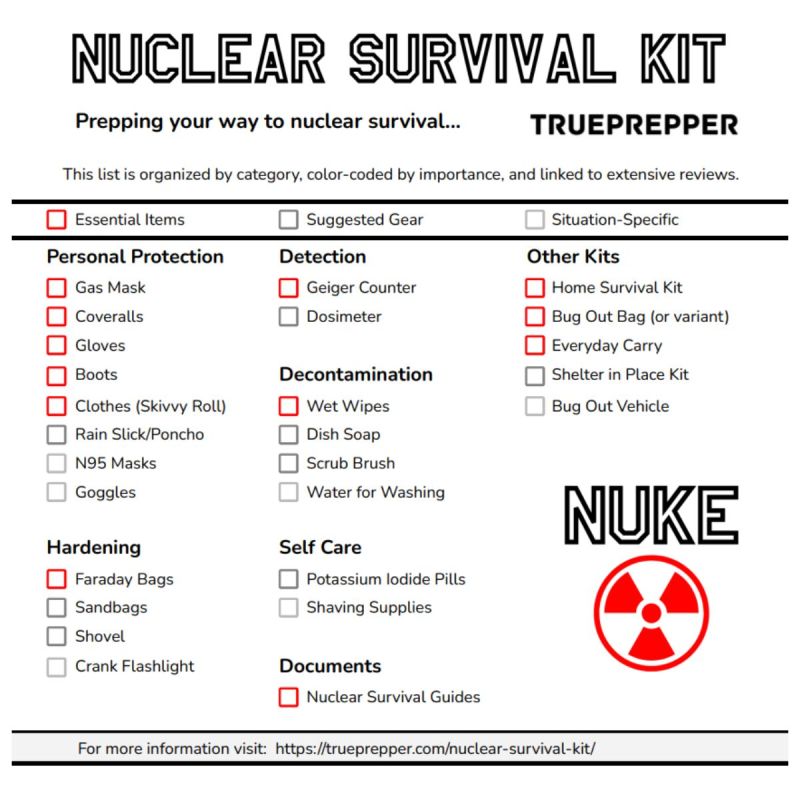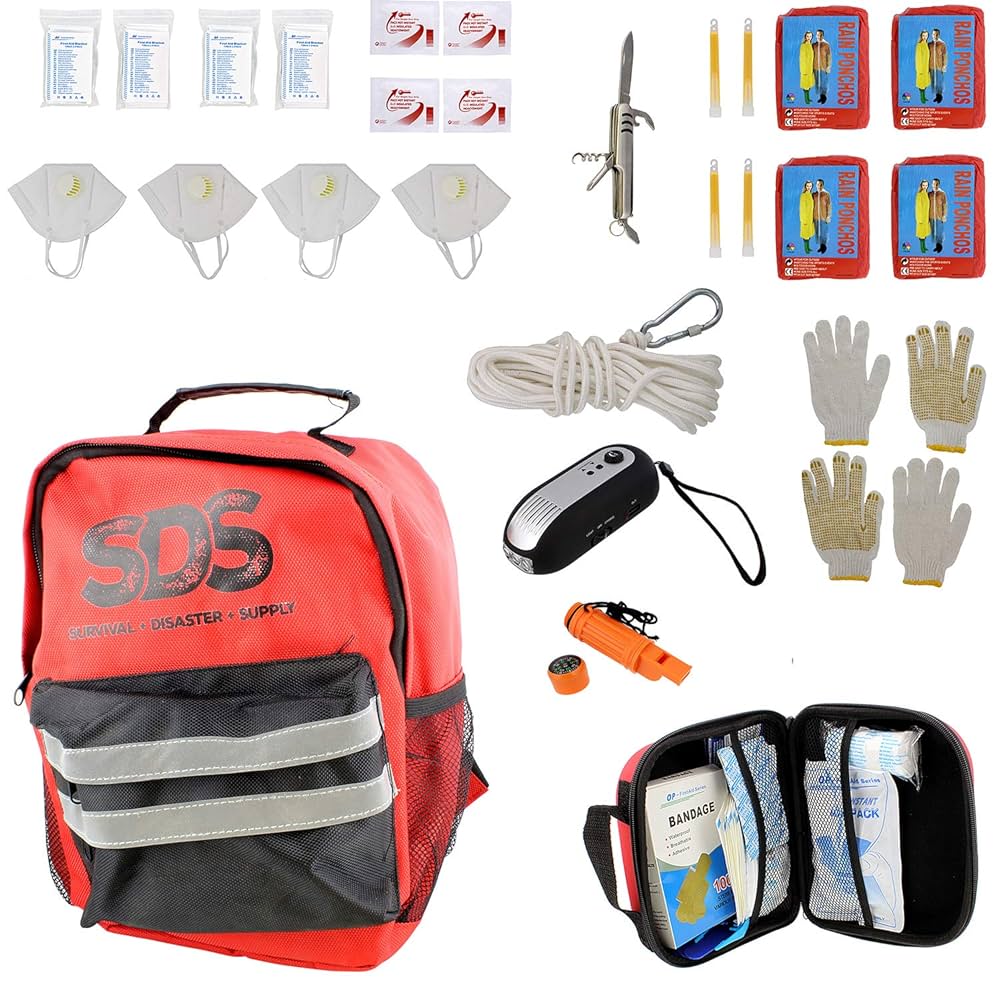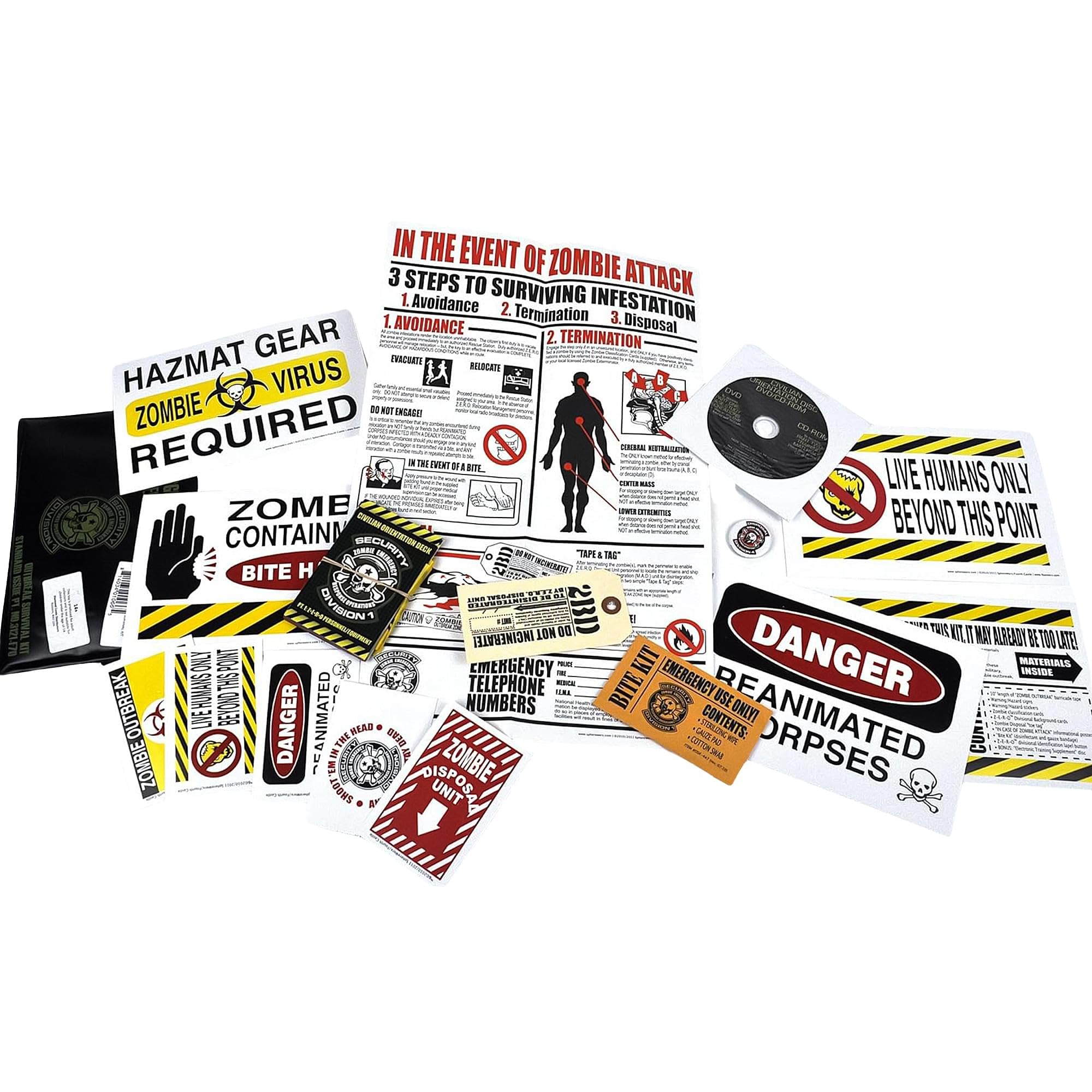
Imagine the world around you suddenly turning chaotic, with zombies roaming the streets. What would you do?
Having the right items in your zombie survival kit could be the difference between staying safe and facing danger. You might think it’s just a fun idea, but preparing now can sharpen your instincts and keep you ready for any emergency.
In this post, you’ll discover exactly what goes in a zombie survival kit—simple, essential tools that could save your life. Keep reading, because what you learn here could make all the difference when it matters most.

Credit: www.amazon.com
Basic Survival Tools
Basic survival tools form the foundation of any zombie survival kit. These items help with daily tasks and emergency situations. They must be reliable, easy to carry, and versatile. The right tools can save time, effort, and even lives during a crisis.
Multi-tool And Knife
A multi-tool combines several useful devices in one compact piece. It often includes pliers, screwdrivers, and scissors. A sturdy knife is essential for cutting, preparing food, and self-defense. Choose blades made from strong, rust-resistant steel. Look for a folding design to keep it safe and easy to carry.
Fire Starters
Fire provides warmth, light, and a way to cook food. Reliable fire starters help create fire quickly in tough conditions. Waterproof matches, lighters, and ferro rods work well. Keep multiple types to ensure you can start a fire no matter the weather. Store them in a dry, easy-to-reach container.
Flashlights And Batteries
Light sources are vital when darkness falls or power fails. Choose LED flashlights for bright, long-lasting light. Compact, durable models work best for survival kits. Carry extra batteries to avoid running out of power. Rechargeable batteries are eco-friendly but keep spare disposable ones as backup.

Credit: medium.com
Food And Water Supplies
Food and water are the backbone of any zombie survival kit. Without reliable supplies, your chances of lasting through a crisis drop sharply. You need to think about what you can store easily, carry when necessary, and prepare quickly under pressure.
Non-perishable Food Items
Choose foods that last long without refrigeration. Canned beans, dried fruits, and nuts are great because they pack a lot of energy and nutrients. Think about items you actually enjoy eating—this makes a tough situation a little easier.
Don’t forget protein sources like canned tuna or jerky. They keep well and provide the stamina you’ll need to stay alert. Also, include some comfort snacks; they boost morale when things get rough.
Water Storage And Purification
Water is heavier and bulkier than food, but you can’t survive without it. Store at least one gallon per person per day. Use sturdy containers like BPA-free bottles or collapsible water bags to save space.
Purifying water is essential if your supply runs out. Pack water purification tablets or a compact filter system. These tools can turn questionable water into safe drinking water, which might save your life.
Portable Cooking Gear
Having the ability to cook food and boil water adds a huge safety net. A small camping stove or a lightweight portable burner can make a difference. They’re easy to set up and use even in unstable conditions.
Don’t forget a durable pot and basic utensils. You want gear that won’t break when you need it most. Can you imagine trying to cook without the right tools? It’s frustrating and wastes precious time.
First Aid And Medical Supplies
Having the right first aid and medical supplies in your zombie survival kit can make the difference between a minor inconvenience and a life-threatening situation. Injuries and infections will be common challenges, so preparing ahead is crucial. Your kit should be compact but comprehensive, ready to handle everything from cuts to more serious wounds.
Basic First Aid Kit
A basic first aid kit is your frontline defense against injuries. It should include:
- Adhesive bandages in various sizes for small cuts and scrapes
- Sterile gauze pads and adhesive tape to cover larger wounds
- Antiseptic wipes and ointments to prevent infection
- Scissors and tweezers for removing debris or cutting bandages
- Disposable gloves to keep infections from spreading
Think about how often you’ve had a minor cut and wished you had a bandage handy. In a survival situation, these small items become essential tools to keep you moving.
Medications And Antibiotics
Medications can’t be overlooked. Pain relievers like ibuprofen or acetaminophen will help you manage pain and reduce fever. Including a supply of broad-spectrum antibiotics can prevent infections from turning deadly.
Don’t forget any personal prescription medications you need daily. Imagine being stuck without your essential meds—it’s a risk you don’t want to take. Also, consider adding anti-diarrheal medicine and allergy relief to your kit.
Personal Hygiene Items
Keeping clean might seem low priority during a zombie apocalypse, but it’s vital to stay healthy. Items like soap, hand sanitizer, and toothbrushes help prevent illness. Even simple things like feminine hygiene products or dental floss can make a big difference to your comfort and health.
Have you ever noticed how quickly sickness spreads when hygiene is neglected? Your survival kit should help you maintain cleanliness even when water and resources are limited.
Clothing And Protection
Clothing and protection form the backbone of your zombie survival kit. Your choice of apparel can mean the difference between injury and safety. It’s not just about looking tough—it’s about staying alive and comfortable in unpredictable conditions.
Durable Clothing
Durability matters more than style when you face constant hazards. Opt for thick fabrics like denim or canvas that resist tears and abrasions. Clothes with reinforced stitching and double layers can protect you from scratches and bites.
Think about pants with knee pads or shirts with elbow patches to shield vulnerable spots. Have you ever experienced a sudden trip or fall? Durable clothing cushions those impacts and prevents nasty cuts.
Protective Gear
Protective gear isn’t optional—it’s essential. Gloves guard your hands against cuts and infections, while sturdy boots protect your feet from debris and rough terrain. Don’t forget a helmet or at least a hard hat to shield your head from falling objects or unexpected zombie strikes.
Adding a face mask or goggles can keep your eyes and respiratory system safe from dust, blood, or airborne contaminants. Picture yourself running through a ruined city—would you want debris or splatter hitting your face?
Weather-appropriate Apparel
Weather changes fast, and your clothing needs to keep up. Layering is your best strategy: base layers wick moisture, middle layers provide insulation, and outer layers block wind and rain. In cold climates, thermal underwear and waterproof jackets become lifesavers.
In hot zones, breathable fabrics and sun protection prevent heatstroke and dehydration. How prepared are you for sudden storms or extreme heat during your survival journey? Tailoring your clothing to the environment helps maintain stamina and focus.
Weapons And Defense
Your survival kit isn’t complete without the right weapons and defense tools. These items can protect you from threats and give you confidence in uncertain situations. Picking the right gear means balancing effectiveness, ease of use, and what you can realistically carry.
Melee Weapons
Melee weapons are silent, reliable, and don’t require ammo. A sturdy knife or a crowbar can serve multiple purposes, from self-defense to prying open doors. Think about a baseball bat or a tactical baton—they’re easy to handle and effective at keeping threats at a distance.
Have you considered the weight and size of your melee weapon? You want something compact enough to carry but strong enough to defend yourself. Remember, training with your chosen weapon improves your chances in a real encounter.
Firearms And Ammunition
Firearms offer powerful defense, but they come with responsibility and limitations. You need to choose guns that you can handle comfortably and maintain easily. A reliable handgun or a lightweight rifle often fits well into a survival kit.
Ammo management is just as important. Carry enough rounds, but don’t overload yourself. Consider the availability of ammo for your chosen firearm in your area—will you be able to find more if you run out?
Improvised Defense Tools
Improvised tools can be lifesavers when standard weapons aren’t available. Everyday objects like keys, belts, or even pens can be turned into effective defense items. A belt with a heavy buckle can deliver a strong strike, while keys held between fingers make a simple but sharp weapon.
Think about what you carry daily—could these items serve double duty in a crisis? Practicing how to use these tools increases your chances of defending yourself when nothing else is at hand.
Communication And Navigation
Communication and navigation tools are essential parts of any zombie survival kit. In a crisis where technology might fail, having reliable ways to send messages and find your way can mean the difference between safety and danger. These tools help you stay connected with your group and navigate unfamiliar territory effectively.
Radios And Signal Devices
Radios are your lifeline when cell phones lose service. Handheld two-way radios, especially those with a good range, allow you to communicate silently over long distances. Look for models with weather resistance and long battery life to keep contact open even in tough conditions.
Signal devices like flares or LED beacons can attract attention when you’re in trouble. They don’t rely on networks, so they work even if all else fails. Keep a few of these handy for emergency signaling, especially during night operations or low-visibility situations.
Maps And Compass
Digital maps are useful but can fail without power or signal. Physical maps, paired with a reliable compass, give you a backup plan to navigate safely. Make sure your maps cover your local area and any regions you might travel through.
Practice reading maps and using a compass before you need them. It’s easy to overlook this skill until you’re lost. Do you know how to triangulate your position? Learning this could save you hours of wandering in a dangerous environment.
Emergency Whistles
Emergency whistles are small but powerful tools. Their piercing sound can alert others to your location without draining batteries. Carry a whistle on a lanyard for quick access, especially if you become separated from your group.
Whistles are also useful to scare off wildlife or zombies by creating sudden noise. It’s a simple device, but it can make a huge difference in tense moments. Have you tested how far your whistle’s sound carries in different environments?
Shelter And Comfort Items
Having reliable shelter and comfort items in your zombie survival kit is crucial. These essentials protect you from harsh weather and offer a safe space to rest. Comfort doesn’t just mean physical ease—it can boost your morale and keep your mindset strong when things get tough.
Tents And Tarps
A sturdy tent can be your first line of defense against the elements and wandering zombies. Look for tents that are lightweight yet durable, easy to set up, and offer good ventilation. If a tent feels too bulky, a tarp is a versatile alternative—you can use it as a shelter, ground cover, or rain catchment.
Think about your environment. In rainy areas, waterproof tarps with reinforced grommets will serve you better. Have you tested your tarp setup under windy conditions? That quick test can save you from a sleepless night.
Sleeping Bags And Blankets
Quality sleeping bags designed for various temperatures ensure you stay warm during cold nights. Choose bags with insulation that matches your climate zone—too light, and you’ll shiver; too heavy, and you’ll overheat. Blankets add an extra layer of warmth or comfort, and wool or thermal blankets work well.
Remember, your sleep quality impacts your alertness and survival skills. A poorly chosen sleeping bag can leave you vulnerable. When was the last time you tested your sleeping gear outside your home?
Comfort And Morale Boosters
In stressful survival situations, small comfort items can make a big difference. Include a few personal items like a favorite book, a deck of cards, or photos to remind you of home. These help reduce anxiety and keep your spirits high.
Consider also practical comfort items such as a compact pillow or earplugs to block out noise. How might a little mental comfort improve your decision-making in a crisis? Don’t overlook morale—it’s a survival tool on its own.
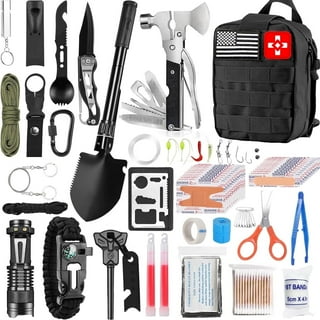
Credit: www.walmart.com
Additional Survival Gear
Additional survival gear can make a huge difference when you face unexpected challenges during a zombie outbreak. These items often serve multiple purposes, giving you more options to stay safe and comfortable. Think about gear that helps you fix, secure, or improvise—because in a survival situation, adaptability is key.
Paracord And Rope
Paracord is one of the most versatile tools you can carry. It’s strong, lightweight, and can be used for building shelters, making traps, or even as a makeshift tourniquet. Rope, especially durable types like nylon, adds extra length and strength for climbing or securing heavy loads.
Once, I used paracord to repair a torn backpack strap on the spot. It saved me from carrying the pack by hand for miles. Can you imagine being stuck without a way to tie things down or create a shelter?
Duct Tape And Repair Kits
Duct tape might seem simple, but its uses in survival are endless. From patching holes in clothing or tents to creating makeshift bandages, this sticky strip can save your gear and your skin. A small repair kit with needles, thread, and patches complements duct tape perfectly.
During a weekend hiking trip, a friend’s boot sole started peeling off. A few wraps of duct tape held it together until we got back. What would you do if your shoes or clothes started falling apart during a crisis?
Miscellaneous Useful Items
- Safety pins:Great for quick fixes and securing bandages.
- Zip ties:Strong and easy to use for fastening gear or creating restraints.
- Small mirror:Useful for signaling help or checking hard-to-see areas.
- Fishing line and hooks:Lightweight and handy for catching food.
- Multi-tool:Combines scissors, pliers, knives, and more in one compact device.
These smaller items often go unnoticed but can become essential when you need to improvise. What small tool would you never want to be without in a survival scenario?
Frequently Asked Questions
What Items Are Essential In A Zombie Survival Kit?
A zombie survival kit should include non-perishable food, water, a first-aid kit, and a flashlight. Add a map, a compass, and a multitool for navigation and repairs. Ensure you have extra batteries, a fire starter, and sturdy shoes for mobility.
Don’t forget personal items like medications and identification.
How Can I Keep Food Fresh In A Zombie Apocalypse?
Choose non-perishable foods like canned goods, dried fruits, and nuts. Store them in airtight containers to preserve freshness. Rotate your stock every six months. Consider dehydrated meals for easy preparation. Keep food supplies in a cool, dry place away from direct sunlight to maintain quality.
Why Is A First-aid Kit Important In A Survival Kit?
A first-aid kit is vital for treating injuries and preventing infections. It should include bandages, antiseptic wipes, and pain relievers. Add tweezers, scissors, and adhesive tape for versatility. First-aid knowledge can save lives during emergencies. Regularly check and replenish expired items to ensure readiness.
What Tools Help With Zombie Defense?
Essential tools include a sturdy knife, a tactical flashlight, and a whistle. A baseball bat or crowbar offers defensive capabilities. Consider a portable radio for communication. Keep your tools in good condition and practice using them. Remember, avoiding conflict is often the safest strategy in a zombie apocalypse.
Conclusion
A good zombie survival kit keeps you ready and safe. Pack food, water, and first aid supplies. Don’t forget tools, weapons, and extra clothes. Keep your kit light but complete. Check it often and update items as needed. Stay calm and prepared.
That can make all the difference. Survival is about being smart and ready. Your kit helps you do just that.