Imagine having a simple tool that could help you stay hydrated and even assist in emergency situations when you’re out in the wild. What if you could create this tool yourself, using just a few everyday items?
You will learn how to make a segmented drinking straw survival kit that’s compact, easy to carry, and incredibly useful. Whether you’re an outdoor enthusiast or just want to be prepared for unexpected moments, this guide is designed with you in mind.
Keep reading, and you’ll discover how to build your own survival kit that could make a real difference when you need it most.
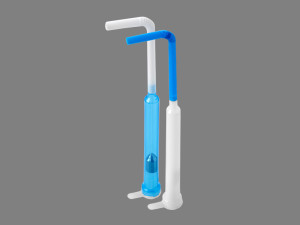
Credit: bionix.com
Materials Needed
Gathering the right materials is key to building a segmented drinking straw survival kit that’s both practical and reliable. You want items that are durable, lightweight, and easy to carry. Think about what you’ll actually need in an emergency and how each component will serve a purpose.
Choosing The Right Straws
Not all straws are created equal. Aim for straws made from sturdy plastic or metal segments that can be connected and disconnected easily. These types allow you to adjust the length and use them for different survival tasks, like filtering water or signaling.
Consider straws that are food-grade and BPA-free to avoid contamination. Also, having a variety of sizes can come in handy. Have you ever thought about how a simple straw could double as a tool in survival situations?
Additional Survival Tools
Beyond straws, include small, essential survival items that fit inside or attach to the kit. Items like a mini compass, fire starter, fishing line, or small knife can transform your kit from basic to lifesaving.
These extras don’t add much weight but greatly increase your chances in the wild. What small tool do you think would be the most useful in an unexpected emergency?
Packaging Supplies
To keep everything organized and protected, choose compact, waterproof containers or pouches. Ziplock bags, small plastic cases, or even repurposed pill containers work well.
Make sure the packaging is easy to open but secure enough to prevent items from falling out. Think about how you’ll carry your kit—does it fit comfortably in your backpack or pocket?
Preparing The Straws
Preparing the straws is a key part of creating a segmented drinking straw survival kit. This step ensures each straw piece fits perfectly and stays clean. Proper preparation helps the kit last longer and work better in emergencies.
Cutting To Size
Start by cutting the straws into short segments. Each piece should be about 3 to 4 inches long. Use sharp scissors or a craft knife for clean cuts. Avoid jagged edges that can cause injury or block water flow.
Cut multiple straws to create enough segments for the kit. Keep the sizes consistent for easy assembly later.
Cleaning And Sterilizing
Clean the straw segments before use. Rinse them in warm, soapy water to remove dust and dirt. Use a small brush to clean inside each piece thoroughly.
After washing, sterilize the segments by boiling them in water for 5 minutes. Let them dry completely on a clean towel to avoid mold growth.
Assembling Segments
Connect the straw pieces by fitting one end into another. Test the fit to make sure they hold tight without gaps. Use a small amount of waterproof tape around joints for extra security.
Arrange segments so the kit can extend or collapse easily. This design allows for compact storage and quick use in survival situations.
Incorporating Survival Features
Adding survival features to your segmented drinking straw kit transforms it from a simple tool into a versatile lifesaver. These features enhance your ability to secure clean water, start a fire, and signal for help—essentials in any emergency. Think about what you might need if you were stranded and how each small addition could make a big difference.
Adding Water Filtration
Clean water is your top priority in survival situations. You can add a small, portable water filter element inside one of the straw segments. These mini filters remove harmful bacteria and sediments, making water safe to drink straight from natural sources.
Look for compact filters made for hiking or camping—they fit well and don’t add much weight. This way, your straw isn’t just for sipping; it becomes a life-saving hydration tool.
Including Fire Starting Tools
Fire provides warmth, cooking options, and a morale boost. Attach a tiny fire starter, like a ferrocerium rod, to one segment of your straw kit. It should be easy to strike and durable enough to last through several uses.
Keep some waterproof matches or a small flint striker tucked inside another segment. This setup ensures you have multiple options to ignite a fire when you need it most.
Integrating Signaling Devices
Being found quickly can save your life. Inside one straw segment, include a small whistle or a mirror piece for signaling. These tools help you attract attention without shouting or exerting extra energy.
Consider adding a tiny LED light powered by a button cell battery. It’s lightweight and can be a beacon in low-light conditions, increasing your chances of rescue.

Credit: www.youtube.com
Packaging The Kit
Packing your segmented drinking straw survival kit carefully keeps all parts ready and safe. Proper packaging stops damage and helps you find items fast. It protects your kit from weather and rough use. Follow these tips to pack your kit smart and strong.
Choosing A Durable Container
Select a container that resists drops and moisture. Plastic or metal cases work best. Look for a container with a tight lid to keep dirt out. Small tackle boxes or waterproof cases fit well. The container should be light but tough for easy carrying.
Organizing Components
Keep all parts neat inside the container. Use small bags or compartments to separate pieces. Group similar items together, like straws in one section. Label compartments for quick access. Avoid loose parts that can get lost or tangled.
Sealing For Waterproofing
Water can ruin your survival kit quickly. Use silicone sealant or rubber gaskets on the container’s lid. Wrap sensitive parts in plastic bags before placing them inside. Test the container by submerging it briefly in water. Ensure no water leaks before final use.
Using The Straw Kit
Using your segmented drinking straw survival kit effectively can make a significant difference in staying hydrated during emergencies. It’s not just about having the tool but knowing how to use it safely and maintain it properly. Here’s how to get the most from your straw kit, ensuring it serves you well when you need it the most.
Safe Drinking Techniques
Always check the water source before drinking. Avoid stagnant water and opt for flowing streams or collected rainwater when possible.
Insert the straw deep enough to reach the cleanest layer of water, usually below surface debris. This helps reduce the risk of contaminants entering your system.
Use a slow, steady sip rather than gulping. This prevents choking and helps you monitor the taste and quality of the water.
Maintenance And Cleaning
After each use, rinse the straw segments with clean water to remove any dirt or particles. If possible, use a mild soap and a small brush to scrub inside.
Disassemble the kit regularly to air dry each piece thoroughly. Moisture trapped inside can breed bacteria or mold, which defeats the purpose of the kit.
Store your straw kit in a dry, sealed container to protect it from dust and damage. Treat it like any other essential survival tool that needs care.
Emergency Tips
If you find yourself without a reliable water source, use your straw kit alongside a portable water purifier or chemical tablets. The straw alone does not filter out all pathogens.
Keep extra segments handy in case one breaks or gets lost. It’s better to be prepared with spares than to improvise under pressure.
Remember, staying calm and methodical in an emergency improves your chances of survival. Take your time with the straw kit and stay aware of your surroundings while hydrating.
Customizing Your Kit
Customizing your segmented drinking straw survival kit makes it truly yours. It allows you to prepare for the exact challenges you expect to face. Tailoring your kit increases your chances of staying hydrated and safe in any situation.
Adjusting For Different Environments
Think about where you’ll use your kit most. Hot, dry areas might require a hydration filter that can handle dust and sand better. In colder regions, adding insulated segments can help prevent freezing.
Water sources vary by location, too. If you’re near freshwater streams, a basic filter might work. But in urban or polluted areas, you might need advanced purification tablets or UV sterilizers in your kit.
Adding Personal Items
Your kit should reflect your unique needs. If you have allergies, include an emergency antihistamine. If you’re prone to headaches, a small pack of pain relievers can be a lifesaver.
Don’t forget comfort items like a compact lip balm or a mini towel to wipe condensation. These small touches make your survival experience more manageable and less stressful.
Upgrading Components
Over time, you might find some parts of your straw less effective. Upgrading to sturdier, food-grade materials can extend your kit’s lifespan. You could replace plastic connectors with silicone seals to prevent leaks.
Advanced filters or modular attachments can also improve water quality and flow rate. Are you ready to invest in components that not only work but last longer and perform better?

Credit: www.frizzlife.com
Frequently Asked Questions
What Is A Segmented Straw Survival Kit?
A segmented straw survival kit is a compact, portable emergency kit. It’s made using drinking straws divided into sections. Each section can hold small survival items like matches, fishing lines, or medicine. This DIY kit is lightweight and easy to carry, making it ideal for outdoor adventures.
How Do You Seal Straw Segments?
To seal straw segments, you use heat. After filling the straw with items, melt the ends with a lighter. Press the melted ends together using pliers to create a tight seal. This method ensures the contents stay secure and dry, protecting them from the elements.
What Items Fit In A Straw Survival Kit?
Small items like matches, fishing line, and needles fit in a straw survival kit. You can also include medications, salt, and antiseptic wipes. Choose items based on your specific survival needs. Ensure each item is compact and essential for emergency situations.
Are Straw Survival Kits Waterproof?
Yes, straw survival kits are waterproof when sealed properly. Heat-sealing the straw ends creates a watertight barrier. This keeps the contents dry, even in wet conditions. It’s crucial for ensuring the survival items remain usable when needed in emergencies.
Conclusion
Making a segmented drinking straw survival kit is simple and useful. It helps you stay prepared for emergencies. You can carry it easily anywhere you go. Each part has a clear purpose and fits well together. This kit saves space and keeps tools organized.
Try building your own kit today. Stay safe and ready for unexpected situations. Small steps like this make a big difference. Keep learning and improving your survival skills. You never know when this kit might help you.