Imagine having everything you need to stay safe and prepared right at your fingertips. Building a mini survival kit can give you that peace of mind.
Whether you’re heading out for a quick hike, facing unexpected emergencies, or just want to be ready for anything, your kit can make all the difference. You’ll discover simple steps to create a compact, powerful survival kit that fits in your pocket or backpack.
Keep reading, and you’ll be ready to handle surprises with confidence and ease.

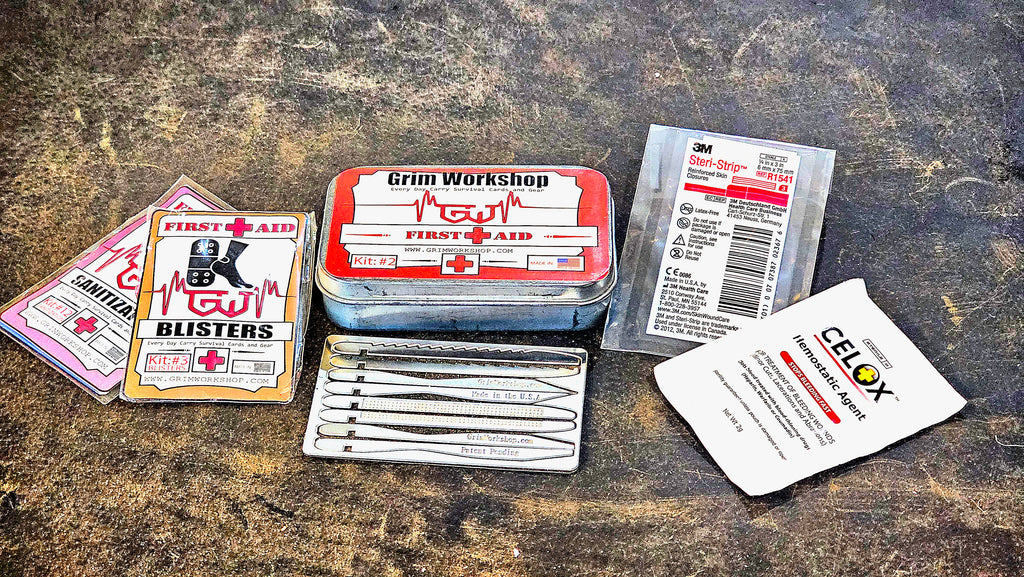
Credit: grimworkshop.com
Choosing The Right Container
Choosing the right container for your mini survival kit is more important than you might think. It affects how easily you can carry your kit, how well it protects your gear, and how quickly you can access your supplies. The container needs to balance size, durability, and protection without adding unnecessary weight.
Compact And Durable Options
Your container should fit comfortably in your pocket, backpack, or glove box without taking up too much space. Look for cases designed specifically for outdoor use, such as small ammo boxes, sturdy plastic pill organizers, or metal tins. These containers can handle bumps and drops while keeping your items organized.
Think about how you will carry your kit daily. A bulky box might protect your gear but could discourage you from bringing it along. On the other hand, a slim, hard-shell case can slide into your pocket without hassle, making it more likely you’ll have your survival essentials when needed.
Waterproof And Lightweight Materials
Water can ruin your survival items faster than any other threat. Choose containers made from waterproof materials like ABS plastic, aluminum, or even silicone sealed cases. This ensures your matches stay dry, your bandages don’t get soggy, and your electronics remain safe.
Weight matters too. You don’t want your container to add unnecessary bulk or slow you down. Lightweight materials such as high-grade plastic or thin aluminum strike the right balance, keeping your kit ready for action without weighing you down.
Essential Survival Tools
Essential survival tools form the backbone of any mini survival kit. These tools help you manage basic needs like fire, cutting, and navigation. Choosing the right tools can make a big difference during emergencies. Focus on compact, lightweight items that offer multiple uses. Each tool should be reliable and easy to use under stress.
Fire Starters And Lighting
Fire is crucial for warmth, cooking, and signaling. Include a variety of fire starters to ensure success. Waterproof matches, a lighter, and a ferrocerium rod work well together. Carry small candles or a compact flashlight for light. Batteries should be extra and stored safely. Light sources help you move safely at night.
Cutting And Repair Tools
Cutting tools serve many purposes like preparing food and making shelter. A small folding knife is essential. Choose one with a strong, sharp blade. A multi-tool adds value with pliers, screwdrivers, and scissors. Carry duct tape or strong cord for quick repairs. Keep tools clean and sharp for better performance.
Navigation Aids
Navigation keeps you on track and prevents getting lost. A small compass fits well in a mini kit. Learn to use it before an emergency happens. Include a simple map of your area if possible. A whistle can help signal your position. These aids improve your chances of finding help fast.
Basic First Aid Supplies
Basic first aid supplies are the core of any mini survival kit. These items help treat injuries fast. They stop bleeding, reduce pain, and prevent infections. Having the right supplies can save a life or avoid serious complications.
Choose items that are small, light, and easy to use. Focus on essentials that cover most common injuries. Keep everything organized and ready to reach in seconds.
Wound Care Essentials
- Adhesive bandages in various sizes for small cuts
- Sterile gauze pads to cover larger wounds
- Antiseptic wipes to clean dirt and germs
- Adhesive tape to secure bandages and gauze
- Antibiotic ointment to prevent infection
- Small scissors to cut tape and gauze
- Tweezers for removing splinters or debris
Medications And Pain Relief
- Pain relievers like acetaminophen or ibuprofen
- Antihistamine tablets for mild allergic reactions
- Anti-diarrheal medication for stomach issues
- Oral rehydration salts to prevent dehydration
- Burn cream or aloe gel for minor burns
Allergy And Emergency Items
- Epinephrine auto-injector for severe allergic reactions
- Medical gloves to protect yourself and others
- CPR face shield for safe resuscitation
- Instant cold packs to reduce swelling
- Emergency blanket for shock or cold weather

Credit: www.youtube.com
Food And Water Solutions
Food and water are the foundation of any survival kit. Without them, staying safe and healthy becomes difficult. Choosing the right food and water solutions keeps you prepared for emergencies. Prioritize items that are easy to carry, store, and consume. Focus on items that last long and provide good nutrition.
Portable Water Filters
Portable water filters remove harmful bacteria and parasites from water. They make natural water sources safe to drink. Many filters are small and lightweight. Some use pump action, others use straws or gravity. Choose a filter that is easy to use and clean. Filters with replaceable cartridges last longer.
Non-perishable Snacks
Non-perishable snacks provide energy without refrigeration. Look for high-calorie foods with a long shelf life. Examples include:
- Energy bars
- Jerky
- Nuts and seeds
- Dried fruits
- Hard candies
Choose snacks that resist moisture and crush damage. Packaging should be compact and resealable.
Water Storage Options
Water storage is essential for emergencies without natural water nearby. Use durable, leak-proof containers. Options include:
- Collapsible water bottles
- Small plastic jugs
- Reusable metal flasks
- Water pouches with spouts
Store water in a cool, dark place. Rotate stored water every six months to keep it fresh.
Clothing And Shelter Items
Clothing and shelter items protect you from harsh weather during emergencies. These essentials keep your body warm and dry. They also help reduce the risk of hypothermia and other cold-related illnesses. Packing compact and lightweight gear is important. This ensures your mini survival kit stays easy to carry.
Thermal Blankets And Ponchos
Thermal blankets are thin, lightweight, and trap body heat. They reflect your body warmth back to you. Ponchos serve as rain protection and windbreakers. Both are small and fit easily inside a survival kit. They provide quick shelter from cold and wet conditions.
Compact Shelter Materials
Compact shelter materials include small tarps or emergency tents. These items shield you from wind, rain, and snow. Look for waterproof and tear-resistant fabrics. They can be set up fast and folded into a small size. Shelter materials increase your chances of staying dry and safe.
Extra Clothing Layers
Extra clothing layers help regulate body temperature. Pack items like wool socks, gloves, and hats. Choose lightweight and warm fabrics such as fleece or merino wool. Layers can be added or removed depending on the weather. Keeping dry and warm is easier with extra clothing.
Personal Safety And Communication
Personal safety and communication are the cornerstones of any effective mini survival kit. When you’re in an emergency, being able to signal for help and protect yourself can make all the difference. Your kit should include tools that help you stay connected and secure, even in unexpected situations.
Whistles And Signal Devices
A loud whistle is one of the simplest yet most effective signal devices you can carry. It can alert rescuers or others nearby without using your voice, which might be risky or exhausting. Compact signal mirrors or small LED flashlights also work well to attract attention over distances.
Think about how you could get help if you were lost or injured. Having multiple ways to signal increases your chances of being found quickly. Don’t overlook small, lightweight options that fit easily in your kit.
Emergency Contact Methods
Having a reliable way to contact others can save lives. Carry a fully charged power bank to keep your phone alive longer, and consider adding a basic phone with emergency numbers pre-programmed. Some people include a small notebook or card with important contacts and medical information.
Have you ever tried calling for help with a dead battery or no signal? Adding a personal locator beacon (PLB) or a satellite messenger can be a game-changer when you’re off the grid. These devices send your location to rescue teams even without cell coverage.
Self-defense Tools
Self-defense tools in your mini survival kit can provide peace of mind and practical protection. Items like pepper spray, a tactical pen, or a small flashlight with a strobe function can deter threats. Choose tools that you can handle confidently and carry legally in your area.
Training is key—simply having a tool isn’t enough if you don’t know how to use it under stress. Have you practiced using your self-defense items? Regular practice can boost your confidence and effectiveness in a real situation.
Packing And Maintenance Tips
Packing and maintaining your mini survival kit is just as important as choosing the right items. A well-packed kit ensures you can grab what you need instantly, especially during stressful situations. Maintenance keeps everything functional and up-to-date, so your kit never lets you down when it matters most.
Organizing For Quick Access
Arrange your kit so that the most critical items are easy to reach. Use small pouches or compartments to separate categories like first aid, fire starters, and tools. Clear labeling or color coding can save precious seconds when you’re in a hurry.
Try placing frequently used items near the top or in external pockets. Think about the last time you had to use your kit—were you fumbling around? Organizing your kit with this in mind can make a big difference.
Regular Kit Checks And Updates
Set a reminder to check your survival kit every few months. Look for expired food, dead batteries, or damaged tools. Replace or fix anything that’s no longer reliable.
Check if your kit matches your current environment and lifestyle. For example, if you’ve moved to a colder climate, add extra thermal blankets or hand warmers. Regular updates keep your kit practical and ready.
Customizing For Specific Needs
Everyone’s survival needs are different. Tailor your kit to your health conditions, local risks, and personal preferences. If you have allergies, include specific medications and instructions.
Consider your daily routine and where you usually go. A commuter might add a compact umbrella or snacks, while a hiker should focus on navigation tools and water purification. Customizing means your kit works effectively for your unique situation.

Credit: m.youtube.com
Frequently Asked Questions
What Is A Mini Survival Kit?
A mini survival kit is a compact collection of essential items. It’s designed for emergency situations. These kits are lightweight and portable. They include tools like a fire starter, knife, and compass. The purpose is to improve your chances of survival.
They are perfect for hikers, campers, and travelers.
How Do You Choose Survival Kit Items?
Choose items based on your environment and potential risks. Prioritize multi-use tools for efficiency. Include basic necessities like fire starters, water purification, and first aid. Consider the weight and size for portability. Research and test items before packing them. Always update your kit as needs change.
Why Is A Survival Kit Important?
A survival kit is essential for unexpected emergencies. It provides the necessary tools to sustain life. The kit ensures you have basic resources like fire, water, and first aid. It boosts your confidence in outdoor adventures. Being prepared can be life-saving in critical situations.
How Often Should You Update Your Kit?
Update your survival kit every six months. Check for expired items or damaged equipment. Replace used or outdated supplies promptly. Consider seasonal changes and adjust items accordingly. Regular updates ensure your kit remains effective. Staying prepared increases your survival chances during emergencies.
Conclusion
Building a mini survival kit takes little time and effort. Keep it small but packed with useful items. Choose tools that suit your needs and environment. Regularly check and update your kit for safety. A ready kit can help you stay calm and safe.
Everyone can create one with simple, clear steps. Start now to be prepared for any situation. Safety begins with small, smart choices.