When you’re out on the trail, the last thing you want is to feel unprepared or unsafe. Your hiking survival kit can make the difference between a fun adventure and a dangerous situation.
But what exactly should you pack to stay ready for anything? You’ll discover the essential items that belong in your kit—tools that can protect you, keep you comfortable, and help you find your way if things go wrong. Keep reading to learn how to build a survival kit that gives you confidence and peace of mind every time you hit the trail.

Credit: www.amazon.ca
Basic Survival Tools
Basic survival tools are the foundation of any hiking survival kit. These items ensure you can handle unexpected situations with confidence and skill. Choosing the right tools means you’re prepared for common challenges like cutting, starting a fire, or finding shelter.
Multi-tool And Knife
A multi-tool and a sturdy knife are must-haves. These tools help you with countless tasks such as cutting rope, preparing food, or making repairs. I once had a multi-tool save the day by fixing a broken backpack strap on a remote trail—simple but crucial.
Look for a multi-tool that includes pliers, screwdrivers, and a blade. Your knife should be sharp and durable, suitable for both fine work and heavy-duty tasks. Can you imagine trying to set up camp without a reliable cutting tool?
Fire Starters
Fire starters are essential for warmth, cooking, and signaling for help. Carry waterproof matches, a lighter, and a fire steel or magnesium block. Each offers a backup if one fails, increasing your chances of success.
Practice starting a fire with your kit before heading out. It’s one thing to have fire starters; it’s another to use them quickly under pressure. Have you tested your fire-starting skills recently?
Emergency Shelter
An emergency shelter can protect you from harsh weather and prevent hypothermia. Lightweight options like a space blanket, bivvy sack, or tarp pack easily and provide instant cover.
Choosing the right shelter depends on your environment and pack space. I learned this on a cold night when a simple space blanket kept me warm until rescue arrived. What shelter do you trust to keep you safe in the wild?
Navigation Essentials
Navigation is a vital part of any hiking survival kit. It helps you find your way and avoid getting lost. Proper navigation tools increase safety and confidence on the trail. These essentials work together to guide you even in tough conditions.
Map And Compass
A detailed map shows the terrain, trails, and landmarks. Choose a waterproof map for durability. Pair it with a compass to find directions accurately. Learn how to read both before hiking. They do not need batteries and work anywhere.
Gps Devices
GPS devices offer precise location tracking using satellites. They help you pinpoint your position on digital maps. Many devices include route tracking and emergency features. Carry extra batteries or a power bank for longer trips. GPS is a great backup to traditional tools.
Trail Markers
Trail markers guide you along established paths. They often use colored blazes, signs, or cairns. Pay attention to these markers to stay on course. Some trails have reflective markers for night hiking. Markers reduce the risk of wandering off the trail.
First Aid Supplies
First aid supplies are essential in any hiking survival kit. They help treat minor injuries and prevent infections. Carrying the right items can make a big difference during an emergency. A well-stocked first aid kit keeps you safe and prepared on the trail.
Bandages And Dressings
Bandages and dressings protect wounds and stop bleeding. Include various sizes for different cuts and scrapes. Adhesive bandages work well for small cuts. Sterile gauze pads cover larger wounds. Elastic bandages help secure dressings and support sprains. Make sure to pack adhesive tape to hold dressings in place.
Medications
Medications relieve pain and treat common ailments. Pack pain relievers like ibuprofen or acetaminophen. Antihistamines help with allergic reactions. Bring antiseptic wipes or ointments to clean wounds. Include any personal prescription medicines. Carry a few doses of anti-diarrheal tablets and motion sickness pills for safety.
Emergency Contact Info
Emergency contact information is vital in a crisis. Write down phone numbers of family or friends. Include local emergency services numbers. Keep this info in a waterproof bag or on your phone. Share your hiking plan and contacts with someone you trust. This helps rescuers find you quickly if needed.
Hydration And Food
Staying hydrated and nourished is vital during any hiking trip. Your body needs water and energy to keep moving and stay alert. Packing the right items for hydration and food can make your adventure safer and more enjoyable.
Water Storage
Carry enough water containers to meet your needs. Use lightweight bottles or hydration bladders for easy access. Choose containers that are durable and leak-proof. Consider collapsible water pouches to save space when empty.
Water Purification
Always have a way to clean water from natural sources. Pack water purification tablets or drops. A small, portable water filter is also useful. Boiling water is effective but needs fuel and time. Clean water prevents sickness and keeps you healthy.
High-energy Snacks
Select snacks that provide quick energy and last long. Nuts, dried fruits, and energy bars are great choices. Look for snacks rich in protein and healthy fats. Avoid foods that spoil easily or are too heavy. Pack enough to keep your energy steady on the trail.
Clothing And Protection
Clothing and protection are essential parts of any hiking survival kit. They keep you safe from harsh weather and natural elements. Choosing the right clothes can prevent hypothermia, sunburn, and insect bites. Proper gear helps maintain comfort and body temperature during your adventure.
Weather-appropriate Gear
Select clothing that matches the weather conditions. Layering works best to adjust to temperature changes. Start with a moisture-wicking base layer to keep sweat away. Add an insulating layer for warmth, such as fleece or wool. Top it with a waterproof and windproof jacket. Choose sturdy hiking boots to protect your feet. Don’t forget a hat and gloves for cold weather hikes.
Sun Protection
Sun exposure can cause burns and long-term skin damage. Wear a wide-brimmed hat to shield your face and neck. Use sunglasses with UV protection to guard your eyes. Choose lightweight, long-sleeve shirts and pants for extra coverage. Apply a broad-spectrum sunscreen with at least SPF 30. Reapply sunscreen every two hours during your hike.
Insect Repellent
Insects can spread diseases and cause discomfort. Carry insect repellent with DEET or natural alternatives like citronella. Use it on exposed skin and clothing before heading out. Consider wearing long sleeves and pants to reduce bites. Insect-repellent-treated clothing offers added protection. Check yourself regularly for ticks during and after hiking.

Credit: www.amazon.com
Communication Devices
Communication devices are essential tools in any hiking survival kit. They can be lifesavers when you need to signal for help or stay connected with your group in remote areas. Choosing the right device depends on your hiking environment, group size, and how much weight you’re willing to carry.
Whistle
A whistle is one of the simplest yet most effective communication tools. It’s lightweight, doesn’t require batteries, and can be heard over long distances. When I got separated from my group on a foggy trail, blowing my whistle repeatedly helped my friends locate me quickly.
Keep a whistle within easy reach, and learn the international distress signal: three short blasts. It’s a clear way to alert rescuers without shouting.
Personal Locator Beacon
A Personal Locator Beacon (PLB) sends a distress signal with your GPS location to emergency responders. It works even where there’s no cell phone coverage, which is crucial in remote wilderness areas. I once hiked in an area known for poor signal, and having a PLB gave me peace of mind knowing I could call for help if needed.
PLBs are usually compact and can last for years without charging. Activate one only in emergencies, as it triggers an official rescue operation.
Two-way Radios
Two-way radios allow instant communication between hikers without relying on cellular networks. They’re perfect for staying in touch within a group or alerting others about trail conditions. On a recent trip, our radios helped us coordinate breaks and avoid getting lost in dense forest.
Choose radios with a good range and clear sound quality. Remember to check battery life before your hike and carry spare batteries just in case.
Packing And Organization
Packing and organizing a hiking survival kit is key to staying prepared and safe. A well-packed kit saves time and reduces stress during emergencies. It also helps carry essential items efficiently. Careful packing ensures quick access to tools and supplies when needed.
Backpack Choices
Choose a backpack that fits your body size and hiking duration. Look for one with multiple compartments to separate gear. Waterproof or water-resistant materials protect your kit from rain. Adjustable straps improve comfort and balance during long hikes. Consider backpacks with external loops to attach extra tools.
Packing Tips
Place heavy items near your back and center for stability. Use small bags or pouches to group similar items together. Keep frequently used items like a map and compass in easy-to-reach pockets. Protect fragile items with padding or inside soft clothes. Label compartments or bags to find items quickly during emergencies.
Weight Management
Keep your kit as light as possible to avoid fatigue. Choose multi-use tools to reduce the number of items. Avoid packing unnecessary items that add extra weight. Regularly check and remove expired or unused supplies. Balance the load to prevent strain and ensure comfort.
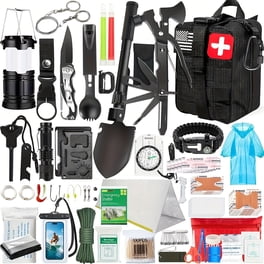
Credit: www.walmart.com
Frequently Asked Questions
What Are Essential Items For A Hiking Survival Kit?
A hiking survival kit should include essentials like a map, compass, first aid kit, multi-tool, and fire starter. Also pack a flashlight, whistle, emergency blanket, and water purification tablets. These items ensure safety and preparedness in unexpected situations. Always tailor your kit to the specific environment and duration of your hike.
Why Is A First Aid Kit Crucial For Hiking?
A first aid kit is crucial because it helps treat minor injuries and prevent infections. It should include bandages, antiseptic wipes, and pain relievers. Quick access to these items can prevent small issues from becoming serious. Always check and replenish your kit before each hike.
How Does A Multi-tool Benefit Hikers?
A multi-tool is versatile, offering solutions for various hiking challenges. It can assist with gear repairs, food preparation, and emergencies. With tools like knives, pliers, and screwdrivers, it’s compact yet highly functional. It’s a must-have for any hiking survival kit, enhancing your adaptability in the wild.
What Role Does A Compass Play In Hiking?
A compass is vital for navigation, especially in unfamiliar terrain. It helps you maintain direction and prevent getting lost. Paired with a map, it offers precise location tracking. Even with GPS devices, a compass is reliable as it doesn’t rely on batteries or signals.
Conclusion
A good hiking survival kit keeps you safe and prepared. Pack items that meet basic needs: water, food, shelter, and first aid. Choose lightweight, reliable gear you can carry easily. Practice using your kit before your trip. Stay calm and think clearly in emergencies.
Being ready helps you enjoy nature with peace of mind. Safety starts with what you bring along. Don’t forget, preparation is key for every hike.