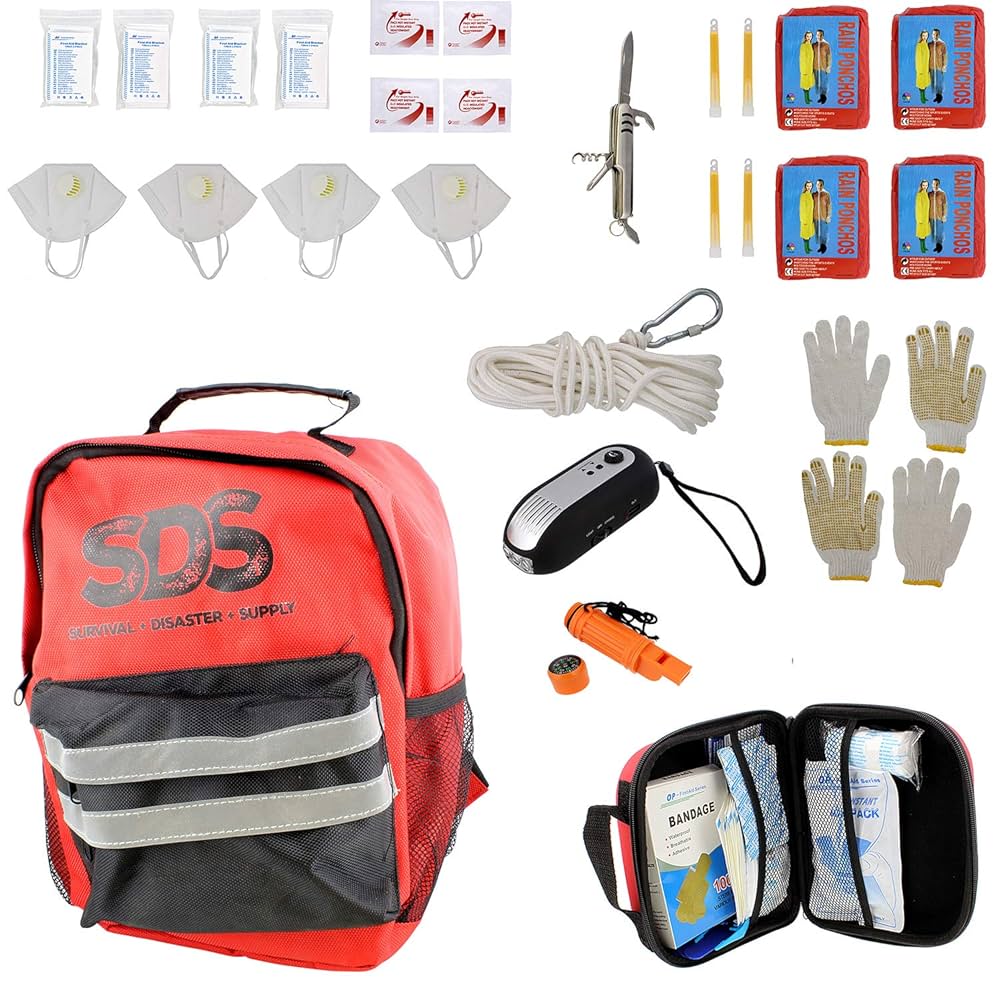
Imagine being caught in an unexpected emergency without the right tools to keep you safe. Would you know what to grab first?
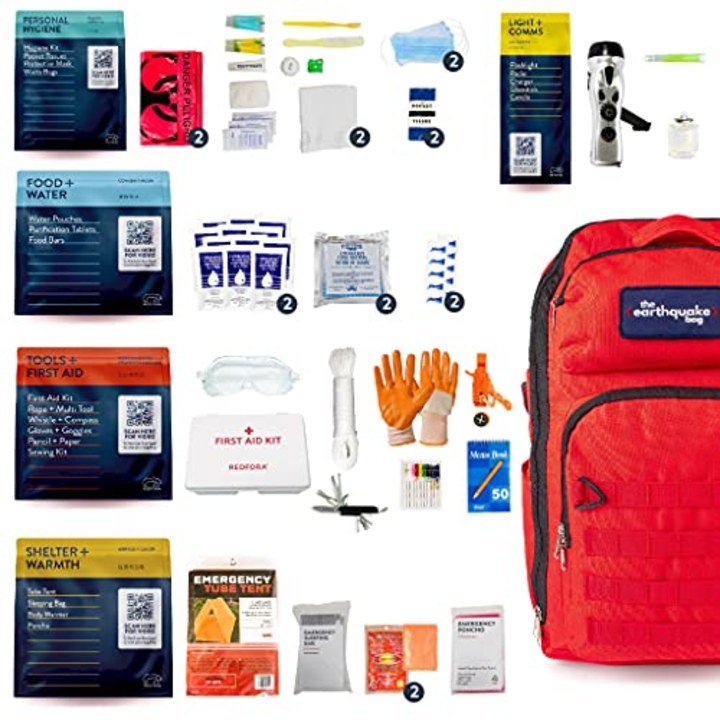
Your survival kit can make all the difference between staying calm and feeling helpless. You’ll discover the must-have items that should be in your survival kit—simple essentials that could save your life. Keep reading to find out how to prepare yourself for anything, so you’re always ready when it matters most.

Credit: m.youtube.com
Basic Survival Tools
Basic survival tools form the heart of every survival kit. They help you tackle critical needs like cutting, making fire, and lighting your way. Choosing the right tools can improve your chances of staying safe and comfortable in tough situations.
Multipurpose Knife
A multipurpose knife is essential for many tasks. It can cut rope, prepare food, or create shelter. Choose a knife with a strong blade and a comfortable handle. Look for one that includes extra tools like a screwdriver or can opener. This tool saves space and adds versatility.
Fire Starters
Fire starters help you create fire quickly and easily. Fire provides warmth, light, and a way to cook food. Waterproof matches, magnesium rods, or flint stones are good choices. Carry more than one type to ensure you can start a fire in any weather. Practice using them before an emergency.
Compact Flashlight
A compact flashlight lights your path in darkness. It helps you avoid hazards and signals for help. LED flashlights are bright and use less battery power. Choose one that fits well in your hand or pocket. Keep extra batteries or a rechargeable option to stay prepared.
Credit: www.nbcnews.com
Water And Hydration Gear
Water is your most critical survival resource. Staying hydrated keeps your mind sharp and your body functioning. Without reliable water and hydration gear, your survival kit is incomplete.
Water Filtration Systems
Water filtration systems remove bacteria, protozoa, and sediment from natural water sources. Portable filters like pump filters or straw-style filters are lightweight and easy to use on the go.
I once relied on a compact pump filter during a weekend hike, and it provided clean water straight from a stream. Carry one that filters at least 0.2 microns to ensure safety.
Collapsible Water Containers
Collapsible water containers save space when empty and expand to hold several liters when needed. They’re perfect for collecting and storing water during extended trips or emergencies.
Look for BPA-free materials and secure caps to prevent leaks. Having multiple sizes lets you adapt to different situations easily.
Water Purification Tablets
Water purification tablets are lightweight and easy to carry. They kill viruses and bacteria in water when you can’t filter physically.
Always carry a few packs even if you have a filter—tablets are a great backup. Remember, they need time to work, usually 30 minutes, so plan ahead before drinking.
Food Supplies
Food supplies are essential in any survival kit. They provide the energy needed to stay alert and strong. Choosing the right food can make a big difference during an emergency. Focus on items that last long and are easy to carry. Nutrient-rich options help maintain health and stamina.
Pack food that does not spoil quickly. Lightweight and compact foods save space and weight. Think about how easy it is to eat these foods without special tools. Variety can keep morale high and prevent boredom.
Non-perishable Snacks
Non-perishable snacks are perfect for survival kits. They do not require refrigeration or cooking. Examples include nuts, dried fruits, and jerky. These snacks provide protein, fiber, and healthy fats. They keep hunger at bay and are easy to eat on the move. Choose snacks in small, sealed packages to keep them fresh longer.
Energy Bars
Energy bars are compact and packed with calories. They often contain a mix of carbs, protein, and fats. These bars give quick energy during physical activity. Many types have added vitamins and minerals. Choose bars that taste good and have a long shelf life. Keep several bars in your kit for convenience.
Portable Cooking Equipment
Portable cooking gear helps prepare meals in the wild. Small stoves, lightweight pots, and utensils are common tools. Some kits include fuel canisters that burn cleanly and safely. Cooking food can improve taste and digestibility. Hot meals boost morale and provide comfort. Choose equipment that is compact and easy to use.

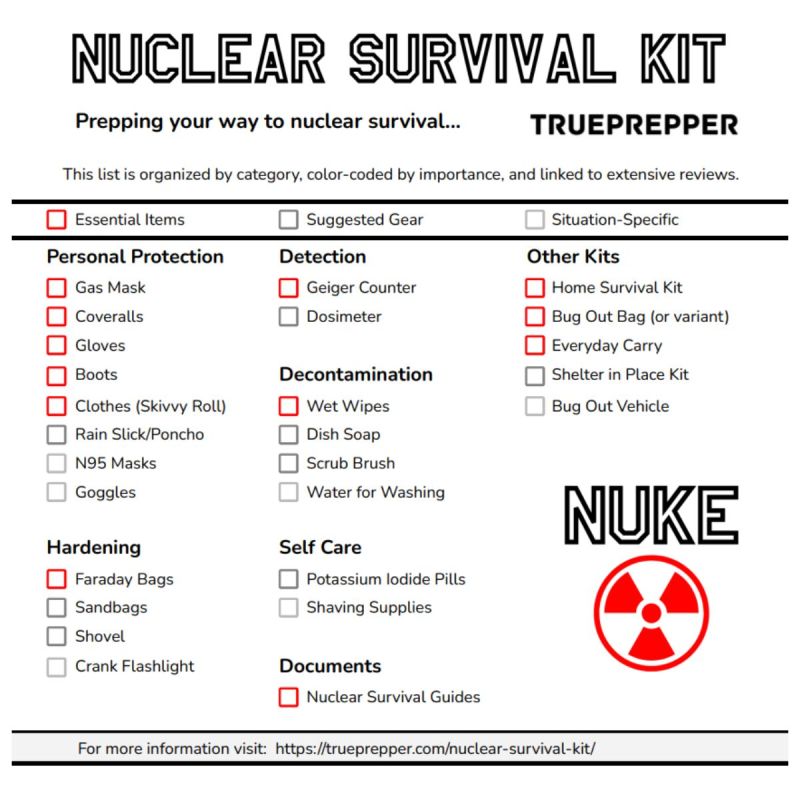
Credit: trueprepper.com
First Aid Essentials
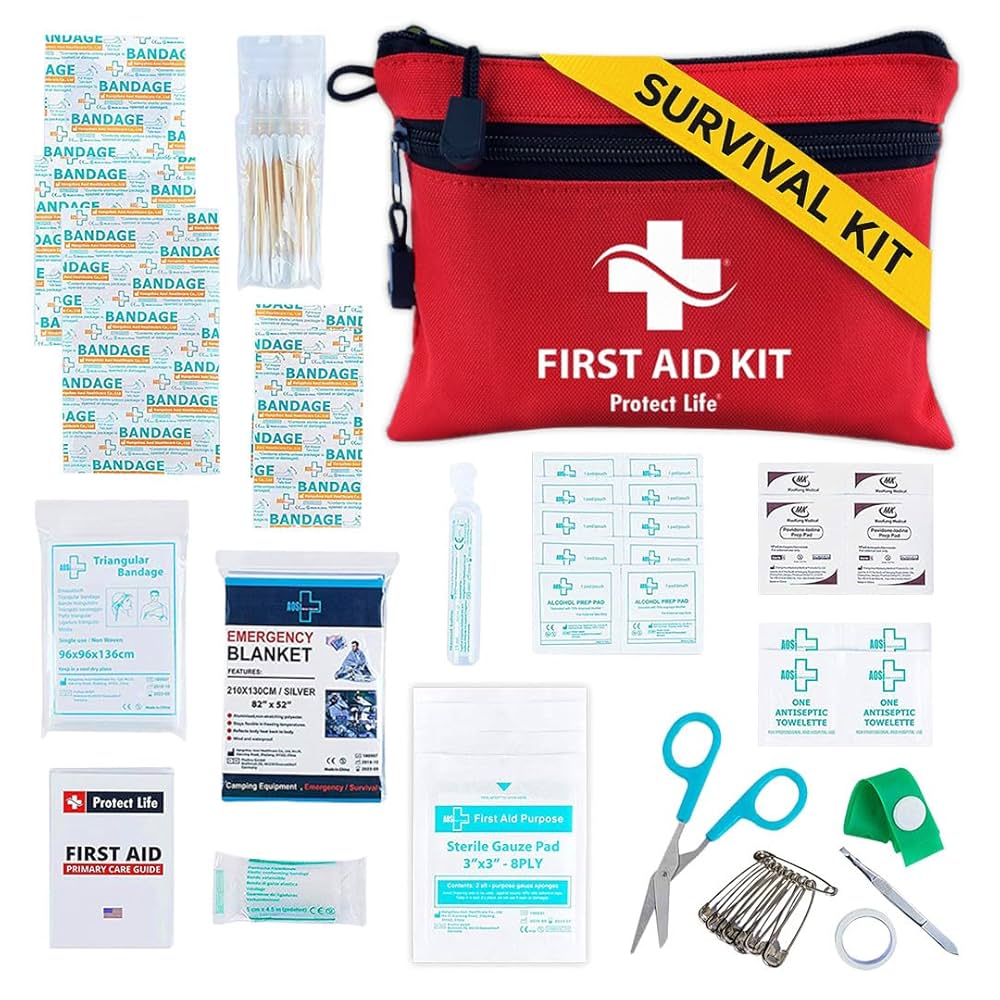
Having first aid essentials in your survival kit can make a huge difference when accidents happen. You need items that treat wounds quickly, prevent infections, and ease pain. These basics can keep you safe and comfortable until help arrives or you can reach more advanced care.
Bandages And Dressings
Bandages and dressings are your first line of defense against cuts and scrapes. Include various sizes of adhesive bandages for small cuts and larger sterile dressings for deeper wounds. Don’t forget butterfly closures to help close small cuts without stitches.
Choosing materials that are breathable and waterproof can prevent infections. I once had a deep scrape while hiking, and having the right dressing saved the wound from getting worse in wet conditions. What types of injuries do you think you might face most often?
Antiseptic Solutions
Cleaning wounds properly is crucial to avoid infections. Pack antiseptic wipes or solutions like hydrogen peroxide or iodine. These kill germs effectively before you apply bandages.
Remember, some antiseptics can irritate sensitive skin, so test them if possible. Having these solutions ready means you won’t waste time searching for clean water or soap in an emergency. How would you clean a wound if you had no antiseptics on hand?
Pain Relievers
Pain relievers help manage discomfort from injuries or illnesses during survival situations. Include over-the-counter options like ibuprofen, acetaminophen, or aspirin. They not only reduce pain but can also lower inflammation and fever.
Don’t overlook any allergies or medical conditions when selecting painkillers for your kit. I once carried ibuprofen only to realize a friend with me was allergic, so having alternatives is smart. Which pain reliever do you trust the most and why?
Shelter And Warmth
Shelter and warmth are crucial when you find yourself in survival situations. They protect you from harsh weather, prevent hypothermia, and help maintain your energy. Without proper shelter and insulation, even the toughest individuals can quickly become vulnerable.
Emergency Blankets
Emergency blankets are lightweight and take up almost no space in your kit, yet they provide excellent insulation. Made from reflective materials, they trap your body heat effectively. I once used one during a chilly night hike, and it kept me surprisingly warm despite the dropping temperature.
These blankets are also waterproof and windproof, which adds a layer of protection against rain and wind. Always keep a couple of these in your survival kit—they can be a lifesaver when you don’t have time or materials to build a proper shelter.
Compact Tents
A compact tent offers more reliable protection from the elements than makeshift shelters. They are designed to be lightweight and easy to carry, fitting perfectly into your backpack. Look for models that can be quickly set up and offer good ventilation to avoid moisture buildup inside.
Think about how much time and energy you save by having a ready-to-use tent. In one situation, setting up a compact tent before nightfall gave me enough rest to stay alert the next day. Could you handle a night outdoors without proper shelter?
Thermal Clothing
Thermal clothing is your personal heat trap. It works by holding your body heat close and wicking moisture away, which is vital to stay dry and warm. I never venture outdoors without layering thermal base wear; it’s the difference between comfort and discomfort in cold conditions.
Pack thermal socks, gloves, and hats to cover all vulnerable areas. You don’t need bulky gear—thin thermal layers can fit in your survival kit while providing excellent warmth. Are you prepared to keep your core temperature stable in freezing weather?
Navigation And Communication
Navigation and communication tools are vital in any survival kit. They help you find your way and signal for help. Without these, getting lost or isolated becomes a big risk.
Compass And Maps
A compass guides you through unfamiliar terrain. Maps show the landscape and key landmarks. Together, they help you avoid danger and reach safety. Choose waterproof maps and a reliable compass. Practice using them before any trip.
Whistles
Whistles are simple but powerful tools for communication. They can alert rescuers from far away. They use less energy than shouting. Carry a loud, durable whistle in your survival kit. Learn the standard whistle signals for emergencies.
Emergency Radios
Emergency radios keep you updated with vital news. They receive weather alerts and rescue broadcasts. Some radios have hand cranks or solar power for energy. Pick a compact, multi-band radio. It could save your life by keeping you informed.
Personal Safety Items
Personal safety items are crucial in any survival kit. They provide protection and increase your chances of staying safe in unexpected situations. These tools can help you deter threats and signal for help, giving you peace of mind when you need it most.
Pepper Spray
Pepper spray is a powerful self-defense tool. It can temporarily incapacitate an attacker, giving you time to escape or call for help. Compact and easy to carry, it fits well into any survival kit.
Make sure you know how to use it properly. Practicing with an inert canister can build your confidence. Have you ever thought about how quickly you could react in a dangerous situation?
Signal Mirrors
Signal mirrors are simple but highly effective for attracting attention. They reflect sunlight to create a visible flash that can be seen miles away. This can be a lifesaver if you’re lost or stranded.
Keep one in your kit and learn how to aim it at aircraft or distant rescuers. It’s lightweight and requires no batteries, making it a reliable tool. Can you imagine how much easier it would be to get found with one?
Protective Gloves
Protective gloves shield your hands from cuts, burns, and infections. When dealing with sharp objects or rough terrain, your hands are vulnerable. Gloves provide the necessary barrier to keep you safe.
Choose gloves made from durable material that also allow good dexterity. You’ll need to handle tools, start fires, or provide first aid without removing them. Have you ever tried working with injured hands? Gloves make a huge difference.
Additional Survival Gear
Adding extra gear to your survival kit can make a huge difference when facing unexpected challenges. These additional items may seem small, but they are essential tools that offer versatility and reliability. They help you solve problems quickly and keep you safe in tough situations.
Paracord
Paracord is one of the most useful tools you can carry. It’s strong, lightweight, and can be used in countless ways—from building shelters to repairing gear. I once used paracord to secure a tarp during a sudden storm, and it saved me from getting soaked.
Think about how many times you’ve needed a sturdy rope outdoors. Paracord can even be unraveled into thinner strands for fishing lines or sewing thread. Having at least 10 feet in your kit gives you plenty of options.
Duct Tape
Duct tape is a survivalist’s best friend. It can fix torn clothes, patch holes in tents, or even create makeshift bandages. Its sticky power and durability make it a must-have in any emergency.
Imagine your backpack strap breaking during a hike. Instead of cutting your trip short, a strip of duct tape can hold things together until you find proper repairs. Carry a small roll or wrap some tape around a credit card to save space.
Multi-tool Devices
A good multi-tool packs many functions into one compact piece of gear. From knives and scissors to screwdrivers and can openers, it’s like having a toolbox in your pocket. I’ve relied on my multi-tool to cut rope, open cans, and tighten screws when nothing else was available.
Choosing a multi-tool with high-quality stainless steel will ensure it lasts through tough conditions. Ask yourself which tools you use most often and pick one that suits your needs. This single item can reduce the weight and bulk of your survival kit significantly.
Frequently Asked Questions
What Are The Essential Items In A Survival Kit?
A survival kit should include water, non-perishable food, first aid supplies, a flashlight, a multi-tool, and a whistle. These items ensure basic needs are met during emergencies. Having a reliable communication device, like a battery-operated radio, is also crucial to stay informed about the situation.
How Much Water Is Needed In A Survival Kit?
Include at least one gallon of water per person per day for three days. This ensures enough water for drinking and basic hygiene. Consider adding portable water purification tablets or a small filtration system to extend your water supply.
Why Is A First Aid Kit Important?
A first aid kit is crucial for treating injuries promptly during emergencies. It typically includes bandages, antiseptics, pain relievers, and medical tape. Quick access to these items can prevent minor injuries from becoming serious, ensuring safety until professional help is available.
Should I Include A Flashlight In My Kit?
Yes, a flashlight is essential for navigating in the dark during power outages or emergencies. Opt for a high-quality, waterproof flashlight with extra batteries. Consider adding a hand-crank or solar-powered flashlight for extended use without relying on batteries.
Conclusion
A good survival kit keeps you safe in tough times. Pack items that meet basic needs: water, food, shelter, and first aid. Choose tools that are easy to carry and use. Regularly check and update your kit for best results.
Being ready can make a big difference in emergencies. Stay prepared, stay calm, and stay safe.