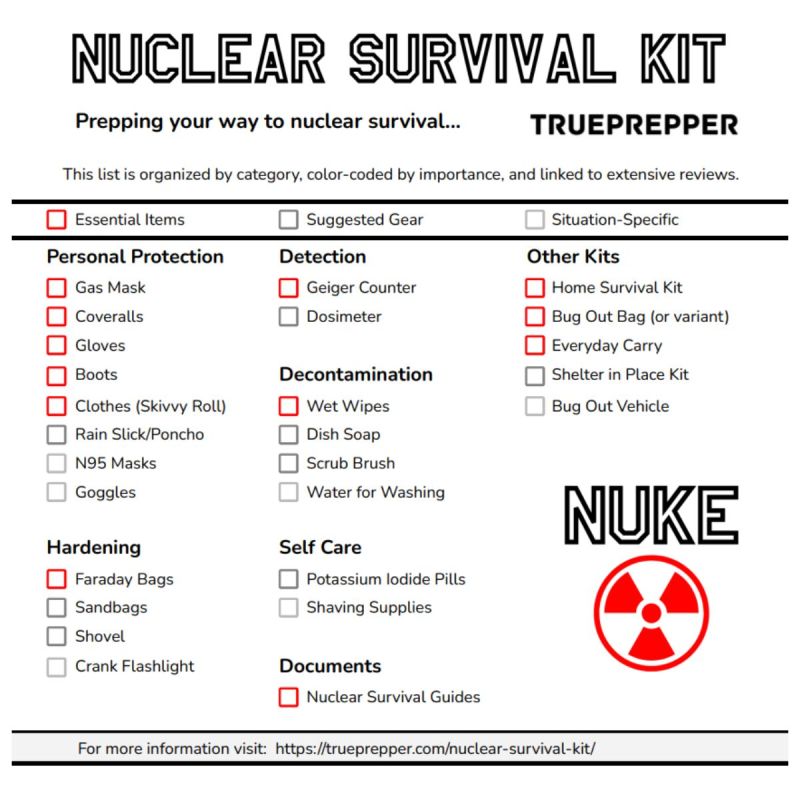
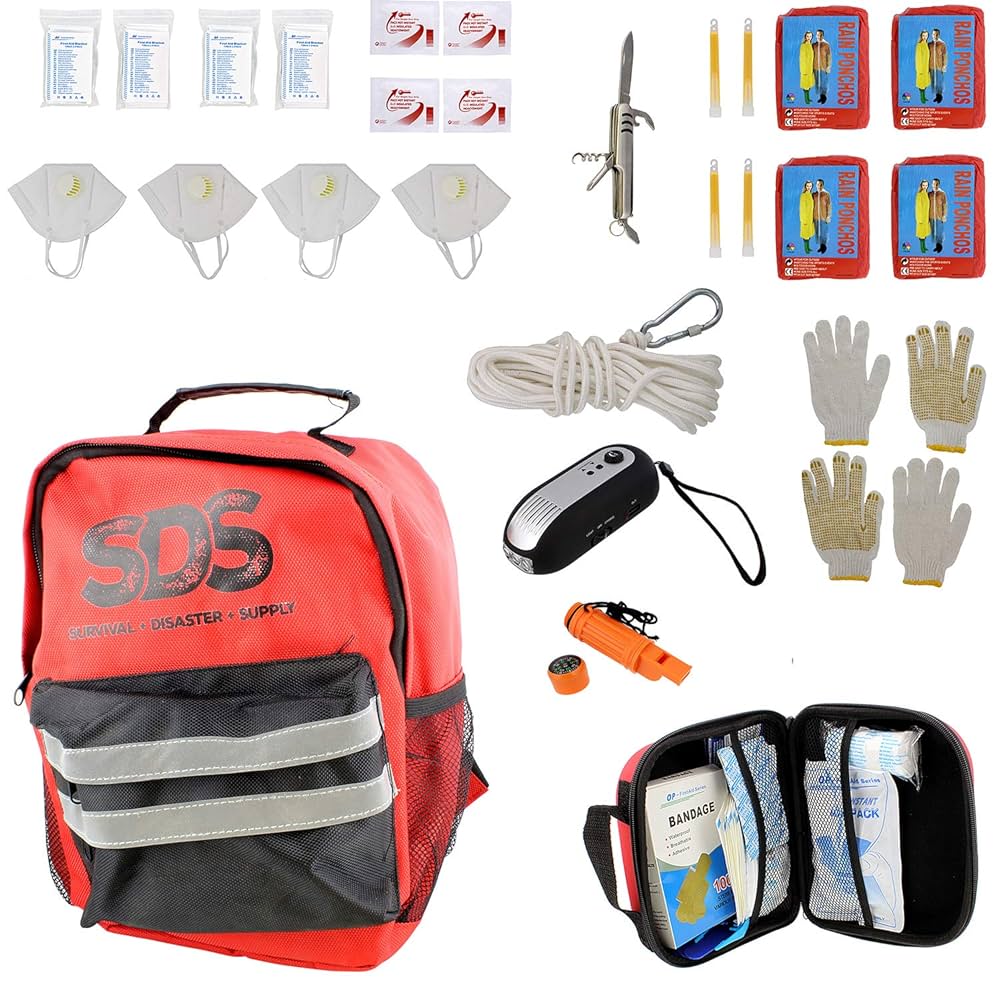
Imagine facing an unexpected situation where you need to rely on your own resources to stay safe and secure. Would you be ready?
Creating a survival kit is one of the smartest steps you can take to protect yourself and your loved ones. In this guide, you will learn simple, practical steps to build a survival kit tailored to your needs. By the end, you’ll feel confident knowing you have what it takes to handle emergencies.
Keep reading—your safety might depend on it.
Choosing The Right Container
Choosing the right container is crucial for your survival kit’s effectiveness. It protects your supplies and keeps them organized. The container must endure tough conditions and be easy to carry. Consider where and how you will use the kit before selecting the container. The right choice ensures your gear stays safe and ready.
Durability And Portability
Your container needs to resist damage from drops, pressure, and rough handling. Strong plastic or metal containers work well. They last longer and protect contents better. Portability matters too. Choose a container that is lightweight and easy to carry. Look for ones with handles or straps for convenience.
Waterproof And Seal Features
Water can ruin your survival items quickly. Pick a container with a tight seal to keep water out. Waterproof containers prevent moisture, dust, and dirt from entering. Check for rubber gaskets or locking clips that create a secure closure. Keeping your supplies dry is key in emergencies.
Size Considerations
The container size depends on the amount of gear you need. It should hold all essentials without being too bulky. Small kits are easy to carry but may limit supplies. Larger containers hold more but can be heavy. Balance size with what you can comfortably carry and store.
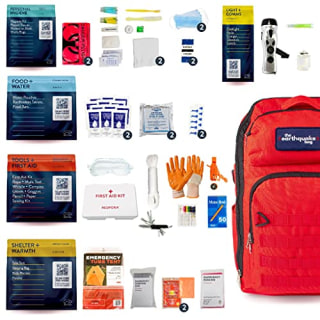
Credit: www.nbcnews.com
Essential Food And Water Supplies
Essential food and water supplies are the backbone of any survival kit. Without reliable nutrition and hydration, your ability to stay alert and strong plummets quickly. Preparing these essentials thoughtfully can make a huge difference in how you manage during emergencies.
Non-perishable Food Items
Choose foods that last long without refrigeration. Canned beans, dried lentils, and rice are great staples. They provide energy and essential nutrients while staying safe to eat for months or even years.
Don’t forget ready-to-eat options like canned tuna or chicken. These save you time and effort when you need a quick meal. Also, include powdered milk or instant soup packets for variety.
Water Storage And Purification
Water is your top survival priority. Store at least one gallon per person per day, and keep it in clean, sturdy containers. Large water jugs or collapsible water bags work well for space-saving.
Purification tablets or portable filters are lifesavers. They let you use natural water sources safely. Have both on hand—tablets for emergencies and filters for longer-term use.
Energy-boosting Snacks
Snacks that fuel your body quickly can keep your energy steady. Nuts, trail mix, and granola bars pack a punch of calories and healthy fats. They’re also lightweight and easy to carry.
Include some chocolate or dried fruit for a quick sugar boost. Your body will thank you when fatigue sets in. Have you tested which snacks keep you energized the longest?
Basic Survival Tools
Having the right basic survival tools in your kit can make a huge difference in an emergency. These essentials help you handle a variety of situations, from building shelter to signaling for help. Think about what you would need to start a fire, cut wood, or find your way in the dark—these tools cover those crucial tasks.
Multi-tools And Knives
A good multi-tool is like having a small toolbox in your pocket. It usually includes pliers, screwdrivers, scissors, and a knife, all in one compact device. A sharp, sturdy knife is vital for cutting rope, preparing food, or making kindling. Choose a knife with a fixed blade if you want something more reliable under tough conditions.
Imagine being in the woods and needing to carve a shelter quickly—without a solid knife or multi-tool, you’d be stuck. Don’t overlook the weight and size; you want something easy to carry but tough enough to handle heavy use.
Fire Starters And Lighters
Starting a fire can save your life by keeping you warm and warding off predators. Carry multiple fire starters like waterproof matches, a lighter, and a ferrocerium rod. A ferro rod lasts a long time and works even when wet, unlike matches that can fail if soaked.
Try practicing with these tools before you need them. Can you spark a fire quickly under pressure? If not, keep practicing. You want fire-starting to become second nature.
Flashlights And Batteries
Light is crucial when darkness falls unexpectedly. A bright, durable flashlight helps you navigate safely and signal rescuers. Choose LED flashlights—they use less battery and last longer than traditional bulbs.
Always pack extra batteries and store them separately from your flashlight to prevent corrosion. Have you checked your flashlight’s battery life recently? Dead batteries are useless in an emergency, so test your gear regularly.
First Aid And Health Items
Having the right first aid and health items in your survival kit can make a crucial difference during emergencies. These supplies help you manage minor injuries and maintain your health until professional help is available. You want to be prepared for cuts, aches, and hygiene challenges that can arise when you’re off the grid.
Bandages And Dressings
Bandages and dressings protect wounds from infection and help control bleeding. Your kit should include a variety of sizes, from small adhesive bandages to larger sterile gauze pads. Don’t forget elastic bandages for sprains and butterfly closures for deeper cuts.
Keep these items sealed and dry. I once ignored replacing old bandages and ended up with a wound that took longer to heal because the dressing wasn’t sterile. What small wound care supplies do you think are often overlooked but essential?
Medications And Pain Relievers
Pack common over-the-counter pain relievers like ibuprofen or acetaminophen to reduce fever and ease pain. Include antihistamines for allergic reactions and any personal prescription medications you need.
Consider adding antacids, anti-diarrheal tablets, and antibiotic ointments. These can manage symptoms that otherwise might turn minor issues into serious problems. Have you thought about how you would handle pain or allergies when far from a pharmacy?
Sanitation And Hygiene Supplies
Maintaining cleanliness prevents infections and keeps you comfortable in survival situations. Include antiseptic wipes, hand sanitizer, and soap in your kit. A small pack of disposable gloves also helps protect both you and others when treating wounds.
Adding a compact toothbrush and toothpaste can seem trivial but makes a big difference in morale and health. You might be surprised how much hygiene impacts your ability to stay calm and focused. What hygiene item would you never want to be without?
Clothing And Shelter Essentials
Clothing and shelter are vital for survival in any emergency. They protect the body from harsh weather and dangerous environments. Proper gear helps maintain body temperature and prevents injuries. Preparing these essentials carefully can increase chances of safety and comfort.
Weather-appropriate Clothing
Choose clothing that suits the climate. Layering works best to adapt to temperature changes.
- Base layer: Moisture-wicking fabrics keep skin dry.
- Insulating layer: Wool or fleece traps body heat.
- Outer layer: Waterproof and windproof materials block rain and wind.
- Extra socks and gloves: Protect extremities from cold.
Light-colored clothes help in hot weather. Dark colors absorb heat, better for cold conditions.
Emergency Blankets And Tents
Emergency blankets are compact and retain body heat well. They reflect heat back to the body.
Lightweight tents provide shelter from rain, wind, and insects. Choose tents with easy setup and durable material.
- Space blankets: Easy to carry and can fit in any kit.
- Compact tents: Protect against harsh weather and provide privacy.
- Tarps: Useful for quick shelter or ground cover.
Protective Gear
Protective gear prevents injuries and keeps you safe in rough environments.
- Sturdy boots: Support ankles and protect feet from rough terrain.
- Gloves: Shield hands from cuts, cold, and abrasions.
- Hats and sunglasses: Guard against sun and debris.
- Rain gear: Keeps clothes dry and prevents hypothermia.

Credit: www.youtube.com
Communication And Navigation Tools
Having reliable communication and navigation tools in your survival kit can make a huge difference when you’re in an emergency. These tools help you stay connected, find your way, and signal for help if needed. You want gear that’s simple to use, durable, and effective under pressure.
Whistles And Signal Mirrors
A whistle is a small, lightweight tool that can alert rescuers without using your voice. It’s loud enough to carry over long distances, even if you’re injured or exhausted. Carry one with you, and practice using it to send distress signals—three short blasts is the universal call for help.
Signal mirrors reflect sunlight and can catch the attention of search parties from miles away. Unlike whistles, mirrors don’t rely on sound, which is useful if you’re in a noisy environment or need to stay quiet. Keep a compact mirror in your kit and know how to angle it to flash sunlight toward potential rescuers.
Maps And Compasses
GPS devices are great but can fail if batteries die or signals drop. That’s why a physical map and compass are essential. They give you the power to navigate without technology.
Choose a waterproof map of your area and learn how to read it properly. Pair it with a reliable compass and practice orienting yourself before you need it. Knowing how to use these tools can help you find safe routes or mark your location for rescue teams.
Emergency Radios
Emergency radios keep you informed about weather alerts and rescue broadcasts. Some models also include a hand crank or solar panel, so you never run out of power. This means you can stay connected even if all other power sources fail.
Look for radios that receive NOAA weather channels and have multiple power options. Test the radio regularly to ensure it’s working. Staying updated with real-time information can help you make smarter survival decisions.
Personal Documents And Cash
When preparing a survival kit, including personal documents and cash is essential. These items ensure you can prove your identity, contact loved ones, and manage basic expenses during an emergency. Think about times when access to banks or digital payment systems was disrupted—having cash and key documents on hand made a real difference.
Important Identification Papers
Keep copies of your ID cards, passports, and driver’s licenses in a waterproof pouch. These documents are crucial for proving who you are in emergencies, especially if you need to evacuate or access services.
Include any medical records or insurance cards that could speed up treatment or claims. Store both physical copies and scanned digital versions on a secure USB drive or cloud service you can access offline.
Emergency Contact Information
Create a simple list of important phone numbers and addresses. This should include family members, close friends, doctors, and local emergency services.
Write down contacts on paper as phones may fail or run out of battery. Keep this list updated and easy to find in your survival kit.
Cash And Small Valuables
Set aside a small amount of cash in various denominations. During power outages or disasters, ATMs and card readers might not work, making cash your only option for purchases.
Also, consider carrying small valuables like keys, a backup credit card, or emergency coupons. These can help you access resources or services quickly when needed.
Maintenance And Regular Updates
Keeping your survival kit ready means regular maintenance and updates. This isn’t a one-time task but an ongoing process. You want to be sure every item in your kit works when you need it most.
Checking Expiry Dates
Expired items won’t help during an emergency. Food, water, medications, and batteries all have a shelf life. Check these dates at least twice a year to avoid surprises.
Set reminders on your phone or calendar. It saves time and ensures you never overlook something important. Have you ever opened a kit only to find your energy bars tasting off or your flashlight dead?
Replacing Used Items
Every time you use something from your kit, replace it immediately. Emergency situations are unpredictable, so your kit should always be fully stocked. Running out of essential items like bandages or water purification tablets can cause unnecessary stress.
Keep a checklist next to your kit. After an incident or drill, quickly note down what needs replacing. This habit keeps your kit in top shape without extra hassle.
Adapting To Seasonal Changes
Your survival needs shift with the seasons. Winter might require extra blankets and hand warmers, while summer calls for more water and sunscreen. Tailor your kit so it fits the weather and your environment.
Think about changing conditions like storms or heatwaves. Adjusting your kit seasonally isn’t just smart; it can be lifesaving. What additions would make your survival kit ready for the next season?
Customizing Kits For Different Scenarios
Survival kits must match the situation you face. Different environments need different tools and supplies. Customizing your kit boosts your safety and readiness. You avoid carrying unnecessary items that add weight or take space. Focus on essentials that suit each scenario’s challenges.
Urban Survival Kits
Urban kits prepare you for emergencies in cities. Include items for power outages, injuries, and communication loss. Think about:
- Flashlight with extra batteries
- Basic first aid supplies
- Multi-tool or pocket knife
- Copies of important documents
- Non-perishable snacks and water
- Phone charger or power bank
- Face mask and hand sanitizer
Urban kits stay compact for easy carrying. Prioritize lightweight and multipurpose items.
Outdoor Adventure Kits
Outdoor kits focus on survival in nature. Include gear for weather, navigation, and shelter. Consider adding:
- Water purification tablets or filter
- Firestarter and waterproof matches
- Compass and map
- Emergency blanket or tarp
- Whistle and signal mirror
- Insect repellent and sunscreen
- Extra clothing layers
Balance weight and usefulness. Pack items that help with outdoor dangers and comfort.
Vehicle Emergency Kits
Vehicle kits help during breakdowns or accidents. Keep tools and supplies for roadside emergencies. Essentials include:
- Jumper cables
- Basic tool kit
- Reflective warning triangles or flares
- Spare tire and tire repair kit
- Blanket and warm clothes
- Water and high-energy snacks
- Flashlight and batteries
Store the kit in an easy-to-reach spot. Check and update it regularly for reliability.

Credit: grimworkshop.com
Frequently Asked Questions
What Essential Items Should Be In A Survival Kit?
A survival kit should include water, non-perishable food, a first aid kit, a flashlight, and a multi-tool. Also, add emergency blankets, matches, and a whistle for signaling. These items ensure basic needs and safety during emergencies.
How Do I Choose The Right Survival Kit Size?
Choose a kit size based on your needs and environment. A compact kit suits short trips, while larger kits are ideal for extended emergencies. Consider the number of people and duration you plan to survive.
Can I Customize A Survival Kit Myself?
Yes, customizing lets you tailor the kit to your specific needs. Include personal medications, local maps, and climate-appropriate gear. Custom kits enhance preparedness and comfort in various situations.
How Often Should I Update My Survival Kit?
Update your survival kit every six months to one year. Check expiration dates on food and batteries. Replace used or outdated items to maintain readiness.
Conclusion
Creating a survival kit is essential for safety and preparedness. It ensures you’re ready for emergencies. Always include basic items like food, water, and first aid. Customize your kit based on your environment and needs. Regularly check and update your supplies.
This keeps your kit effective and reliable. Remember, a well-prepared kit can save lives. Practice using the items to become familiar with them. Stay informed about potential risks in your area. Being prepared gives peace of mind. Start assembling your survival kit today.
Safety starts with preparation. Stay ready and secure.