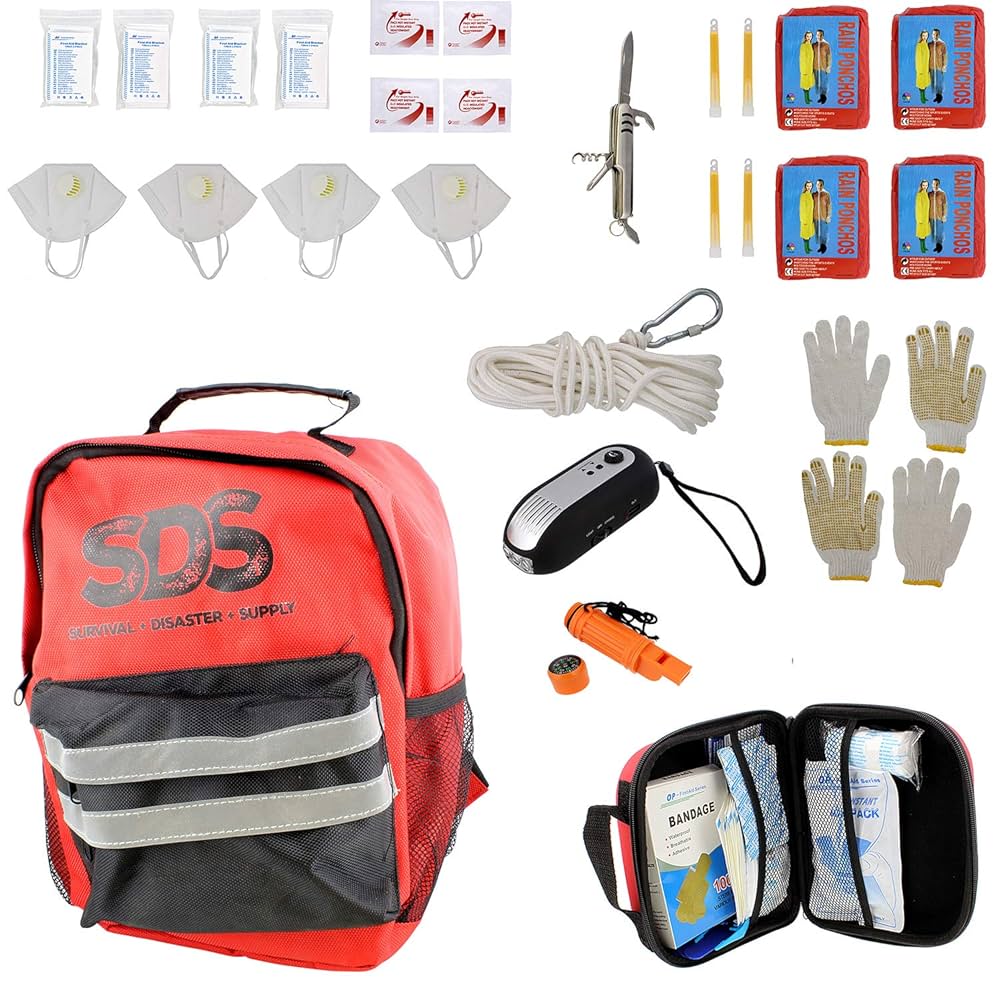
When you’re putting together a survival kit, every item counts. But what if some things you think are helpful could actually weigh you down or even cause harm?
Knowing what NOT to include is just as important as knowing what to pack. You’ll discover the common mistakes many make and the surprising items you should avoid. Keep reading—your survival kit might need a serious rethink.

Credit: survivalschool.enduresurvivalkits.com
Common Survival Kit Mistakes
Building a survival kit requires careful thought. Many people make common mistakes that reduce its usefulness. Avoiding these errors helps keep the kit practical and ready for emergencies.
Overpacking Unnecessary Items
Packing too many things can be harmful. Unneeded items take up space and add weight. This makes carrying the kit harder during a crisis. Focus on essentials that serve multiple purposes. Choose items that save space and reduce clutter.
Ignoring Weight And Size Limits
Heavy and bulky kits slow you down. Survival kits must be light and compact. Large kits often stay unused because they are hard to carry. Keep your kit small enough to fit in a backpack. Balance between carrying capacity and necessary supplies.
Including Perishable Goods
Perishable items spoil quickly and waste space. Foods that need refrigeration are not practical. Water-based products can leak and ruin other supplies. Choose long-lasting, non-perishable foods instead. These keep your kit ready for longer periods.
Items That Can Harm Your Survival Efforts
Some items can harm your survival efforts more than help. Including the wrong things wastes space and energy. It can also create dangers or distractions during an emergency. Survival kits must be practical and safe.
Choosing wisely keeps you prepared and focused on what matters. Avoid items that can cause injury, break easily, or drain power quickly. Knowing what not to pack improves your chances of staying safe.
Excessive Electronics
Too many electronic devices drain batteries fast. They rely on power sources that may be unavailable. Carrying extra chargers or batteries adds weight and bulk. Electronics can also break easily in harsh environments. Focus on simple, reliable tools instead.
Glass Containers
Glass breaks easily and can cause injuries. Sharp shards are dangerous when you need safety most. Glass containers are heavy and add unnecessary weight. Use durable plastic or metal alternatives for storage. Keep your kit lightweight and safe.
Sharp Tools Without Proper Training
Sharp tools like knives or axes need proper handling skills. Untrained use can cause serious injuries. Carrying dangerous tools without knowledge increases risks. Learn how to use sharp tools before including them. Safety and skill go hand in hand.
Why Some Survival Items Backfire
Not every item you pack in your survival kit will help you when you really need it. Some tools can actually cause more trouble than aid. Understanding why certain survival items backfire helps you choose smarter, safer gear for your kit.
Improper Use Of Fire Starters
Fire starters are essential, but they can backfire if you don’t know how to use them correctly. A magnesium fire starter, for example, requires dry tinder and patience; without these, you might waste precious time and energy.
I once relied on a cheap flint striker that failed in wet conditions, leaving me without fire for hours. Do you have the skills to use your fire starter in tough situations? Practice before you depend on it.
Overdependence On Single-use Items
Single-use items like disposable water filters or emergency food packs seem convenient. But once used, they leave you with nothing in a prolonged survival scenario.
Instead, consider multi-use tools that can be cleaned, refilled, or repurposed. What’s the point of carrying something that disappears after one use when your survival could last days or weeks?
Carrying Expired Supplies
Expired supplies can give you a false sense of security. Food past its expiration might cause illness, and old batteries may fail just when you need light or communication most.
Check your kit regularly and replace outdated items. Have you ever opened your survival kit to find its contents useless? Avoid that frustration by staying on top of expiration dates.
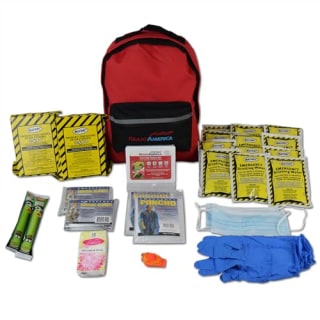
Credit: www.nbcnews.com
Smart Alternatives To Avoided Items
Choosing the right items for your survival kit means knowing what to avoid and what to add instead. Some commonly packed items can weigh you down or fail when you need them most. Smart alternatives ensure you carry gear that truly supports your survival without unnecessary bulk or risk.
Multi-functional Tools
Rather than packing several single-use tools, opt for multi-functional ones. A quality multi-tool combines knives, screwdrivers, scissors, and can openers in one compact device. This saves space and weight, giving you more room for essentials.
I once carried a bulky knife and separate pliers, only to realize a multi-tool would have done everything without the extra load. Could you trust a single item to cover more ground in an emergency?
Lightweight And Durable Materials
Avoid heavy and fragile gear that breaks under stress. Choose materials like titanium or high-grade aluminum for your tools and containers. These are both lightweight and strong, making them perfect for harsh outdoor conditions.
When I switched to a titanium water bottle, I noticed it didn’t dent or leak after multiple drops. What’s the point of carrying gear that might fail when you depend on it?
Long-lasting Food And Water Solutions
Skip fresh produce or canned goods that spoil quickly or add unnecessary weight. Instead, pack dehydrated meals, freeze-dried foods, and water purification tablets or filters. These options last longer and reduce the need for bulky supplies.
One time, relying on canned food slowed me down because of the weight. Using lightweight, long-lasting food options helped me stay mobile and focused. Are you prepared to carry food that keeps you going without weighing you down?
Tips For Building An Effective Survival Kit
Building an effective survival kit requires careful thought and planning. Every item should have a clear purpose. A well-prepared kit can make a big difference in emergencies. Avoid including unnecessary items that add weight or clutter. Focus on tools and supplies that meet basic survival needs. These tips help you create a kit that is both useful and practical.
Prioritizing Essentials
Choose items that cover the most important survival needs. Water purification, food, shelter, and first aid are critical. Tools like a reliable knife and fire starter are valuable. Avoid bulky or non-essential gadgets that won’t help in emergencies. Keep your kit light and easy to carry. Prioritize multi-use items to save space and weight.
Customizing For Your Environment
Adapt your kit to the climate and terrain of your area. Include extra warm clothing for cold regions. In wet areas, add waterproof gear and rain protection. Desert kits need sun protection and extra water. Know the local risks, such as wildlife or natural disasters. Tailor your supplies to fit these conditions for better survival chances.
Regular Maintenance And Updates
Check your survival kit regularly to ensure everything works. Replace expired food, medicine, and batteries. Test tools like flashlights and radios often. Update your kit based on new knowledge or changing environments. A well-maintained kit is ready when you need it most. Keep a checklist to track items and refresh dates.

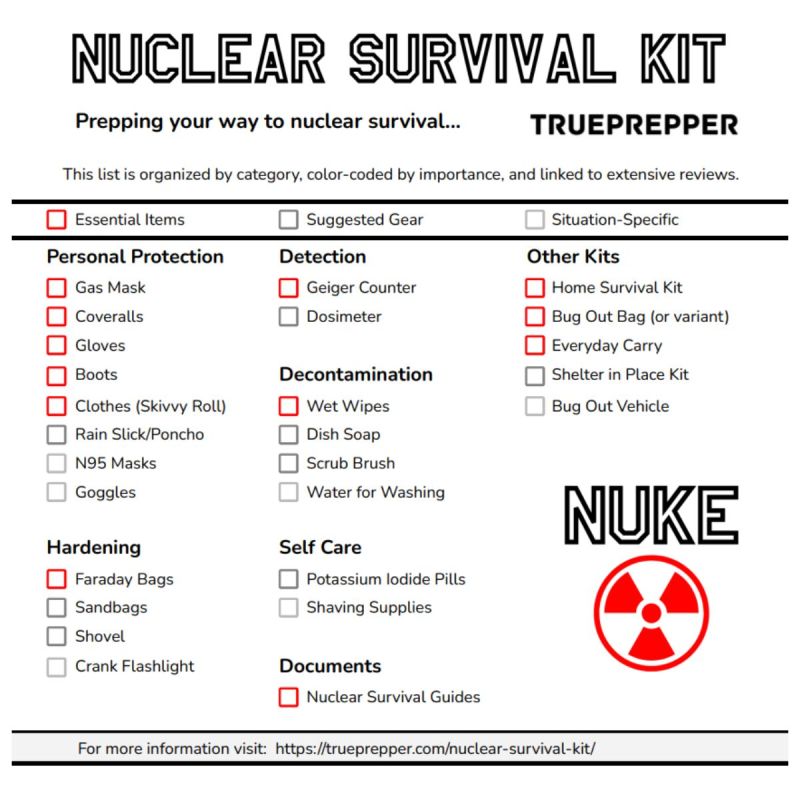
Credit: trueprepper.com
Frequently Asked Questions
What Items Should You Avoid In A Survival Kit?
Avoid bulky, perishable, or non-essential items. They waste space and add unnecessary weight. Focus on essentials like water, food, and first aid.
Why Is Bulky Gear Bad For Survival Kits?
Bulky gear limits space for critical supplies. It adds weight and reduces kit portability. Prioritize compact, multi-use items for efficiency.
Should You Include Electronics In Survival Kits?
Avoid relying on electronics due to battery limits and fragility. Instead, pack durable, manual tools like a compass and fire starter.
Why Avoid Perishable Food In Survival Kits?
Perishable food spoils quickly, attracting pests and causing waste. Choose non-perishable, high-calorie options that store well and last longer.
Conclusion
Choosing the right items for your survival kit is crucial. Avoid unnecessary items that waste space. Stick to essentials that ensure safety and health. Keep your kit light and easy to carry. Always think about the essentials: water, food, and first aid.
Consider the environment you will face. Each item should serve a clear purpose. Regularly check and update your kit. Ensure everything is in working order. Being prepared can save lives. Keep it simple, smart, and effective. Your survival depends on it.
Make thoughtful choices for peace of mind. Stay safe out there.