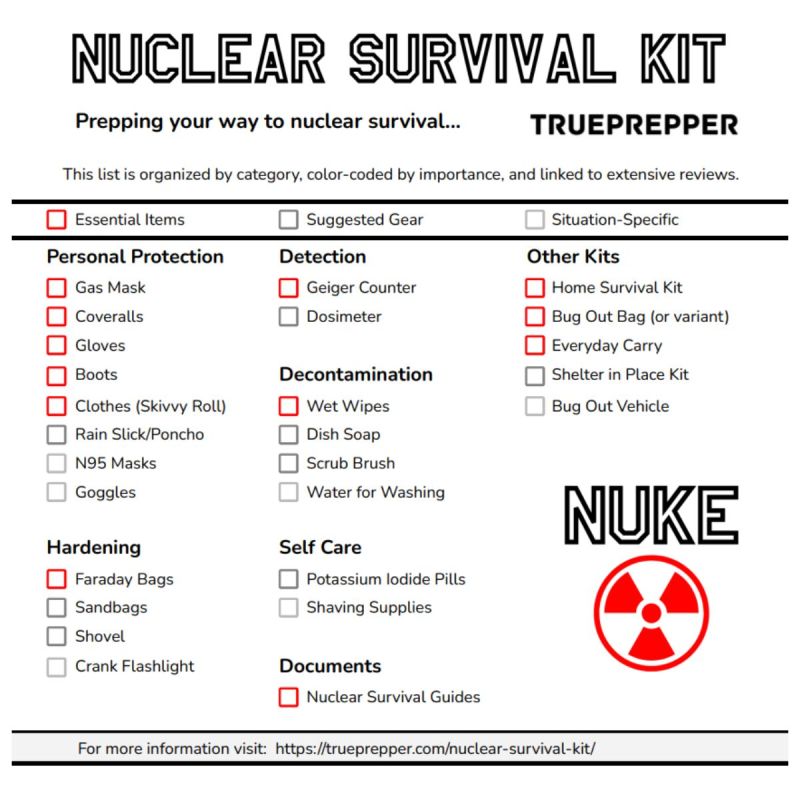
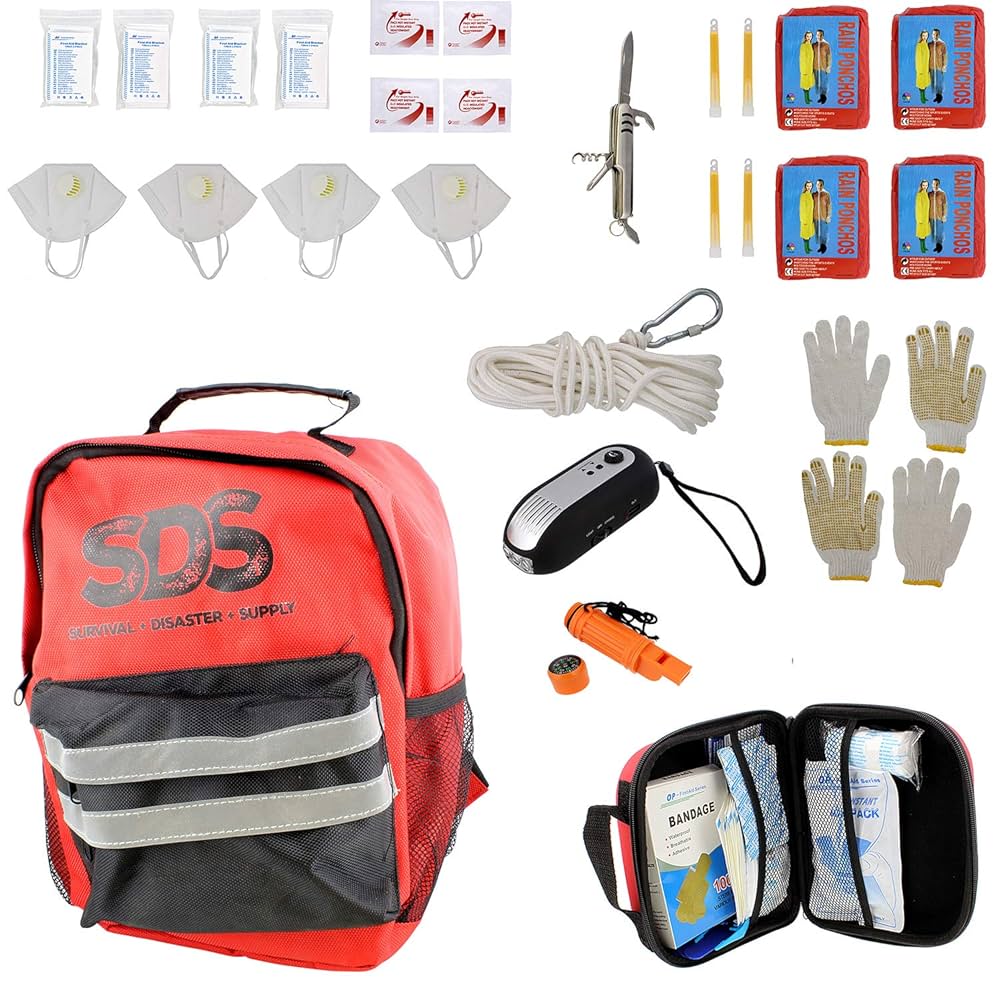
Imagine being miles above the ground when something unexpected happens. Would you know what to reach for in an airplane survival kit?
You might think these kits are just a box of random items, but they are carefully packed to keep you safe in emergencies. Knowing what’s inside can give you peace of mind and even save your life. Keep reading, and you’ll discover exactly what’s in an airplane survival kit—and why each item matters to your safety.

Credit: www.pilotmall.com
Essential Items In Airplane Survival Kits
Knowing what’s inside an airplane survival kit can make a huge difference if you ever face an emergency. These kits are designed to help you stay safe and survive until help arrives. Let’s take a closer look at the essential items you should expect to find, and why they matter to you.
Basic First Aid Supplies
Every survival kit includes basic first aid supplies to treat minor injuries and prevent infections. Items like adhesive bandages, antiseptic wipes, and gauze pads are crucial. Imagine having a small cut while stranded — these supplies help you avoid complications and keep wounds clean.
Water Purification Tools
Access to safe drinking water is critical. Water purification tablets or portable filters remove harmful bacteria and viruses. If you ever find yourself needing to drink from a natural source, these tools protect you from waterborne illnesses.
Emergency Food Rations
Energy is vital when you’re waiting for rescue. Emergency food rations, often high-calorie bars or freeze-dried meals, provide the nutrients you need. They’re lightweight and last a long time, ensuring you stay fueled without carrying heavy supplies.
Fire Starting Equipment
Fire can offer warmth, protection, and a way to signal rescuers. Kits usually include waterproof matches, a lighter, or fire starters. Knowing you can create fire even in damp conditions boosts your chances of staying safe and visible.
Signaling Devices
Getting noticed is your top priority in a survival situation. Signal mirrors, whistles, and bright-colored flags help attract attention. Have you ever thought about how a simple whistle blast could save your life by guiding rescuers straight to you?
Navigation And Communication Tools
Navigation and communication tools are crucial components of any airplane survival kit. They help you find your way and signal for help if you get lost or stranded. These tools increase your chances of rescue by keeping you connected to the outside world and guiding you back to safety.
Compasses And Maps
A reliable compass is a must-have for navigation. It shows you the direction, which is vital when landmarks are hard to spot. Pair it with detailed maps of the area, and you have the basics to orient yourself.
Maps in your kit should be waterproof and cover the regions where you might land. Knowing how to read them before you fly can make a huge difference. Have you ever tried finding your way without a map or compass? It’s easy to get disoriented quickly.
Emergency Radios
Emergency radios are your lifeline to the outside world. They allow you to send distress signals and receive vital information like weather updates or rescue instructions. Look for radios that operate on multiple frequencies to maximize your chances of making contact.
Hand-crank or solar-powered radios are ideal since they don’t rely on batteries alone. Imagine being stuck without power—these radios keep you connected no matter what. How prepared are you to communicate when all other devices fail?
Whistles And Mirrors
Simple yet effective, whistles and mirrors are classic signaling tools. A whistle’s sharp sound carries far and can alert rescuers to your location. Mirrors, on the other hand, reflect sunlight to create flashes visible from great distances.
Both are lightweight and easy to use, making them perfect for your survival kit. Have you ever stopped to think how a small whistle or mirror could be your best chance at getting noticed?
Shelter And Warmth Gear
When you find yourself stranded after an emergency landing, shelter and warmth gear become your lifeline. These items are designed to protect you from the elements and keep your body temperature stable, which can be a matter of life and death. Packing the right gear ensures you can handle cold nights, unexpected weather changes, and maintain comfort until help arrives.
Thermal Blankets
Thermal blankets are lightweight, compact, and incredibly effective at conserving body heat. Made from reflective materials, they trap your body warmth and shield you from wind and rain.
I’ve seen hikers survive freezing nights just by wrapping themselves in these blankets. They take up almost no space in your kit but can prevent hypothermia in critical moments. Do you know where your thermal blanket is right now?
Tents And Tarps
A small tent or tarp provides crucial shelter from rain, snow, and wind. They create a barrier that keeps you dry and reduces heat loss.
Tarps are especially versatile—you can quickly rig one between trees or poles to create an emergency shelter. Tents offer more protection but can be bulkier. Think about the terrain you might face and choose accordingly.
Clothing And Gloves
Extra clothing layers and gloves are essential to maintain warmth and protect your skin. Wet or cold hands can quickly lead to frostbite or loss of dexterity.
Always pack moisture-wicking base layers and insulated outer layers. Gloves should be warm but allow you to perform tasks like starting a fire or handling tools. Have you tested your survival clothing in harsh weather before?

Credit: www.youtube.com
Survival Tools And Equipment
Survival tools and equipment in an airplane survival kit are your lifeline when unexpected situations arise. These items are carefully chosen to help you handle emergencies, signal for help, or carry out basic survival tasks. Knowing what tools to rely on can make a huge difference in how you respond under pressure.
Knives And Multi-tools
A sharp knife or a multi-tool is essential in any survival kit. You can use them for cutting rope, preparing food, or even first aid tasks like removing splinters. A good multi-tool often includes pliers, screwdrivers, and scissors, giving you several tools in one compact device.
Think about how often you need a simple tool to fix or create something quickly. Having a reliable knife or multi-tool at hand saves time and effort when every second counts.
Cordage And Rope
Cordage, like paracord, is incredibly versatile and strong. You can use it to build shelter, secure equipment, or even create makeshift fishing lines. Many survival kits include about 15-30 feet of durable rope because its uses multiply in emergency situations.
Ask yourself: How would you secure your gear or build a shelter if you had nothing to tie things together? A good length of cordage solves that problem instantly.
Flashlights And Batteries
Reliable light sources are critical when darkness falls. Flashlights in survival kits are usually compact and bright, designed to run on easily replaceable batteries. Some kits even include solar or hand-crank options to ensure power when batteries run out.
Imagine being stranded at night with no light. How would you find your way, signal for help, or stay safe from hazards? A dependable flashlight turns that risky situation into a manageable one.
Specialized Kit Variations
Airplane survival kits vary widely based on the flight type, destination, and passengers. Specialized kits address specific needs for safety and comfort. They ensure preparedness in different situations and environments. Understanding these variations helps choose or prepare the right kit for each flight.
Commercial Vs. Private Kits
Commercial airplane survival kits focus on large groups. They include basic first aid, water, and signaling tools. These kits cover general emergencies for many passengers.
Private kits are often more detailed. They match the needs of smaller groups or individuals. Private pilots may add advanced tools and extra supplies. These kits adapt to specific flight plans and passenger needs.
Kits For Different Climates
Survival kits change depending on climate. Cold weather kits have thermal blankets and heat packs. Hot climate kits include sun protection and extra water.
Wet or jungle environments require waterproof gear. Desert kits focus on hydration and shelter from sun. Each kit prepares passengers for the unique challenges of the region.
Customizing Kits For Passengers
Passenger health and preferences affect kit contents. Families may need child-friendly supplies and snacks. Elderly travelers might require extra medication and mobility aids.
Passengers with allergies or medical conditions need tailored items. Custom kits improve comfort and safety. They ensure every passenger’s unique needs are met during emergencies.
Maintenance And Storage Tips
Keeping your airplane survival kit in top shape is essential for safety and readiness. Maintenance and storage play a crucial role in ensuring every item works when you need it most. Neglecting these simple steps can turn a life-saving kit into just a box of useless stuff.
Regular Kit Inspections
Check your survival kit at least once every three months. Look for damaged packaging, broken tools, or missing items. Even small tears in waterproof bags can let moisture in and ruin important supplies.
Try to handle each item during inspection to spot any hidden problems. Ask yourself: Is this tool still functional? Are the batteries in devices like flashlights still alive? This habit can prevent surprises during emergencies.
Proper Storage Conditions
Store your kit in a cool, dry place inside the aircraft. Avoid direct sunlight or extreme temperatures, which can degrade materials like batteries and food packets. A sealed plastic container within the kit can add an extra layer of protection against humidity.
Think about where you keep your kit: Is it easily accessible yet safe from damage? You want it ready to grab but shielded from environmental harm. Keep it away from chemicals or fuel leaks that can cause corrosion or poisoning.
Replacing Expired Items
Food, water, and medicines have expiration dates for a reason. Consuming expired items can be dangerous or ineffective in survival situations. Mark your calendar to replace these items before they expire, ensuring everything is fresh and reliable.
Keep a list of replacement dates inside the kit as a reminder. Have you ever thought about how often you overlook this? Staying proactive saves you from wasting valuable time and risking your safety when seconds count.
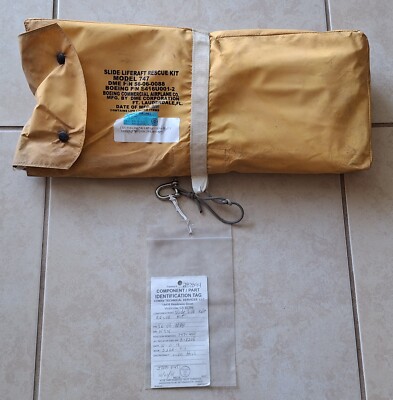
Credit: www.ebay.com
Frequently Asked Questions
What Items Are Essential In An Airplane Survival Kit?
An airplane survival kit typically includes a first aid kit, water purification tablets, emergency food, a flashlight, signal mirror, and a whistle. These items help passengers manage injuries, find water, signal rescuers, and survive in remote areas after an emergency landing.
How Does An Airplane Survival Kit Improve Passenger Safety?
The kit provides crucial tools for emergencies, increasing survival chances. It supports basic medical needs, navigation, and communication, helping passengers stay safe until rescue teams arrive. This preparedness reduces panic and enhances overall safety during unforeseen situations.
Are Airplane Survival Kits Mandatory On All Flights?
Survival kits are usually mandatory on small aircraft and some commercial flights, especially those flying over remote areas. Regulations vary by country and airline, but kits are essential for ensuring passenger safety during emergencies, particularly on long or risky routes.
Can Passengers Bring Their Own Survival Kit On Board?
Passengers can bring personal survival kits, but airline regulations and security rules must be followed. Kits should contain approved items and comply with size and weight limits. Personal kits can offer extra preparedness beyond standard airline provisions.
Conclusion
An airplane survival kit is essential for safety. It contains crucial items. You never know what might happen during a flight. Being prepared can save lives. Make sure your kit is well-stocked. Include first-aid supplies, water, and snacks. Add a flashlight and extra batteries.
Don’t forget a whistle and a small mirror. Keep your kit accessible and check it regularly. Stay calm and informed during emergencies. Preparedness boosts confidence and safety. Equip yourself with the right tools. Prioritize safety on every journey. Your peace of mind depends on it.