Imagine being stuck on the side of the road with no help in sight. You feel helpless, unsure of what to do next.
Now, picture having a car survival kit that gives you confidence and peace of mind in any emergency. You want to be ready for anything, right? This guide will show you exactly how to pack a car survival kit that protects you and your loved ones when it matters most.
Keep reading—your safety depends on it.
Choosing The Right Container
Choosing the right container for your car survival kit is crucial. It protects your supplies and keeps them organized. The container should fit well in your vehicle and be easy to access in emergencies. Consider the size, material, and special features that suit your needs.
Durable And Compact Options
Pick a container made from strong materials like hard plastic or metal. It should resist dents, cracks, and wear. A compact design saves space and fits easily in your car. Look for containers with secure lids to avoid spills. Portability is key for quick grabbing and carrying.
Waterproof And Weatherproof Features
Choose a container that keeps water and moisture out. Water damage can ruin important items like matches and electronics. Weatherproof containers protect against dust, dirt, and extreme temperatures. A good seal and tight locks help maintain dryness and cleanliness. This ensures your survival kit stays ready for any situation.
Basic Survival Items To Include
Packing a car survival kit means choosing the right basic items. These essentials help you stay safe and comfortable during emergencies. Focus on three key groups of supplies. They cover health, nourishment, and protection from the elements. Each item should be easy to use and reliable.
First Aid Supplies
- Bandages of different sizes
- Antiseptic wipes and ointments
- Adhesive tape
- Disposable gloves
- Scissors and tweezers
- Pain relievers like ibuprofen or acetaminophen
- Allergy medication
- Thermometer
- Emergency blanket for shock treatment
These items treat minor injuries and prevent infection. Keep them organized in a waterproof container.
Food And Water Essentials
- Bottled water or water pouches (at least one gallon per person per day)
- Non-perishable snacks like energy bars, nuts, or dried fruit
- Electrolyte packets to stay hydrated
- Manual can opener if you pack canned food
Choose foods that do not spoil quickly. Store enough for at least three days. Water is crucial for survival and must be easy to access.
Emergency Shelter And Warmth
- Compact sleeping bag or emergency blanket
- Rain poncho or waterproof tarp
- Warm clothing like hats and gloves
- Hand warmers
- Small flashlight with extra batteries
These supplies keep you warm and dry in bad weather. Shelter helps prevent hypothermia and provides comfort. Pack light but be prepared for cold nights.
Tools And Equipment For Emergencies
Having the right tools and equipment in your car survival kit can make a real difference during an emergency. These items help you stay safe, solve problems, and even make your wait for help more comfortable. Think about the last time you were stuck or faced a sudden car trouble—did you have what you needed to handle it?
Multi-tools And Knives
A good multi-tool is like having a small toolbox in your pocket. It combines pliers, screwdrivers, scissors, and sometimes even a knife, which means you can fix minor issues or cut through materials quickly. Choose a multi-tool that is sturdy, easy to use, and fits comfortably in your kit.
Knives are essential, too. A sharp, reliable knife can help you cut seat belts, open packages, or prepare food if you’re stranded. Keep the blade protected and clean to ensure it works when you need it most.
Flashlights And Batteries
Imagine being stuck on a dark road with no light. A flashlight is crucial for seeing what’s around you and signaling for help. Opt for LED flashlights because they last longer and are brighter than traditional bulbs.
Don’t forget extra batteries. Even the best flashlight is useless without power. Store batteries separately in your kit to prevent corrosion and check them regularly to make sure they’re fresh.
Fire Starting Materials
Starting a fire can be a lifesaver in cold weather or when you need to signal rescuers. Pack waterproof matches, a lighter, and fire starters like cotton balls soaked in petroleum jelly. These items ignite quickly, even if they get damp.
Have you ever tried to light a fire with just dry wood? It’s much harder than it sounds. Fire starters give you a reliable edge, so you’re not left struggling when it matters most.

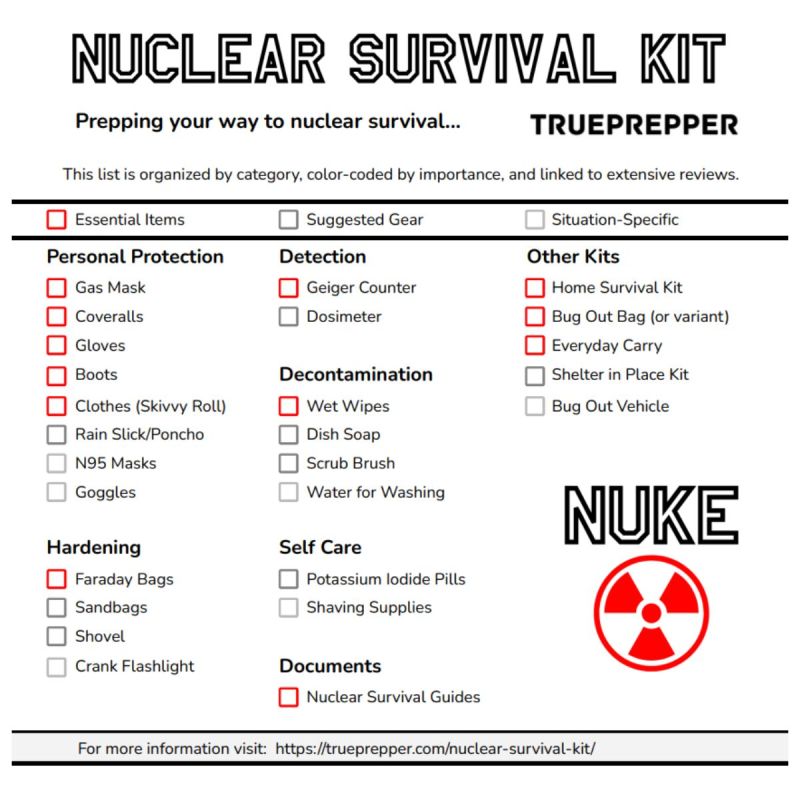
Credit: trueprepper.com
Communication And Navigation Gear
Communication and navigation gear are essential parts of any car survival kit. These tools help you stay connected and find your way if technology fails or you’re in an area without signal. Think about a time when your phone died in the middle of nowhere—having backup options can make all the difference.
Whistles And Signal Mirrors
Whistles are simple but powerful tools for attracting attention. They can be heard from far away and don’t rely on batteries or signal coverage. Carry a loud whistle in your kit to call for help if you’re stranded or lost.
Signal mirrors are equally important. They reflect sunlight and can be seen from miles away by rescuers or passing vehicles. Unlike electronic devices, they never run out of power and are lightweight to carry.
Maps And Compasses
GPS devices and smartphones can fail, but paper maps and compasses never will. Having a detailed map of the area and a reliable compass helps you navigate even when technology lets you down.
Practice reading a map and using a compass before you need them. Knowing how to orient yourself without digital aids can keep you safe when lost or off-road.
Portable Chargers And Radios
Portable chargers keep your essential devices alive longer. Invest in a high-capacity power bank that can charge your phone multiple times, especially if you’re using GPS or emergency apps.
Two-way radios or emergency weather radios keep you informed and connected. Radios don’t depend on cell towers and can provide vital weather alerts or allow communication with rescue teams.
What communication tool do you trust most when your phone fails? Having multiple options ensures you’re never completely cut off.
Maintaining And Updating Your Kit
Keeping your car survival kit ready means more than just packing it once and forgetting it. Regular maintenance ensures every item works when you truly need it. Neglecting this could leave you stranded with useless supplies.
Regular Checks And Replacements
Set a reminder to inspect your kit every few months. Check expiration dates on food, water, and medications. Replace any item that looks damaged or worn out.
Test batteries in flashlights and radios to make sure they still work. If you find expired food or drinks, swap them out immediately. This habit keeps your kit reliable and ready.
Adapting To Seasonal Changes
Think about how the weather affects your needs. In winter, add warm blankets, hand warmers, and extra gloves. During summer, pack sunscreen, extra water, and a hat for shade.
Adjust your clothing and gear based on the season. You might also want to swap out certain items—like heavier food during colder months and lighter, hydrating snacks in hot weather. Are you prepared for unexpected changes in climate during your travels?

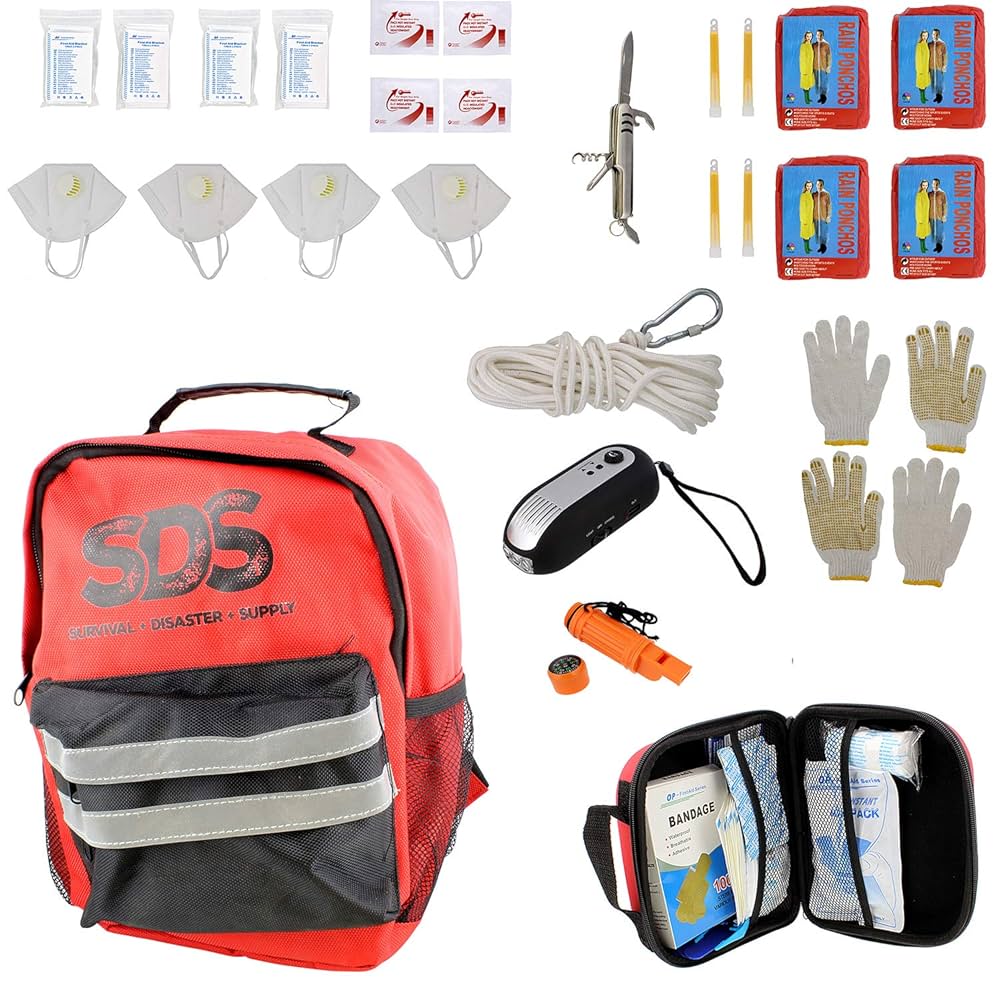
Credit: tech.yahoo.com
Customizing Your Kit For Specific Needs
Customizing your car survival kit means tailoring it to fit your unique lifestyle and needs. A one-size-fits-all kit might leave you unprepared in crucial moments. Think about who will be using the kit and what special items they might require to stay safe and comfortable.
Family And Pet Considerations
Traveling with family means packing beyond the basics. Kids need snacks, entertainment, and extra clothes. Including child-friendly first aid items, like bandages with fun designs, can ease minor injuries without fuss.
Don’t forget your pets. Your dog or cat will need water, food, and a leash or carrier. A collapsible bowl saves space and keeps things tidy. Adding a familiar toy or blanket can calm anxious pets during emergencies.
Have you thought about how your family’s ages and sizes affect what you pack? A small child’s survival needs differ greatly from a teenager’s or an elderly adult’s. Adjust your supplies accordingly to avoid carrying unnecessary weight or missing essentials.
Special Medical Requirements
Medical conditions demand extra attention. If you or a family member uses prescribed medication, keep a sufficient supply in your kit. Include copies of prescriptions and a list of allergies or health issues.
Devices like inhalers, EpiPens, or glucose meters must be easily accessible. Check expiration dates regularly to ensure effectiveness when you need them most. A small notebook or digital record of medical history can prove invaluable to first responders.
Consider the physical abilities of those in your car. Mobility aids or extra cushioning for comfort can make a big difference. What special items would improve your safety or ease in an unexpected situation? Tailoring your kit is about answering that question honestly.
Credit: ocnjdaily.com
Frequently Asked Questions
What Essentials Should Be In A Car Survival Kit?
A car survival kit should include water, non-perishable food, first aid supplies, a flashlight, batteries, blankets, and a multi-tool. Also pack jumper cables, a tire repair kit, and a phone charger. These items help you stay safe and prepared during emergencies.
How Often Should I Update My Car Survival Kit?
Update your car survival kit every six months to ensure items are fresh and functional. Check expiration dates on food and medicines. Replace used or worn-out supplies. Regular updates keep your kit reliable for any unexpected situation on the road.
Where Is The Best Place To Store A Survival Kit In A Car?
Store your survival kit in an easily accessible location like the trunk or under a seat. Avoid places that block access or get damaged. Make sure it’s secure but reachable during emergencies. Proper storage ensures quick access when you need it most.
Can A Car Survival Kit Help In Extreme Weather?
Yes, a well-packed car survival kit can protect you during extreme weather. Include warm clothing, thermal blankets, hand warmers, and rain gear. These items help maintain body temperature and comfort until help arrives or you reach safety.
Conclusion
A well-prepared car survival kit ensures safety on the road. It includes essential items like water, food, and a first aid kit. Flashlights and extra batteries are crucial for night emergencies. Don’t forget blankets and tools for breakdowns. Regularly check and update your kit.
Being prepared reduces stress during unexpected situations. It offers peace of mind when traveling. With a complete kit, you’re ready for any road challenge. Stay safe and travel smart.