Imagine being in a tough situation where help is far away. What would you do?
Your survival kit could be the difference between staying safe and facing serious trouble. But what exactly should you pack in it? Knowing what goes into a survival kit is not just smart—it’s essential. You’ll discover the key items that can keep you alive and comfortable when things go wrong.
Keep reading to learn how to prepare yourself and your kit so you’re ready for anything.

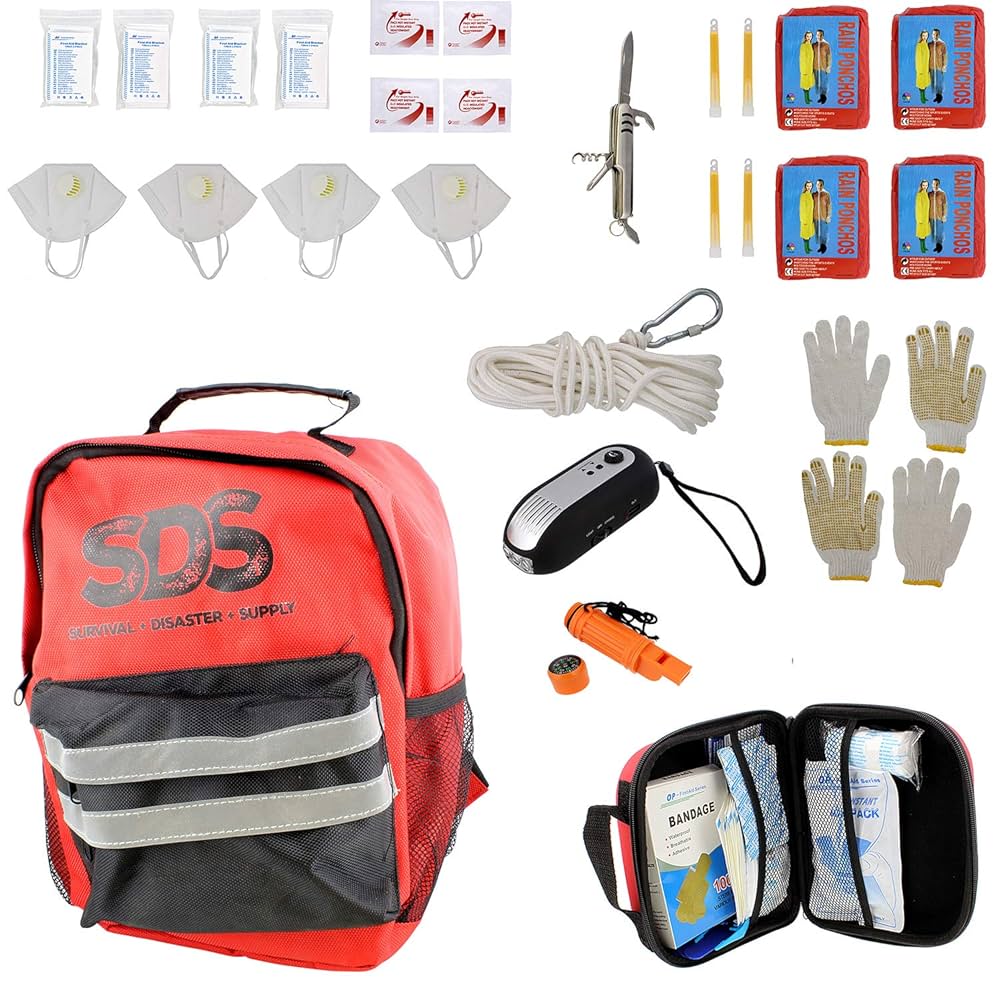
Credit: www.amazon.com
Basic Survival Needs
Basic survival needs focus on the essentials required to stay alive in any emergency. These needs include water, food, and shelter. Each plays a critical role in maintaining health and energy. A well-prepared survival kit covers these essentials to support you until help arrives or you reach safety.
Water And Hydration Tools
Water is the most important element for survival. The human body cannot last long without it. A survival kit must include clean water and tools to purify natural water sources.
- Portable water filters
- Water purification tablets
- Collapsible water bottles or pouches
- Metal containers for boiling water
These tools ensure access to safe drinking water, preventing dehydration and illness.
Food And Nutrition Essentials
Food provides energy and nutrients needed to stay strong. Pack foods that are lightweight, high in calories, and easy to prepare.
- Energy bars and trail mix
- Dehydrated or freeze-dried meals
- Ready-to-eat canned goods
- High-protein snacks like nuts and jerky
Choose foods with a long shelf life and minimal preparation requirements.
Shelter And Warmth Gear
Protection from the elements is vital. Shelter helps maintain body temperature and prevents exposure to harsh weather.
- Compact tent or tarp
- Emergency space blankets
- Insulated sleeping bags or mats
- Waterproof ponchos or rain gear
These items keep you dry and warm, reducing the risk of hypothermia.

Credit: www.servpro.com
Navigation And Communication
Navigation and communication are crucial elements in any survival kit. Without the ability to find your way or send a signal for help, you risk staying lost or stranded. These tools give you control over your environment and increase your chances of rescue.
Maps And Compass
A detailed map and a reliable compass are the backbone of navigation. Digital devices can fail, but a paper map won’t run out of battery. Knowing how to read topographic maps helps you identify landmarks and plan routes even in unfamiliar terrain.
Carry waterproof maps and practice using a compass before you need it. You don’t want to figure it out for the first time in a stressful situation. Ask yourself: can you orient yourself without GPS?
Signaling Devices
Signaling devices are your way to catch the attention of rescuers. Brightly colored signal mirrors, whistles, and flares can alert people miles away. Each has its strengths: mirrors work best in daylight, whistles carry sound over long distances, and flares offer visual signals at night.
Test your signaling tools in different conditions to understand their range. How far can your whistle be heard in a dense forest? Can your mirror catch sunlight on a cloudy day? These insights help you choose what to pack.
Emergency Communication Tools
Emergency communication devices connect you directly to help. Satellite phones or personal locator beacons (PLBs) work where cell signals fail. These tools send your exact location to emergency services, speeding up rescue efforts.
Consider the battery life and ease of use when selecting these devices. Some require subscriptions, while others operate independently. Think about your environment and how quickly you might need to call for help.
First Aid And Health Supplies
First aid and health supplies are the backbone of any survival kit. They help you manage injuries, prevent infections, and maintain your well-being when professional medical help is out of reach. Having the right items can make a life-changing difference in emergencies.
Basic First Aid Items
Start with essentials like adhesive bandages in various sizes to cover cuts and scrapes. Sterile gauze pads and adhesive tape help dress larger wounds and control bleeding. Don’t forget antiseptic wipes or solutions to clean wounds and reduce infection risks.
Adding a pair of tweezers allows you to remove splinters or debris safely. Scissors are useful for cutting tape, gauze, or clothing if needed. A CPR face shield or mask can protect you while giving lifesaving breaths.
Medications And Personal Care
Include pain relievers such as ibuprofen or acetaminophen to ease discomfort. Antihistamines come in handy for allergic reactions, especially if you have known allergies. Consider adding anti-diarrheal tablets, as digestive issues can arise unexpectedly.
Don’t overlook personal medications you take regularly—having an extra supply can keep you going during uncertain times. Lip balm and sunscreen protect your skin from environmental stress. Think about your hygiene too; hand sanitizer and moist towelettes help maintain cleanliness.
Injury Prevention Tools
Prevention is better than treatment. Gloves protect your hands from germs and sharp objects while handling injuries. Safety pins can secure bandages or fasten torn clothing, saving you from further harm.
Adding a small flashlight with extra batteries ensures you can inspect wounds or administer aid in the dark. A whistle may attract attention if you need help urgently. These tools help you avoid worsening injuries and signal for assistance efficiently.
Fire Starting Materials
Fire starting materials are essential in any survival kit because fire provides warmth, a way to cook food, and a means to signal for help. Without reliable fire starters, you might struggle in critical situations. Choosing the right materials can make all the difference when you need a fire quickly and safely.
Lighters And Matches
Lighters and matches are the most common fire-starting tools. A good lighter is compact and easy to use, but it can fail if it gets wet or runs out of fuel. Waterproof or windproof matches can be a reliable backup, especially in damp or windy conditions.
Keep multiple options in your kit to avoid being caught without a way to start a fire. I once relied solely on a lighter during a camping trip, only to find it empty when I needed it most. Since then, I always carry waterproof matches as well.
Fire Starters And Tinder
Fire starters and tinder help ignite your fire quickly, even if natural materials are damp. Popular options include cotton balls soaked in petroleum jelly, dryer lint, or commercial fire starter cubes. These materials catch fire easily and burn long enough to light larger kindling.
Collecting dry tinder from your surroundings is useful, but having a ready-made fire starter can save precious time and effort. What simple, lightweight fire starters could you add to your kit to boost your chances of success?
Safety Measures For Fire
Starting a fire comes with risks, so safety is crucial. Always clear the area around your fire site from leaves, branches, and other flammable materials. Keep water or dirt nearby to extinguish the fire quickly if needed.
Never leave a fire unattended, and make sure it is fully out before you leave the site. Practicing safe fire habits protects you, others, and the environment during your outdoor adventures.
Tools And Multi-purpose Gear
Your survival kit’s effectiveness often hinges on the quality and versatility of the tools and multi-purpose gear you pack. These items can make challenging situations more manageable by offering solutions to a variety of problems. Think about the last time you needed to cut something, make a quick repair, or secure gear—having the right tool saved you time and frustration.
Knives And Cutting Tools
A sharp, reliable knife is one of the most essential tools in any survival kit. It can be used for cutting rope, preparing food, making shelter, or even self-defense. Choose a fixed-blade knife for durability, but a folding knife might be easier to carry.
Consider adding a small sharpening stone to keep your blade effective. Have you ever struggled with a dull knife in a critical moment? Keeping your cutting tools sharp is not just about convenience—it’s about safety.
Multi-tools And Repair Kits
Multi-tools combine several functions into one compact device. Look for models that include pliers, screwdrivers, scissors, and can openers. This gear can help you fix equipment, open cans, or perform quick mechanical repairs.
Repair kits with items like duct tape, needles, thread, and small screws are invaluable. These kits can save your clothing, gear, or shelter from falling apart. What small repair once saved your day? Packing these items anticipates those moments.
Cordage And Fasteners
Cordage is surprisingly critical in survival situations. Paracord is a favorite because it’s strong, lightweight, and versatile. You can use it to build shelter, make traps, or secure items to your pack.
Fasteners like carabiners, clips, and safety pins add extra flexibility. They help organize gear and make quick fixes possible without tools. Have you ever tried carrying loose items only to lose them? Fasteners keep your kit organized and ready.
Clothing And Protection
Clothing and protection are crucial in any survival kit. They help maintain body temperature and shield against the elements. Proper clothing prevents injuries and illness. It also supports comfort and mobility in tough environments.
Weather-appropriate Clothing
Choose clothing based on expected weather conditions. Layers work best for changing temperatures. Include:
- A moisture-wicking base layer to keep skin dry
- An insulating middle layer for warmth
- A waterproof and windproof outer layer
Pack extra socks and gloves. Materials like wool and synthetic fibers dry quickly and retain heat. Avoid cotton as it traps moisture and chills the body.
Protective Gear And Accessories
Protection is key in rough terrain. Include sturdy boots for ankle support. Gloves protect hands from cuts and cold. A wide-brim hat shields from falling debris and rain. Use a scarf or neck gaiter to guard your face and neck. Sunglasses protect eyes from dust and glare. Consider knee and elbow pads if navigating rocky areas.
Sun And Insect Protection
Sunburn and insect bites can cause serious problems. Pack a broad-spectrum sunscreen with high SPF. Reapply often during outdoor activities. Insect repellent helps prevent bites and diseases. Choose products with DEET or natural alternatives. Long-sleeved shirts and pants reduce skin exposure. A mosquito net or head net adds extra protection in bug-heavy zones.
Personal Items And Extras
Personal items and extras are essential for any survival kit. They ensure you stay connected, safe, and calm during emergencies. These items go beyond basic survival tools. They help manage stress and maintain your identity.
Identification And Documentation
Keep important documents in a waterproof bag. Include:
- Driver’s license or ID card
- Medical records and prescriptions
- Insurance papers
- Copies of personal identification
These papers prove who you are and show medical needs. They help emergency workers assist you quickly.
Cash And Emergency Contacts
Cash is crucial when cards don’t work. Carry small bills in different amounts. Include a list of emergency contacts too. This list should have phone numbers of:
- Family members
- Close friends
- Doctors or medical professionals
- Local emergency services
Having contacts written down avoids reliance on phones or battery power.
Comfort And Morale Boosters
Stress can affect your decisions. Pack small items to lift your mood. Ideas include:
- Photos of loved ones
- A favorite book or puzzle
- Comfort snacks like chocolate or nuts
- A small notepad and pen
These extras ease anxiety and keep spirits strong during tough times.

Credit: www.amazon.com
Frequently Asked Questions
What Essential Items Go Into A Survival Kit?
A survival kit should include water, food, first aid supplies, a flashlight, a multi-tool, and fire starters. These items help you stay safe, hydrated, and nourished during emergencies or outdoor adventures.
How Do I Choose The Right Survival Kit Size?
Choose a survival kit size based on your trip length, group size, and environment. Compact kits suit short trips, while larger kits are best for extended stays or group use.
Why Is A First Aid Kit Vital In Survival Kits?
A first aid kit treats injuries, prevents infections, and manages medical emergencies. It is crucial for safety when professional help is unavailable or delayed.
Can Survival Kits Help In Natural Disasters?
Yes, survival kits provide essential supplies to sustain you during natural disasters. They offer food, water, light, and tools needed until help arrives or conditions improve.
Conclusion
A well-prepared survival kit can save lives. It’s essential for emergencies. Include basic items like water, food, and first aid. Don’t forget tools and blankets for warmth. Consider personal needs and local risks. A good kit adapts to your environment.
Regularly check and update it. This ensures all items remain useful. Prepare today for unexpected events. Stay safe and ready.