Imagine facing an emergency without the right supplies. How would you protect yourself and your loved ones?
Packing a disaster survival kit is one of the smartest things you can do right now. It gives you peace of mind and a real chance to stay safe when disaster strikes. In this guide, you’ll learn exactly what to include and how to prepare your kit so it’s ready when you need it most.
Keep reading—your safety depends on it.
Choosing The Right Container
Choosing the right container is key for a disaster survival kit. It keeps all supplies organized and protected. The container should be strong and easy to carry. It must also keep contents safe from water and air. Size plays a role too, balancing capacity with portability.
Durability And Portability
Select a container made from tough materials like hard plastic or metal. It should resist cracks and breaks under pressure. Portability matters for quick evacuation or movement. Look for containers with handles or straps for easy carrying. The container must withstand rough handling and weather changes.
Waterproof And Airtight Options
Waterproof containers prevent moisture damage to your supplies. Airtight seals keep air, dust, and insects out. These features extend the shelf life of food and medicine. Choose containers with rubber gaskets or locking mechanisms. Test the seal before packing to ensure full protection.
Size Considerations
Size depends on the number of items and people served. A small container is lighter but holds fewer essentials. A large container fits more but may be heavier and bulky. Balance size with the ability to carry it easily. Consider stackable designs for better storage at home.

Credit: www.amazon.ca
Basic Survival Essentials
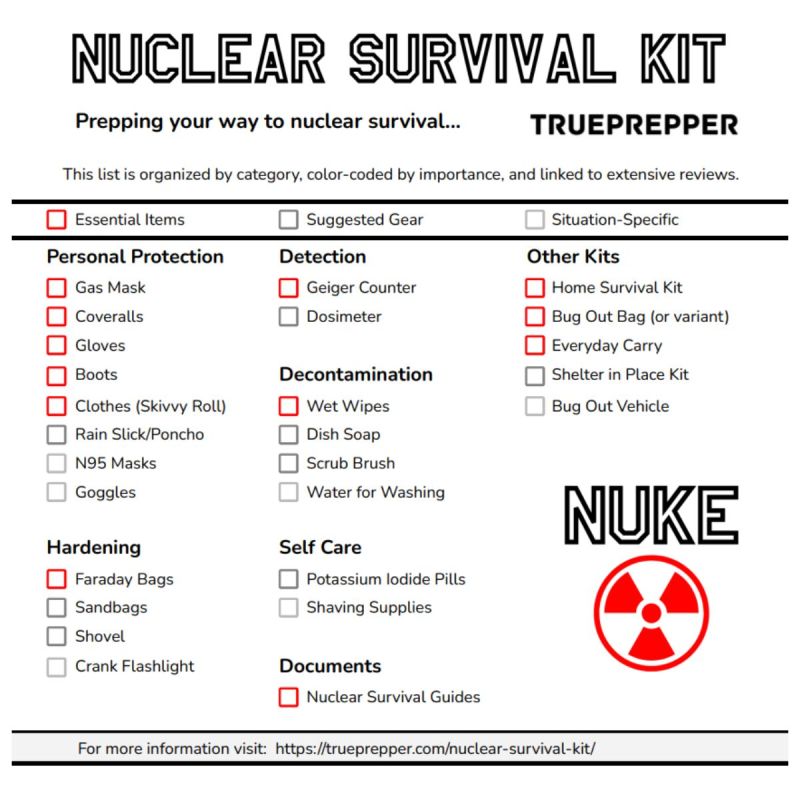
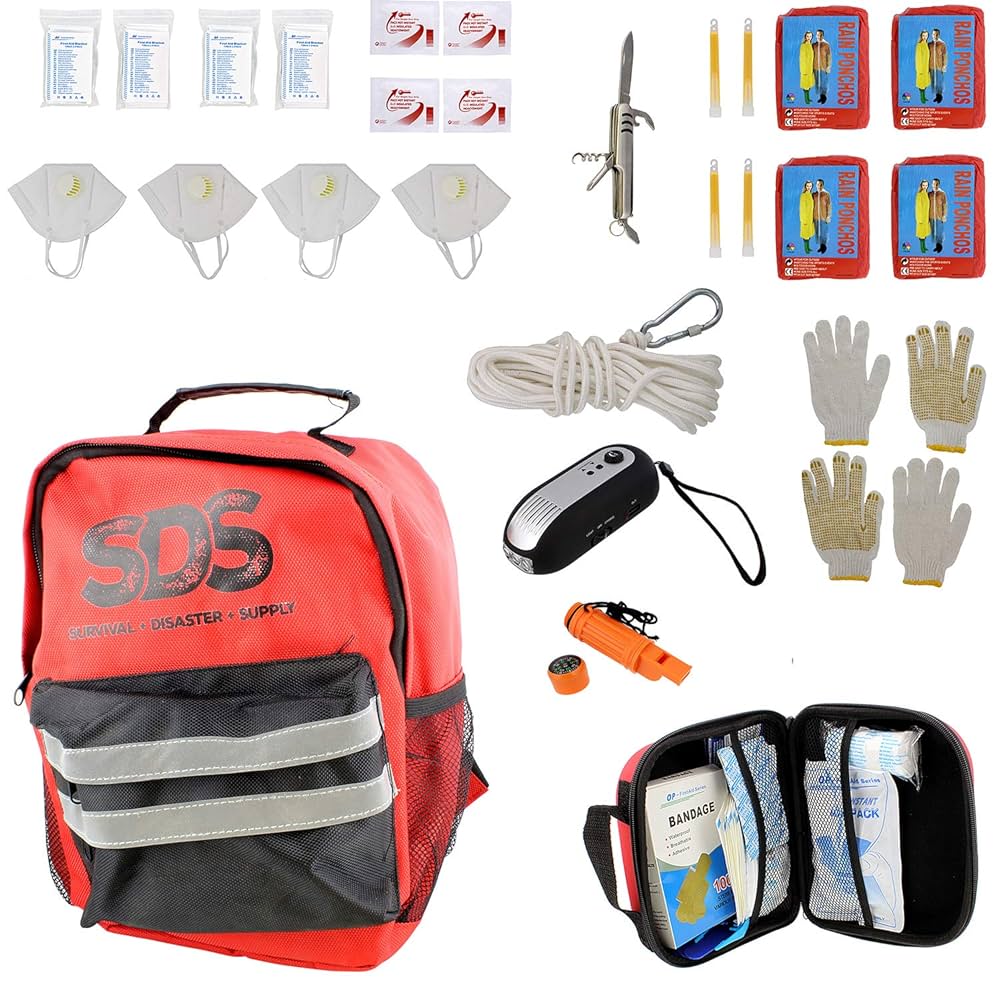
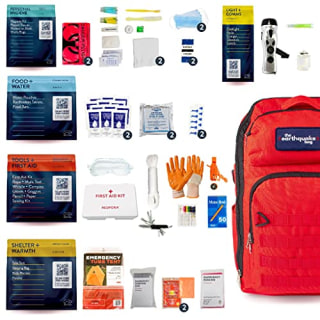
Packing a disaster survival kit means focusing on the basics that can keep you alive and comfortable when everything else fails. Your kit should cover essential needs such as food, water, first aid, and shelter. These basics are the foundation of your survival strategy.
Food And Water Supplies
Food and water are non-negotiable. Pack high-energy, non-perishable foods like granola bars, dried fruits, and canned beans. Don’t forget a manual can opener if you include canned goods.
Water is even more critical. Carry at least one gallon per person per day, and include water purification tablets or a portable filter. Have you ever found yourself thirsty with no clean water? That feeling alone proves why water is your top priority.
First Aid Materials
A well-stocked first aid kit can be a lifesaver in emergencies. Include bandages, antiseptic wipes, pain relievers, tweezers, and allergy medication. Think about personal needs too, like prescription medicines or extra glasses.
Knowing how to use these materials makes a huge difference. Have you taken the time to learn basic first aid? It’s a skill that turns your supplies into real help.
Shelter And Warmth
Exposure is a major threat after a disaster. Pack a lightweight tent, emergency blankets, or a tarp to create shelter. Warmth can be life-saving, so include hand warmers and a compact sleeping bag.
Don’t overlook rain gear or extra clothing layers. Staying dry and warm keeps your energy up and prevents hypothermia. What shelter options fit your environment and pack size best?
Tools And Equipment
Having the right tools and equipment in your disaster survival kit can make a huge difference in how you handle unexpected situations. These items are not just handy—they can be lifesaving. Choosing gear that is versatile, durable, and easy to use ensures you can adapt quickly when things get tough.
Multi-tools And Knives
A good multi-tool offers several functions in one compact package. You might find yourself needing pliers, a screwdriver, or a bottle opener all in a single device. A sharp, reliable knife is equally important for cutting rope, preparing food, or even self-defense.
Think about the last time you struggled to open a package or fix something simple. Wouldn’t having a multi-tool have saved you time and frustration? Choose models with sturdy construction and replaceable parts if possible.
Fire Starters
Fire is essential for warmth, cooking, and signaling for help. Carry multiple fire starters like waterproof matches, a lighter, and a ferrocerium rod. Each type works differently, so having options increases your chances of success in varying weather conditions.
Have you tested your fire starters lately? Practicing with them can build confidence and speed when you really need to light a fire. Pack them in a waterproof container to keep them dry and ready.
Lighting Sources
Light sources help you navigate safely in the dark and can signal rescuers. Include a headlamp for hands-free use and a small flashlight as a backup. Extra batteries or a rechargeable option can keep these tools operational for longer periods.
Imagine being stranded at night without a reliable light. How would you find your way or signal for help? Choose lighting tools that are bright, lightweight, and easy to carry in your kit.
Communication And Navigation
Effective communication and navigation tools are essential in any disaster survival kit. They help you stay informed, alert others to your location, and find your way when usual signals fail. Without these, even the best supplies can leave you stranded or isolated.
Emergency Radios
Emergency radios keep you connected to vital information during disasters. Look for models that can receive NOAA weather alerts and operate without batteries, like hand-crank or solar-powered radios.
Imagine being out in the wilderness with no cell signal but having a radio that updates you on approaching storms. That simple device can guide your decisions and keep panic at bay.
Choose radios with multiple power options and a built-in flashlight for added utility.
Whistles And Signals
A whistle is a small but powerful tool to signal for help when you can’t shout loud enough. It uses less energy and carries sound farther, making it perfect for emergencies.
Carry a whistle on a lanyard so you can access it instantly. Pair it with reflective tape or a small mirror to create visual signals during daylight.
Ask yourself: how will rescuers find you if you’re stuck in dense woods or rubble? A whistle can make all the difference.
Maps And Compasses
Digital tools fail when batteries die or signals drop. Physical maps and compasses remain reliable navigation aids in any situation.
Keep detailed, waterproof maps of your local area and surrounding regions in your kit. Practice using a compass to orient yourself without GPS.
Consider marking safe zones and emergency shelters on your maps before a disaster hits. Knowing your route in advance can save precious time and energy.
Personal Items And Documents
Packing personal items and documents in your disaster survival kit is essential for staying organized and prepared. These items keep you connected to your identity and resources when usual systems may fail. Think about the last time you misplaced your ID or important papers—how much stress did that cause? In an emergency, having these ready can make a huge difference.
Identification And Copies
Your ID is more than just a card; it proves who you are and may be required to access shelters or aid. Include your driver’s license, passport, and any other important IDs. Don’t forget to add photocopies or digital scans stored on a USB drive or encrypted cloud service to your kit.
Store these copies separately from the originals to avoid losing everything at once. This simple step saved me when my wallet was lost during a blackout. Having backups meant I could still verify my identity and receive help without delay.
Cash And Credit Cards
Emergencies often disrupt electronic payment systems. Carry enough cash in small bills to cover basic needs for several days. Credit cards are useful but may not always be accepted, so don’t rely on them solely.
- Keep cash in a waterproof container or pouch.
- Include at least one credit or debit card with emergency contact numbers noted.
Ask yourself: if ATMs were down, how would you pay for food or fuel? Planning for this ensures you won’t be stranded without resources.
Prescription Medications
If you take prescription medications, pack an ample supply in your kit. Include a list of your prescriptions with dosages, the prescribing doctor’s contact info, and any pharmacy details. This can help medical personnel assist you quickly if needed.
Store medications in their original containers to avoid confusion and protect against contamination. I once had to refill a prescription during a power outage; having this info saved me time and hassle.
Think about the medications you might need beyond daily prescriptions, like pain relievers or allergy treatments, and add those too.

Credit: www.servpro.com
Packing Tips For Efficiency
Packing your disaster survival kit efficiently can save precious time and reduce stress during an emergency. The way you organize and protect your supplies affects how quickly you can access what you need. Small changes in your packing approach can make a big difference when every second counts.
Organizing By Priority
Start by sorting your items based on how urgently you might need them. Place essentials like water, food, and first aid supplies at the top or in the easiest-to-reach compartments. Less critical items, such as extra clothing or tools, can go deeper inside.
Think about situations where you might only have a moment to grab your kit. Would you be able to find your flashlight or medication quickly? Organizing by priority ensures you aren’t digging through everything when time is limited.
Using Waterproof Bags
Waterproof bags protect your supplies from rain, spills, or flooding. Use clear, resealable bags so you can see what’s inside without opening them. This also keeps small items like matches, batteries, and bandages dry and grouped together.
Consider packing electronics or important documents separately in thicker waterproof pouches. You don’t want to discover soggy phone chargers or ruined papers when you need them most. Protecting your gear from moisture adds a layer of reliability to your kit.
Regular Maintenance And Updates
A survival kit isn’t a one-time project. Check your supplies every few months to replace expired food, batteries, and medications. This simple habit keeps your kit ready and prevents unpleasant surprises during a crisis.
Ask yourself: When did you last review your kit? Updating it regularly helps you adjust for seasonal changes or new personal needs. Keep a checklist handy to track what you’ve checked or replaced to stay organized over time.
Customizing Your Kit
Customizing your disaster survival kit is key to staying safe. Each location and family has unique needs. Tailoring your kit ensures you carry the right items. This approach increases your chances of coping well during an emergency.
Considering Local Risks
Start by identifying common dangers in your area. Floods, earthquakes, wildfires, or hurricanes each need specific supplies. Include tools and gear suitable for these risks. For example, waterproof bags for floods or masks for wildfire smoke. Check local alerts and past disaster reports for guidance.
Adapting For Family Needs
Think about every family member’s requirements. Children, seniors, and pets all need special care. Pack enough food, water, and medicine for everyone. Include comfort items for kids like small toys or blankets. Adjust quantities to match the number of people in your household.
Including Special Items
Some situations call for extra items beyond basics. Consider medical supplies for chronic conditions. Add extra batteries for hearing aids or glasses. Don’t forget important documents like IDs and insurance papers. Include cash in small bills for emergencies without card access.

Credit: premierbodyarmor.com
Frequently Asked Questions
What Are The Essential Items In A Disaster Survival Kit?
A disaster survival kit must include water, non-perishable food, first aid supplies, flashlight, batteries, and a multi-tool. These basics support health, safety, and communication during emergencies.
How Do I Pack A Disaster Survival Kit Efficiently?
Use waterproof containers and organize items by priority and type. Keep heavier items at the bottom and frequently used tools accessible for quick retrieval.
How Often Should I Update My Survival Kit?
Update your kit every six months. Check expiration dates on food and medicine, and replace used or outdated items to ensure readiness.
Can I Customize My Survival Kit For Specific Disasters?
Yes, tailor your kit based on local risks like floods, earthquakes, or hurricanes. Include items like masks, blankets, or specific tools accordingly.
Conclusion
Packing a disaster survival kit can save lives. Simple tools and supplies matter. Water, food, and first-aid are crucial. Don’t forget flashlights and batteries. Personal documents and cash are important too. A whistle and multi-tool add extra safety. Regularly check and update your kit.
Customize it for your needs and climate. Practice using every item in your kit. This preparation builds confidence. It ensures you are ready for emergencies. Stay safe and prepared always.