Imagine facing an unexpected emergency without enough food to keep you and your loved ones safe and nourished. You want to be ready, but choosing the right foods to stockpile can feel overwhelming.
What if you had a simple, clear guide that helps you pick the best items to keep on hand—foods that last long, provide real nutrition, and taste good when you need them most? You’ll discover exactly what to stockpile so you can feel confident and prepared, no matter what comes your way.
Keep reading, and take the first step toward peace of mind for your family’s future.
Non-perishable Staples
Non-perishable staples form the foundation of any emergency food supply. These foods last long without refrigeration. They provide essential nutrients and energy during tough times. Stocking up on these items ensures you have reliable food sources ready. They require minimal preparation and stay safe for months or years.
Canned Vegetables And Fruits
Canned vegetables and fruits keep well for years. They provide vitamins and minerals essential for health. Vegetables like green beans, corn, and carrots add fiber and nutrients. Fruits such as peaches, pineapples, and pears offer natural sweetness and vitamins. Choose low-sodium and no-sugar-added options for better nutrition.
Dried Beans And Lentils
Dried beans and lentils are protein-rich and filling. They store for a long time without spoiling. These legumes also provide fiber and important minerals. Soak them before cooking to reduce cooking time. Lentils cook faster and do not need soaking. They are versatile for soups, stews, and salads.
Rice And Grains
Rice and grains are energy-packed staples to stockpile. White rice lasts longer than brown rice but brown rice has more nutrients. Quinoa, barley, and oats offer variety and nutrients. Store grains in airtight containers to keep pests out. Cook grains easily with water or broth for meals.
Pasta And Noodles
Pasta and noodles are easy to prepare and fill you up. They store well in dry conditions for months or years. Choose whole wheat pasta for extra fiber and nutrients. Use pasta in many dishes, from soups to salads. Keep different shapes and types to add variety to meals.

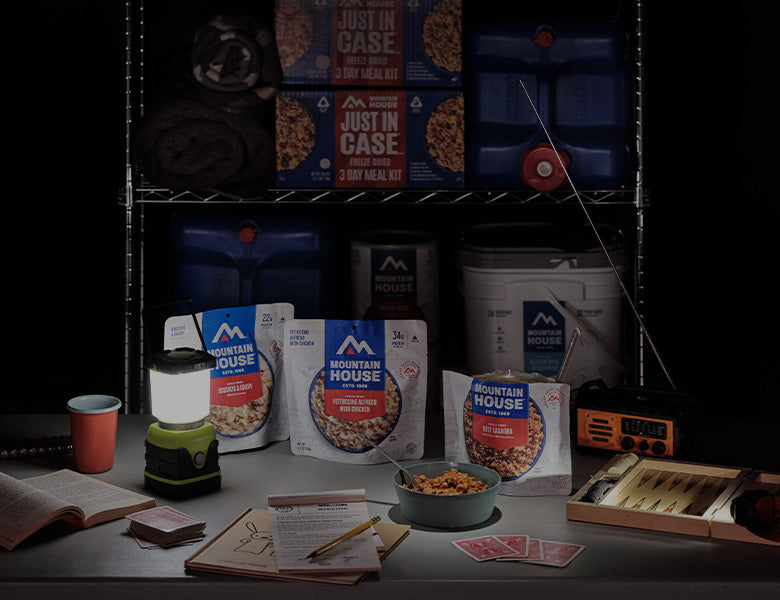
Credit: mountainhouse.com
Protein-rich Options
Protein is essential for energy and muscle repair during emergencies. Stockpiling protein-rich foods ensures your body stays strong and healthy. These options have a long shelf life and require little preparation.
Canned Meats And Fish
Canned chicken, tuna, and salmon are excellent protein sources. They last for years without refrigeration. Easy to use in sandwiches, salads, or eaten straight from the can. Rich in omega-3 fatty acids and other nutrients.
Nut Butters
Peanut butter and almond butter provide good protein and healthy fats. They do not spoil quickly and need no cooking. Great as a spread or mixed into snacks for quick energy.
Powdered Eggs And Milk
Powdered eggs and milk offer versatile protein options. Rehydrate them with water for cooking or baking. Lightweight and space-saving, perfect for emergency kits.
Shelf-stable Tofu
Shelf-stable tofu is a plant-based protein with a long shelf life. It comes vacuum-sealed and ready to eat or cook. A good alternative for vegetarians and vegans during emergencies.
Healthy Fats And Oils
Healthy fats and oils provide essential energy and support brain function during emergencies. Choose items like olive oil, coconut oil, and nut butters for long shelf life and nutrition. These fats help keep you strong and fueled when fresh food is limited.
Stockpiling healthy fats and oils is a smart move for emergencies. These essential nutrients provide energy and help absorb vitamins, keeping you strong and healthy when fresh food options are limited. Stocking up on the right kinds of fats can make a significant difference in maintaining your health during uncertain times.Cooking Oils
Choose oils with a long shelf life to ensure they remain fresh and useful. Olive oil is a great option, offering heart-healthy monounsaturated fats. Store it in a cool, dark place to extend its shelf life. Coconut oil is another excellent choice. It remains stable at room temperature and can serve multiple purposes beyond cooking, like skin and hair care. What oils do you currently have at home that could serve multiple purposes?Nuts And Seeds
Nuts and seeds are compact powerhouses of nutrition. Almonds and walnuts are rich in omega-3 fatty acids and make for a satisfying snack. Keep them in airtight containers to preserve freshness. Chia seeds and flaxseeds can be easily added to meals, providing fiber and essential fats. They are versatile, so whether you sprinkle them on yogurt or blend them into smoothies, you’re boosting your nutrient intake. Have you considered the variety of meals these could enhance?Shelf-stable Avocado Products
Avocado is known for its healthy fats, but fresh avocados don’t last long. Look for shelf-stable avocado oil or guacamole packets. They maintain the creamy texture and rich nutrients while having a longer shelf life. These products can be used as spreads or dips, adding flavor and healthy fats to your meals. Next time you’re in the store, will you consider adding these to your emergency supplies?
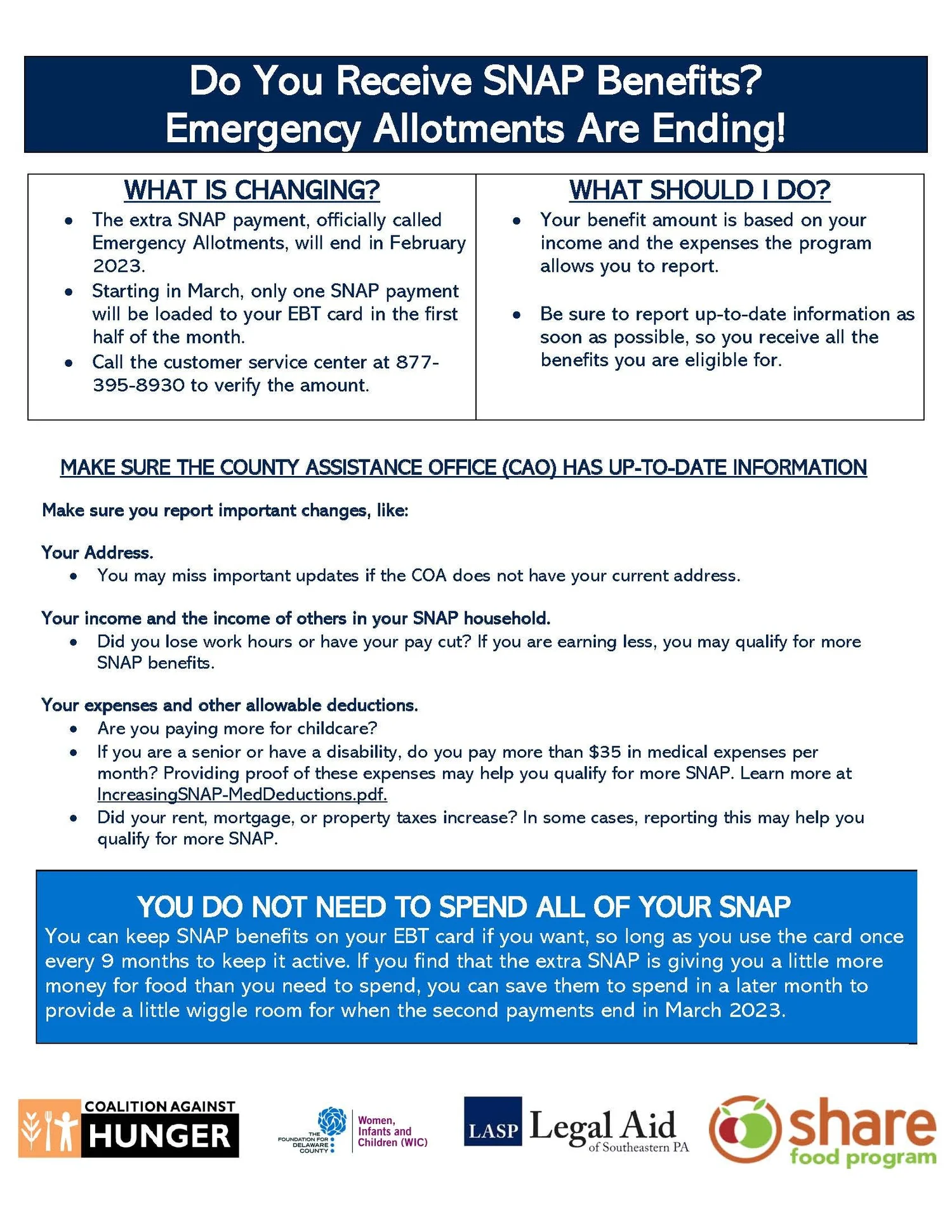
Credit: trueprepper.com
Comfort And Convenience Foods
Comfort and convenience foods play a key role in emergency food supplies. They offer quick, easy meals that bring a sense of normalcy during tough times. These foods require little preparation and provide warmth and energy when needed most.
Instant Soups And Meals
Instant soups and meals save time and fuel. Just add hot water for a ready-to-eat dish. Many options come in lightweight, sealed packages. They last long and offer variety. From chicken noodle to vegetable stew, these meals comfort the body and soul.
Energy Bars And Snacks
Energy bars and snacks provide fast fuel. They fit easily in pockets or backpacks. These bars often contain protein, fiber, and essential vitamins. Snacks like nuts and trail mix also offer good nutrition. They help maintain energy levels during emergencies.
Dehydrated Fruits
Dehydrated fruits keep well without refrigeration. They retain most vitamins and natural sweetness. These fruits make a healthy, tasty snack or meal addition. Options include apples, berries, and mangoes. They add flavor and nutrition to any emergency food supply.
Hydration Essentials
Keeping yourself hydrated during an emergency is not just about comfort—it’s about survival. Water is the foundation of any emergency stockpile. Without it, your body can’t function properly, and your health can quickly deteriorate.
Knowing how to store and purify water ensures you stay safe and healthy no matter what happens. Let’s look at the essentials you should have on hand and how to manage your water supply effectively.
Bottled Water
Bottled water is the easiest and most reliable way to have clean drinking water ready. It’s best to stockpile unopened bottles with a long shelf life. Look for BPA-free bottles to avoid chemical contamination.
Store them in a cool, dark place away from direct sunlight. Rotate your supply every 6 to 12 months to ensure freshness. A good starting point is to have at least one gallon per person per day for drinking and basic hygiene.
Have you considered how much water your family actually uses daily? It’s often more than you expect.
Water Purification Methods
What if your bottled water runs out or gets contaminated? That’s where water purification comes in. Having multiple options can save you in a crisis.
- Boiling:Boiling water for at least one minute kills most harmful organisms. It’s simple but requires fuel and time.
- Water Filters:Portable water filters can remove bacteria and protozoa. Some advanced filters also handle viruses.
- Purification Tablets:These are lightweight and easy to carry. Tablets can disinfect water but may leave an aftertaste.
- UV Purifiers:UV light devices neutralize microorganisms quickly. They need batteries or power sources, so plan accordingly.
Which purification method fits your emergency plan best? Consider the pros and cons based on your situation and resources.
Storage Tips
Storing your emergency food supplies correctly is just as important as choosing the right foods. Poor storage can lead to spoilage, waste, and even health risks. Paying attention to how you store your stockpile ensures your food stays fresh, safe, and ready when you need it most.
Proper Container Choices
Choosing the right containers protects your food from moisture, pests, and contamination. Airtight containers made of food-grade plastic, glass jars with sealing lids, and metal cans work well. Avoid using regular plastic bags or containers that aren’t airtight, as they allow air and insects in.
I once stored rice in a regular plastic bag, only to find it full of bugs weeks later. Switching to sealed Mylar bags with oxygen absorbers made a huge difference in keeping it fresh and bug-free.
Temperature And Light Considerations
Keep your food stockpile in a cool, dry place away from direct sunlight. Heat speeds up spoilage and reduces shelf life, while light can degrade vitamins and flavors. A basement, pantry, or closet with stable temperatures around 50-70°F (10-21°C) is ideal.
Have you checked your storage area’s temperature? A simple thermometer can help you monitor conditions to avoid unexpected heat spikes that damage your food.
Rotation And Shelf Life
Use the “first in, first out” rule to rotate your food stockpile regularly. Mark purchase or packing dates on containers to track freshness. This practice helps you consume older items first and replace them before they expire.
Keep a checklist of your stored foods and their expiration dates. It makes planning meals easier and prevents you from discovering expired cans only when you need them urgently.

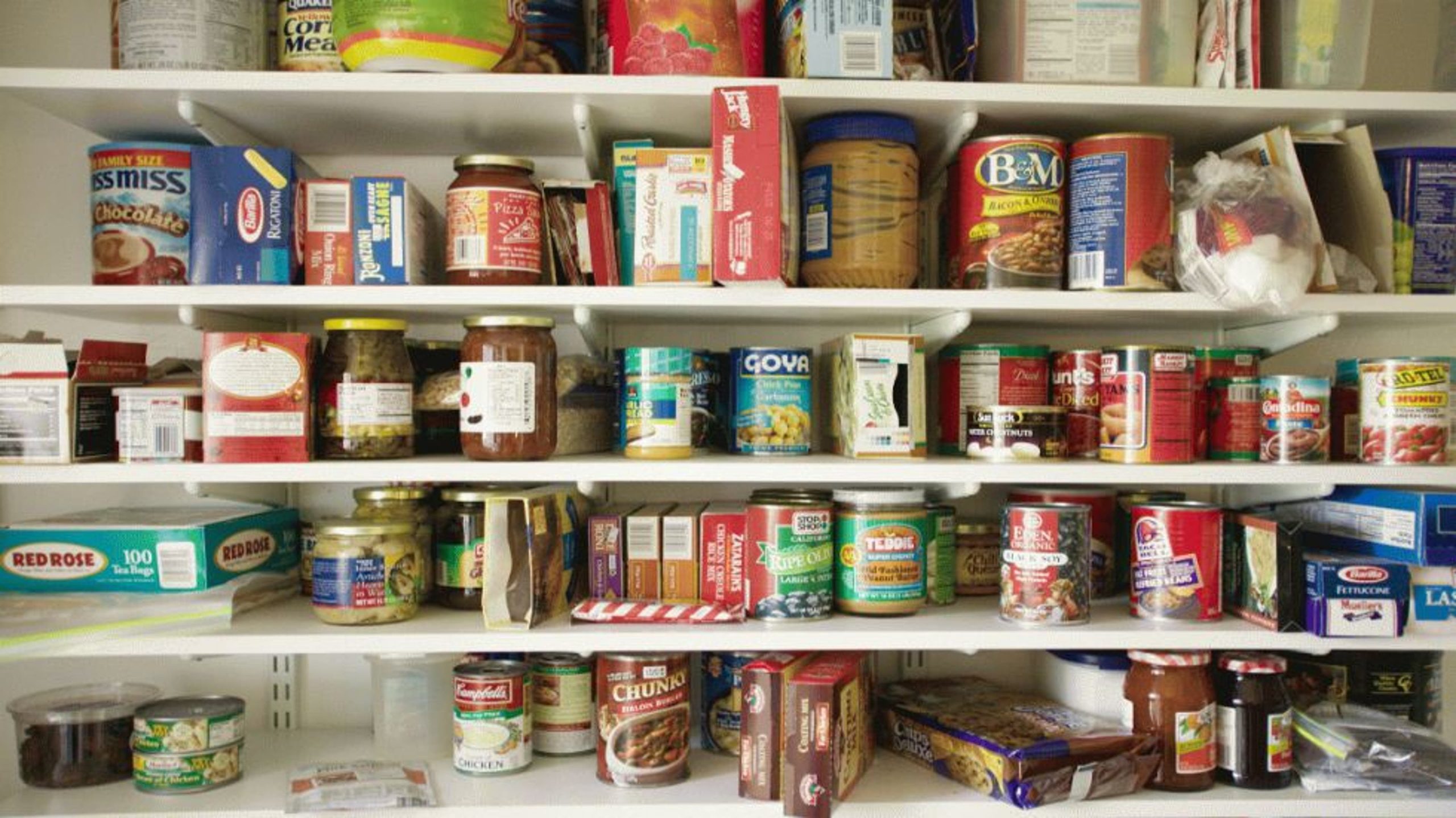
Credit: www.forbes.com
Frequently Asked Questions
What Are The Best Non-perishable Foods For Emergencies?
Non-perishable foods like canned beans, rice, pasta, and dried fruits are ideal. They have long shelf lives and provide essential nutrients during emergencies. Choose items that require minimal preparation and store well in cool, dry places.
How Much Food Should I Stockpile For Emergencies?
Stockpile at least a two-week supply of food per person. This ensures you have enough during short-term disruptions. Consider dietary needs and include a variety of foods for balanced nutrition and energy.
Which Foods Provide The Most Nutrition In Emergencies?
High-protein items like canned tuna, peanut butter, and nuts offer essential nutrients. Whole grains, dried fruits, and vegetables add fiber and vitamins. These foods support energy and health when fresh options are limited.
Can I Stockpile Fresh Foods For Emergencies?
Fresh foods have limited shelf life and are less ideal for long-term storage. However, root vegetables like potatoes and carrots can last weeks if stored properly. Focus mainly on shelf-stable foods for emergencies.
Conclusion
Storing the right foods helps you stay safe during emergencies. Choose items that last long and provide good nutrition. Think about variety to keep meals interesting and balanced. Don’t forget water and easy-to-prepare foods. Check your stockpile regularly to replace expired items.
Being ready brings peace of mind for you and your family. Start small and build your supplies over time. Preparedness is a simple step that makes a big difference. Stay safe and nourished, no matter what happens.