Have you ever wondered if an emergency kit and a survival kit are the same thing? You might think they’re just different names for one pack, but there’s more to it than that.
Knowing the difference could make a big impact when disaster strikes. You’ll discover what sets these kits apart and how choosing the right one can keep you and your loved ones safe. Keep reading—what you learn here might just save your life.
Emergency Kit Basics
Understanding the basics of an emergency kit is essential before deciding if it doubles as a survival kit. Many people confuse these two, but knowing what an emergency kit truly involves can help you prepare better. Let’s break down the core aspects so you can evaluate what fits your needs.
Key Components
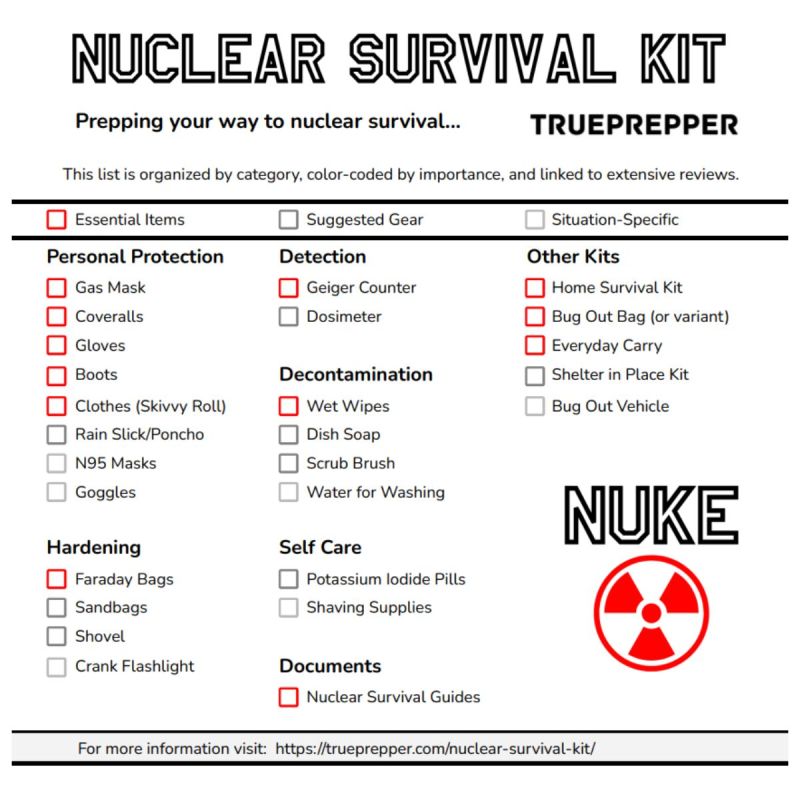
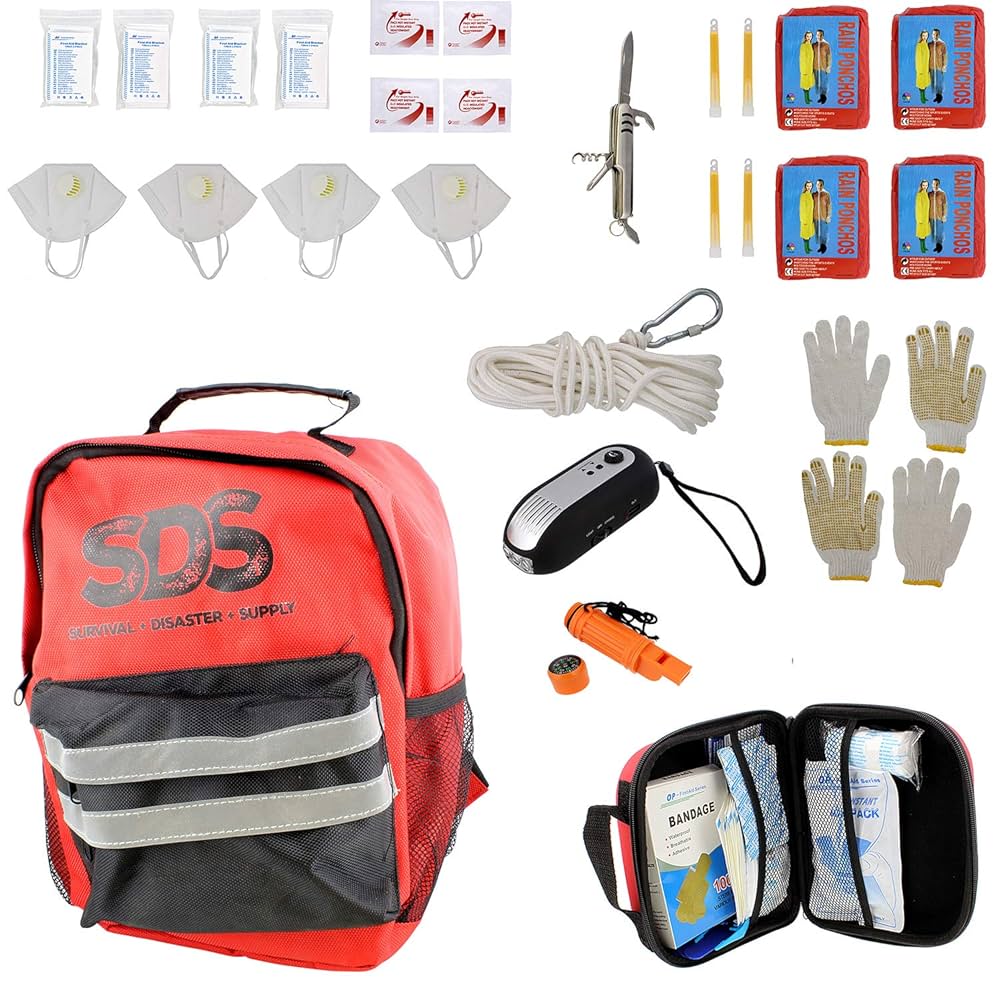
An emergency kit usually contains items designed to keep you safe and comfortable during short-term disruptions. Typical contents include:
- Water and non-perishable food
- Basic first aid supplies
- Flashlight with extra batteries
- Multi-tool or small knife
- Whistle for signaling
- Emergency blanket or poncho
- Copies of important documents
These components focus on immediate needs rather than long-term survival. Have you checked if your kit covers these basics?
Primary Purpose
The main goal of an emergency kit is to provide quick access to essentials during short-term emergencies like power outages, minor injuries, or natural disasters. It’s designed to help you manage for a few hours to a few days. This means it’s tailored more for convenience and immediacy than extended wilderness survival or self-sufficiency.
Think about your location and likely emergencies. Does your kit support those scenarios, or do you need something more robust?
Common Uses
Emergency kits are commonly used at home, in cars, or at workplaces. They serve as a first line of defense when unexpected situations disrupt daily life. For example, a winter storm knocking out power for 24 hours is a typical event where an emergency kit shines.
However, if you’re planning a hiking trip deep into the woods, your needs go beyond a basic emergency kit. How often do you encounter situations where your current kit might fall short?
Survival Kit Essentials
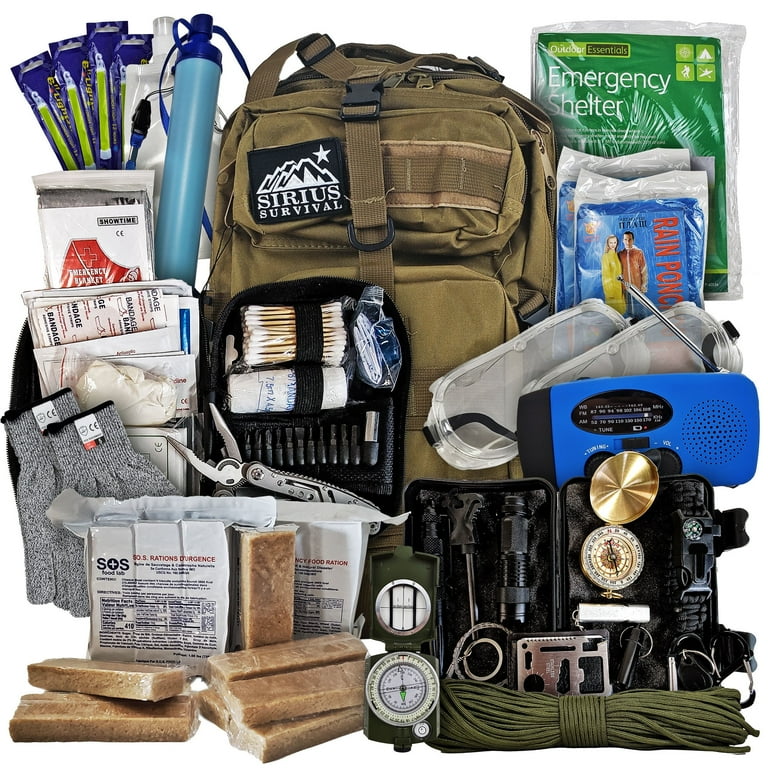
A survival kit holds essential tools and supplies for emergency situations. It focuses on meeting basic human needs quickly and efficiently. These kits prepare individuals for various unexpected events. Understanding survival kit essentials helps to pack the right items. It ensures better readiness and safety during emergencies.
Core Items
- Water purification tablets or filter
- Non-perishable food items
- First aid supplies
- Multi-tool or knife
- Fire starter or waterproof matches
- Emergency blanket or shelter
- Flashlight with extra batteries
- Whistle for signaling
Intended Scenarios
Survival kits are designed for situations without easy help. Examples include natural disasters like earthquakes or floods. They also suit outdoor emergencies such as hiking or camping accidents. Kits support survival when stranded or lost. They focus on short-term needs until rescue or safety.
Durability And Portability
Survival kits must be tough and withstand harsh conditions. Water-resistant and shockproof containers protect contents well. Portability is vital for quick access and easy carrying. Compact size with organized compartments helps in emergencies. Lightweight kits encourage users to keep them nearby at all times.
Comparing Contents
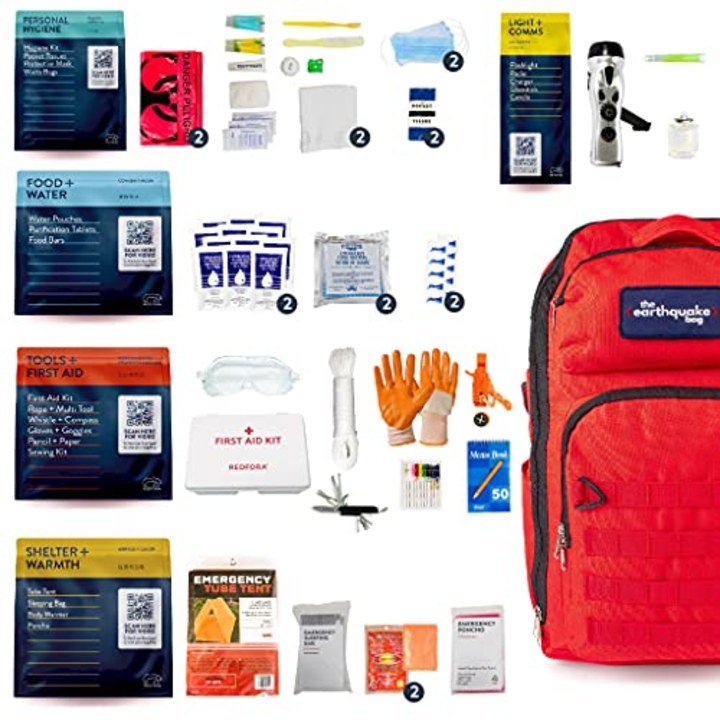
Emergency kits and survival kits share some common items but serve different purposes. Understanding their contents helps decide which kit fits your needs. Emergency kits focus on short-term safety and comfort. Survival kits prepare you for longer, more challenging situations.
Food And Water Supplies
Emergency kits often include basic food and water for 72 hours. These items are easy to consume and carry.
- Bottled water or water pouches
- Energy bars or ready-to-eat snacks
- Simple, non-perishable food
Survival kits contain more durable food and water supplies. They support longer survival periods and may include water purification tools.
- Dehydrated meals or freeze-dried food
- Water filters or purification tablets
- Compact cooking gear
Shelter And Clothing
Emergency kits provide basic shelter and warmth items. These are meant for short stays in safe areas.
- Emergency blankets
- Lightweight ponchos
- Simple hats or gloves
Survival kits offer more robust shelter and clothing options. They help withstand harsh environments and longer exposure.
- Tents or tarp shelters
- Insulated clothing layers
- Sturdy gloves and boots
Medical Supplies
Emergency kits include basic first aid materials. These help treat minor injuries and stabilize conditions.
- Bandages and antiseptic wipes
- Pain relievers and allergy medicine
- Medical tape and scissors
Survival kits feature advanced medical supplies. They prepare users for serious injuries or illnesses in remote areas.
- Tourniquets and splints
- Antibiotics and wound care kits
- Emergency medications
Credit: www.nbcnews.com
Functionality Differences
Understanding the functionality differences between an emergency kit and a survival kit is key to choosing the right one for your needs. Both kits serve critical roles but are designed with distinct purposes and scenarios in mind. Let’s break down these differences to help you decide what fits your situation best.
Short-term Vs Long-term Use
An emergency kit is typically built for short-term use. It contains essentials that help you get through a few hours to a few days after an unexpected event. Think of items like a flashlight, basic first aid, water, and snacks—quick fixes to stabilize your situation.
Survival kits, on the other hand, prepare you for long-term scenarios. They include tools and supplies to sustain you over several days or even weeks. Items like fire starters, multi-tools, and water purification devices are common because they support ongoing survival needs.
Urban Vs Wilderness Settings
Emergency kits are mostly designed with urban environments in mind. They address issues like power outages, minor injuries, or quick evacuations in cities. Compact and easy to carry, these kits fit under your bed or in your car.
Survival kits cater to wilderness settings where you might be far from help. They focus on skills like shelter building, food sourcing, and water collection. You’ll find gear such as fishing lines, emergency blankets, and navigation aids that suit outdoor adventures or unexpected backcountry situations.
Emergency Response Vs Self-sufficiency
Emergency kits aim to assist your immediate response until professional help arrives. They’re about managing the crisis effectively and staying safe in the short window before rescue or aid. You might rely on these kits during a power outage or sudden storm in your neighborhood.
Survival kits encourage self-sufficiency. They equip you to survive independently without outside support. This means being able to find food, create shelter, and maintain your health in isolation. Have you thought about how long you could sustain yourself if you had to rely solely on what’s in your kit?
Choosing The Right Kit
Choosing the right emergency or survival kit is more than just grabbing a pre-packed box. It’s about matching the kit to your specific situation and needs. What you pack can make a huge difference in how well you handle unexpected situations.
Assessing Personal Needs
Think about your daily environment and lifestyle. Do you live in a city prone to power outages or in a rural area where help might take longer to arrive? Your kit should reflect these conditions.
Consider health issues, family size, and any pets. For example, if someone in your household has allergies, your kit must include necessary medications. If you have kids, add items that keep them calm and safe.
Budget Considerations
Emergency and survival kits come in all price ranges. You don’t need to spend a fortune to be prepared, but skimping on essentials can leave you vulnerable. What’s your budget?
Start with basics like water, food, first aid, and tools. You can build up over time, adding quality items when you can afford them. Prioritize items that provide multiple uses to get the most value.
Customization Tips
Don’t rely solely on pre-made kits. Use them as a foundation, then add or remove items based on your needs. Personalize your kit to improve comfort and functionality.
- Add a solar charger if you spend time outdoors.
- Include comfort items like a favorite snack or a small book to stay calm.
- Remove duplicates if you already have similar gear at home.
Regularly check and update your kit. Have you tried customizing your kit before? What did you find most useful?

Credit: www.emergencyzone.com
Maintenance And Updates
Keeping your emergency or survival kit ready means more than just packing it once. Maintenance and updates ensure that your kit stays useful when you actually need it. A neglected kit can fail you at the worst possible moment, so regular care is essential.
Regular Checks
Set a calendar reminder to inspect your kit every few months. Look for damaged packaging, leaks, or anything out of place. Checking regularly helps you spot problems early, so you avoid surprises during an emergency.
Think about the last time you used a flashlight with dead batteries. Would your kit still have worked for you? That’s why regular checks matter.
Replacing Expired Items
Many items in your kit have expiration dates, especially food, water, and medications. Expired supplies can be ineffective or even unsafe to use. Make it a habit to replace these items before they run out.
Keep a list of expiry dates in your kit or on your phone. This simple step can save you from relying on spoiled food or ineffective medicines when time is critical.
Adapting To Changing Risks
Your emergency needs may change over time. Moving to a new area, changes in health conditions, or new threats like severe weather patterns require updates to your kit. Customize your supplies to fit your current situation.
Ask yourself: Does my kit still fit my lifestyle and environment? If not, what needs to be added or removed? Staying flexible means your kit stays relevant and ready.
Credit: www.walmart.com
Frequently Asked Questions
What Is The Difference Between An Emergency Kit And Survival Kit?
An emergency kit covers basic immediate needs during sudden events. A survival kit is more comprehensive, designed for long-term survival situations. Both kits include essential supplies but differ in purpose and contents.
Can An Emergency Kit Replace A Survival Kit?
An emergency kit can help in short-term crises but may lack essentials for extended survival. For long-term preparedness, a survival kit is more suitable.
What Items Are Common In Both Kits?
Both kits include first aid supplies, water, non-perishable food, and basic tools. These essentials help manage immediate health and safety needs during emergencies.
How Often Should I Update My Emergency Or Survival Kit?
Update kits every 6 to 12 months to replace expired items and adjust supplies. Regular checks ensure readiness and effectiveness during emergencies.
Conclusion
A well-prepared kit can be a lifesaver in emergencies. Both emergency kits and survival kits have essential items. These include food, water, and first aid supplies. Each kit serves a crucial purpose. Having both can cover more situations. Always ensure your kits are up-to-date.
Check them regularly and replace expired items. Being prepared brings peace of mind. It also ensures safety during unexpected events. Equip yourself with the right tools and knowledge. Stay safe and ready for any situation.