When the flu hits, being unprepared can make you feel helpless and miserable. But what if you had a kit ready to fight off symptoms and help you recover faster?
Putting together a flu survival kit is one of the smartest moves you can make for your health. You’ll discover exactly what items you need, why they matter, and how to organize them so you’re never caught off guard. Keep reading, and you’ll be ready to face flu season with confidence and comfort.

Credit: uk.news.yahoo.com
Flu Survival Kit Basics
Building a flu survival kit helps you stay prepared during flu season. This kit keeps essential items ready for quick access. It eases discomfort and supports faster recovery. Having the right supplies reduces stress and helps manage symptoms effectively.
Must-have Items
- Thermometer to check body temperature accurately
- Over-the-counter fever reducers and pain relievers
- Tissues and disposable masks to prevent spread
- Hydration aids like electrolyte drinks or oral rehydration salts
- Comfort items such as lip balm and throat lozenges
- Hand sanitizer and disinfectant wipes for cleanliness
- Easy-to-digest snacks for energy during illness
- A digital thermometer or pulse oximeter for monitoring
Choosing The Right Supplies
Select items based on your health needs and family size. Check expiry dates and replace old or used supplies regularly. Opt for gentle formulas suitable for all ages. Choose products that ease symptoms without causing side effects. Keep instructions for each medication handy. Store everything in a clean, easy-to-reach container. This helps during urgent situations and keeps the kit organized.
Medications To Include
Choosing the right medications is key to a flu survival kit. These help ease symptoms and speed recovery. Include options that treat pain, fever, congestion, and cough. Make sure to have enough supplies for several days. Always check expiration dates and storage instructions.
Over-the-counter Remedies
- Acetaminophen or ibuprofen for fever and body aches
- Decongestant nasal sprays or tablets to relieve stuffy nose
- Cough syrups or lozenges to soothe throat irritation
- Antihistamines to reduce sneezing and runny nose
- Electrolyte solutions to prevent dehydration
These medicines are easy to find at any drugstore. Follow the dosage instructions carefully. Keep a thermometer to monitor your temperature.
Prescription Options
- Antiviral drugs like oseltamivir can shorten flu duration
- Consult a doctor to get the right prescription
- Use antibiotics only if a bacterial infection develops
- Prescribed inhalers help if breathing becomes difficult
- Keep emergency medications if you have chronic conditions
Prescription medicines need a doctor’s approval. Start antivirals early for best effect. Never share prescription drugs with others.
Comfort And Care Essentials
Comfort and care items are vital for managing flu symptoms at home. They help soothe aches and keep you relaxed. These essentials support healing and make rest easier. Preparing these items ahead saves stress during illness.
Hydration Tools
Staying hydrated is key to fighting the flu. Water, herbal teas, and clear broths help replenish fluids lost through fever and sweating. Use a few simple tools for easy hydration:
- Reusable water bottles with measurement marks to track intake
- Electric kettle for quick hot drinks
- Mugs with lids to keep beverages warm longer
- Oral rehydration salts for electrolyte balance
These tools encourage regular drinking and soothe a sore throat. Warm liquids also relieve congestion and dryness.
Soothing Accessories
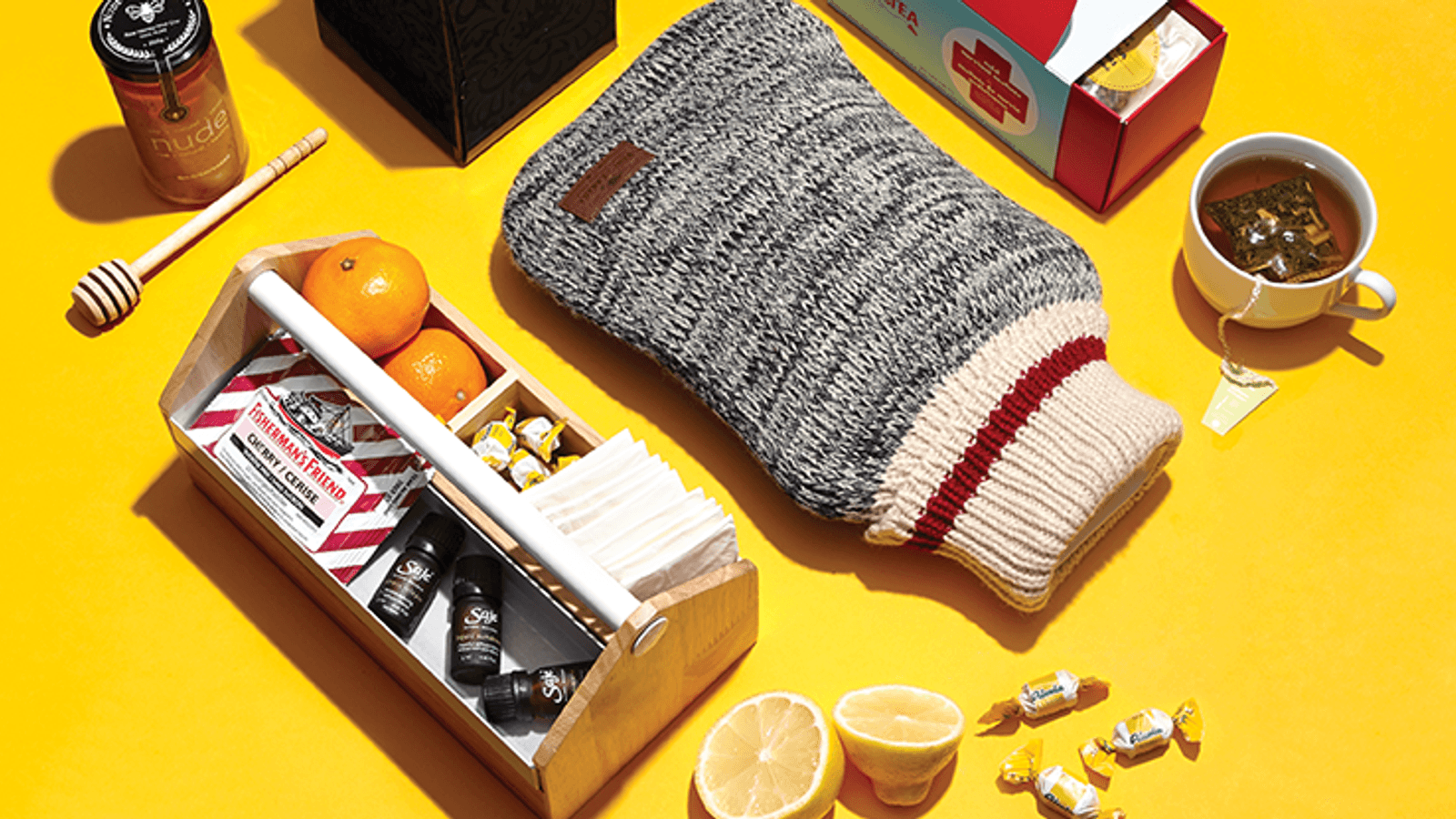
Comfort items provide relief from chills and body pain. Soft blankets and heating pads ease muscle aches. Eye masks block light for better rest. Other useful accessories include:
- Cool gel packs to reduce fever
- Humidifiers to keep air moist and ease breathing
- Soft tissues to prevent irritation around the nose
- Comfortable pajamas that keep you warm but breathable
These items create a cozy environment. They help calm the body and mind during recovery.

Credit: uk.news.yahoo.com
Preventive Measures
Preventive measures are essential for staying healthy during flu season. These steps help stop the flu virus from spreading and reduce the chance of getting sick. A flu survival kit should include items that support good hygiene and protect your body from germs.
Sanitization Supplies
Sanitization supplies keep your hands and surfaces clean. Clean hands prevent the flu virus from entering your body. Include these items in your kit:
- Alcohol-based hand sanitizer with at least 60% alcohol
- Antibacterial wipes for cleaning surfaces
- Soap for thorough handwashing
- Tissues for coughing or sneezing
Use these supplies often, especially after touching public surfaces or before eating.
Protective Gear
Protective gear creates a barrier against flu germs. Wearing the right gear lowers your risk of infection. Add these items to your kit:
- Face masks to cover your nose and mouth
- Disposable gloves for handling shared objects
- Eye protection if you are around sick people
Use protective gear properly. Change masks and gloves regularly to keep them effective.
Storage And Maintenance
Proper storage and maintenance can make a huge difference in how effective your flu survival kit is when you need it most. Keeping your supplies organized and fresh ensures you won’t waste time searching or find expired items during a crisis. Think of your kit as a ready-to-go tool that must be kept in top shape.
Organizing Your Kit
Start by grouping similar items together. For example, keep all medications in one clear pouch and hygiene supplies in another. This way, you can quickly grab what you need without digging through everything.
Use labeled containers or small boxes to separate categories. Having a checklist taped inside the kit’s lid can remind you what’s inside and what might be missing. Have you ever tried finding a thermometer at the bottom of a bag? Avoid that frustration by arranging items logically.
Regular Updates
Set a calendar reminder to check your flu kit every few months. Expired medicines or worn-out supplies can do more harm than good. Replace anything that’s past its expiration date or looks damaged.
Also, update your kit based on changing needs. If a new medication is recommended by your doctor, add it. Keeping your kit current means you won’t be caught off guard when flu season hits.

Credit: device.report
Using Your Kit Effectively
Having a flu survival kit is only half the battle; knowing how to use it effectively can make a real difference in your recovery. Your kit is a tool, and like any tool, its value depends on how well you apply it to the situation. Understanding when and how to use each item ensures you stay ahead of symptoms and avoid unnecessary complications.
When To Use Each Item
Each item in your flu survival kit serves a specific purpose and timing matters. For example, use fever reducers like acetaminophen or ibuprofen as soon as you notice a high temperature or body aches to bring relief quickly. Don’t wait until the fever spikes dangerously high; early intervention helps you feel better faster.
Hydration tools such as electrolyte packets or sports drinks should be used continuously, not just when you feel thirsty. Flu can dehydrate you quickly, so sipping fluids regularly keeps your energy up and supports your immune system. If you have sore throat lozenges or throat sprays, apply them at the first sign of irritation to prevent worsening discomfort.
Keep a thermometer handy to check your temperature twice daily. This helps you decide if medication is needed or if medical attention is required. Bandages and tissues are practical for managing symptoms like nosebleeds or coughs—use them immediately to maintain hygiene and comfort.
Monitoring Symptoms
Tracking your symptoms closely can change the course of your illness. Write down your temperature, cough severity, and energy levels each day. This simple habit helped me notice my fever rising earlier than I expected, prompting me to adjust my medications sooner.
Watch for warning signs like difficulty breathing, persistent chest pain, or confusion. These symptoms mean you should seek medical help right away. Your kit is designed for mild to moderate flu symptoms, so knowing when to escalate care protects your health.
Ask yourself daily: Are my symptoms improving, staying the same, or getting worse? This question guides your use of the kit and alerts you if professional care is needed. Staying proactive with symptom monitoring keeps you in control of your recovery journey.
Frequently Asked Questions
What Essential Items Should A Flu Survival Kit Include?
A flu survival kit should include tissues, hand sanitizer, thermometer, fever reducers, cough syrup, and hydration supplies. Also add vitamins, a humidifier, and a mask to prevent spread and ease symptoms.
How Can A Flu Kit Help Speed Up Recovery?
A flu kit provides quick access to medicines and comfort items. This helps reduce symptoms, maintain hydration, and prevent complications. Early treatment and care boost recovery speed and reduce discomfort.
Where Should I Store My Flu Survival Kit?
Store your flu survival kit in a cool, dry, and easily accessible place. Keep it visible and near your main living area for quick use during illness.
How Often Should I Update My Flu Survival Kit?
Check and update your kit every six months. Replace expired medicines, restock supplies, and add new items based on seasonal needs or family health changes.
Conclusion
A well-prepared flu survival kit can make a big difference. Stock essential items like tissues, hand sanitizer, and a thermometer. Ensure you have enough medication and fluids. Keep everything organized and within easy reach. This planning can ease stress during flu season.
Remember, prevention is always better than cure. Regularly update your kit to meet your needs. Stay informed about flu trends and vaccines. With a ready kit, you can focus on recovery. Prioritize your health and safety. Your effort today can safeguard tomorrow.